Unlocking Italy’s Hidden Heartland: New E-Bike Itineraries and Sustainable Tourism Initiatives Open Up the Lazio Region

The Lazio region of central Italy, long overshadowed by the global tourism gravity of its regional capital, Rome, is stepping into the spotlight through a newly developed portfolio of guided e-bike and river itineraries. Funded by the Lazio Region and spearheaded by the Thybris River Experience in collaboration with professional guides and local stakeholders, the initiative seeks to redirect sustainable tourism flows toward the lesser-known archaeological, natural, and culinary landscapes flanking the Tiber River. Stretching from the northern districts of Tuscia and Teverina down to the Tyrrhenian coast at Ostia Antica, these multi-day routes offer a blueprint for rural economic revitalization and low-impact heritage exploration just an hour’s train ride from the Italian capital.
Geographic and Historical Context of Lazio
While international travelers frequently associate Lazio exclusively with the dense urban antiquities of Rome, the region’s geography is remarkably diverse, historically positioned as a cultural and political buffer zone. Etymologically derived from the Latin word latus, meaning "wide" or "broad," Lazio historically denoted the expansive lowlands surrounding the capital. Geographically sandwiched between the ritualistic Etruscan settlements of Tuscany and Umbria to the north and the Bourbon-influenced provinces of southern Italy, Lazio features a complex topography of volcanic soils, river valleys, medieval fortifications, and protected nature reserves.

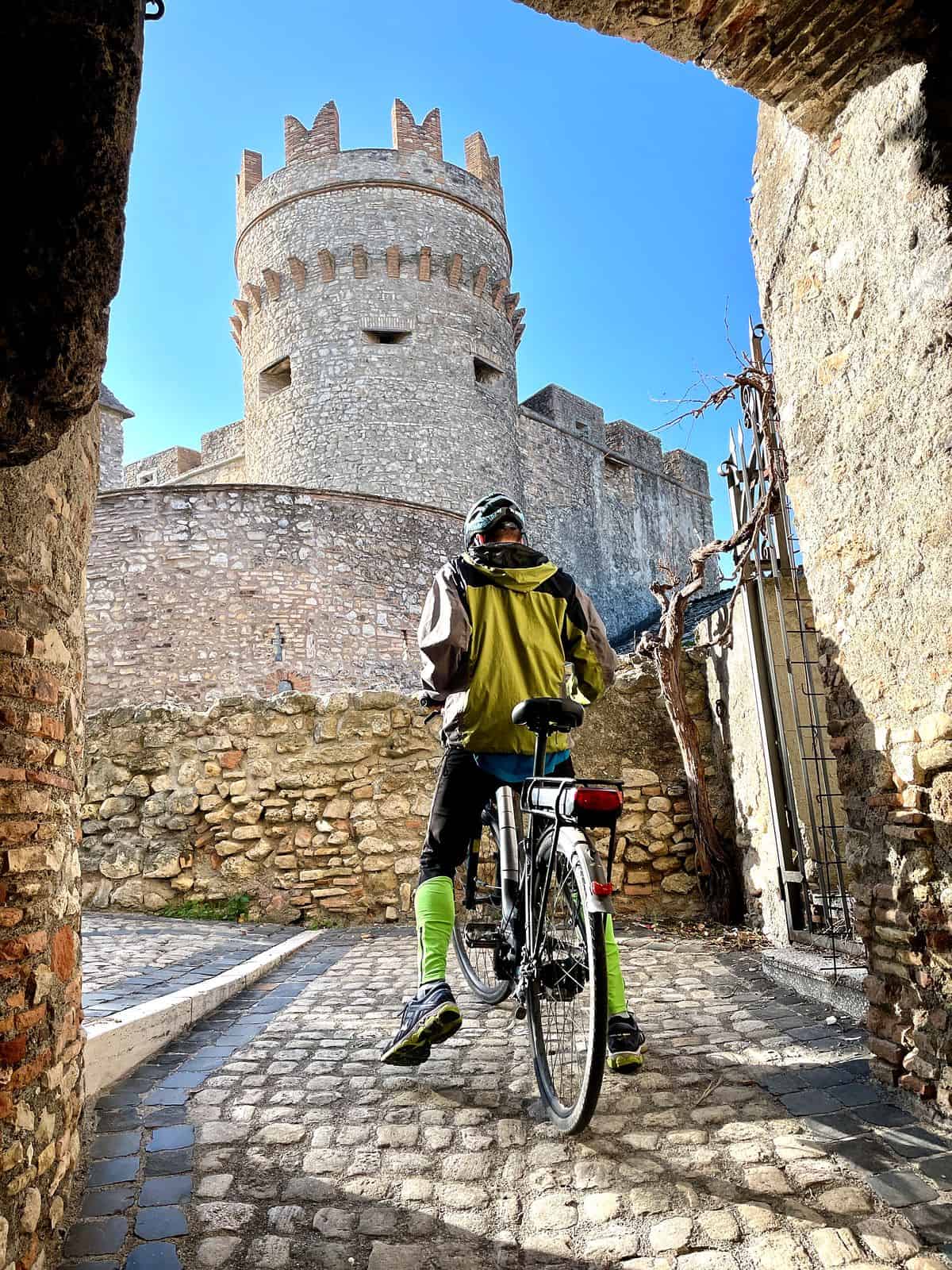
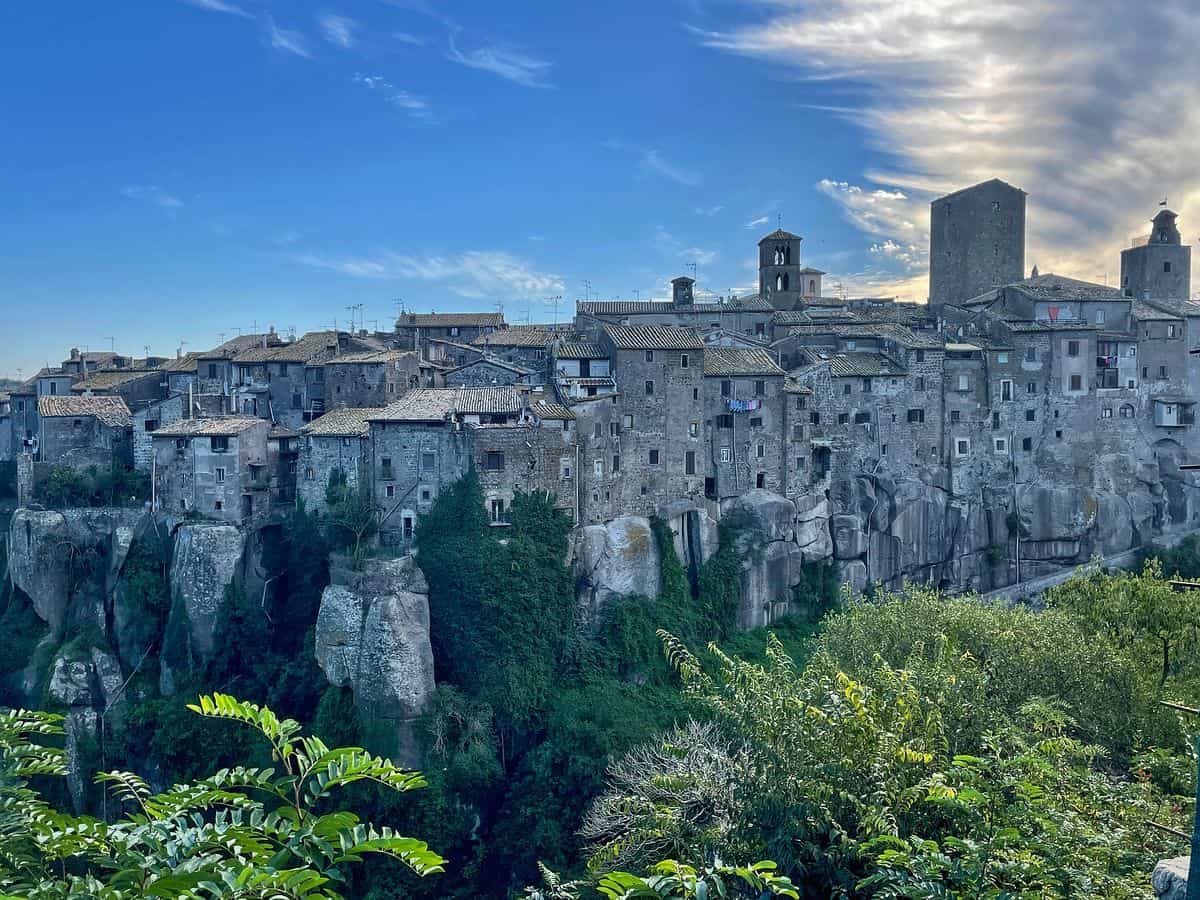
For decades, tourism development in central Italy has concentrated heavily on neighboring Tuscany and Umbria, leaving Lazio’s interior villages—often perched precariously on tufa cliffs—largely insulated from mass tourism. The newly structured itineraries aim to harness this under-visited status, offering a controlled, community-centric model of travel that emphasizes active mobility through electric bicycles and regional rail networks.
Structured Itineraries: Tuscia, Teverina, and the Tiber Valley

The newly minted tourism framework divides the region into three distinct, customizable multi-day corridors, designed to operate independently or as a comprehensive ten-day journey:

-
Tuscia and Teverina (Hill Towns and Villa Life)
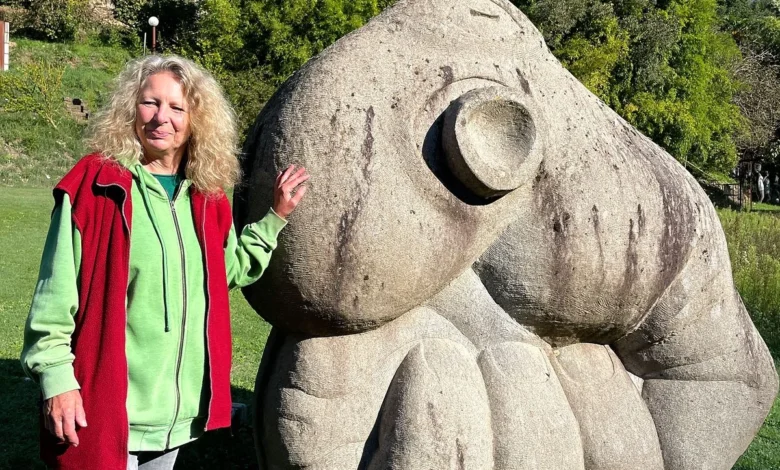
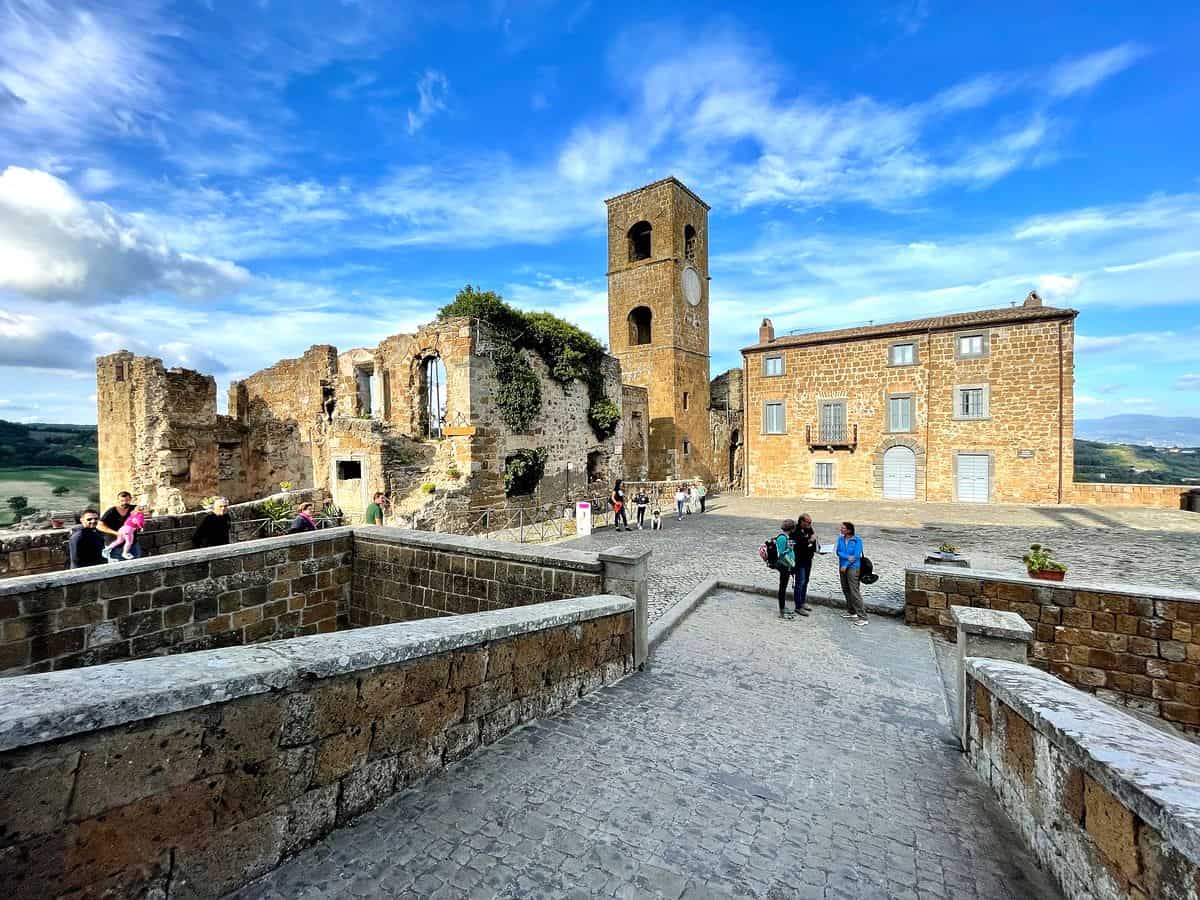
Located in northern Lazio near the Umbrian and Tuscan borders, this district is characterized by rolling hills, organic wine farms, and medieval settlements such as Civitella d’Agliano, Celleno, Roccalvecce, and Vitorchiano. Key cultural assets integrated into the route include the Trebotti organic wine farm, which utilizes volcanic terroir and sustainable production methods dating back centuries; La Serpara, a private sculpture garden and artist residency founded by artist Paul Wiedmer; and the medieval "Ghost Town" of Celleno (Il Borgo Fantasma), partially abandoned following 20th-century landslides and now functioning as an open-air historical exhibition. Accommodation along this corridor features restored historic properties such as the 18th-century Villa Lais in Sipicciano.
-
Tevere-Farfa Reserve and Nazzano (Nature and 20th-Century History)
Following the Tiber River northeast of Rome, this corridor centers on the Tevere-Farfa Natural Reserve, established as Lazio’s first protected natural area. Activities here focus on wildlife observation, canoeing, and hiking alongside historical monuments such as Nazzano Castle and the subterranean expanse of Bunker Soratte. Constructed initially between 1937 and 1939 under the directives of the Italian government, the four-kilometer tunnel complex on Mount Soratte later served as the Supreme Command post for Nazi German forces under Field Marshal Albert Kesselring during World War II, and subsequently as a classified nuclear bunker for Italian officials during the Cold War.
-
Rome’s Edge: Ostia, Fiumicino, and Isola Sacra
Concentrating on the western coastal terminus of the Tiber River, this itinerary connects the well-preserved ruins of Ostia Antica—Rome’s ancient commercial port colony—with the Imperial Harbours of Claudius and Trajan at Portus. To provide historical continuity, the route incorporates the Isola Sacra Necropolis, the Museo della Cultura Contadina (documenting early-to-mid-20th-century land reclamation projects that transformed local malaria-ridden swamps into agricultural tracts), and the ecological restoration efforts at the LIPU Oasis in Ostia, a former waste site successfully converted into a protected wetland for migratory birds.
Sustainable Tourism Framework and Local Stakeholder Integration

At the core of the Lazio Region’s initiative is a strict adherence to sustainable tourism principles, prioritizing local economic retention across accommodation, guide services, gastronomy, and equipment providers. According to project coordinators, utilizing e-bikes as the primary mode of transit alongside regional rail links substantially minimizes the carbon footprint of travelers while maximizing direct financial contributions to rural communities, artisans, and small-scale agricultural cooperatives.

Giorgia Cadinu, a professional Rome-based guide and cycling enthusiast who helped initiate the project, emphasized the educational value of connecting modern travelers directly with regional producers. Culinary stops along the routes—ranging from organic olive oil and honey farms to farm-to-table restaurants highlighting indigenous ingredients like wild porcini mushrooms, local Grechetto wines, and ancient grain pastas—serve to reinforce the cultural identity of Lazio’s micro-regions.

Analysis of Economic and Cultural Implications

The strategic promotion of Lazio’s hinterlands addresses a critical challenge facing modern Italian tourism: over-tourism in primary art cities and the parallel depopulation of rural hill towns. By distributing visitor traffic outward from Rome along historical transit corridors like the Tiber River valley, regional authorities aim to stimulate employment, encourage the private restoration of historical architecture, and preserve intangible cultural heritage.
Furthermore, the integration of educational sites such as Bunker Soratte and the industrial heritage exhibits at the Il Mulino dei Mestieri bicycle collection broadens the thematic appeal of the region beyond classical antiquities. Analysts note that while infrastructural challenges remain—particularly regarding the ongoing development and continuous maintenance of regional cycling paths like the Regina Ciclarium and Sentiero Pasolini—the structured packaging of these lesser-known assets provides a viable economic model for sustainable regional development across central Italy.

Travelers interested in booking or customizing these itineraries can coordinate through the Thybris River Experience, with tour designations structured under historical and mythological monikers including Pomona, Bona Dea, and Leucotea and Egeria.