A Luxury Sojourn in Erg Chebbi: Inside the 10-Day Moroccan Expedition to the Sahara Desert

The rising interest in immersive, high-end experiential tourism has placed remote landscapes like the Sahara Desert at the forefront of modern global travel itineraries. Among the most sought-after destinations is the Erg Chebbi dune system near Merzouga, Morocco, where travelers increasingly seek a balance between raw geographic exploration and high-end hospitality. In late October 2026, a group expedition organized by Your Limitless Adventures undertook a comprehensive exploration of this region, illuminating the logistical realities, cultural integrations, and infrastructural developments defining contemporary desert tourism in North Africa.
Geographic Context and Logistics of the Erg Chebbi Expedition
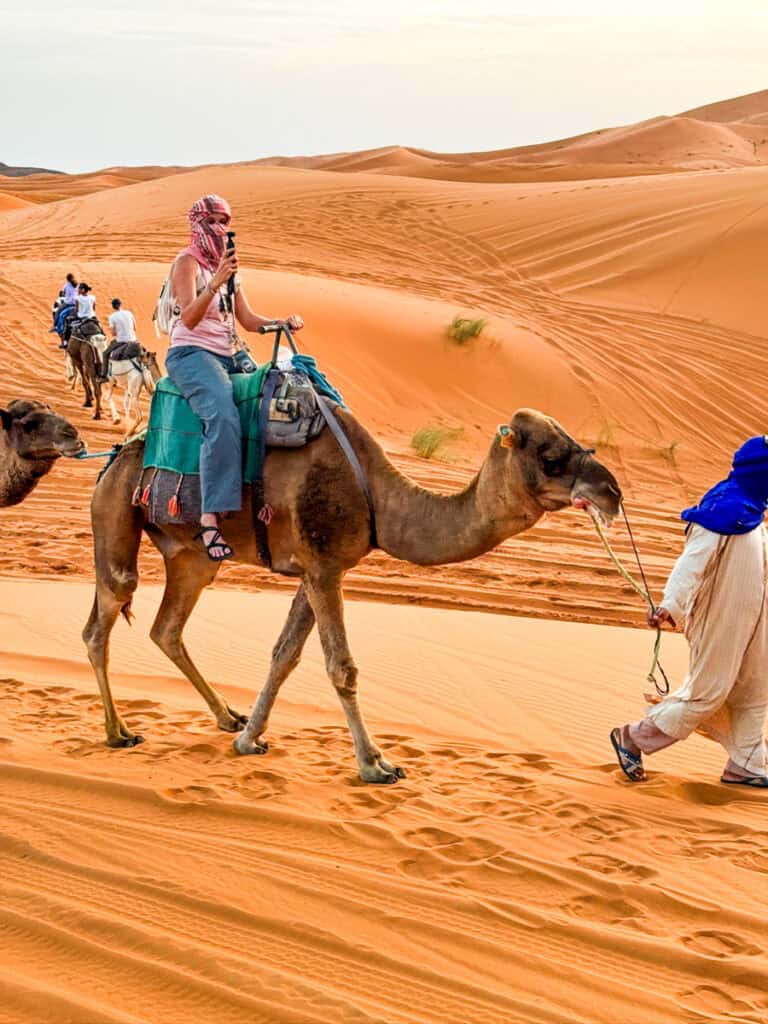
The Erg Chebbi dunes represent one of Morocco’s most iconic natural wonders, featuring towering sand formations that reach up to 150 meters in height along a 28-kilometer corridor near the Algerian border. Situated approximately 560 kilometers from Marrakech, reaching the perimeter of the dunes typically requires an eight-to-nine-hour overland transit across varying terrain, passing through historic regions such as the Dades Valley.
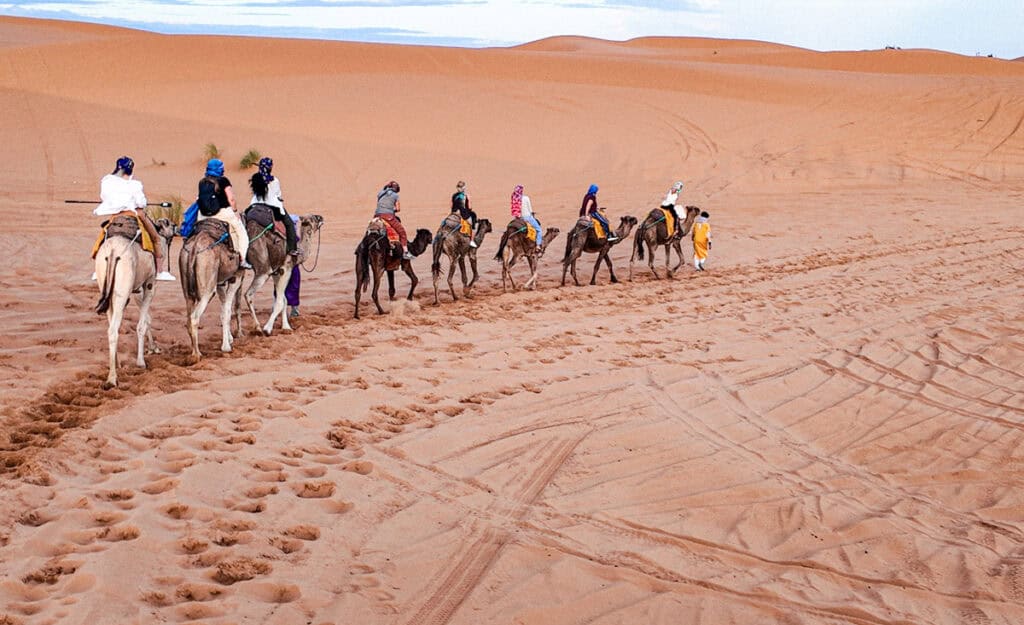
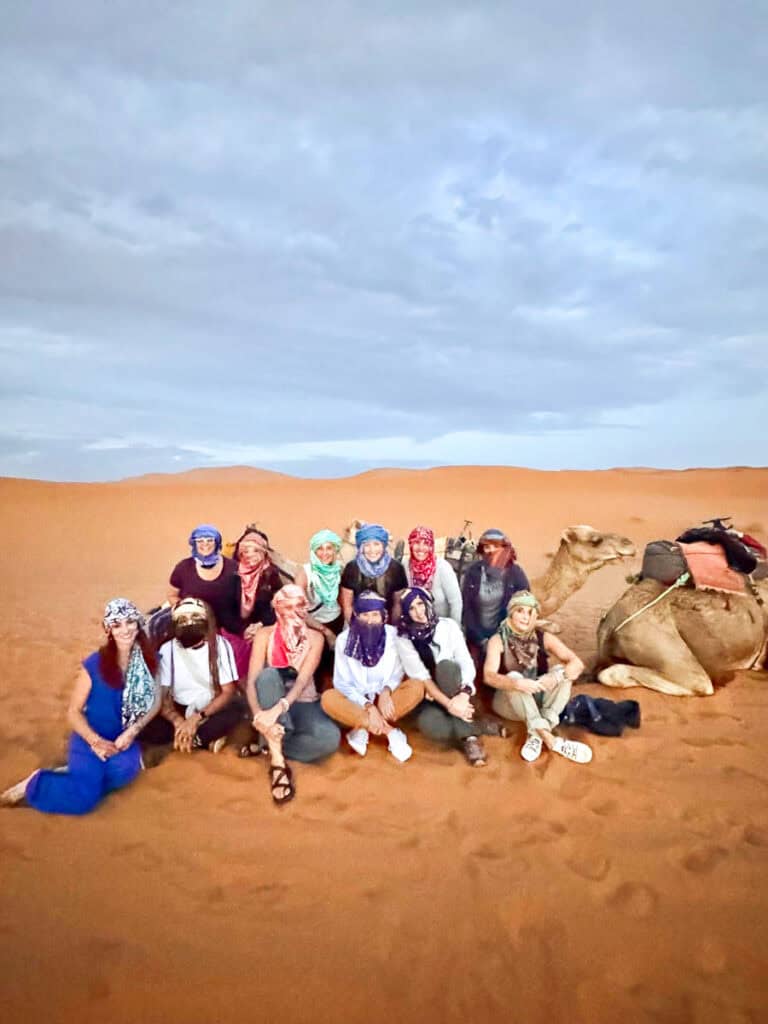
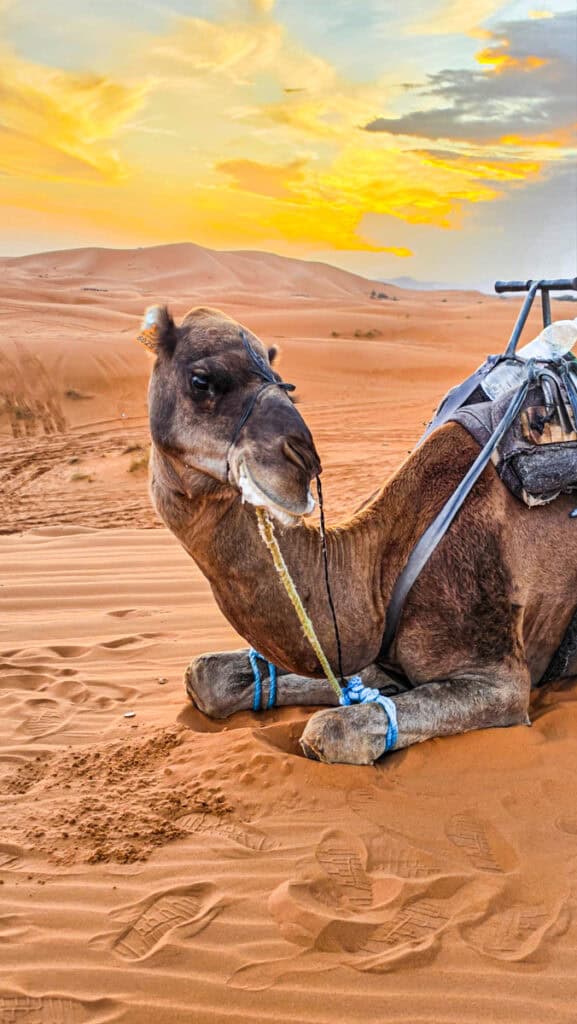
Because modern motor coaches cannot navigate the shifting sands, traditional transfer methods remain integral to the arrival experience. Travelers generally transition from highway transport to all-terrain four-wheel-drive vehicles (4×4s), which handle luggage logistics, while visitors embark on traditional dromedary camel trains for the final leg of the journey into the desert camps. This ninety-minute transition offers an introductory engagement with the landscape, though industry operators increasingly advise travelers with physical limitations regarding joint discomfort to utilize alternative 4×4 transport options.
Accommodation Standards: The Evolution of Luxury Desert Camps
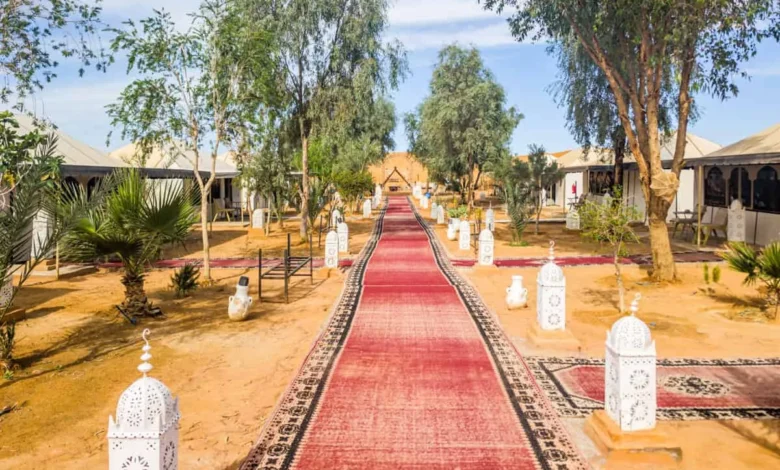
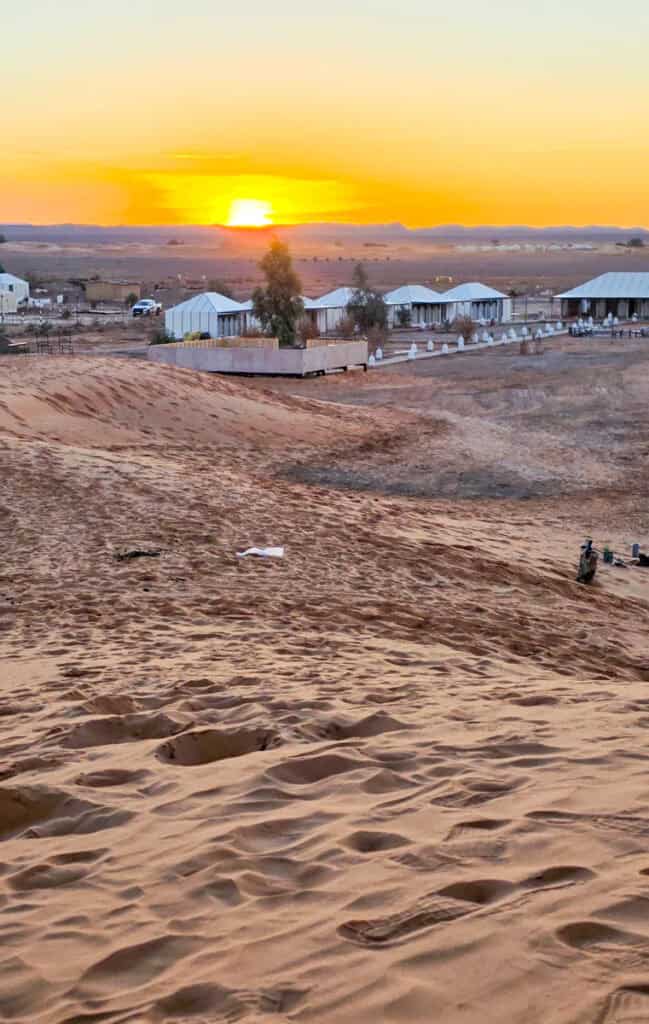
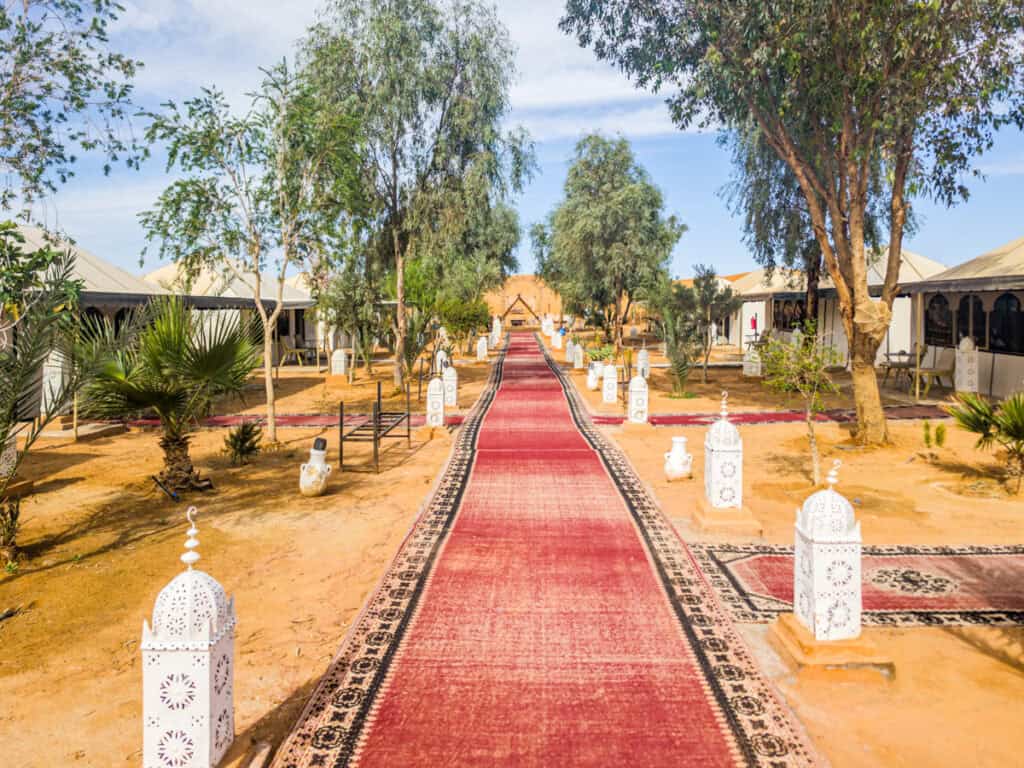
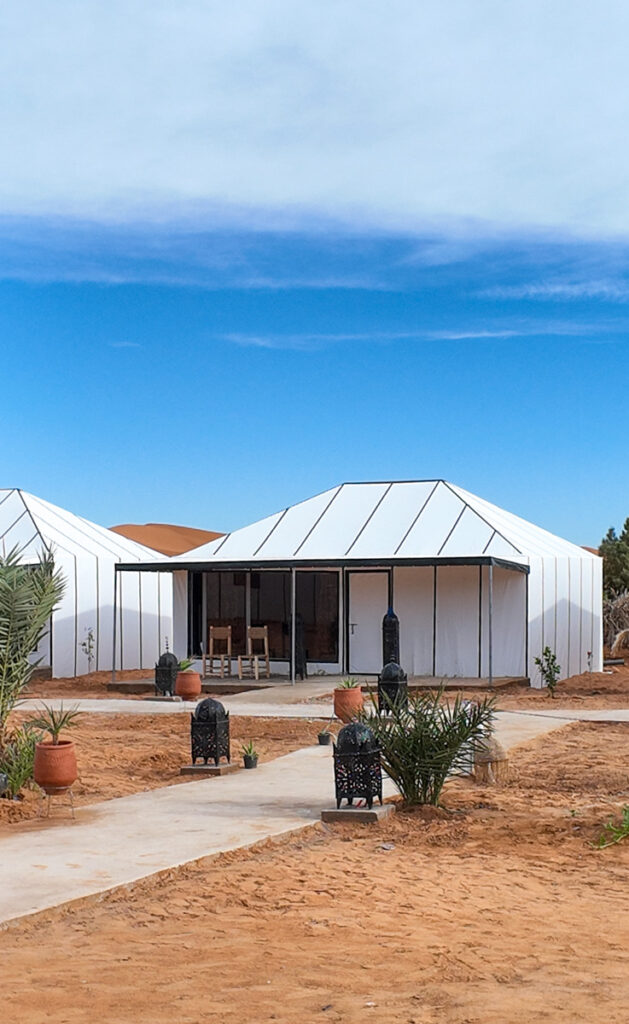
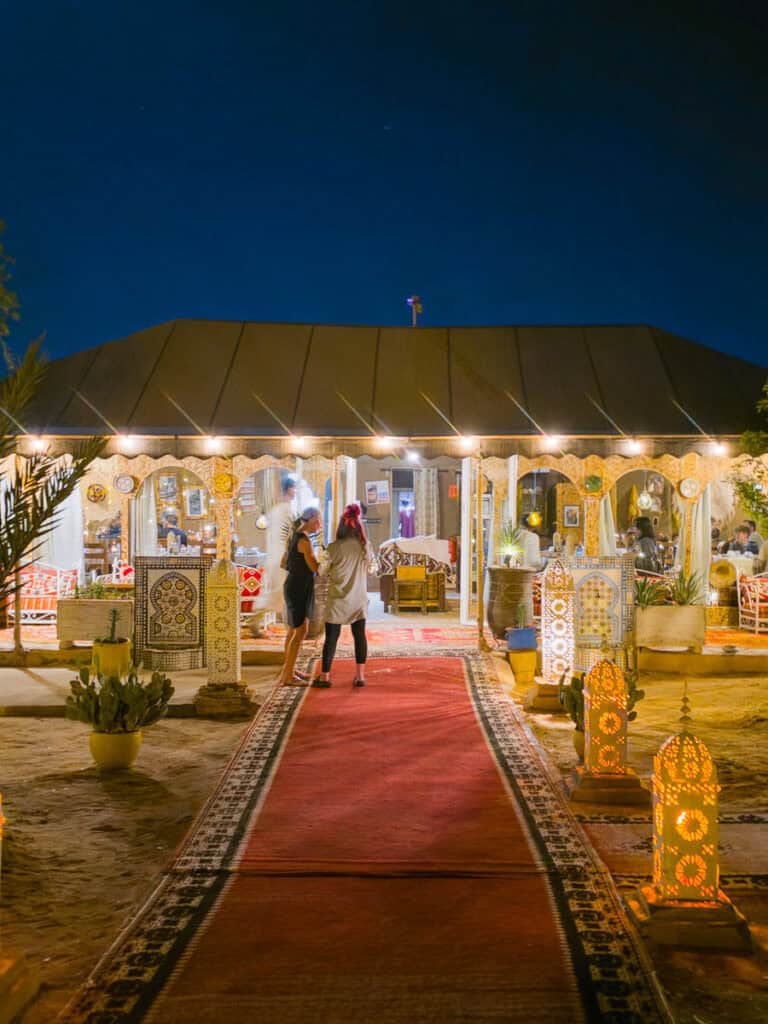
Historically associated with rudimentary nomadic setups, the Sahara desert camp model has undergone a significant infrastructural evolution. Properties such as the Sahara Majestic Luxury Camp, located on the immediate periphery of the Erg Chebbi dunes, exemplify a shift toward glamping standards that rival conventional urban boutique hotels.
Modern luxury installations feature robust canvas structures fitted with proper twin or double bedding configurations, integrated climate control, and fully plumbed private bathrooms with hot-water showers. This convergence of remote wilderness isolation and modern amenities allows operators to cater to an increasingly diverse demographic of international travelers who demand baseline comforts without sacrificing off-grid immersion.
Chronology of a Two-Day Desert Itinerary
Industry analysts and tour operators increasingly advocate for multi-night stays over single-night turnarounds to maximize the economic and experiential value of a desert expedition. A structured two-day itinerary typically encompasses the following chronology:
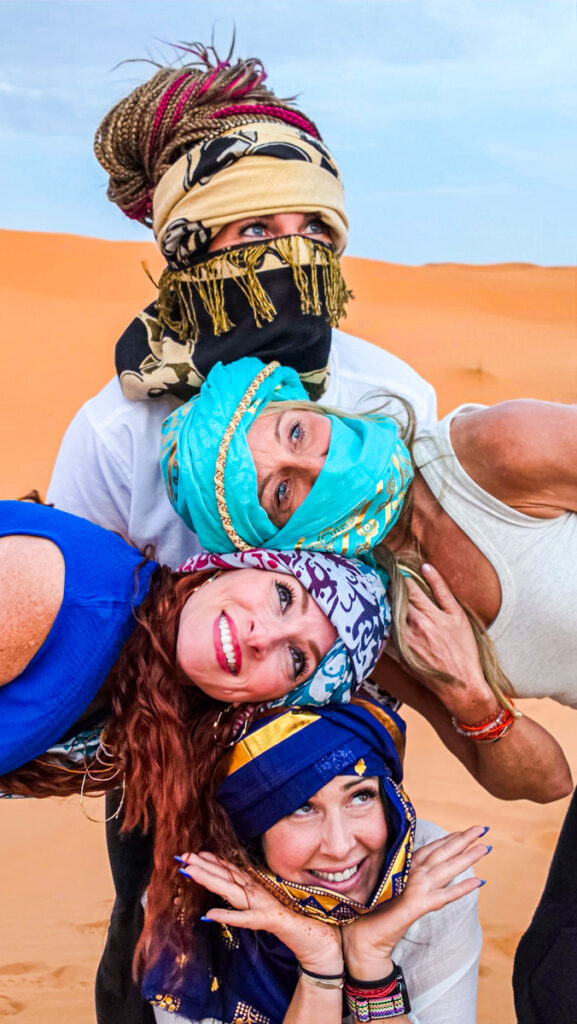
- Day One (Arrival and Sunset): Overland arrival at the dune perimeter, followed by a late-afternoon camel trek into the encampment. The evening features an orientation, local welcome refreshments, a three-course regional dinner, and an early rest schedule.
- Day Two (Exploration and Culture): Sunrise photography sessions and optional meditation on the dunes, followed by a traditional Berber breakfast. A mid-morning 4×4 excursion explores surrounding agricultural irrigation networks, local oases, and the village of Khamlia, known for its historic Gnawa music traditions. This is followed by a hosted lunch with a local nomadic family, afternoon quad biking and sandboarding on high ridges, and an evening campfire gathering featuring traditional percussion and vocal performances.
- Day Three (Departure): Final sunrise observation, breakfast, and the long-distance transit toward northern cultural hubs such as Fes.
Cultural Integration and Community-Based Tourism
A critical component of sustainable tourism development in the Merzouga region involves direct economic participation by indigenous communities. Collaborative excursions into villages like Khamlia provide travelers with educational contexts regarding the historical lineage of Gnawa music—recognized by UNESCO as part of the Intangible Cultural Heritage of Humanity—which is performed by descendants of sub-Saharan populations historically connected via trans-Saharan trade routes.
Furthermore, organized visits and shared meals with semi-nomadic Berber families offer economic reciprocity, ensuring that the influx of international tourism directly benefits the populations inhabiting the harsh desert environment. These families typically practice seasonal transhumance, migrating to cooler mountainous regions during the peak summer heat when daytime temperatures routinely exceed 40°C (104°F), and returning to the desert lowlands during the milder autumn and winter months, when nighttime temperatures can occasionally drop toward freezing.
Dietary Accommodations and Specialized Logistics
The globalization of adventure travel has necessitated rigorous standards for dietary compliance in remote locations. Modern desert camps in Morocco demonstrate high levels of preparedness regarding specific nutritional requirements, such as gluten-free diets. Kitchen staff regularly coordinate with tour guides to provide alternative meal structures, utilizing natural regional staples such as tagines, grilled meats, and vegetable-based dishes. Advance communication between tour operators and camp management remains essential to ensure that specialized ingredients—such as gluten-free bread substitutes—are sourced prior to arrival in isolated regions.
Economic Implications and Industry Outlook
The expansion of luxury desert camps and structured adventure activities—including quad biking, sandboarding, and guided cultural tours—highlights a broader diversification within Morocco’s tourism sector. By moving beyond traditional urban sightseeing in Marrakech, Fes, and Chefchaouen, travelers are contributing to regional economies in southeastern Morocco.
Industry stakeholders note that extended stays of two to three nights in the Sahara significantly enhance visitor satisfaction, transforming the desert from a mere transit corridor into a destination for deep environmental reflection and cultural exchange. As international demand for experiential and active travel continues to rise, the infrastructure surrounding Erg Chebbi serves as a benchmark for balancing ecological preservation with high-end hospitality standards in fragile environments.