Travel Industry Rebounds as Summer Tourism Surges Across North America and Europe


The commencement of the summer travel season has triggered a substantial uptick in international tourism, marked by a confluence of major sporting events, regional heat waves, and cross-border mobility. Industry analysts note that June served as a bellwether for what is projected to be one of the busiest travel periods in recent years, driven by pent-up consumer demand and large-scale cultural gatherings.

Transatlantic travel corridors experienced significant volume throughout the month, particularly between Central Europe and the northeastern United States. Tourism boards in major metropolitan areas, including Boston and New York, reported high occupancy rates and increased foot traffic in commercial districts, propelled by concurrent scheduling of international sports tournaments and seasonal events.
Main Facts and Transatlantic Mobility
The early summer travel period was characterized by a surge in visitors traversing the Atlantic. Boston emerged as a primary hub during the opening weeks of June, coinciding with the group stages of the international football World Cup. The influx of international supporters—most notably the Scottish fan contingent known as the Tartan Army—resulted in a temporary revitalization of hospitality and service sectors across Massachusetts and neighboring Maine.

Concurrently, domestic travel within the United States saw heavy utilization of regional transit networks. In New York City, infrastructure adaptations, such as the increased integration of the George Washington Bridge bus station for Upper Manhattan arrivals, demonstrated shifting commuter and traveler preferences aimed at bypassing congested midtown bottlenecks.
Chronology of Events
The month’s travel and cultural timeline unfolded through several key milestones:
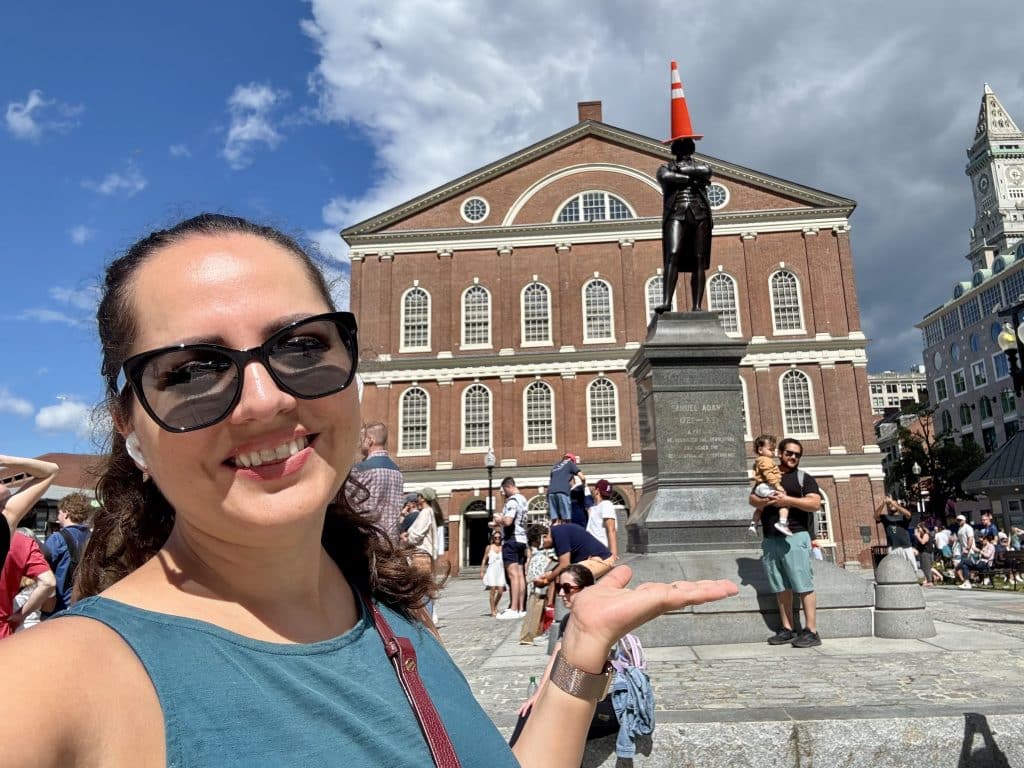
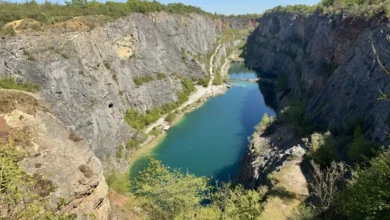
- Early June: The travel period commenced with a relocation from Prague to the northeastern United States, establishing base camps in Boston and the Greater Boston area.
- Mid-June: The peak of the World Cup tournament drew tens of thousands of international supporters to New England. High-profile public gatherings and regional excursions, including visits to coastal Maine and local cultural landmarks, marked this period.
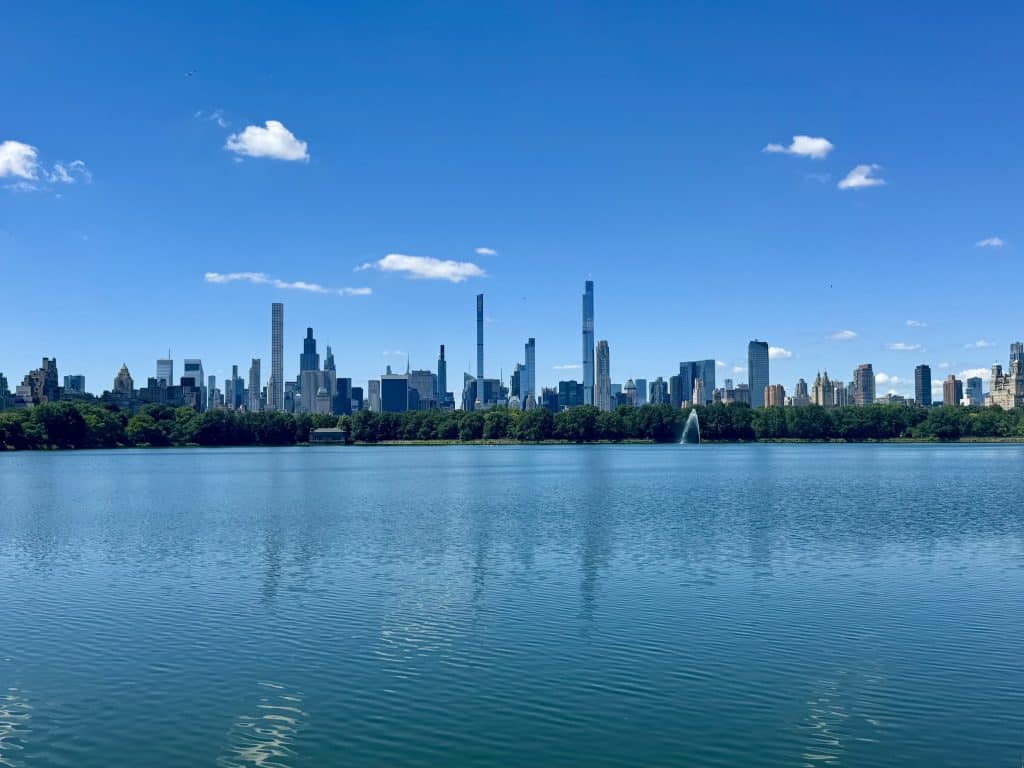
- Late June: Travel shifted to New York City, featuring urban pedestrian initiatives such as the complete traversal of Manhattan’s Broadway corridor. This preceded a return to Central Europe amid escalating meteorological disruptions.
- 下旬 June: A severe European heat wave necessitated localized emergency measures, including temporary relocation into climate-controlled commercial lodging and adjustments to municipal transit usage.
Supporting Data and Meteorological Impacts
The logistical framework of June travel was severely tested by persistent, record-breaking high temperatures spanning Central and Western Europe. Meteorological agencies across the continent recorded consecutive days of extreme heat, placing strains on urban infrastructure that historically lacks widespread residential air conditioning due to architectural constraints, such as exceptionally high ceilings in pre-war European housing stock.
In Prague, the prolonged thermal anomaly forced both residents and visitors to seek alternative accommodations. Local hospitality providers reported a spike in short-term bookings as households transitioned to commercial facilities equipped with industrial-grade climate control systems. Public transportation systems similarly faced operational challenges, exemplified by localized transit incidents where delayed responses to rolling stock management during peak temperatures resulted in temporary passenger entrapment.

Public Reactions and Cultural Engagement
The convergence of international sports fans and local communities generated notable economic and social engagement. Municipal leaders in Boston and Portland, Maine, highlighted the positive fiscal impact of the visiting football supporters, whose prolonged stays bolstered local pub, restaurant, and retail revenues. Economists frequently measure these sporting events as short-term stimuli for municipal service economies.
Cultural consumption also reflected broader demographic shifts. In the literary and entertainment sectors, public engagement remained high, with audiences participating in retrospective media consumption—such as global music catalog reviews and contemporary domestic literature—providing insight into post-pandemic cultural trends. Public discourse on social media platforms mirrored these trends, with viral digital campaigns fostering international dialogue, exemplified by cross-cultural exchanges between American residents and visiting European supporters.
Broader Impact and Industry Implications
The events of June 2026 offer several key takeaways for the global tourism and hospitality sectors:
- Infrastructure Resilience: Cities hosting major international events must continue to stress-test their public transit and crowd management systems, particularly under the duress of extreme weather events linked to climate change.
- Pet-Inclusive Hospitality: The rising demand for pet-friendly travel accommodations—evidenced by the increasing necessity to house domestic animals in climate-controlled hotels during heat waves—highlights an expanding niche market that traditional hoteliers are increasingly required to service.
- Urban Walkability and Green Spaces: The heavy utilization of urban parks, such as Boston’s Emerald Necklace and New York’s Central Park and Broadway corridors, underscores a sustained public preference for pedestrian-centric urban exploration, requiring municipal planners to prioritize shade, hydration stations, and climate mitigation infrastructure in public rights-of-way.
As the summer calendar progresses toward July, tourism authorities anticipate sustained momentum, supported by complex multi-nation road itineraries, cross-border family events, and regional cultural festivals across Europe and North America.