Vertical Adventure Tourism Surges in Bosnia and Herzegovina as Via Ferrata Networks Expand Across Sarajevo and Mostar

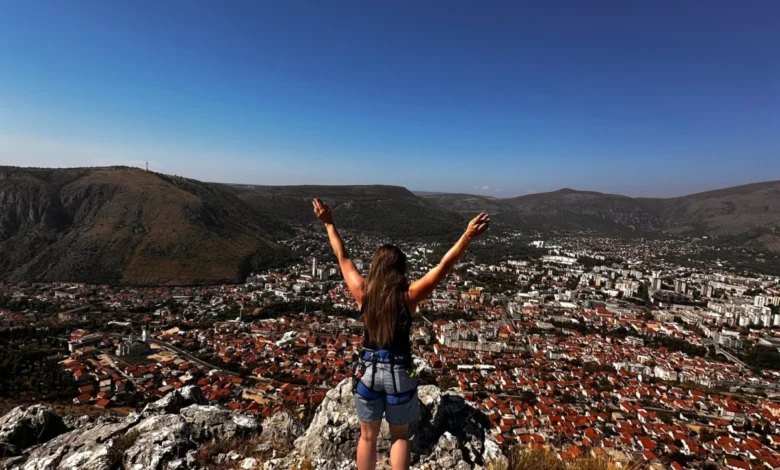
Bosnia and Herzegovina is rapidly emerging as a premier destination for vertical adventure tourism, driven by the systematic development and international certification of via ferrata routes across Sarajevo and Mostar. Traditionally known for its rich Ottoman architecture, post-industrial history, and culinary heritage, the Balkan nation is successfully repositioning itself as a hub for non-technical alpine sports. Local outdoor outfitters, municipal tourism boards, and regional development agencies have coordinated efforts to establish secure, steel-cable-secured climbing paths, expanding outdoor recreation access for both domestic enthusiasts and international adventure travelers.
This infrastructure expansion has transformed regional tourism demographics. Historically, visitors experienced Mostar primarily from the base of the historic Stari Most (Old Bridge) or viewed the city from the foothills of Mount Hum, identifiable by its prominent white cross. Similarly, Sarajevo’s vertical geography was predominantly appreciated via the Trebević cable car or hikes along the remnants of the 1984 Winter Olympics bobsled track. The integration of engineered via ferrata—translating from Italian as "iron path"—has opened up previously inaccessible limestone cliffs to participants without advanced rock-climbing credentials.

The technical evolution of these routes began in earnest over the past decade, aligning with broader European trends toward controlled-risk adventure sports. Local guiding companies, such as Bosnia Outdoor Adventures (BOA), have standardized five primary routes spanning the two urban centers: Hum and Fortica in Mostar, and Trebević, Bukovik, and Sokolov Put in the Sarajevo region. These installations feature continuous steel cables anchored directly into limestone rock faces, supplemented by iron rungs, pegs, and suspension bridges that bridge natural chasms.
From a safety and regulatory standpoint, these routes are graded internationally from A (protected walking terrain) to E (extremely steep and strenuous). The networks developed in Bosnia and Herzegovina generally fall within the A/B to B/C grading spectrum. This calibration specifically accommodates novices, families with children aged seven and older, and intermediate climbers. Participants utilize specialized safety gear, including a certified climbing harness, a helmet, and a via ferrata lanyard equipped with an energy absorber and dual carabiners. The mechanical design ensures that a climber maintains at least one continuous physical connection to the safety cable throughout the ascent.
Regional Route Profiles and Technical Specifications
The expansion encompasses distinct climbing environments, each presenting varying physical demands, logistical considerations, and panoramic perspectives over historical cityscapes.

Mostar Sector: Hum and Fortica
In Mostar, the geographical dichotomy between ground-level tourism and vertical exploration is stark.
- Via Ferrata Hum: As the more demanding of the Mostar installations, Hum features approximately 600 meters of continuous steel cable and a vertical height gain of roughly 350 meters. The route incorporates three suspension bridges that traverse exposed gaps, progressively elevating climbers above the Neretva River valley. The ascent concludes with expansive views encompassing the Old Bridge, regional minarets, and the southern drainage basin toward the Adriatic coast. Climbers face steady, non-technical physical exertion rather than severe bouldering cruxes. Due to its exposure on bare limestone, summer temperatures necessitate early morning or late afternoon ascents, whereas spring and autumn offer optimal conditions.
- Via Ferrata Fortica: Situated on the same hillside, Fortica serves as an accessible introduction to vertical movement. Spanning approximately 200 meters of cable with an 80-meter vertical gain, the route holds an A/B grade and averages a 30-minute completion time. Designed to accommodate families and beginners, the path includes a swinging suspension bridge and terminates near the Fortica Skywalk, a glass-floored observation deck equipped with visitor amenities.
Sarajevo Sector: Trebević, Bukovik, and Sokolov Put
Sarajevo’s surrounding mountains offer diverse microclimates and geological formations, ranging from forested parklands to sheer alpine precipices.
- Via Ferrata Trebević (Bijele Stijene): Rising directly above the urban center, this route utilizes approximately 180 meters of cable with a 90-meter height gain, graded B/C. Following a 15-minute approach through beech forests, climbers navigate a shaded lower section before emerging onto exposed white limestone cliffs. The route is frequently combined with post-climb visits to the abandoned Olympic bobsled track and operates primarily between April and October.
- Via Ferrata Bukovik (Skakavac Nature Park): Located north of Sarajevo, Bukovik represents the region’s gentler alpine offering, graded B. Featuring 105 meters of cable and a 70-meter vertical gain within a shaded forest canopy, it provides an ideal controlled environment for beginners to master the mechanics of clip-and-advance systems. It is commonly paired with treks toward the 98-meter Skakavac Waterfall.
- Via Ferrata Sokolov Put (Romanija Mountain): Situated approximately 28 kilometers east of Sarajevo, Sokolov Put represents the most committing route in the national network. Graded B/C, it extends across 350 meters of cable with a 160-meter height gain, requiring a 20-minute approach and a 90-minute climbing duration. The route traverses deep ravines via suspension bridges and demands prior experience or professional guide accompaniment due to its remote alpine environment.
Economic Implications and Tourism Industry Analysis
The proliferation of via ferrata infrastructure has generated measurable economic diversification for local communities in Bosnia and Herzegovina. Tourism authorities note that these adventure-sport investments successfully extend the average length of visitor stays. Historically, Mostar operated primarily as a day-trip destination for travelers originating from coastal hubs in Croatia, such as Dubrovnik and Split. The introduction of engineered climbing routes encourages overnight stays, directly benefiting local hospitality providers, gear rental operations, and regional transport services.

Industry analysts emphasize that adventure tourism serves as a catalyst for sustainable rural and semi-urban development. Unlike mass tourism, which concentrates strictly on historical city centers, vertical routes draw visitors into surrounding natural parks and municipal buffer zones. This spatial distribution reduces urban congestion while creating specialized employment opportunities for certified mountain guides, rescue personnel, and equipment rental technicians.
Furthermore, the integration of standardized safety protocols has positioned Bosnia and Herzegovina favorably within the broader European adventure travel market. Outfitters enforce strict environmental preservation policies, requiring climbers to pack out all waste and adhere to marked routes to protect fragile limestone ecosystems and endemic flora.
Safety Standards and Guidelines for Practitioners
While via ferrata networks democratize access to alpine terrain, mountain rescue services and guiding associations emphasize adherence to established safety protocols.

- Equipment Certification: Practitioners must utilize Union Internationale des Associations d’Alpinisme (UIAA) or European Committee for Standardization (CEN) certified kits, specifically energy-absorbing lanyards, dynamic climbing helmets, and robust harnesses. Makeshift or uncertified climbing gear presents severe safety risks.
- Weather Vigilance: Because routes consist entirely of galvanized steel cables and iron rungs fixed to exposed limestone, they act as lightning conductors during convective storms. Wet limestone significantly diminishes footwear traction, making ascents during rainfall hazardous.
- Self-Assessment and Guidance: Novice participants are strongly advised to engage certified local guides or select introductory routes—such as Fortica or Bukovik—to gain proficiency in equipment handling before attempting committing alpine routes like Sokolov Put or Hum. Gear rental hubs established in Sarajevo and Mostar provide complete safety kits for independent travelers meeting baseline fitness and experience requirements.
As regional investment in outdoor infrastructure continues, Bosnia and Herzegovina’s via ferrata network stands as a model for modern adventure tourism development, effectively bridging historical heritage with contemporary alpine recreation.