Beyond the Golden Route: A Deep Dive into Japan’s Seto Inland Sea and Shikoku’s Hidden Wonders

The Japanese tourism landscape has long been defined by the "Golden Route"—the well-trodden path connecting Tokyo, Kyoto, and Osaka. However, a shift in travel patterns, supported by government initiatives to promote regional revitalization, is steering international visitors toward the Seto Inland Sea and the island of Shikoku. This region, characterized by historic canal districts, contemporary art islands, and rugged mountain valleys, offers an alternative narrative of Japan that balances industrial heritage with deep-rooted traditionalism.
The Historic Architecture and Industrial Evolution of Kurashiki
The journey begins in Kurashiki, Okayama Prefecture, an area that historically served as a critical hub for the shogunate’s rice distribution during the Edo period (1603–1867). The Bikan Historical Quarter remains one of the best-preserved examples of this era, featuring traditional white-walled storehouses, known as kura, which were once used to store grain.
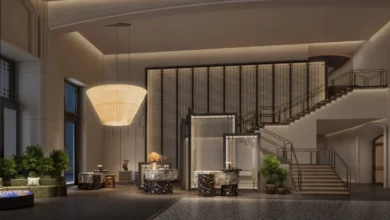
Modern-day Kurashiki has successfully integrated this heritage into the contemporary economy. The Kurashiki Kokusai Hotel, a cornerstone of the city’s hospitality sector, maintains cultural continuity by hosting the works of Shikō Munakata, a legendary woodblock artist whose influence on the mingei (folk art) movement remains significant.
A short distance from the canal district lies Kojima, recognized as the birthplace of Japan’s premium denim industry. Data from the Japan Textile Association suggests that Kojima’s denim production accounts for a substantial portion of the high-end denim market globally, prized for its use of traditional indigo-dyeing techniques. The Betty Smith Jeans Museum & Village provides a tangible look at this manufacturing legacy, allowing visitors to engage with the manual labor processes that define the region’s specialized craftsmanship. This focus on "hands-on" tourism is a strategic effort by local authorities to move beyond passive observation and encourage deeper engagement with regional manufacturing history.
The Intersection of Contemporary Art and Coastal Geography
Transitioning from Okayama to the Kagawa Prefecture, the focus shifts to Naoshima, an island that has undergone a radical transformation over the last three decades. Once a declining industrial island, Naoshima was reimagined through the Benesse Art Site project, a long-term initiative to integrate contemporary art into the natural environment.
The island’s architectural identity is largely defined by Pritzker Prize-winning architect Tadao Ando. His concrete structures, including the Chichu Art Museum and the Benesse House, are intentionally embedded into the island’s topography to minimize environmental impact. The recently inaugurated Naoshima New Museum of Art further cements the island’s position as a global art destination. According to recent tourism reports, Naoshima attracts hundreds of thousands of visitors annually, significantly bolstering the local economy of Kagawa and influencing the "art island" development models seen in other parts of Asia.
Ritsurin Garden and the Preservation of Traditional Aesthetics
In Takamatsu, the prefectural capital of Kagawa, the Ritsurin Garden stands as a testament to the landscape design principles of the Edo period. Commissioned by the local feudal lords (daimyo) of the Sanuki province, the garden required over 100 years to complete. Its design utilizes the concept of shakkei, or "borrowed scenery," which integrates the backdrop of Mount Shiun into the garden’s layout.
Contrasting this traditional aesthetic is the Isamu Noguchi Garden Museum. Noguchi, a Japanese American sculptor, maintained his studio in Mure, Takamatsu, for decades. The preservation of his workspace offers researchers and visitors a rare look at the intersection of Japanese stone-carving traditions and Western modernist influences. The museum acts as a critical archive of his creative process, serving as a reminder of the global exchange of artistic techniques that occurred during the mid-20th century.
The Iya Valley and the Preservation of Remote Heritage
Moving westward into the mountainous core of Tokushima Prefecture, the Iya Valley presents a stark contrast to the coastal regions. Once a refuge for defeated samurai clans, the valley’s geography has allowed it to retain a distinct cultural isolation.
The Tougenkyo-Iya project represents a vital effort in rural conservation. By restoring centuries-old thatched-roof farmhouses, the project prevents the loss of local vernacular architecture that would otherwise succumb to abandonment due to Japan’s aging and declining rural population. The economic model here is one of "slow tourism," encouraging longer stays and a reduced environmental footprint, which is increasingly favored by sustainable tourism advocates.
Natural Phenomena and Coastal Resilience: The Naruto Whirlpools
The Naruto Whirlpools, situated in the Naruto Strait, represent a significant natural feature caused by the tidal interaction between the Seto Inland Sea and the Pacific Ocean. The phenomenon occurs when the tide moves between the narrow passage of the Naruto Strait, creating currents that can reach speeds of up to 20 kilometers per hour.
The Uzu no Michi walkway, built beneath the Onaruto Bridge, allows for safe observation of this event. From a logistical perspective, the site is a critical point for local infrastructure, as the bridge serves as the main transit artery connecting Shikoku to the main island of Honshu. The regional government closely monitors the bridge’s impact on the local ecosystem while leveraging the whirlpools as a primary draw for regional tourism.
Awaji Island: Agriculture and Spiritual Wellness
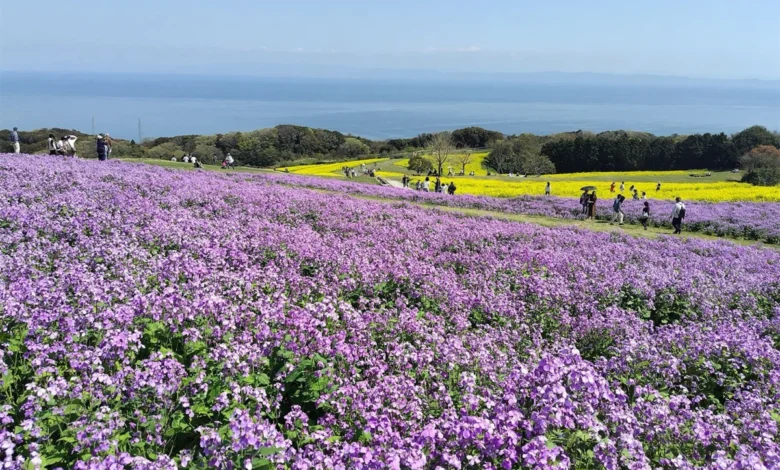
Awaji Island serves as a bridge between the mainland and the island of Shikoku. Its role in the regional economy has evolved from agriculture to a mix of tourism and wellness-focused development. The Awaji Hanasajiki flower gardens are emblematic of the island’s shift toward high-traffic tourism.
More significantly, retreats such as Zenbo Seinei reflect a growing trend in Japan—the commodification of traditional spiritual practices for the modern traveler. Guided meditation and tea ceremonies held in architecturally significant, open-air settings provide a controlled environment for visitors to engage with Japanese Buddhist traditions. This trend mirrors the broader national interest in "wellness tourism," a sector the Japan Tourism Agency is actively promoting to diversify the appeal of rural prefectures.
Broader Impact and Future Implications
The transition from the serenity of the Iya Valley and Awaji Island back to the hyper-urban density of Osaka serves as a poignant reminder of the demographic and geographic dualities present in contemporary Japan. While the major metropolises continue to drive the bulk of international tourism, the Setouchi region provides a necessary alternative.
The implications for regional development are significant. By diversifying the tourism portfolio away from the Golden Route, local governments in Kagawa, Okayama, and Tokushima are better equipped to combat the economic effects of rural depopulation. The success of art-focused islands like Naoshima and the preservation efforts in the Iya Valley indicate that specialized, niche-oriented tourism can be a viable strategy for sustainable development.
However, this growth brings challenges. Maintaining the authenticity of the cultural assets—whether they are centuries-old vine bridges or modern contemporary art installations—requires careful management. As international interest in these "off-the-beaten-path" destinations increases, the challenge for local officials will be to scale up infrastructure without compromising the very qualities that draw visitors to the region in the first place.
Ultimately, the Setouchi region offers a microcosmic view of Japan’s future: a nation attempting to harmonize its profound traditional heritage with the demands of a globalized, modern economy. For the traveler, this route is not merely a collection of scenic spots, but a chronological and cultural journey through the layers of Japanese history.