The modern freelance economy has undergone a significant transformation since 2019, evolving from a supplementary income stream for many into a primary career path for millions globally. According to recent data from Upwork’s "Freelancing in America" report, the freelance workforce has grown to include approximately 60 million Americans, contributing roughly $1.27 trillion to the U.S. economy annually. As this professional sector expands, the necessity for robust digital infrastructure to manage operations, health, and client relations has become paramount for solo entrepreneurs.

The Evolution of Freelance Tooling
The shift toward remote and distributed work has necessitated a departure from manual administrative tasks. Historically, freelancers relied on disparate spreadsheets and paper-based accounting. Today, the landscape is defined by integrated Software-as-a-Service (SaaS) platforms that centralize project management, financial tracking, and secure communication. Industry experts note that the average independent professional now utilizes between five and ten specific software applications to maintain business continuity.
Time Management and Operational Efficiency
Time remains the most valuable commodity for the self-employed. Data indicates that freelancers often lose up to 15% of their billable hours to administrative friction. To combat this, professionals are increasingly adopting automated time-tracking software.

Clockify and Toggl stand as the industry leaders in this category. These platforms allow for precise time-logging against specific client projects, providing the empirical data required to adjust pricing structures. By analyzing time-spent metrics, freelancers can identify "scope creep"—a common issue where project demands exceed initial agreements—and adjust their rates accordingly.
For task management, ClickUp, Asana, and Todoist provide the architecture necessary for complex workflows. Asana, in particular, has seen a surge in adoption among social media managers and creative agencies due to its ability to visualize long-term content calendars. These tools reduce the cognitive load of juggling multiple deadlines, allowing for a structured, daily operational output.
Financial Health and Invoicing Infrastructure
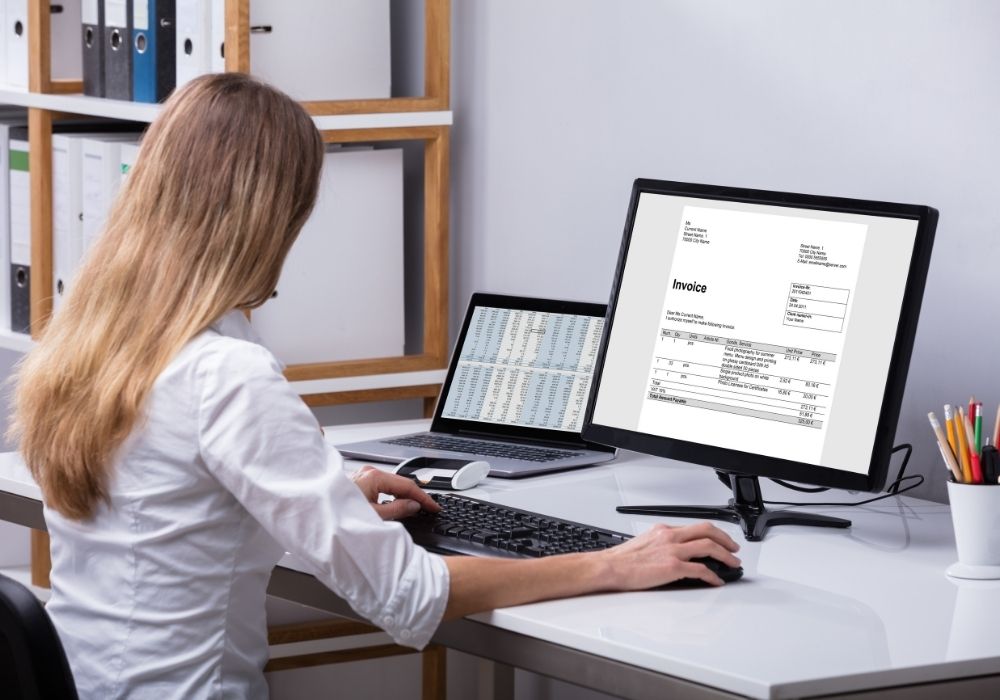
Financial stability for freelancers depends on the speed and accuracy of payment processing. Delayed invoicing is a primary cause of cash flow volatility. Professional-grade invoicing software has replaced traditional billing methods, with platforms like HoneyBook, Wave, and QuickBooks offering automated payment reminders and recurring invoice features.
Market analysis shows that automating the "Accounts Receivable" process can reduce late payments by approximately 20-30%. HoneyBook serves as an all-in-one client management system (CMS), integrating booking, invoicing, and contract management. Meanwhile, Wave remains the preferred choice for those requiring robust financial accounting capabilities alongside simple invoicing. For smaller, one-off projects, PayPal remains a global standard, favored for its ubiquity and the trust factor it carries with international clients.

Communication Standards in the Digital Office
The decline of synchronous, office-based communication has led to the rise of specialized digital messaging. Slack has become the enterprise standard for real-time team collaboration, while Voxer offers a unique "walkie-talkie" approach that allows for asynchronous voice messaging—a feature that reduces the need for back-and-forth email chains.
Perhaps the most significant shift in client communication is the use of video-based documentation. Loom, a screen-recording software, has become an essential tool for providing client tutorials and project updates. By recording both the screen and the presenter simultaneously, freelancers can provide high-touch support without the necessity of a live meeting. Industry data suggests that video-based support can reduce the total time spent on client training by nearly 40%.

Maintaining Professional Wellbeing
The blurring of lines between home and office has heightened the importance of health-focused digital tools. With the sedentary nature of remote work, applications like Nike Training Club and Peloton have been integrated into the daily routines of the freelance workforce. These apps provide structured, equipment-optional fitness routines that cater to the limited timeframes of independent contractors.
Furthermore, mental health and mindfulness, facilitated by platforms like Yoga for Beginners, are being recognized as vital to preventing burnout. Wearable health technology, such as the WHOOP band, provides biometric data that helps professionals track recovery, sleep quality, and physiological stress—critical metrics for individuals whose income is directly tied to their ability to perform.

Organizational Tools for Digital Asset Management
Effective document management is the bedrock of professional credibility. Google Drive remains the dominant force in cloud storage due to its seamless integration with productivity suites and its familiar interface. However, for those managing large creative files, Dropbox offers a more specialized environment for high-capacity storage.
Security is another critical pillar of the organizational stack. LastPass has emerged as a essential utility for securely sharing credentials with clients. As cyber threats against small businesses continue to rise, the use of enterprise-grade password management is no longer optional but a standard requirement for maintaining professional security protocols.

Strategic Sourcing and Market Access
Even with the best operational tools, the success of a freelance business depends on client acquisition. Platforms such as Upwork have institutionalized the process of finding work, providing a centralized marketplace where contracts, disputes, and payments are managed under a single umbrella.
According to labor economists, these platforms have lowered the barriers to entry for global talent while simultaneously providing a layer of protection for businesses looking to outsource. However, the reliance on such platforms requires a high degree of digital literacy and the ability to curate a professional online profile that stands out in a competitive global marketplace.

Future Implications for the Freelance Economy
The proliferation of these tools suggests a long-term trend toward the "professionalization" of freelancing. As the technology available to individual contractors approaches the capabilities of large enterprise software, the gap in operational efficiency between a solo freelancer and a traditional firm continues to narrow.
The broader implication is a more resilient, scalable freelance economy. However, this shift places a greater burden on the individual to curate their own "tech stack." Professionals must now evaluate software based on cost-benefit ratios, interoperability, and security. Those who successfully integrate these tools—automating the mundane to focus on high-value creative or technical output—are statistically more likely to sustain long-term growth and profitability in an increasingly competitive landscape.
As the digital ecosystem evolves, the ability to pivot between different platforms and adopt emerging technologies will likely remain the primary differentiator between successful independent contractors and those who struggle to maintain scale.
Related posts: