The Ultimate Backpacking Europe Packing List: Essential Gear, Clothing, and Tips for Light Travel

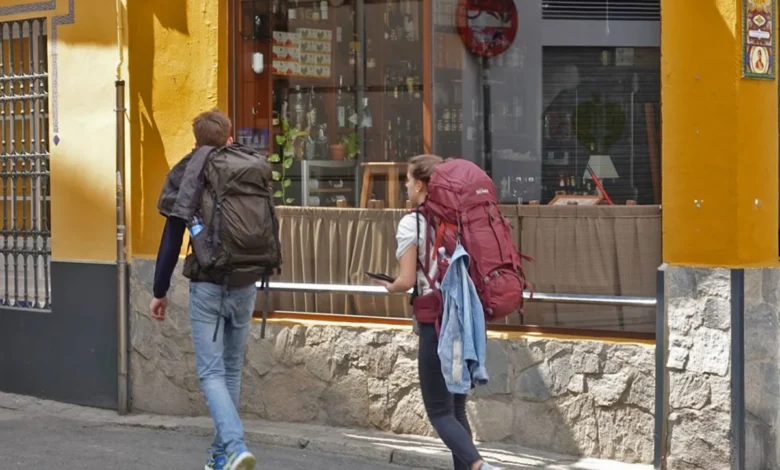
Preparing for an extended journey across Europe presents significant logistical challenges, particularly for novice travelers who frequently fall into the trap of overpacking. Traveling with excess luggage not only complicates transitions between trains, buses, and budget airlines, but it also increases vulnerability to theft by making belongings difficult to monitor. Experienced travelers and industry experts consistently emphasize that minimizing baggage weight is critical to ensuring mobility, comfort, and security throughout a multi-destination itinerary.
The Golden Rule of Ultralight Travel: Weight and Restrictions
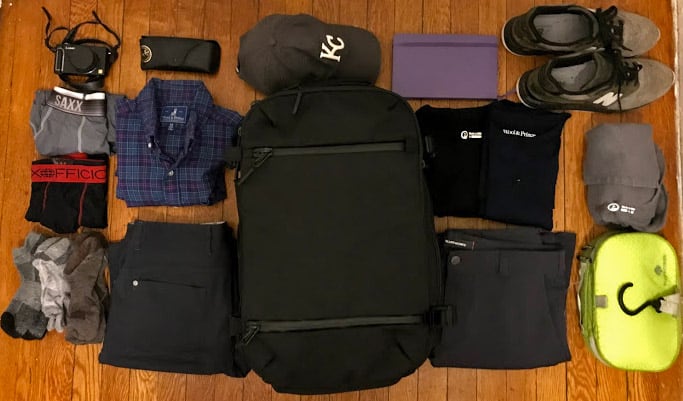
The primary objective when assembling a European backpacking kit is to restrict total bag weight to between 20 and 22 pounds (approximately 9 to 10 kilograms), inclusive of the backpack itself. This threshold aligns with the strict carry-on weight limits enforced by European low-cost carriers such as Ryanair, EasyJet, and Wizz Air, which routinely penalize passengers for exceeding standard dimensions and weight caps. Beyond avoiding carrier fees, limiting baggage weight directly mitigates physical strain during long days of walking over cobblestone streets and navigating historic transit hubs lacking elevators.

Seasoned travel coordinators recommend ruthlessly editing three specific categories: clothing, toiletries, and footwear. Because laundry facilities are widely accessible in European hostels, apartments, and laundromats across major cities, packing for a two-week trip does not differ logistically from packing for a two-month excursion. Travelers are advised to rely on high-performance fabrics, multi-use garments, and travel-sized personal care essentials that can be easily replenished at local European pharmacies.
Comprehensive Wardrobe Strategy for European Climates
Clothing typically constitutes the largest proportion of a backpacker’s load. To maximize versatility without adding unnecessary bulk, travelers should implement a layering system.
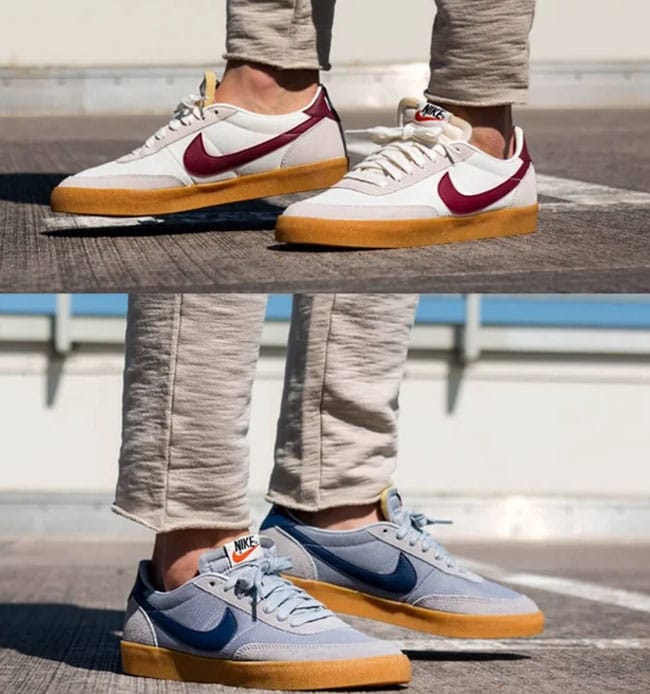
Footwear Management
Footwear is often the heaviest component of any travel kit. Analysts recommend limiting footwear to a maximum of two pairs: one high-performance, comfortable sneaker suitable for all-day urban exploration, and a secondary pair of casual leather sneakers or lightweight walking shoes appropriate for evening dining. Heavy hiking boots should be omitted unless the itinerary specifically includes dedicated alpine trekking during winter months. Additionally, lightweight rubber sandals are considered essential for maintaining hygiene in communal hostel shower facilities.
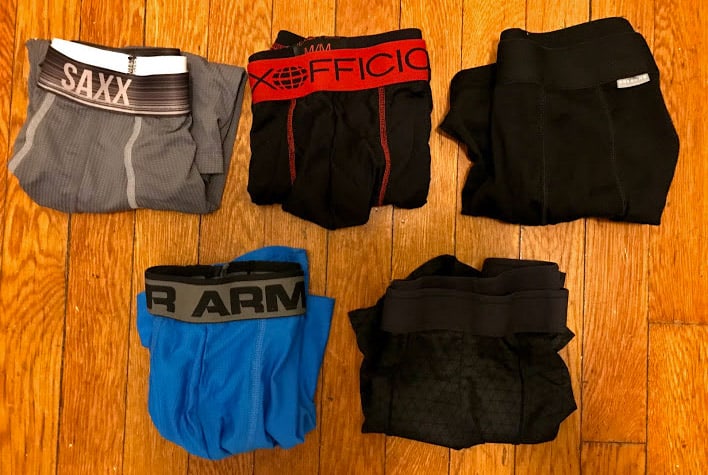
Socks and Underwear
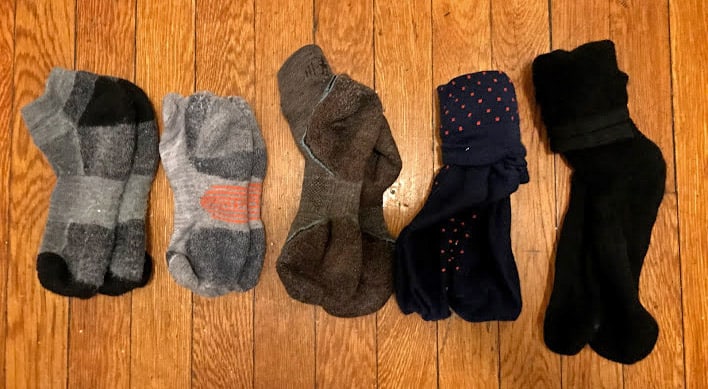
Experienced globetrotters advocate for investing in high-end, moisture-wicking materials such as merino wool or advanced synthetic blends. Merino wool inherently regulates temperature, resists odor, and dries rapidly, making it ideal for continuous wear. A recommended baseline includes six to eight pairs of socks and five to nine pairs of underwear, ensuring freshness while accommodating multi-day laundering cycles.

Outerwear and Layering Pieces
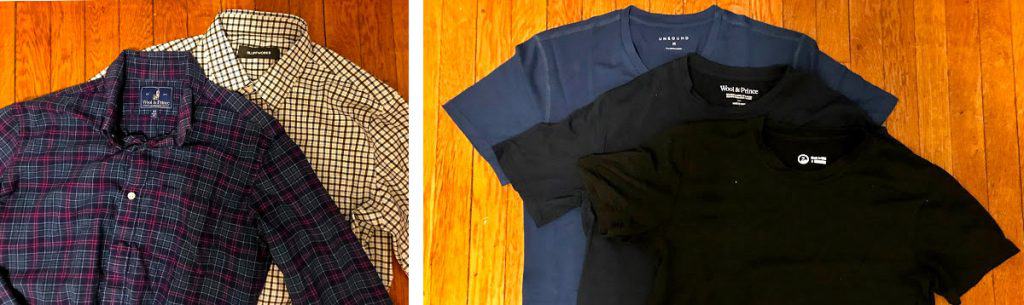
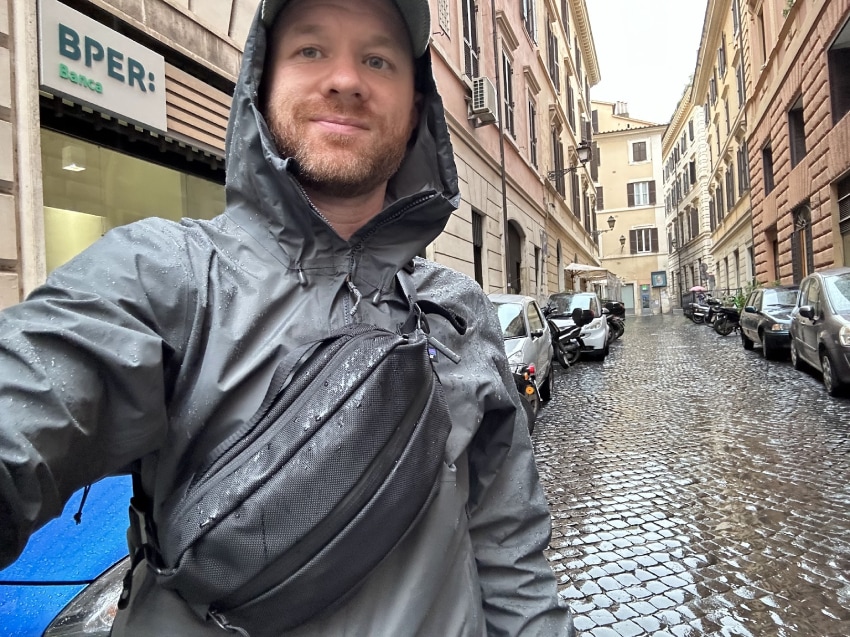
Depending on the season, outerwear should feature a packable, waterproof rain jacket as a non-negotiable item. For spring and autumn travel, combining a lightweight fleece or sweater with a durable windbreaker provides sufficient thermal insulation without the bulk of a heavy winter coat. T-shirts and casual button-up shirts should be selected in neutral tones to facilitate mix-and-match layering.
Essential Travel Accessories and Gadgets
Modern European travel relies heavily on digital connectivity and smart organization. Integrating specific technological and operational accessories streamlines the journey and safeguards personal assets.
Connectivity Solutions
Purchasing a regional European eSIM or physical SIM card prior to departure or immediately upon arrival has largely replaced expensive international roaming plans offered by domestic mobile carriers. Services provided through platforms like SimOptions or Holafly typically reduce data costs significantly—dropping expenses from an average of $10 to $15 per day down to approximately $3 per day. This connectivity ensures uninterrupted access to navigation tools, translation applications, and real-time transit updates.
Security and Organization
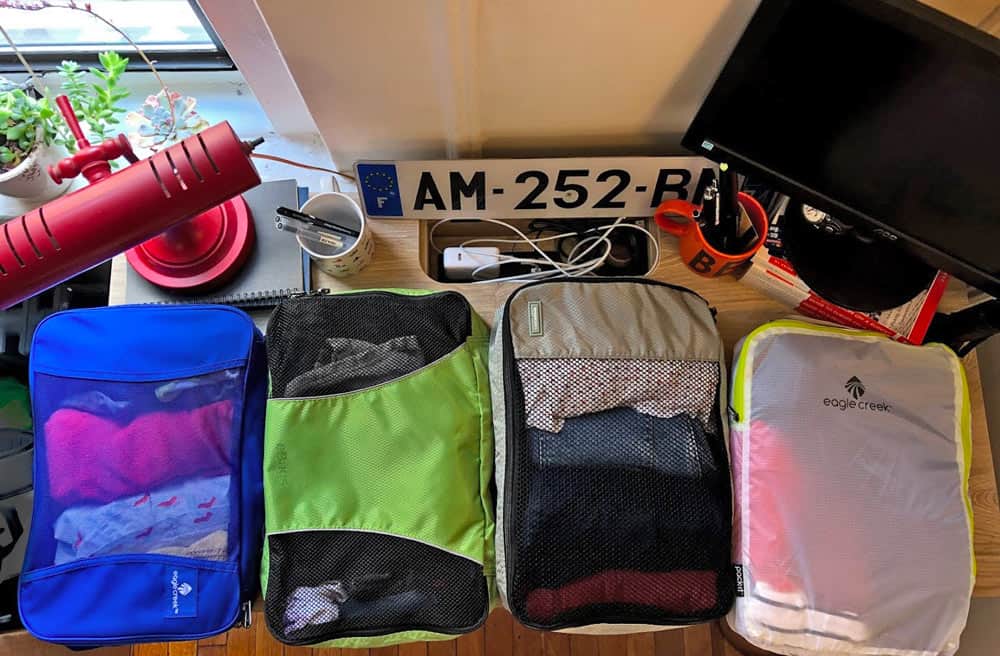
Hostel living requires proactive security measures. Travelers should pack a reliable combination padlock along with a retractable cable lock to secure backpacks to bunk frames or luggage racks. Furthermore, utilizing packing cubes significantly enhances organizational efficiency, compressing clothing volumes, preventing wrinkles, and allowing rapid access to specific items without disrupting the entire bag’s contents.
Financial and Logistical Implications
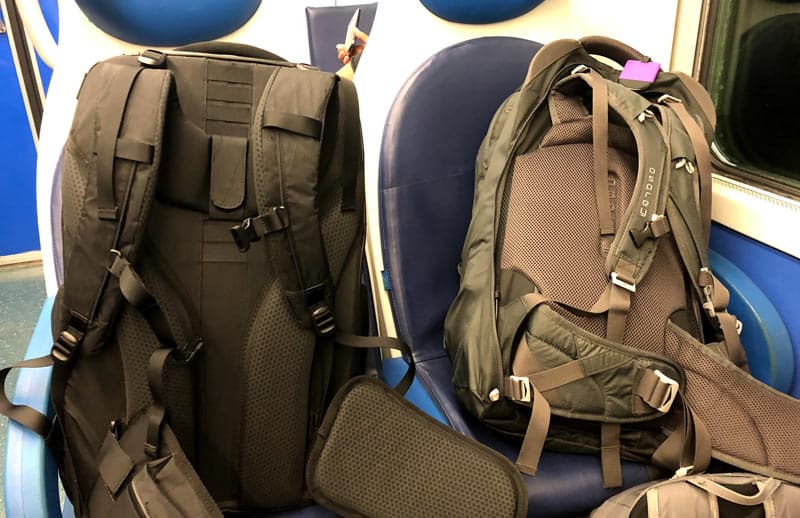
Adopting a minimalist packing philosophy yields direct economic benefits. By strictly adhering to carry-on dimensions, travelers bypass checked baggage fees that can accumulate rapidly across multiple flights within a single itinerary. Furthermore, maintaining a compact and unobtrusive profile reduces the likelihood of targeted theft, allowing tourists to blend more seamlessly into local commuter populations rather than projecting the vulnerable silhouette of an over-burdened outsider.
Industry analysts note that while initial investments in specialized lightweight gear—such as merino wool apparel, durable daypacks, and compact electronics—may incur higher upfront costs, the long-term durability and reduction in incidental travel expenses provide substantial value over the lifespan of frequent international travel.