Europe’s Tourism Sector Roars Back, Exceeding Pre-Pandemic Levels with Paris Leading the Charge in 2025

Europe’s tourism sector has demonstrated a robust and accelerated recovery, with projections indicating a staggering 793 million international arrivals across the continent in 2025, a figure that not only surpasses but significantly exceeds pre-pandemic tourism levels. This remarkable rebound solidifies Europe’s position as a premier global travel destination, driven by a blend of iconic cities, diverse cultural offerings, and a renewed enthusiasm for international travel. The year 2024 was particularly pivotal, witnessing record tourism numbers that marked the official end of the pandemic-induced travel slump, as reported by comprehensive studies from Euromonitor International and data collected from various local tourism offices. This guide outlines the most popular cities in Europe, providing an essential starting point for travelers considering multi-city itineraries and highlighting the dynamic shifts in visitor preferences and destination performance.
A Continental Resurgence: Main Facts and Chronology
The recovery of European tourism has been swift, moving from the depths of the 2020 downturn to a full resurgence by 2024. The 2024 data, underpinning much of the city-specific visitor numbers, reveals a continent bustling with activity. This recovery is not merely a return to normalcy but an ascent to new heights, showcasing the enduring appeal of European cities. Industry analysts point to pent-up demand, increased flight capacities, and proactive tourism campaigns as key drivers. The projected 793 million arrivals in 2025 represent a significant milestone, underscoring the sector’s resilience and its vital contribution to the European economy. This growth is a testament to the continent’s diverse appeal, from historical marvels and cultural hubs to vibrant nightlife and culinary excellence.
The Pinnacle of Popularity: Europe’s Foremost Destinations
The list of Europe’s most visited cities reflects both long-standing favorites and emerging hotspots. These destinations serve as economic engines, cultural custodians, and magnets for millions seeking unique experiences.
1. Paris, France – 50 Million Annual Visitors
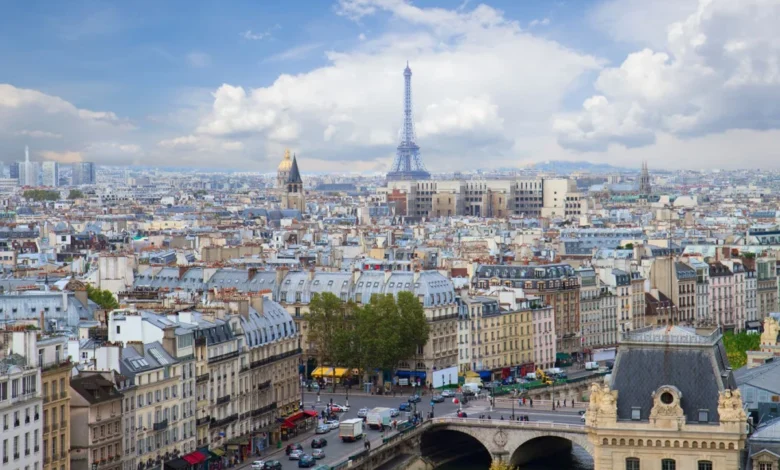
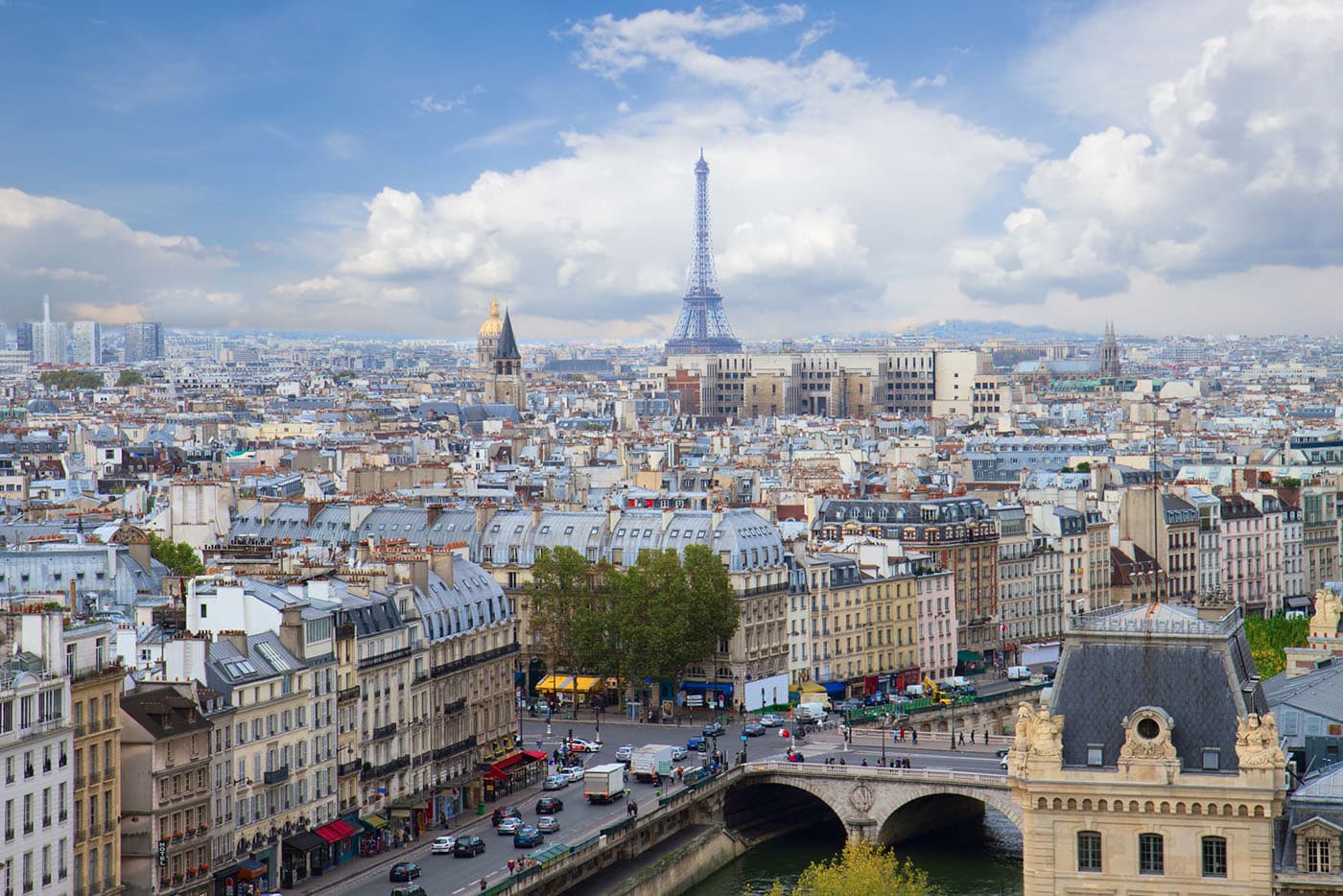
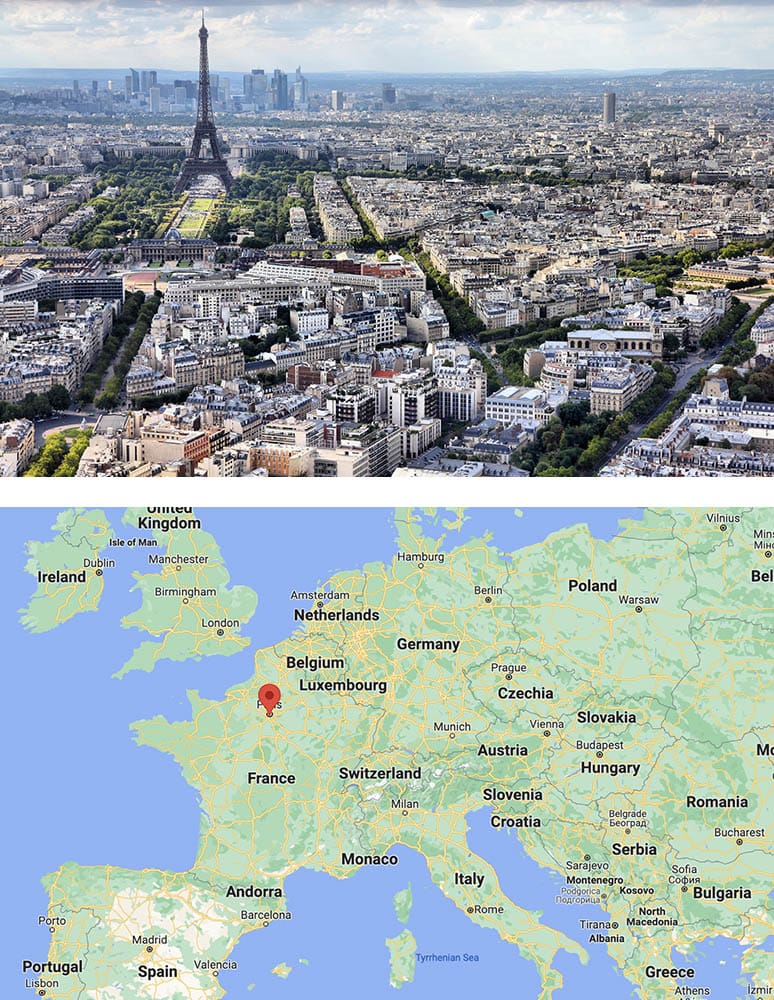
The French capital has officially reclaimed its crown as Europe’s most visited city, narrowly surpassing London after several years of close competition. With 50 million annual visitors, Paris exemplifies cultural richness and historical grandeur. France itself remains the most visited country in Europe, a testament to the diverse attractions it offers, from the romantic streets of Paris to the sun-drenched French Riviera. Paris, often dubbed the "City of Lights," is celebrated for its unparalleled collection of famous sights such as the Eiffel Tower, the Louvre Museum, and Notre Dame Cathedral. Beyond its iconic landmarks, the city boasts a vibrant nightlife, world-class museums, and a deeply ingrained cultural scene. Its efficient Metro system ensures seamless navigation for tourists, while a robust inventory of hotels, hostels, and vacation rental apartments caters to all budgets and preferences. Parisian tourism officials have expressed immense satisfaction with the city’s robust recovery, emphasizing ongoing investments in infrastructure and cultural events, including preparations for major international events, to enhance visitor experience and manage the increased footfall sustainably.
2. London, United Kingdom – 40 Million Annual Visitors
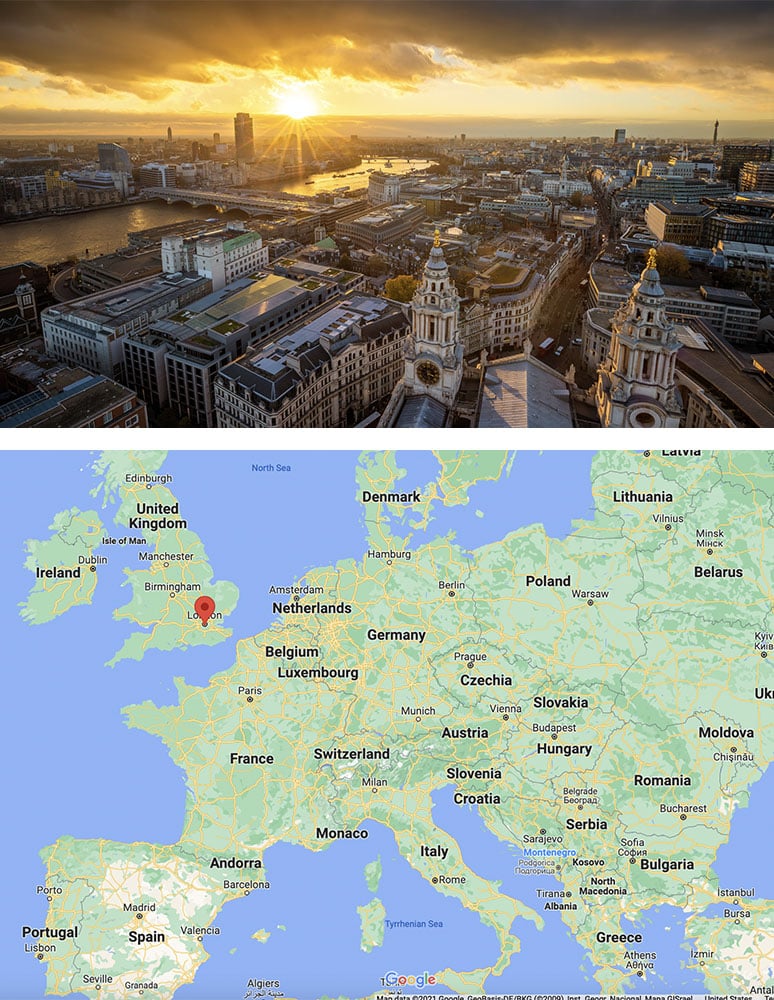
For many years, London held the top spot as Europe’s most visited city, a position now taken by Paris. Nevertheless, London continues to be a global magnet, attracting 40 million annual visitors. It remains an excellent first stop for many international travelers due to its multiple major airports offering extensive and often competitively priced flight connections. The absence of a language barrier for English speakers provides an accessible entry point into European travel. London is a world-class metropolis, offering an inexhaustible array of activities, sights, and culinary experiences, from the historic Tower of London and Buckingham Palace to the contemporary Tate Modern and the vibrant West End theatre district. The city’s diverse neighborhoods, from the financial hub of the City of London to the bohemian streets of Camden, offer something for every taste, cementing its status as a vital economic and cultural center.
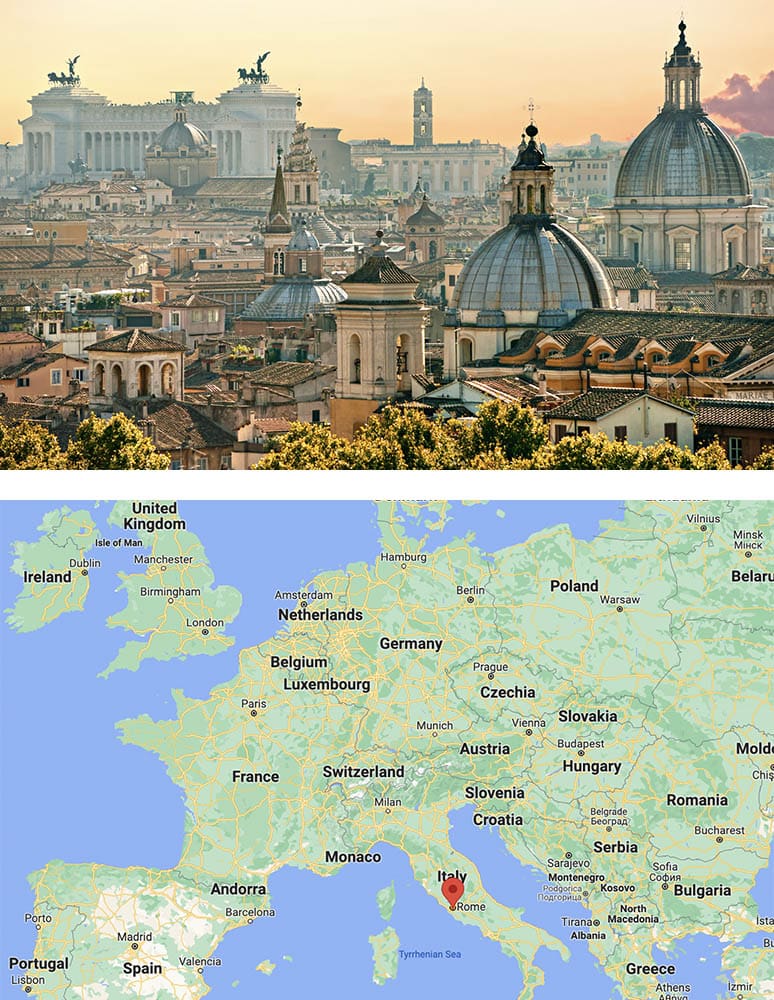
3. Rome, Italy – 35 Million Annual Visitors
The Eternal City, Rome, consistently ranks among Europe’s most visited destinations, drawing 35 million annual visitors. Revered as one of the "world’s most historically, educationally, and culturally interesting and beautiful cities," Rome offers an immersive journey through millennia of history. Its ancient ruins, including the Colosseum, Roman Forum, and Pantheon, stand alongside the spiritual heart of the Vatican City, home to St. Peter’s Basilica and the Sistine Chapel. A visit to Rome can easily fill a week or more, exploring its vibrant piazzas, charming cobblestone streets, and indulging in its world-renowned cuisine. Rome also serves as a crucial gateway to other iconic Italian cities and regions, making it an ideal starting point for a broader Italian adventure. The Italian Ministry of Foreign Affairs and International Cooperation continues to promote Rome as a central pillar of Italy’s cultural diplomacy and tourism strategy, highlighting its unparalleled historical heritage.
Rising Stars and Regional Powerhouses
Beyond the perennial giants, several cities across Europe have seen remarkable growth or maintain strong visitor numbers, reflecting shifting travel trends and the diversification of popular destinations.
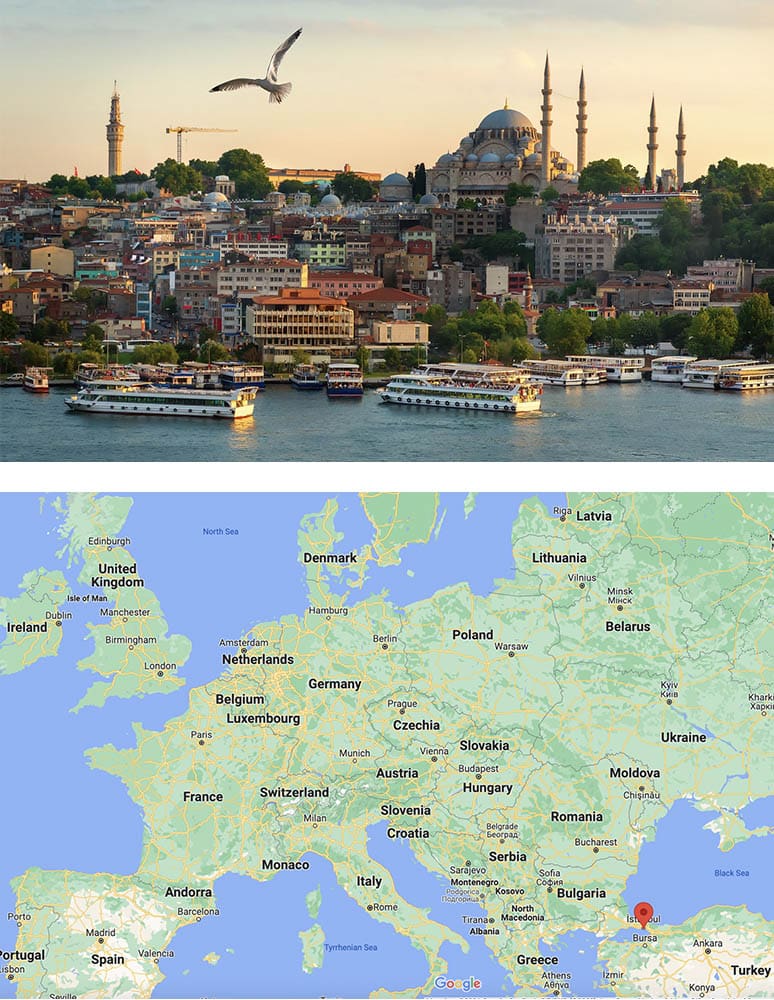
4. Istanbul, Turkey – 20 Million Annual Visitors
Istanbul has experienced a significant surge in tourism, attracting 20 million annual visitors. After navigating periods of political instability and security concerns, the city has rebounded impressively. Its unique "East meets West" allure, straddling two continents, makes it a fascinating destination for Europeans and global travelers alike. Iconic landmarks like the Hagia Sophia, Blue Mosque, and Topkapi Palace showcase its rich Byzantine and Ottoman history, while its vibrant bazaars and culinary scene offer an unforgettable cultural experience. The Turkish Ministry of Culture and Tourism has actively promoted Istanbul’s recovery, emphasizing its historical depth and unique cultural fusion.
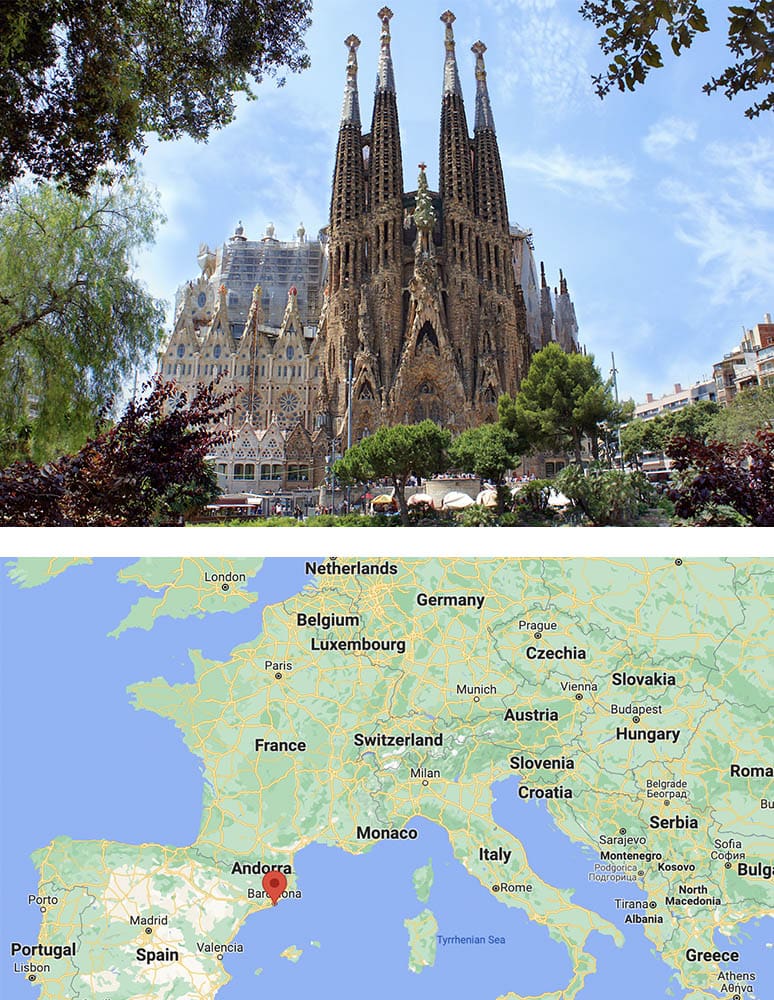
5. Barcelona, Spain – 16 Million Annual Visitors
Barcelona, with 16 million annual visitors, remains a staple on most European travel itineraries. This Spanish gem captivates with its vibrant food scene, the distinctive modernist architecture of Antoni Gaudí (Sagrada Familia, Park Güell), beautiful Mediterranean beaches, and a nightlife often lauded as among the best globally. The city’s blend of cultural heritage, urban beaches, and lively atmosphere ensures its continued popularity.
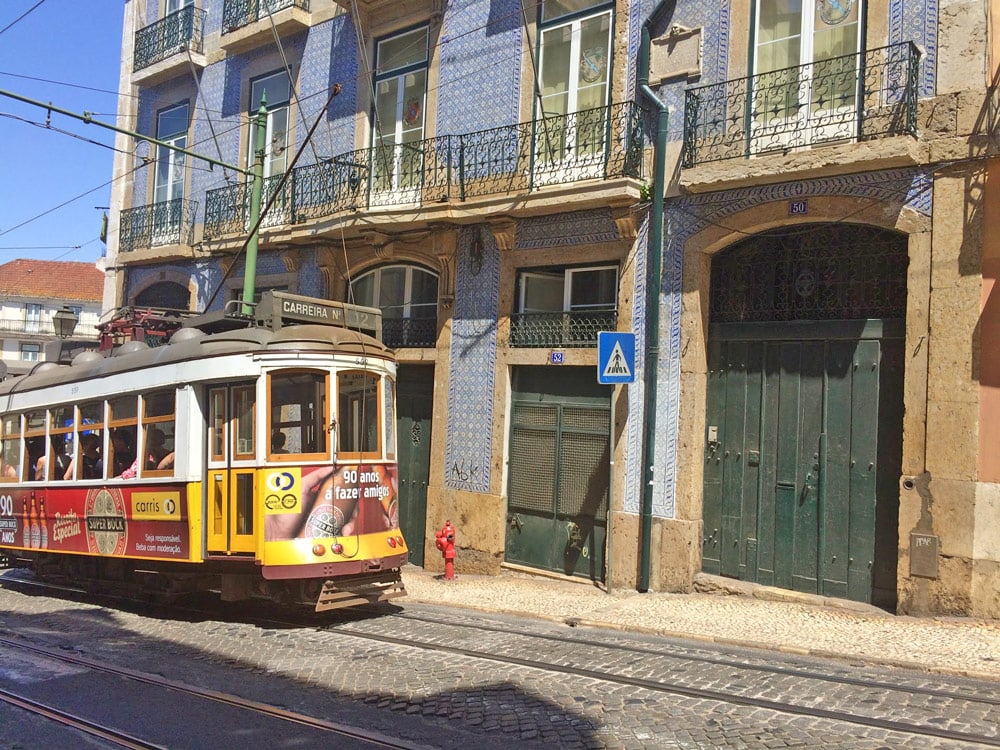
6. Lisbon, Portugal – 14 Million Annual Visitors
Lisbon has rapidly ascended the ranks of Europe’s most visited cities, welcoming 14 million annual visitors. This laid-back capital, characterized by its pastel-colored buildings, charming café culture, and Atlantic coastal vibes, offers a distinctly appealing experience. Compared to other Western European capitals, Lisbon is notably more affordable, making both food and lodging reasonably priced, while attractions offer average value. This cost-effectiveness, coupled with its unique charm, has made it a hot destination for travelers seeking quality experiences without the prohibitive expense.
Addressing the Implications: Over-tourism and Sustainable Growth
While the resurgence in tourism is largely positive for local economies, it also presents challenges, particularly in smaller, historically sensitive cities grappling with over-tourism.
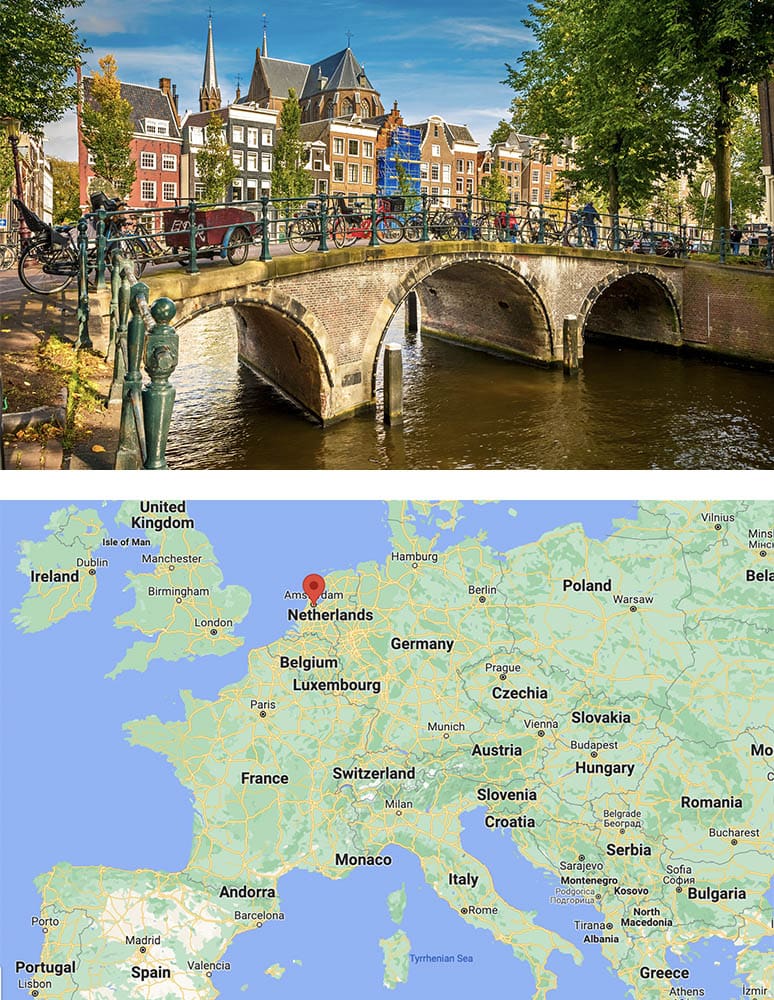
7. Amsterdam, Netherlands – 8.9 Million Annual Visitors
Despite its relatively compact size, Amsterdam attracts 8.9 million annual visitors, making it a major European tourism hub. Renowned for its picturesque canals, beautiful architecture, and liberal social policies, it consistently ranks as one of Europe’s most livable cities. However, this popularity comes at a cost; Amsterdam is one of Europe’s most expensive cities, particularly for accommodation, a direct consequence of high demand in a small urban area. Over-tourism is a recognized issue, leading local authorities to implement measures to manage visitor flows. Tourism boards advise visiting during the off-season to avoid peak crowds and enjoy a more authentic experience, signaling a shift towards sustainable tourism practices.
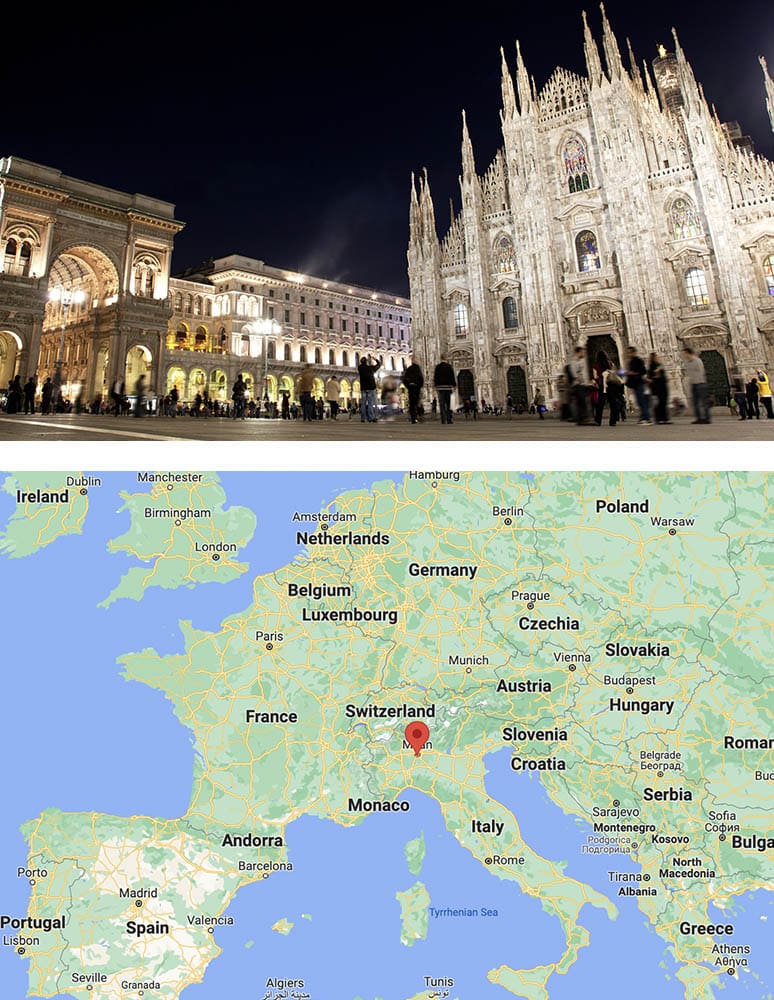
8. Milan, Italy – 8.2 Million Annual Visitors
Milan, with 8.2 million annual visitors, stands as Europe’s fashion capital and Italy’s financial heart. It exudes a more buttoned-up, sophisticated ambiance compared to other Italian cities. While perhaps not a primary destination for first-time visitors to Italy, it offers a compelling experience for those who have explored the country’s other highlights, boasting world-class shopping, exquisite dining, and notable cultural landmarks like the Duomo and Leonardo da Vinci’s "The Last Supper."
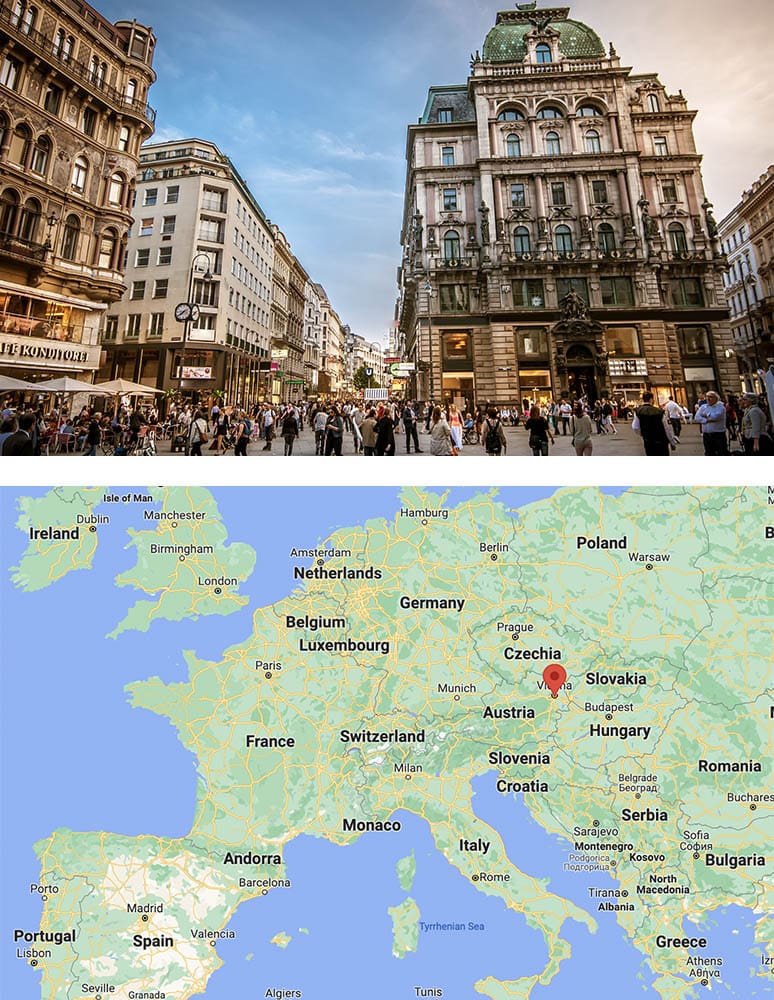
9. Vienna, Austria – 8.2 Million Annual Visitors
Vienna, attracting 8.2 million annual visitors, is consistently celebrated as one of Europe’s most livable cities and a major tourist destination. Its architectural tapestry, blending Art Nouveau, Gothic, and Baroque styles, creates one of the world’s most beautiful urban landscapes. Visitors are drawn to its imperial palaces, classical music heritage, and the quintessential Viennese coffee house culture, offering a taste of traditional desserts and refined elegance. The city’s blend of history, culture, and high quality of life makes it an irresistible draw.
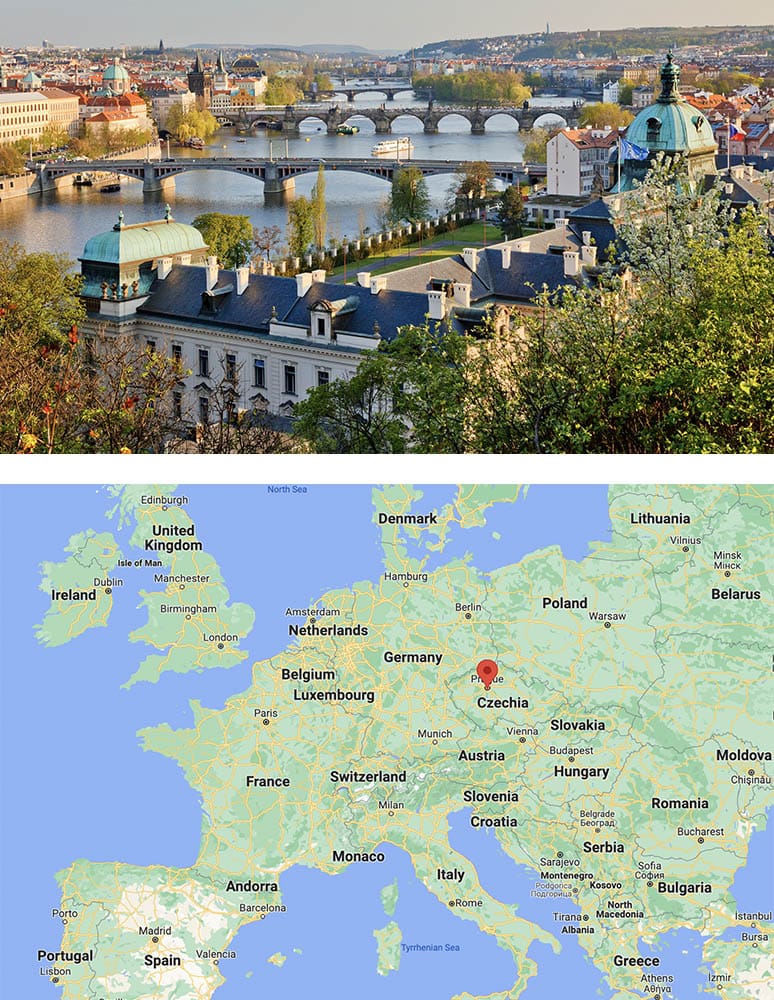
10. Prague, Czech Republic – 7.5 Million Annual Visitors
Prague, with 7.5 million annual visitors, is often described as a "fairy tale" city, characterized by its stunning medieval architecture, Charles Bridge, and Old Town Square. While its days as an exceptionally cheap destination are somewhat in the past, it remains more affordable than many Western European counterparts, especially for food and alcohol. Summers can be intensely busy, prompting recommendations for spring or autumn visits to escape the crowds and fully appreciate its charm.
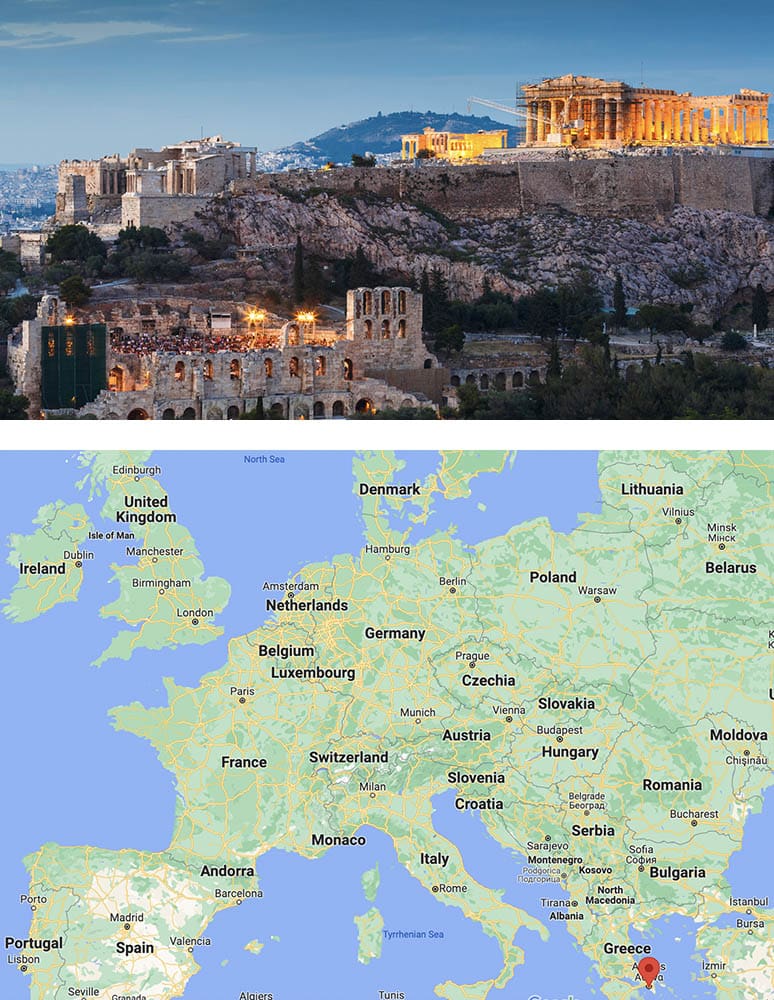
11. Athens, Greece – 6.5 Million Annual Visitors
Athens, welcoming 6.5 million annual visitors, serves as both a historical capital and a primary gateway to the renowned Greek Islands. It is the birthplace of democracy, Western philosophy, arts, and sciences, anchored by the iconic Acropolis and Parthenon. While its historical significance is undeniable, the modern city can appear somewhat gritty and less aesthetically pleasing than typical "beautiful European cities," contrasting sharply with its ancient grandeur.
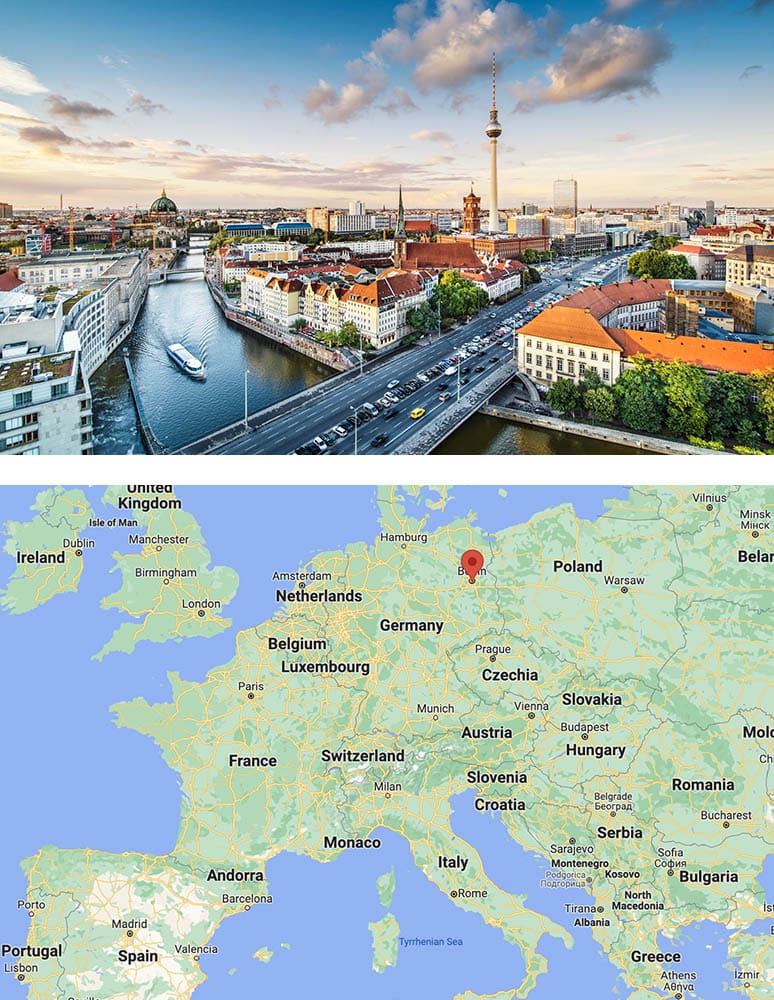
12. Berlin, Germany – 6.3 Million Annual Visitors
Berlin, attracting 6.3 million annual visitors, famously once described as "poor but sexy," has evolved into a vibrant hub. While no longer as inexpensive, it remains one of the more affordable major European cities. Berlin is globally recognized for its dynamic nightlife and clubbing scene, alongside a wealth of cultural activities and excellent museums that explore its complex history, including the Brandenburg Gate, Reichstag Building, and remnants of the Berlin Wall.
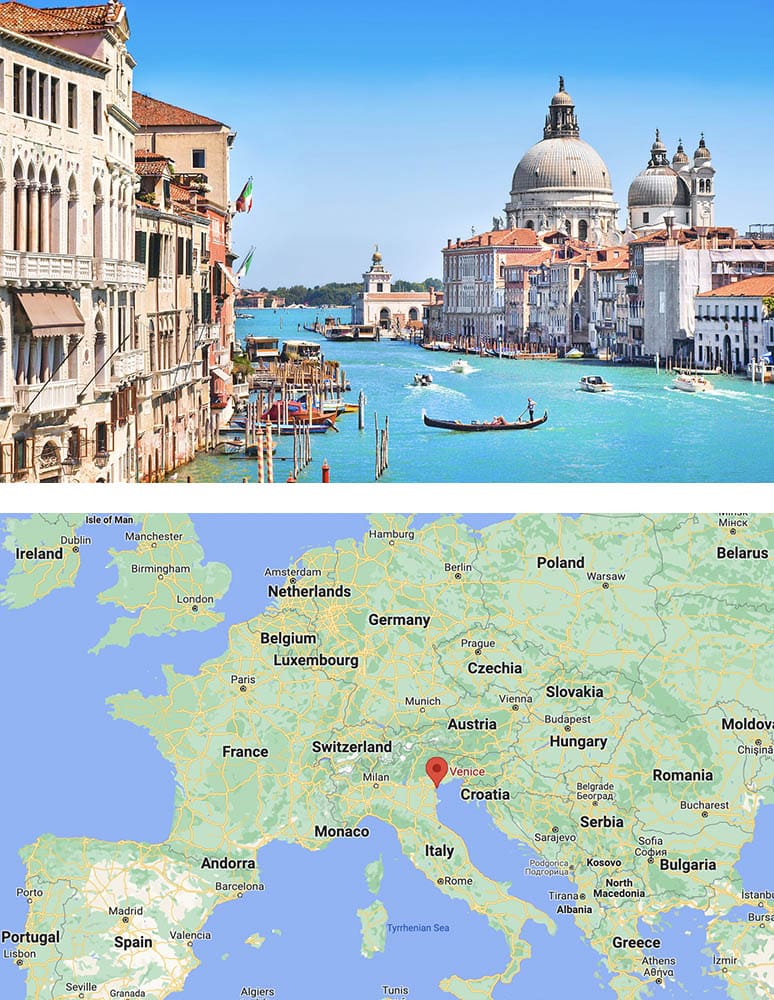
13. Venice, Italy – 5.6 Million Annual Visitors
The uniquely beautiful city of Venice, with 5.6 million annual visitors, faces the existential threat of sinking, adding a poignant urgency to visits. As a small city, it suffers significantly from over-tourism, particularly exacerbated by large cruise ship arrivals. However, staying overnight offers a distinctly different experience as the day-tripping crowds dissipate, revealing a quieter, more magical Venice. Local authorities are actively exploring measures, such as tourist fees, to manage visitor impact and preserve its delicate ecosystem.
14. Madrid, Spain – 5.6 Million Annual Visitors
Spain’s capital and largest city, Madrid, attracts 5.6 million annual visitors with its lively atmosphere, outstanding culture, art (Prado Museum, Reina Sofia), and excellent nightlife. It offers a more modern urban landscape compared to some historical European capitals, with much of its architecture dating from the 20th century. Despite this, Madrid pulses with energy and possesses a distinct old-world charm that captivates visitors.
15. Dublin, Ireland – 5.5 Million Annual Visitors
Dublin, a vibrant city that charms its 5.5 million annual visitors, is known for its friendly locals and rich pub culture. Its substantial student population contributes to a lively and diverse nightlife. The city’s compact size makes it highly walkable, allowing visitors to easily explore landmarks like Dublin Castle, Trinity College, and the Guinness Storehouse. However, Dublin is noted for being relatively expensive, particularly for food and alcohol.
Further European Gems: A Diverse Tapestry
The continent’s appeal extends far beyond the top tier, encompassing a wide array of cities each offering distinct experiences.
- 16. Florence, Italy (5.1 Million): The heart of the Renaissance, easily accessible from Rome, best explored over several days.
- 17. Brussels, Belgium (4.3 Million): Home of the European Union, evolving from a "stodgy" image to a creative hub, famous for beer, chocolate, fries, and waffles.
- 18. Munich, Germany (4.2 Million): Bavaria’s capital, known for classical buildings, museums, and the raucous Oktoberfest and beer gardens.
- 19. Hamburg, Germany (4 Million): Germany’s second-largest city and a major port, transformed into a hip destination with new restaurants, bars, and clubs.
- 20. Budapest, Hungary (4 Million): Often called the "Paris of the East," offering elegant boulevards, beautiful architecture, affordability, and a vibrant nightlife, with a unique historical grit.
- 21. Tallinn, Estonia (4 Million): A mix of Nordic and Russian cultures, one of Europe’s most complete walled cities, popular for day trips but better experienced overnight.
- 22. Copenhagen, Denmark (3.2 Million): A "must-visit" destination reflecting its high quality of life, featuring a blend of old and modern architecture, a great food scene, and a lively craft beer culture.
- 23. Edinburgh, Scotland (3.1 Million): A beautiful, youthful city with a magical medieval Old Town, elegant Georgian New Town, and impressive Edinburgh Castle, particularly popular during the August Edinburgh Festival.
- 24. Heraklion, Greece (3 Million): The capital of Crete, primarily serving as a port and jumping-off point for exploring the wider region.
- 25. Kraków, Poland (2.9 Million): Poland’s cultural and intellectual capital, a beautiful old-school city with a reputation for lively nightlife and affordability.
- 26. Warsaw, Poland (2.8 Million): The sprawling, rebuilt capital, still developing its tourism infrastructure but offering a unique insight into Poland’s resilience.
- 27. Frankfurt, Germany (2.7 Million): A modern, business-centric city with museums and sights, but generally not a top-tier tourist destination.
- 28. Stockholm, Sweden (2.7 Million): A stunning city spread across 14 islands, offering a wealth of activities but known for its high cost of living and relatively remote location.
- 29. Nice, France (2.6 Million): A beautiful city in the South of France, a long-time European summer favorite, offering budget-friendly options despite the Riviera’s reputation for expense.
- 30. Porto, Portugal (2.5 Million): A charming, affordable city with great weather, attracting young chefs and travelers seeking value.
- 31. Bruges, Belgium (2.5 Million): A medieval fairytale town, popular for day trips, but best experienced overnight for a less crowded perspective.
- 32. Reykjavik, Iceland (2 Million): Has seen an explosion in tourism, offering incredible nature and vibrant city life, though at a very high cost.
- 33. Seville, Spain (2 Million): Spain’s fourth-largest city and a beloved destination in Southern Europe, known for its laid-back atmosphere, best visited in spring or fall to avoid extreme summer heat.
- 34. Lyon, France (1.6 Million): The culinary capital of France, also a hub for art, culture, winemaking, and commerce, with a youthful and welcoming vibe.
- 35. Dubrovnik, Croatia (1.5 Million): The "pearl of the Adriatic," which has seen a surge in popularity and prices, particularly for its walled Old Town, suggesting off-season visits to avoid crowds.
Conclusion: The Enduring Appeal and Future Outlook
Europe’s tourism sector has not only recovered but is thriving, with 2025 poised to set new benchmarks for international arrivals. The diversity of its cities, from the historical grandeur of Rome and the romantic allure of Paris to the vibrant streetscapes of Lisbon and the cultural depth of Berlin, ensures its enduring appeal. While this growth brings significant economic benefits, it also necessitates careful management of resources and infrastructure, particularly in popular smaller destinations experiencing over-tourism. Tourism bodies and local governments are increasingly focused on implementing sustainable practices, promoting off-season travel, and diversifying visitor experiences to ensure that Europe remains a welcoming and enriching destination for generations to come. The continent’s ability to adapt, innovate, and preserve its unique heritage while embracing modern travel trends will be key to sustaining this impressive growth.
Related posts: