Mastering the Art of Brazilian Barbecue: A Four-Decade Tradition at Costelão do Gaúcho in Curitiba

The culinary landscape of Brazil is globally celebrated for its rich traditions, yet few gastronomic experiences rival the meticulous preparation found at Costelão do Gaúcho, a landmark steakhouse operating for over 40 years near downtown Curitiba. Renowned for serving what many consider to be the most exceptionally tender and juicy beef ribs in the region, this establishment represents a masterclass in South Brazilian churrasco culture. Operating six days a week just before noon until late evening, the restaurant bridges decades of culinary heritage with a steadfast commitment to traditional charcoal roasting techniques.
Historical Context and Evolution of South Brazilian Churrasco
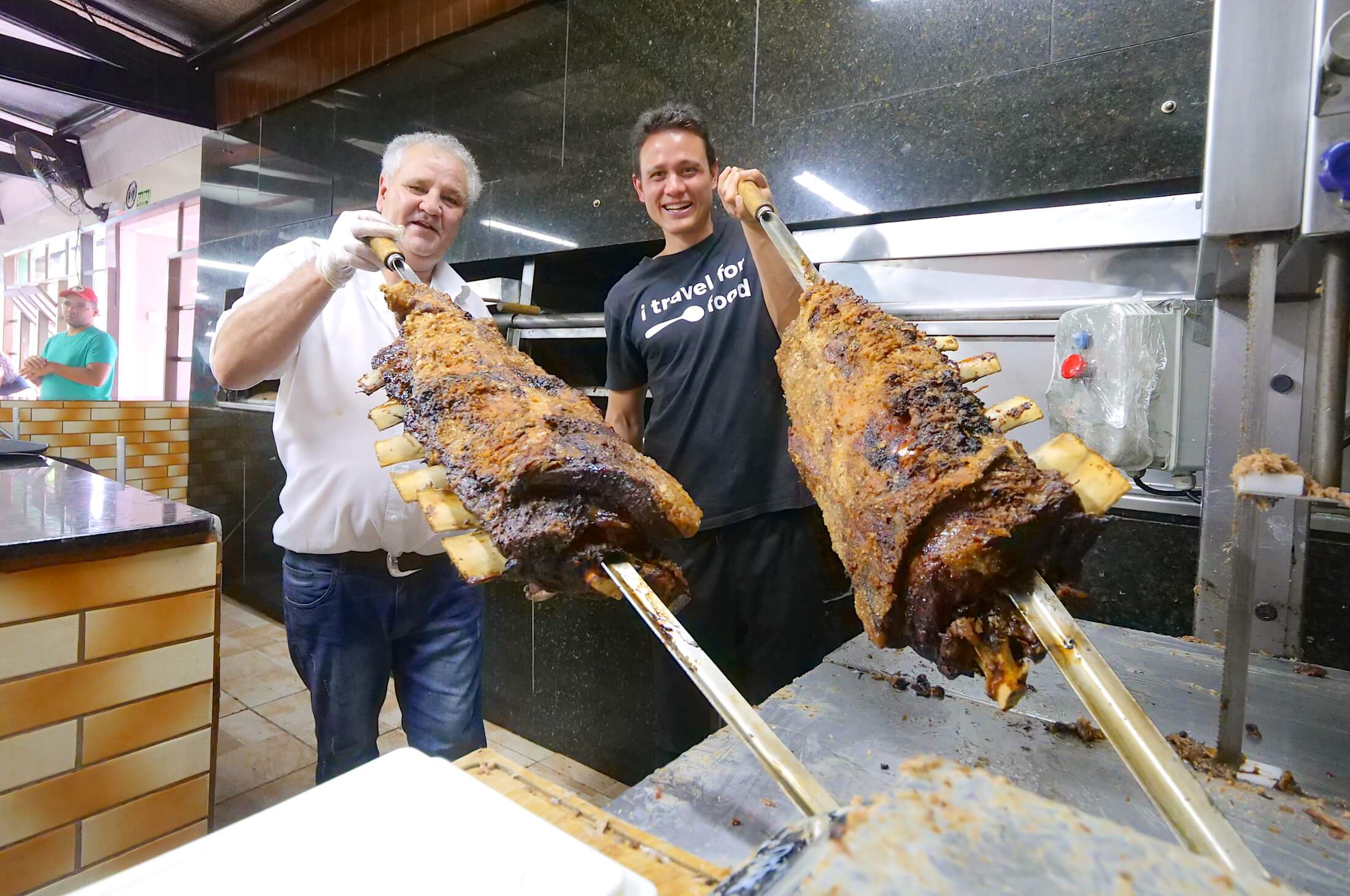
Barbecue in Brazil, particularly in the southern states, traces its roots back to the tropeiros—the 17th- and 18th-century cattle drovers who seasoned beef with coarse salt and slow-roasted it over open pits. Costelão do Gaúcho embodies this historical lineage through its specialized preparation of massive beef ribs, weighing between 15 and 20 kilograms per side. Over the past four decades, the restaurant has refined a system where these colossal cuts of meat are slow-cooked for hours in a dedicated back-room roasting chamber. This sustained process generates the distinct, rich aroma that envelops the surrounding neighborhood, serving as an unmistakable landmark for culinary tourists and local residents alike.
The Culinary Process: Precision and Traditional Craftsmanship
The preparation of beef ribs at Costelão do Gaúcho is distinguished by a blend of heavy-duty mechanics and artisanal precision. Once the meat reaches optimal tenderness in the rear smoke chambers, assistant chefs transport the massive sides to the front grill area. Here, the owner and head chef—a veteran of the trade with more than 40 years of experience—inspects each cut.
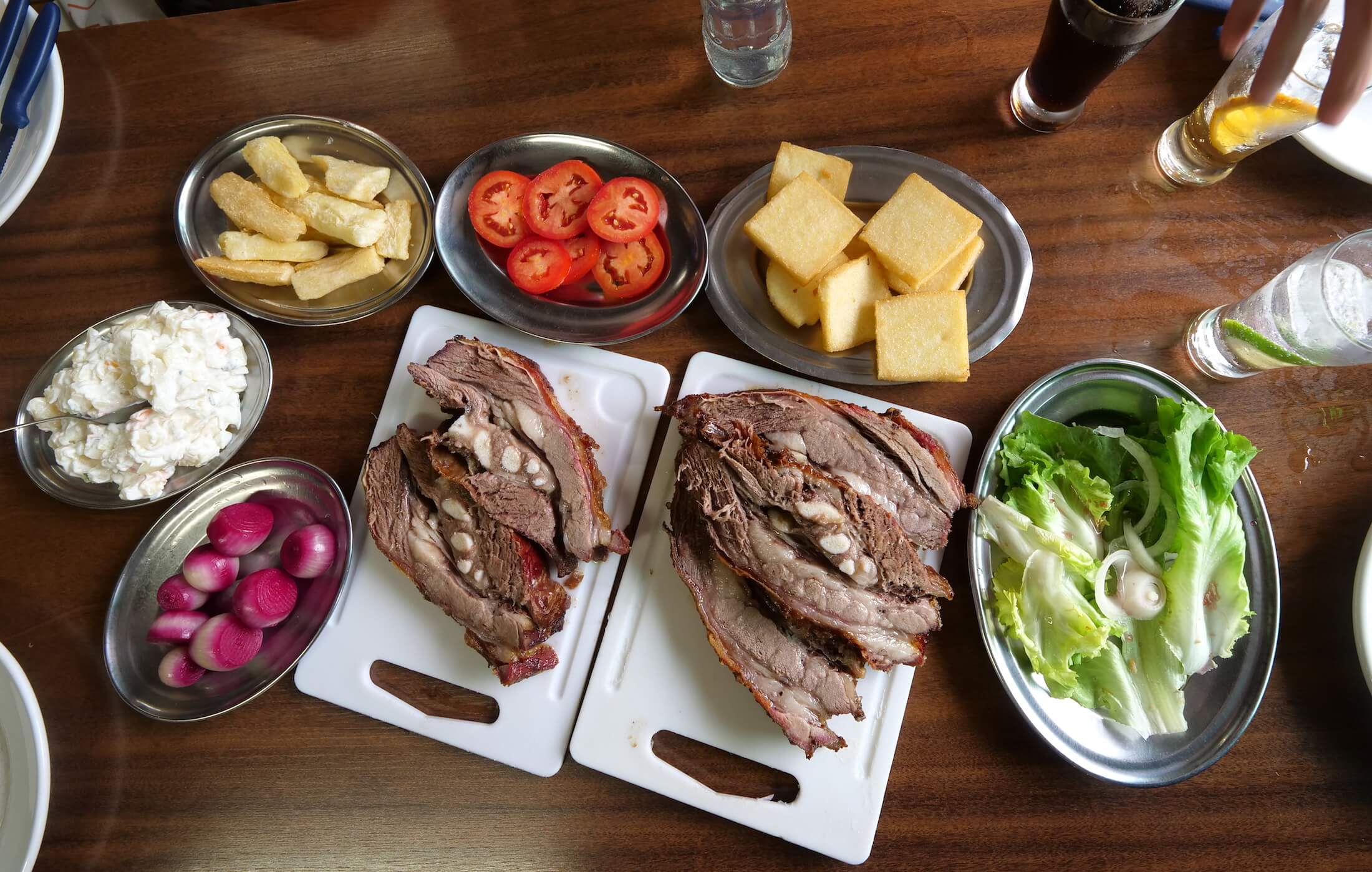
Using traditional methods, the chef pierces the ribs with heavy metal swords, trims excess fat, and adjusts the coarse salt application. The cutting phase utilizes a unique method: a vertical bandsaw typically reserved for woodworking, which allows the chef to glide through 2-to-3-inch thick rib bones, tendons, and outer fat layers with absolute smoothness. Slices are then measured on a scale to ensure accurate pricing by weight, typically yielding portions around 20 ounces per plate. This seamless integration of heavy machinery and culinary expertise highlights an operational efficiency rarely observed in modern commercial kitchens.
Service Model and Accompanying Side Dishes
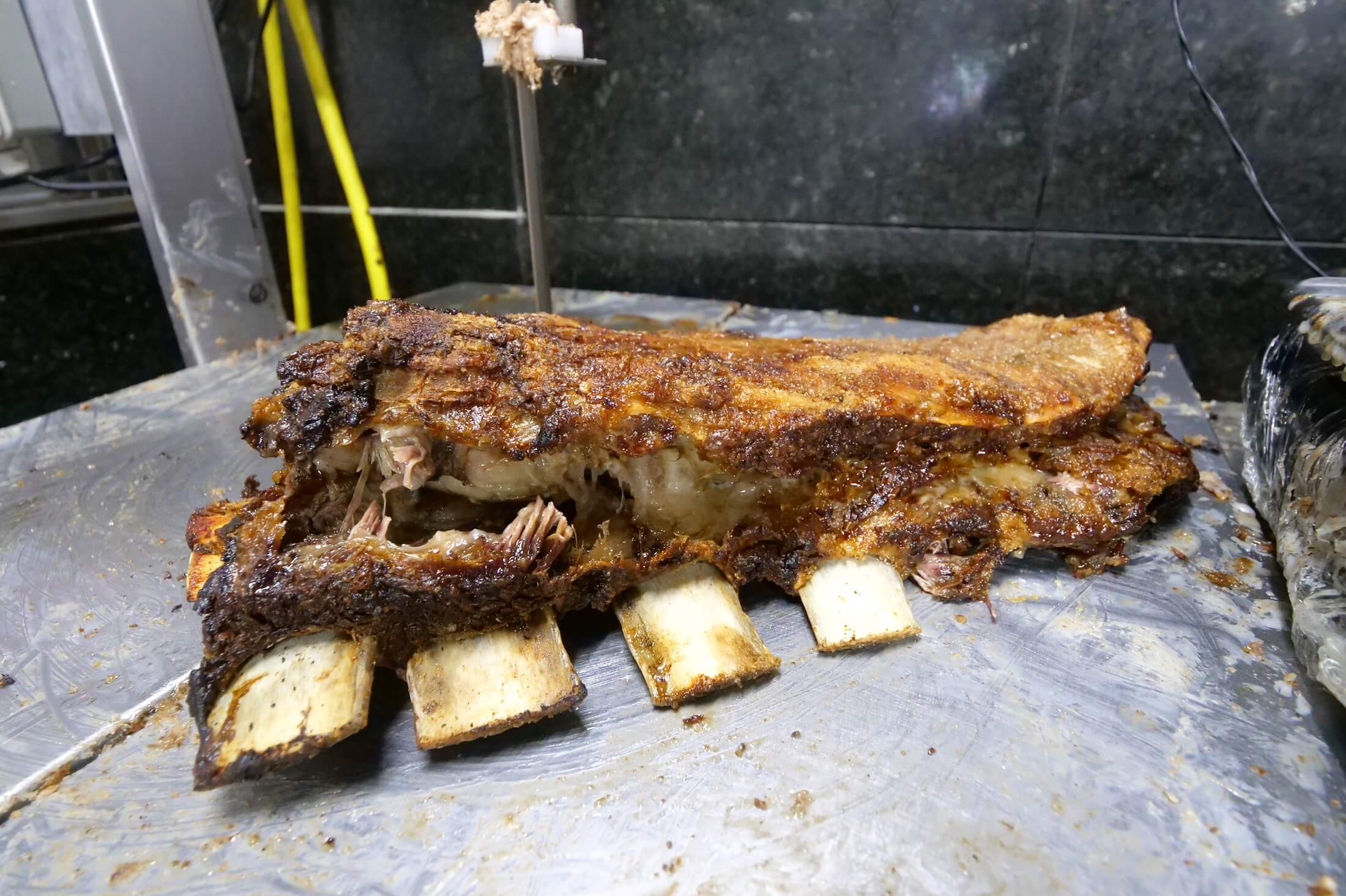
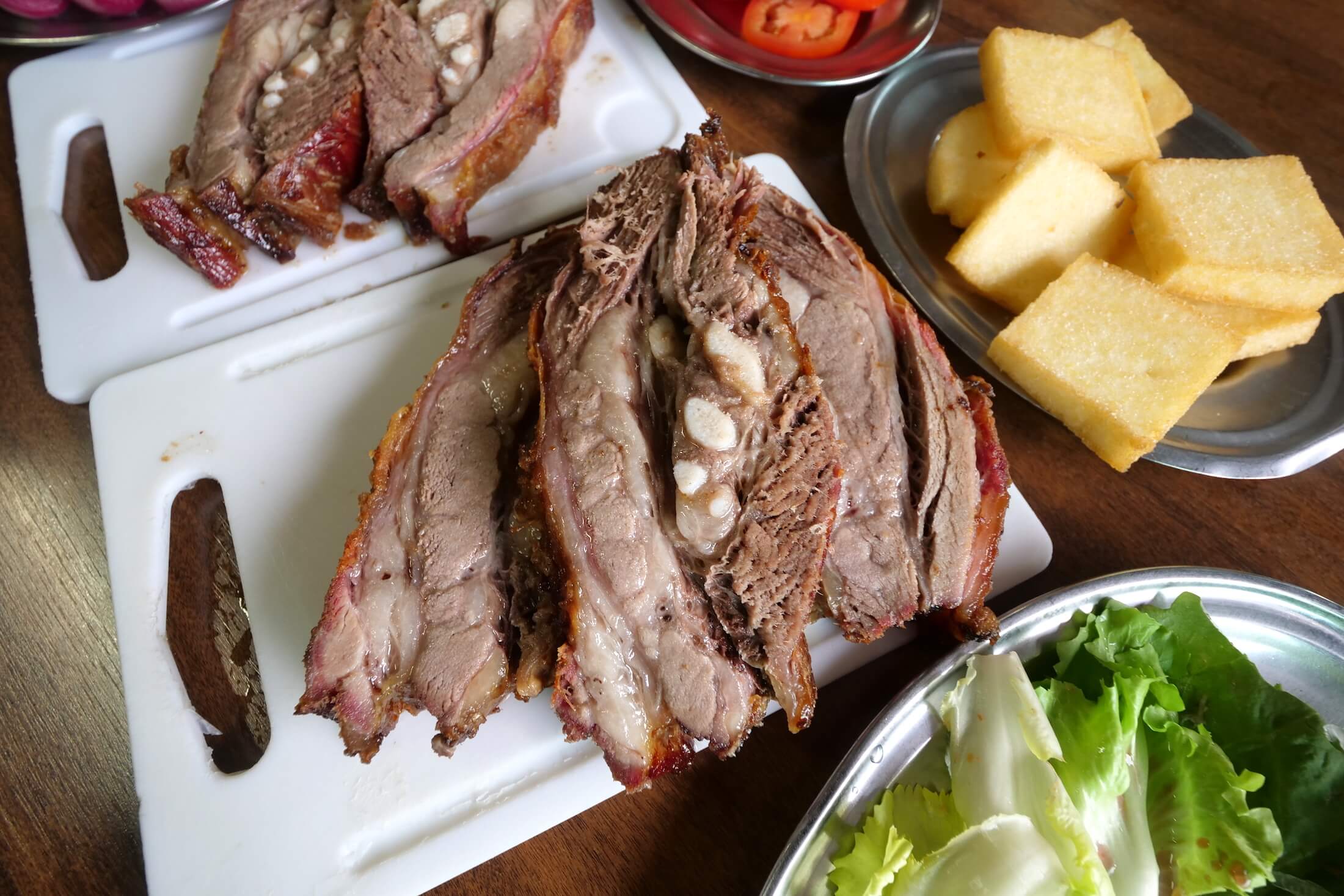
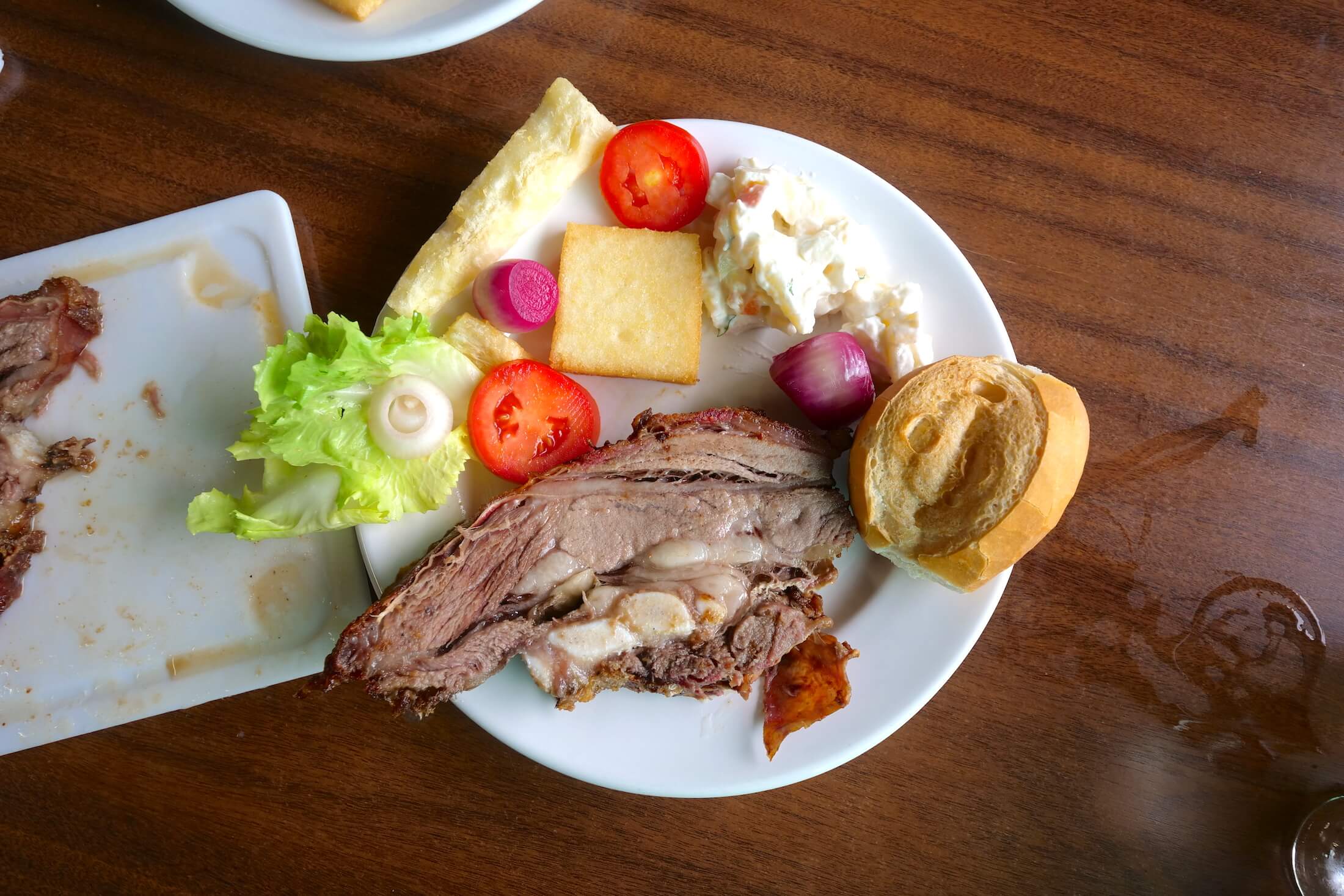
While the prime beef ribs remain the central attraction, the restaurant employs a distinct hybrid dining model that blends à-la-carte ordering with unlimited table-side service. Guests pay for the primary cuts of meat by weight, while a flat per-person fee covers an extensive array of traditional side dishes delivered continuously to the table.
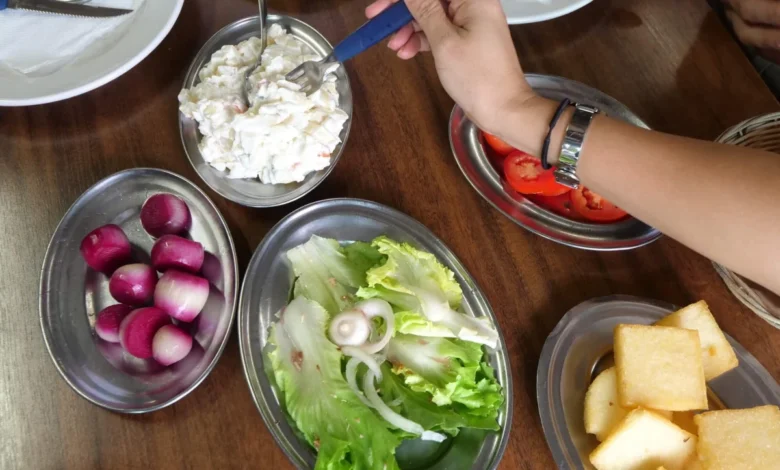
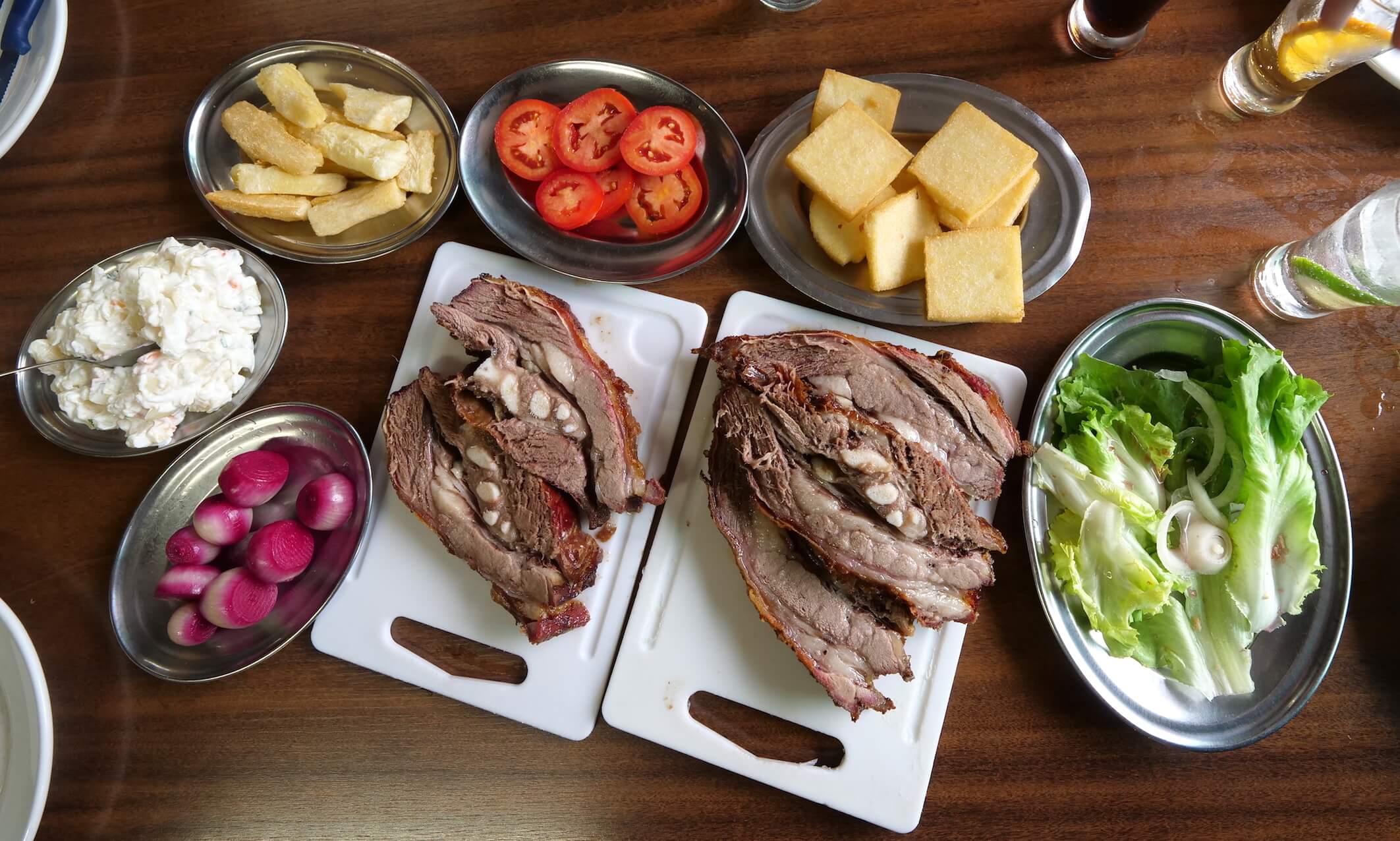
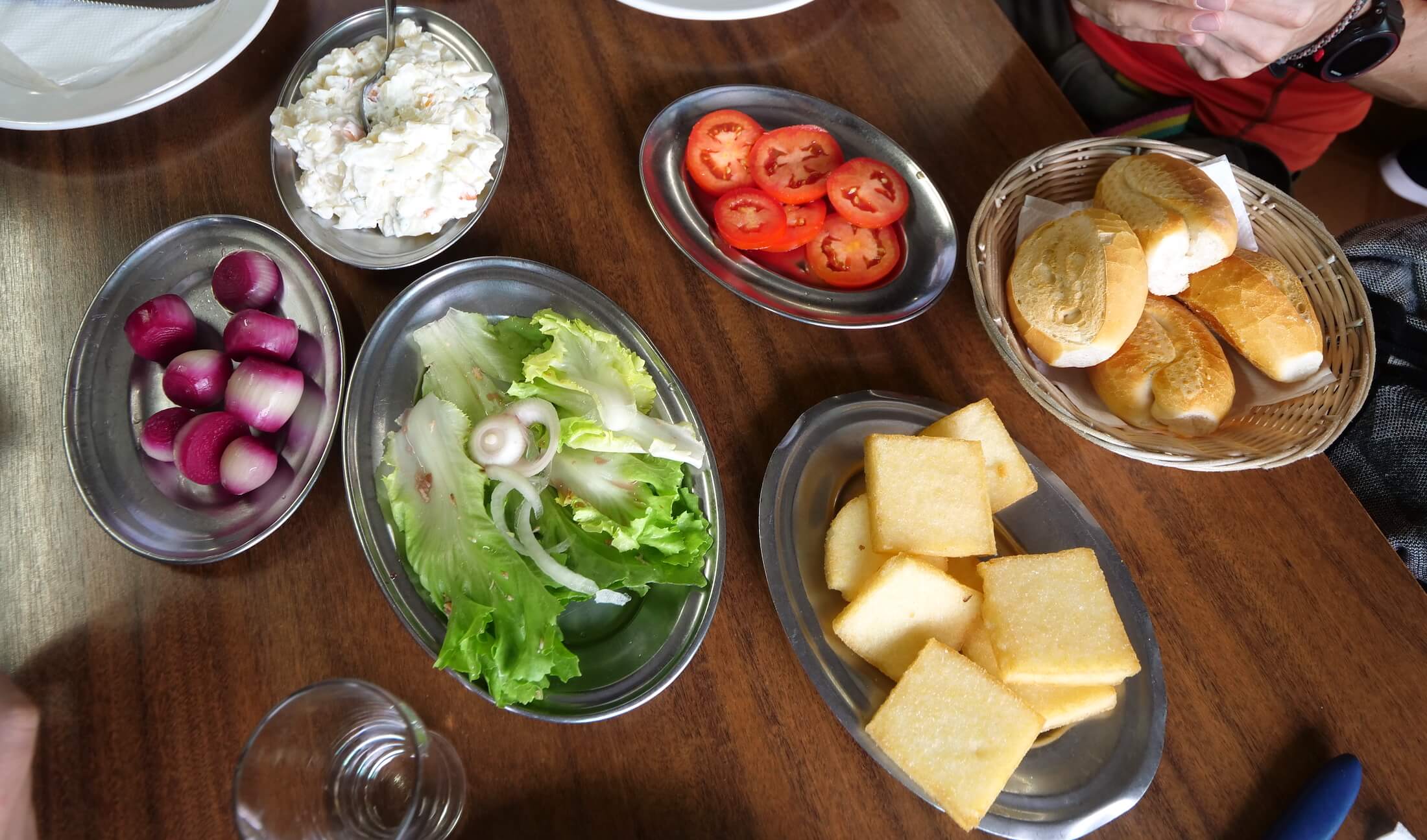
The accompanying menu features staples deeply rooted in the agricultural history of the Americas. Diners are served thick sticks of deep-fried polenta made from corn flour, fibrous manioc root with a golden and translucent appearance, and freshly baked crusty bread. Vegetable offerings include vinegared salads, sliced beets, and a signature dish of braised and crisped green-and-purple shallots. This structured yet unhurried dining environment allows patrons to sample diverse textures and flavors without the logistical interruptions typical of traditional self-serve buffets.
Economic and Cultural Implications for Regional Tourism
Curitiba, located on a high plateau in southern Brazil, benefits significantly from gastronomic tourism centered around traditional institutions like Costelão do Gaúcho. Culinary establishments of this scale contribute to the local economy by sourcing regionally produced beef, supporting agricultural supply chains for corn and manioc, and drawing domestic and international travelers away from coastal hubs into Brazil’s interior.
Food-industry analysts note that long-standing family-owned restaurants play a critical role in preserving intangible cultural heritage. By maintaining cooking methods that predate modern industrial food processing, establishments such as Costelão do Gaúcho provide measurable value to Brazil’s broader tourism marketing strategies, which increasingly highlight regional gastronomy as a primary driver for international visitors.
Operational Details and Visitor Information
For travelers planning a visit, Costelão do Gaúcho is situated near downtown Curitiba with accessibility via major municipal transit routes. Standard operating hours are from 11:00 AM to 11:00 PM, Monday through Saturday, and shortened hours from 11:00 AM to 4:00 PM on Sundays. Pricing structures are transparently maintained, with meat charged according to individual weight cuts and side dishes offered on an all-you-can-eat basis for a nominal per-person flat rate, averaging around R$30 total per guest depending on meat selection.