Leica and Billingham Collaborate on Heritage-Inspired Camera Bags for Mirrorless Systems

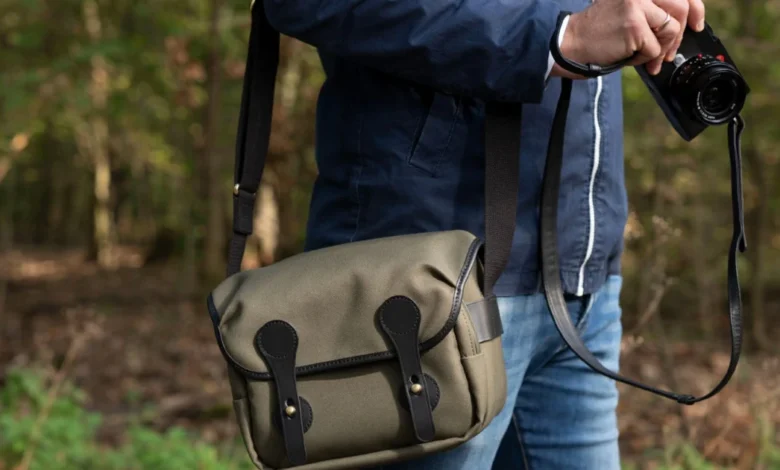
Leica Camera AG and the storied British manufacturer Billingham have officially unveiled a new co-branded collection of camera bags, specifically engineered to house the German manufacturer’s high-end mirrorless systems. The collaboration, which marks a significant intersection between artisanal craftsmanship and precision engineering, introduces two distinct carrying solutions: a compact iteration tailored for the Leica M and Q series, and a more expansive, robust model designed for the professional-grade Leica SL system. The bags, which prioritize both aesthetic continuity and functional durability, are available to consumers starting November 26, 2026, through Leica’s global retail network and official online channels.
A Legacy of British Craftsmanship
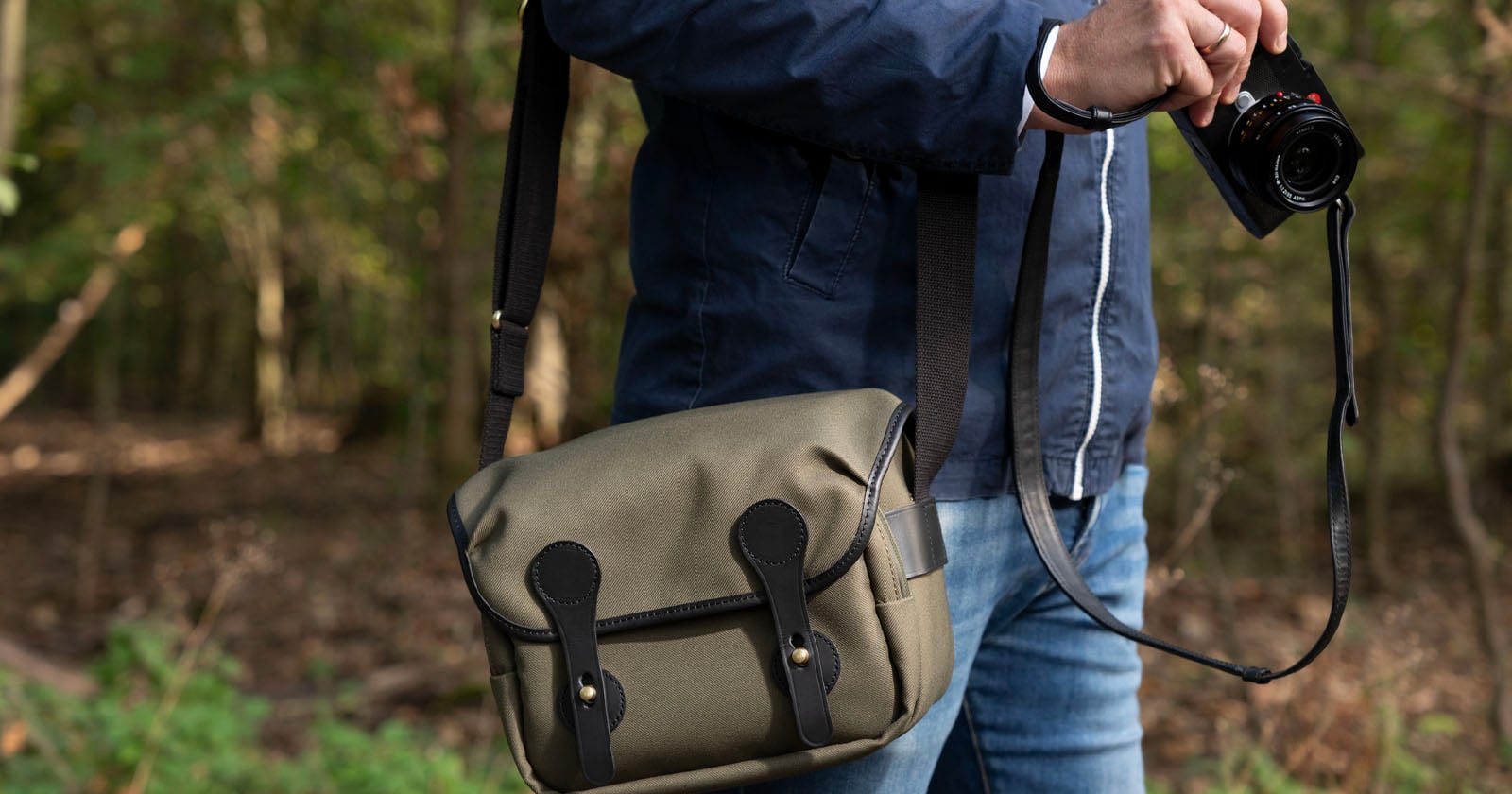
Billingham, based in the West Midlands, United Kingdom, has maintained a reputation for excellence in protective gear for photographers since its founding in 1973. Originally established to produce fishing bags, the company pivoted toward the photography market after noticing that professionals were repurposing their durable, water-resistant satchels to protect delicate equipment.
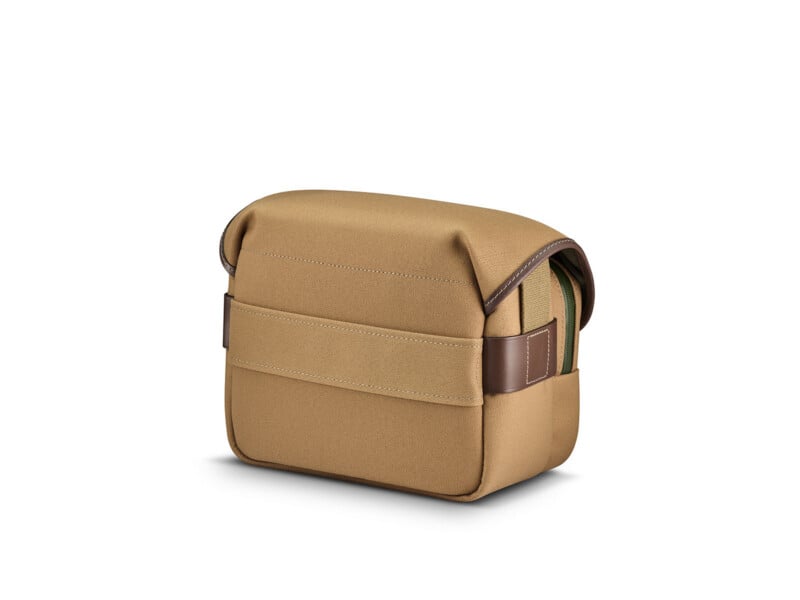
The new partnership with Leica is an extension of this heritage. By leveraging Billingham’s proprietary FibreNyte—a synthetic material designed to mirror the durability of traditional canvas while offering superior water resistance and structural integrity—the bags are positioned as premium accessories for Leica owners. Each piece features top-grain leather accents and solid brass hardware, reflecting the industrial design language often associated with Leica’s own cameras. This synergy between the two brands is intended to provide a cohesive experience for the photographer who invests heavily in the Leica ecosystem.
Architectural Design and Technical Specifications
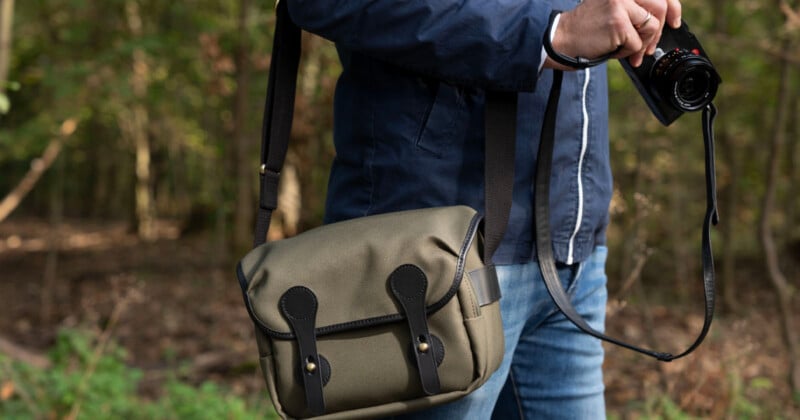
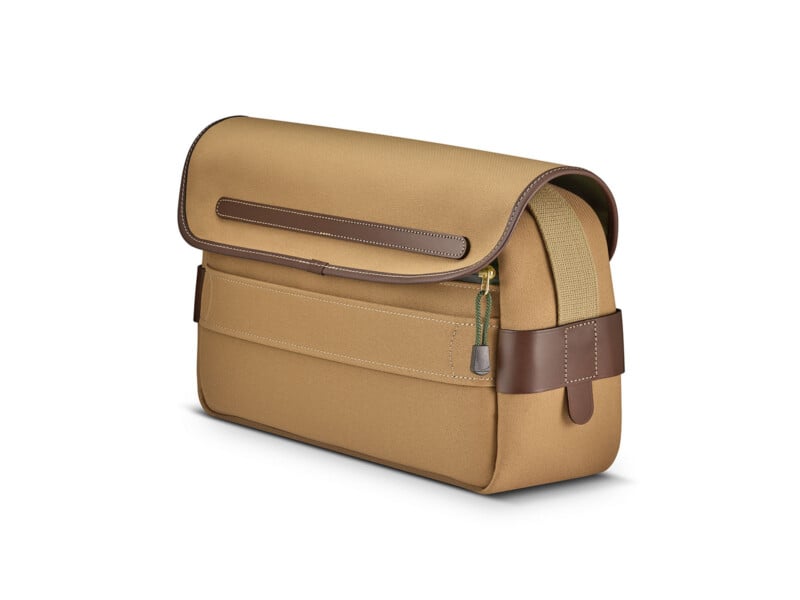
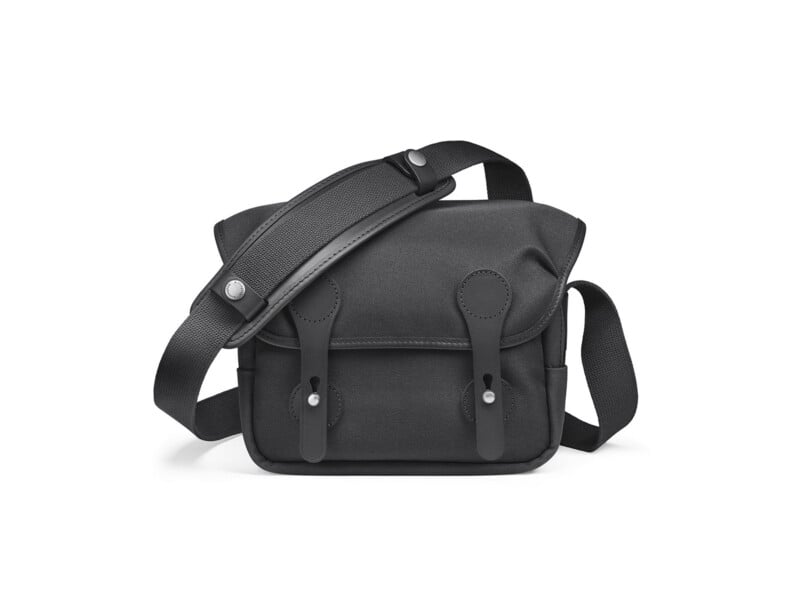
The design philosophy behind the new collection focuses on the specific dimensions and weight distribution of Leica mirrorless bodies. The smaller model, dubbed the Billingham for Leica M/Q, is optimized for the slim profiles of the M11, M11-P, or the Q3 series. Its interior is lined with high-density, closed-cell foam, featuring adjustable dividers that allow the user to securely pack a camera body with a prime lens attached, alongside room for an additional lens and essential batteries.
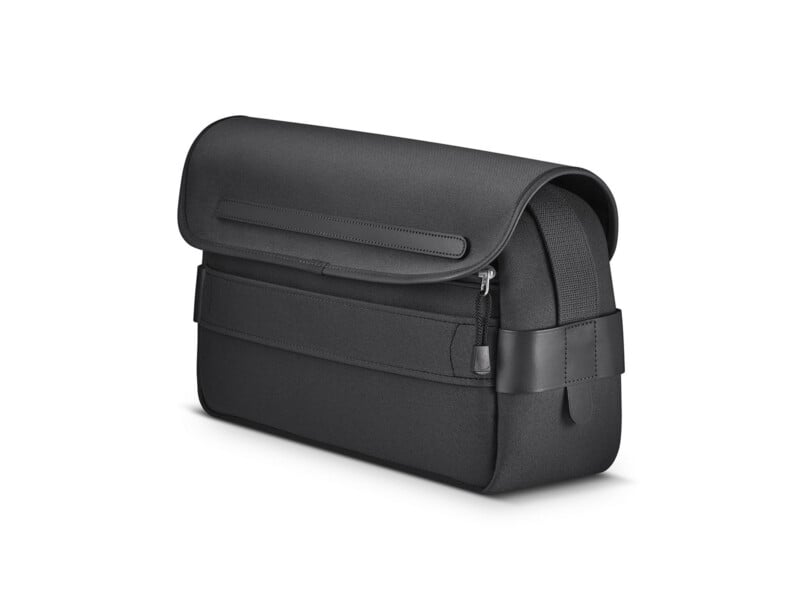
In contrast, the larger Leica SL model is engineered to support the substantial build of the SL3-P and its accompanying Vario-Elmarit or Summilux-SL lenses. This larger footprint necessitates more complex internal organization. Both bags incorporate a dedicated storage system for media cards, including slots for SD and high-speed CFexpress cards, ensuring that professional photographers can manage their data workflows while in the field.
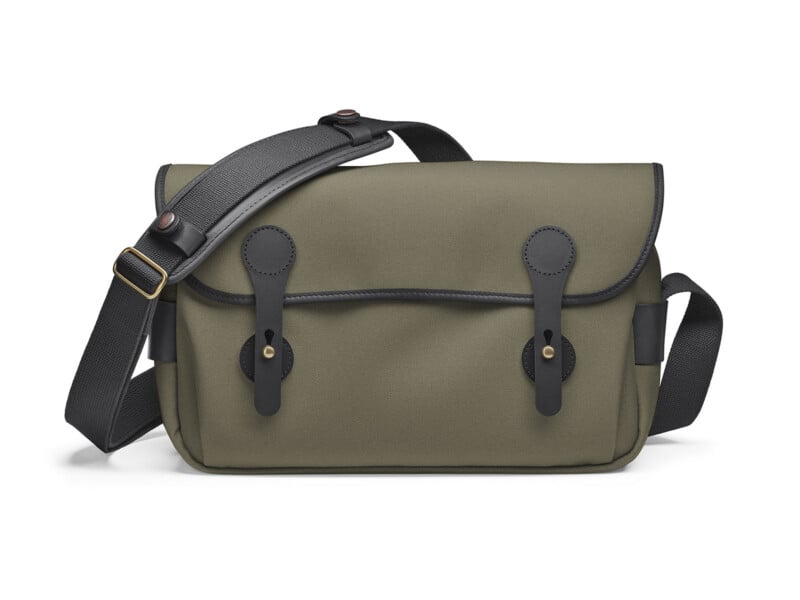
Furthermore, both models include an integrated rear luggage trolley strap. This feature acknowledges the modern photographer’s requirements, facilitating ease of travel through airports and urban transit systems. The inclusion of internal mesh pockets for accessories such as cables, lens cloths, or smartphone adapters ensures that the organization remains modular and user-friendly.
Chronology of the Leica-Billingham Partnership
While this marks a major new product launch, the relationship between Leica and various high-end accessory manufacturers has been a cornerstone of the brand’s marketing strategy for decades. Historically, Leica has partnered with companies like Oberwerth and Artisan & Artist to provide bespoke carrying solutions. However, the integration with Billingham represents a deliberate move toward a more utilitarian, all-weather design philosophy.
- June 2026: The launch of the Leica SL3-P, the flagship mirrorless camera, created an immediate demand for a dedicated, high-durability carrying solution that could protect the camera’s weather-sealed body.
- August 2026: Initial industry reports began circulating regarding a potential collaboration between the two German and British powerhouses, as prototypes were spotted at major trade events.
- November 26, 2026: Official global release of the two-tier bag collection, marking the first time Billingham has produced a dedicated "Leica-branded" line that adheres strictly to the dimensions of the M, Q, and SL series.
Economic Context and Market Positioning
The retail pricing strategy reflects the premium positioning of both brands. The M/Q-compatible bag is priced at £300 ($395 / €350), while the larger SL-compatible variant is positioned at £380 ($500 / €450).
From a market analysis perspective, these prices place the products firmly in the "luxury accessory" category. Within the camera bag sector, the average consumer-grade messenger bag ranges from $80 to $150. By pricing their collaborative efforts above this threshold, Leica and Billingham are targeting the "prosumer" and professional segment—users who have already invested between $6,000 and $10,000 into a camera body and lenses. For this demographic, the bag serves as an extension of the camera’s own value proposition: longevity, reliability, and brand prestige.
Industry Implications and User Impact
The introduction of these bags signifies a broader trend in the camera industry: the shift toward "system-specific" accessories. As digital cameras become more compact and specialized, the "one-size-fits-all" approach to camera bags is increasingly viewed as inadequate by enthusiasts.
By designing internal dividers that correspond exactly to the dimensions of the SL3-P or the M-series rangefinders, Leica is reducing the "dead space" typically found in universal bags. This results in a smaller, more ergonomic footprint that is easier to carry over long periods. Moreover, the use of FibreNyte addresses a long-standing concern among photographers: the balance between protection from the elements and the weight of the bag itself. Because FibreNyte is lighter than traditional vulcanized rubber-bonded canvas, the bags provide a significant reduction in physical strain for street photographers who may be on their feet for twelve or more hours a day.
Official Response and Market Reception
While Leica has not released formal sales figures for the initial day of availability, early reception from the photography community has been positive. Industry analysts note that Leica’s ability to maintain a strong accessory ecosystem is vital to its long-term brand loyalty.
"The collaboration represents a marriage of convenience and necessity," says an industry observer familiar with the partnership. "Leica provides the engineering specifications, while Billingham provides the manufacturing pedigree. For a user who owns an SL3-P, the risk of using a generic bag—which may not offer adequate shock absorption or weatherproofing—is simply too high. This collaboration effectively solves that problem while keeping the aesthetic in line with the understated, minimalist look that Leica owners prefer."
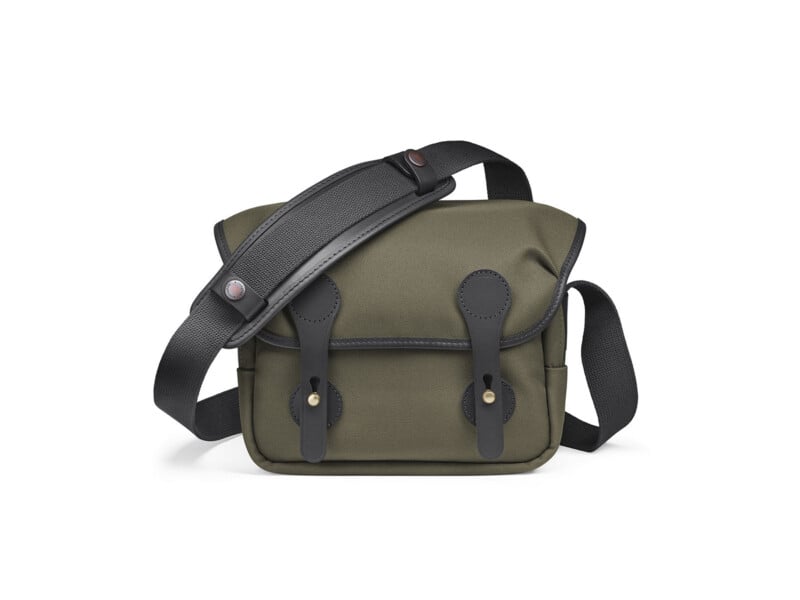
The bags are available in three distinct colorways: black, sage/black, and khaki/chocolate. These options ensure that the bags remain visually unobtrusive, adhering to the "stealth" aesthetic often prized by street and documentary photographers who prefer to remain inconspicuous while working in public spaces.
Conclusion: A Strategic Investment
The launch of the Leica-Billingham collection is more than a simple product release; it is a strategic alignment of two companies that prioritize build quality and longevity. As the mirrorless market continues to evolve, the demand for specialized, high-durability accessories is expected to grow.
For the professional photographer, the value of these bags lies in their specialized engineering. By providing a secure, weather-resistant, and logically organized home for their equipment, Leica and Billingham are offering a solution that preserves the longevity of the camera systems themselves. With the bags now available globally, the partnership sets a new standard for how manufacturers can support their hardware through thoughtful, well-integrated peripheral design, ensuring that Leica’s precision optics and bodies remain protected in the most challenging field environments.