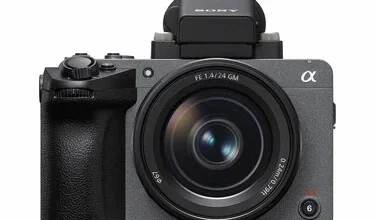
Choosing the right full-frame mirrorless camera has become increasingly complex as manufacturers push the boundaries of imaging technology, blurring the lines between high-resolution specialty tools and versatile hybrid workhorses. In the modern photographic landscape, Sony continues to dominate a substantial share of the professional and enthusiast market through its meticulously engineered Alpha series. The ongoing debate regarding camera selection often boils down to evaluating specific operational priorities, sensor capabilities, autofocus performance, and, crucially, budget constraints. Two of Sony’s prominent offerings in this ecosystem—the ultra-high-resolution flagship lineage represented conceptually by the Sony a7R VI and the versatile, all-around powerhouse represented by the Sony a7 V—present distinct value propositions for content creators, commercial photographers, and hybrid videographers alike.
This comprehensive analysis delves into the core specifications, real-world applications, and market positioning of these two sophisticated imaging devices. By examining their design philosophies, target demographics, and technological advancements, prospective buyers can make an informed decision tailored to their specific creative workflows. Furthermore, this review explores the broader context of Sony’s product evolution, accessory ecosystems, and how post-processing tools like Lightroom presets factor into the modern digital photography pipeline.
Understanding the Sony Alpha Ecosystem and Market Position
To fully appreciate the differences between the Sony a7R VI and the Sony a7 V, one must understand the strategic segmentation of Sony’s mirrorless lineup. Historically, the brand’s numerical nomenclature and letter suffixes have designated specific operational priorities: the base "a7" models are designed as all-around hybrid cameras optimized for a balance of speed, resolution, low-light performance, and video capabilities; the "a7R" (Resolution) series prioritizes ultra-high megapixel counts, microscopic detail, and massive dynamic range for landscape, studio, and commercial photographers who demand the utmost clarity for large-format printing or aggressive cropping.
Over successive generations, Sony has closed the gap between these distinct lines. Features that were once exclusive to high-resolution studio bodies—such as advanced stabilization systems, dual card slots, sophisticated menu interfaces, and robust weather sealing—have progressively trickled down into the standard a7 models. Conversely, the speed and processing power traditionally reserved for lower-resolution sports and action cameras have been integrated into newer iterations of the "R" series. Consequently, the choice between an a7R model and a standard a7 model is no longer a compromise between modern features and raw pixels; rather, it is a nuanced decision regarding data management, file sizes, specific shooting speeds, and price-to-performance ratios.
Key Hardware and Performance Comparisons
When evaluating the Sony a7R VI alongside the Sony a7 V, potential buyers must weigh several critical technical pillars: sensor resolution, processing engine efficiency, autofocus capabilities, video specifications, and physical ergonomics.
Sensor Resolution and Image Quality
The defining characteristic of the high-resolution branch is its sensor architecture. While standard models cater to everyday shooting scenarios with manageable file sizes that streamline data transfer and storage, high-resolution variants cater to professionals who require immense detail. Landscape photographers counting individual blades of grass in a distant meadow, commercial product photographers capturing microscopic fabric textures, and portrait artists needing pristine skin-rendering capabilities heavily lean toward the ultra-high-resolution tier. However, this level of detail comes with logistical challenges, including larger RAW file sizes that demand faster computer processing speeds, higher-capacity memory cards, and significantly more storage space.
Conversely, the Sony a7 V series typically offers a more moderate resolution sweet spot. This lower pixel count generally translates to superior high-ISO performance, reduced digital noise in low-light environments, and faster continuous shooting frame rates without buffering prematurely. For photojournalists, event shooters, and wedding photographers who must deliver thousands of images under tight deadlines, the more manageable file sizes of the standard a7 line often prove to be a distinct operational advantage.
Autofocus and Artificial Intelligence Integration
In contemporary mirrorless technology, autofocus performance is heavily dictated by dedicated AI processing units and deep-learning algorithms. Both the a7R VI and the a7 V benefit from Sony’s latest generation of subject-recognition autofocus systems. These cameras are capable of tracking human eyes, bodies, and heads with remarkable tenacity, alongside specialized tracking modes for animals, birds, insects, cars, trains, and airplanes.
While both cameras offer exceptional acquisition speeds and tracking stickiness, the processing demands of handling massive files on high-resolution sensors can sometimes introduce subtle operational differences in maximum burst depths or buffer clearance times. Users prioritizing relentless action tracking—such as sports or wildlife photographers—must carefully evaluate how buffer capacity impacts their specific shooting style.
Video Capabilities and Hybrid Performance
The modern content creator rarely shoots stills exclusively; video integration is now a mandatory baseline expectation. Sony has positioned both the a7R VI and the a7 V as capable hybrid tools, supporting high-bitrate internal recording, advanced log profiles (such as S-Log3 and S-Gamut3.Cine) for maximum grading flexibility, and sophisticated thermal management systems to prevent overheating during extended recording sessions.
However, rolling shutter characteristics and pixel binning or downsampling methods differ between high-resolution sensors and standard-resolution sensors. High-resolution sensors often must process massive amounts of data, which can occasionally lead to more pronounced rolling shutter artifacts during rapid panning unless advanced sensor readout speeds are implemented. Standard models like the a7 V frequently offer cleaner 4K readout with minimal crop factors, making them exceptionally attractive for dedicated videographers and filmmakers working on commercial video productions.
Chronology of the Sony Alpha Line and Real-World Evaluation
The evolution of Sony’s full-frame mirrorless architecture has been characterized by rapid, iterative advancements. Since the introduction of the original a7 and a7R models over a decade ago, Sony has continuously refined its electronic viewfinders, battery life, menu systems—transitioning from the notoriously complex legacy menus to the streamlined, touch-responsive interface found on modern bodies—and wireless connectivity options.
Evaluating these cameras in real-world scenarios requires looking beyond spec sheets. Independent real-world reviews and comprehensive user guides play a vital role in bridging the gap between laboratory testing and practical application. Resources such as the Sony a7R VI Real World Review, Sony a7R VI User Guide, Sony a7 V Real World Review, and Sony a7 V User Guide provide invaluable insights into how these devices handle harsh weather, difficult lighting conditions, and demanding professional workflows. Furthermore, comparative analyses—such as the Sony a7 V vs. a7 IV vs. a7C II comparison—help consumers understand generational leaps and the broader landscape of Sony’s product hierarchy, ensuring buyers do not overlook alternative form factors within the brand ecosystem.
Supporting Data, Pricing, and Market Value
Price remains one of the most decisive factors in consumer electronics purchasing decisions. The Sony a7R VI commands a premium price point, reflecting its specialized, cutting-edge sensor technology and advanced studio-oriented feature set. It is an investment tailored for professional commercial studios, fine-art photographers, and advanced enthusiasts who can monetize the ultra-high-resolution output.
On the other hand, the Sony a7 V occupies a more accessible sweet spot in the marketplace. By offering a balanced feature set at a lower price point, it appeals to a significantly broader audience, including hybrid creators, wedding photographers, and passionate hobbyists who desire flagship-level autofocus and build quality without the financial burden associated with specialized high-resolution flagships. When calculating the total cost of ownership, buyers must also factor in associated expenses, such as high-speed CFexpress or SD cards, high-capacity external storage, and premium glass. Speaking of lenses, high-resolution sensors are notoriously unforgiving; they demand exceptional optical glass to resolve fine details properly, meaning users of an a7R body may need to invest in premium G-Master lenses to truly maximize their sensor’s potential.
The Importance of Post-Processing and Creative Ecosystems
Purchasing a high-performance camera body is only the first step in the modern digital photography workflow. Capturing high-dynamic-range RAW files is merely raw material; the final image is forged in the digital darkroom through post-processing software such as Adobe Lightroom.
To help photographers accelerate their editing workflows and achieve consistent, professional aesthetic results, custom preset packages have become a staple of the photography industry. For instance, the release of FROPACK5 introduces 17 all-new custom Lightroom presets designed to streamline color grading and stylistic adjustments for various lighting conditions. Utilizing professionally crafted presets allows creators to spend less time manipulating sliders and more time behind the lens, ensuring a cohesive look across portfolios, client galleries, and social media platforms.
Broader Impact and Industry Implications
The continuous rivalry between high-resolution specialization and versatile hybrid performance reflects a larger maturation phase in the digital imaging industry. As smartphone cameras absorb the casual snapshot market, dedicated camera manufacturers like Sony, Canon, Nikon, and Fujifilm are forced to cater increasingly to demanding enthusiasts and working professionals.
The innovations introduced in flagship bodies like the a7R VI and a7 V—such as advanced AI-driven autofocus, improved in-body image stabilization (IBIS), and refined color science—ultimately elevate the entire baseline of digital photography. These technologies trickle down to entry-level and mid-range devices over time, making professional-grade tools accessible to a wider demographic of visual storytellers.
Conclusion and Recommendations for Prospective Buyers
Ultimately, the choice between the Sony a7R VI and the Sony a7 V depends entirely on the specific demands of the individual photographer or videographer. Those whose primary focus is landscape, architecture, commercial studio work, or fine art—where every single pixel counts and cropping flexibility is paramount—will find the investment in the ultra-high-resolution a7R lineage to be fully justified. Conversely, shooters who require a nimble, responsive hybrid tool for events, weddings, street photography, and multi-disciplinary video production will likely benefit more from the balanced performance, manageable file sizes, and lower price point of the Sony a7 V.
By carefully evaluating personal workflow requirements, budget constraints, and long-term creative goals, creators can select a camera that not only meets their technical expectations but also empowers their artistic vision for years to come.