The modern travel landscape has experienced a profound structural shift over the past decade, moving away from dense, highly scheduled urban tourism toward secluded, nature-centric getaways. Among these, the lakehouse staycation has emerged as a premier option for families and travelers seeking respite from hyper-connectivity and urban congestion. According to recent hospitality data, demand for waterfront rental properties has stabilized at historically high levels, driven by a growing psychological need for decompression, remote work flexibility, and multigenerational bonding. However, travel analysts and property managers note that while the concept of a lakeside retreat is universally appealing, executing a seamless trip requires careful logistical preparation, geographic awareness, and a nuanced understanding of vacation etiquette.
Main Facts and the Rise of the Lakehouse Market

The appeal of the lakehouse staycation lies in its sensory contrast to daily life: the absence of background traffic noise, rigid commercial itineraries, and crowded hotel lobbies. Instead, guests are met with natural acoustics—water lapping against docks, wind rustling through treelines, and the unhurried cadence of outdoor living. Yet, industry experts emphasize that the success of these trips hinges entirely on pre-trip decisions regarding property selection, seasonal packing, and expectation management.
Data compiled by travel and tourism boards indicate that domestic vacation rentals, particularly those near freshwater lakes, saw a permanent surge in popularity following shifts in remote work policies. Families are increasingly booking extended weekend or weekly stays rather than traditional short-term hotel blocks. This trend has transformed sleepy lakeside communities across North America and Europe into year-round tourism hubs. However, this growth also highlights a recurring friction point: the gap between the idyllic marketing images of rental platforms and the practical realities of staying in a private home.
Choosing the Right Waterfront Property
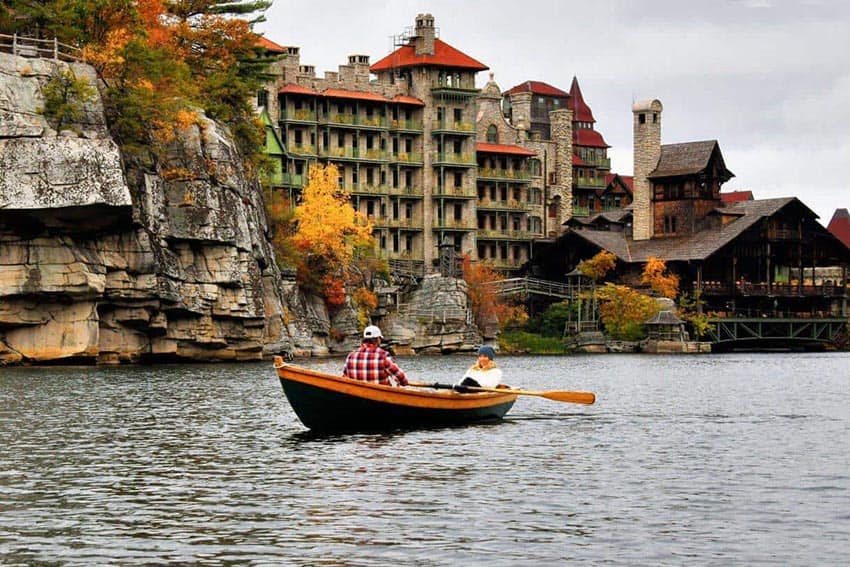
Selecting the appropriate lakehouse requires evaluating physical infrastructure far beyond aesthetic appeal. Real estate and property management specialists advise prospective travelers to dissect listings based on specific family demographics and intended recreational activities.
The primary variable is water access and shoreline geography. Properties advertised as "lakefront" can vary dramatically in topography. For families with small children or non-swimmers, the gradient of the shoreline and the depth of the water near the dock are critical safety metrics. Some glacial lakes feature steep drop-offs just inches from the shoreline, whereas shallow, sandy-bottomed coves offer safer wading environments for toddlers.
Furthermore, interior layouts must match the lifestyle of the guests. A rustic cabin equipped with a wood-burning stove offers a distinct atmosphere compared to a modern, glass-paneled smart home, but neither is objectively superior. Families prioritizing communal dining and board games require expansive living spaces and large dining tables, whereas those seeking solitude may prioritize private balconies, multi-tier decks, and remote positioning. Infrastructure essentials—such as high-speed broadband reliability, fully equipped kitchens, HVAC efficiency, and adequate parking—frequently dictate whether a stay feels genuinely restorative or frustratingly inconvenient.

Chronology of Modern Travel Planning and Seasonal Shifts
The lifecycle of a successful lakehouse staycation typically follows a distinct chronological arc: early-stage property curation months in advance, logistical preparation weeks prior, and an intentionally flexible schedule during the actual stay.
Historically, summer was considered the exclusive window for waterfront travel. However, contemporary tourism metrics demonstrate a significant diversification across all four seasons. Recent travel industry surveys indicate that approximately 54 percent of travelers actively pursue trips during the winter months. This shift has bifurcated the lakehouse market into two distinct operational periods:

- The Summer Peak: Characterized by water sports, swimming, hiking, and outdoor dining. Logistics focus on sun protection, watercraft rentals, and managing high-temperature outdoor living.
- The Winter Solitude: Characterized by frozen landscapes, wood-burning stoves, and indoor leisure. Logistics shift toward insulation, fireplace maintenance, vehicle preparedness for unpaved or snowy access roads, and cold-weather provisions.
This seasonal evolution requires travelers to adapt their packing methodologies dynamically. Arriving at a remote winter lakehouse without adequate heating supplies or emergency provisions can quickly compromise safety, just as forgetting fundamental kitchen staples during a summer trip can lead to frustrating, multi-mile drives to sparse rural convenience stores.
Supporting Data and Technological Logistics
Modern travel relies heavily on digital infrastructure, even in remote environments. A frequent pitfall for lakehouse visitors is the assumption that digital connectivity will mirror urban standards. Wi-Fi networks in rural or mountainous areas often rely on satellite or fixed-wireless systems prone to bandwidth throttling or weather-related disruptions.

Moreover, cross-border travel introduces distinct complications regarding media consumption and digital rights management. Content libraries for major streaming services frequently change when crossing international borders—such as traveling from the United States to Canada or Mexico. To mitigate these disruptions, travel technologists recommend downloading offline media libraries prior to departure or utilizing Virtual Private Network (VPN) solutions to maintain consistent access to domestic IP-based streaming services. Ensuring these digital redundancies are addressed ahead of time prevents the frustration of unplayable media during inclement weather evenings.
Similarly, kitchen and domestic provisioning require strategic foresight. While rental listings frequently claim to be "fully stocked," basic culinary consumables—such as cooking oil, specialized spices, preferred coffee blends, and condiments—are rarely guaranteed to match individual consumer standards. Travel coordinators universally advise packing a basic culinary survival kit to avoid unnecessary trips into town.
Statements and Industry Perspectives

Hospitality analysts and tourism board representatives emphasize that the core objective of a lakehouse retreat is psychological decompression, which is frequently undermined by over-scheduling.
"The single biggest mistake travelers make is treating a nature retreat like an urban sightseeing tour," notes Dr. Elena Vance, a senior researcher in tourism sociology. "When visitors construct minute-by-minute itineraries for a lakehouse vacation, they recreate the exact corporate or academic pressures they are trying to escape. The environment is designed to set its own pace; the human element must surrender to that rhythm."
Property managers echo this sentiment, reporting that guest satisfaction scores are consistently higher among groups that embrace unstructured days. Allowing weather patterns, spontaneous local discoveries—such as unadvertised regional farmers’ markets or lakeside carnivals—and organic energy levels to dictate the daily schedule yields vastly superior psychological recovery metrics compared to rigid adherence to planned excursions.

Broader Impact and Economic Implications
The sustained popularity of lakehouse staycations has generated profound economic and structural ripples across rural municipalities. Small lakeside towns that traditionally experienced severe seasonal economic contractions are now witnessing year-round revenue streams. Local businesses, from independent cider houses and artisanal bakeries to equipment rental outfitters, have adapted to service a more discerning, year-round demographic of remote workers and multi-generational family travelers.
Simultaneously, this influx has intensified infrastructure challenges for rural local governments. Issues concerning waste management, short-term rental zoning regulations, and the preservation of natural shorelines have become central topics in municipal planning. Balancing the economic benefits of tourism with the preservation of ecological tranquility remains a delicate policy debate across major recreational lake districts in North America and Europe.

Ultimately, the enduring appeal of the lakehouse staycation rests on its simplicity. By combining careful upfront logistical planning—ranging from property due diligence to seasonal packing and digital preparation—with a disciplined commitment to unstructured relaxation, travelers can reclaim a sense of temporal autonomy. As contemporary life grows increasingly digitized and fast-paced, the quiet shores of a remote lake offer not merely a physical destination, but a necessary psychological anchor.