Europe Tourism Rebounds Strongly in 2025 as Major Cities Welcome Record International Arrivals

Europe’s tourism sector has achieved a robust recovery, officially surpassing pre-pandemic benchmarks with over 793 million international arrivals recorded. Following years of volatility, travel restrictions, and shifting consumer behavior triggered by global health crises, the continent’s hospitality and aviation industries are experiencing unprecedented demand. Data compiled from recent industry analyses by Euromonitor International, alongside figures released by municipal and national tourism boards, indicates that urban destinations across the continent are managing historic volumes of visitors, reshaping local economies, and prompting a reevaluation of sustainable urban tourism management.
The resurgence of European travel is largely attributed to pent-up consumer demand, expanded international flight routes, and the normalization of cross-border mobility. While traditional leisure travel drives a significant portion of this influx, business travel, remote-work mobility, and cultural tourism have also rebounded. Cities that once faced severe economic downturns during the pandemic are now grappling with the operational realities of mass tourism, balancing the financial benefits of millions of annual visitors against infrastructure strain, housing market pressures, and environmental concerns.
Paris Secures the Top Spot as Europe’s Most Visited Destination
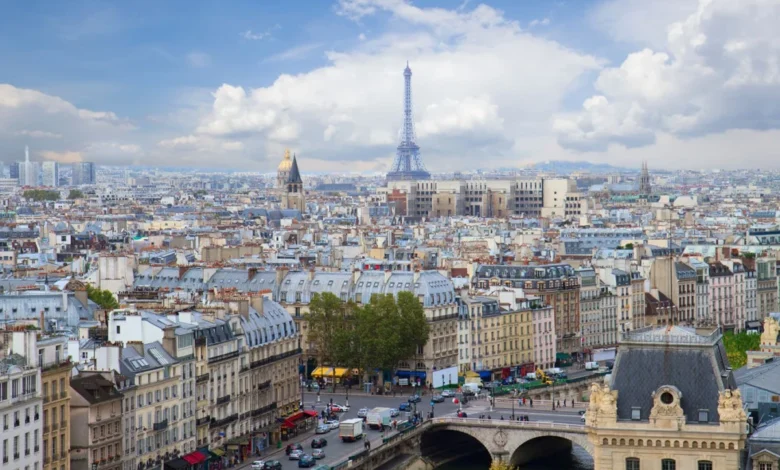
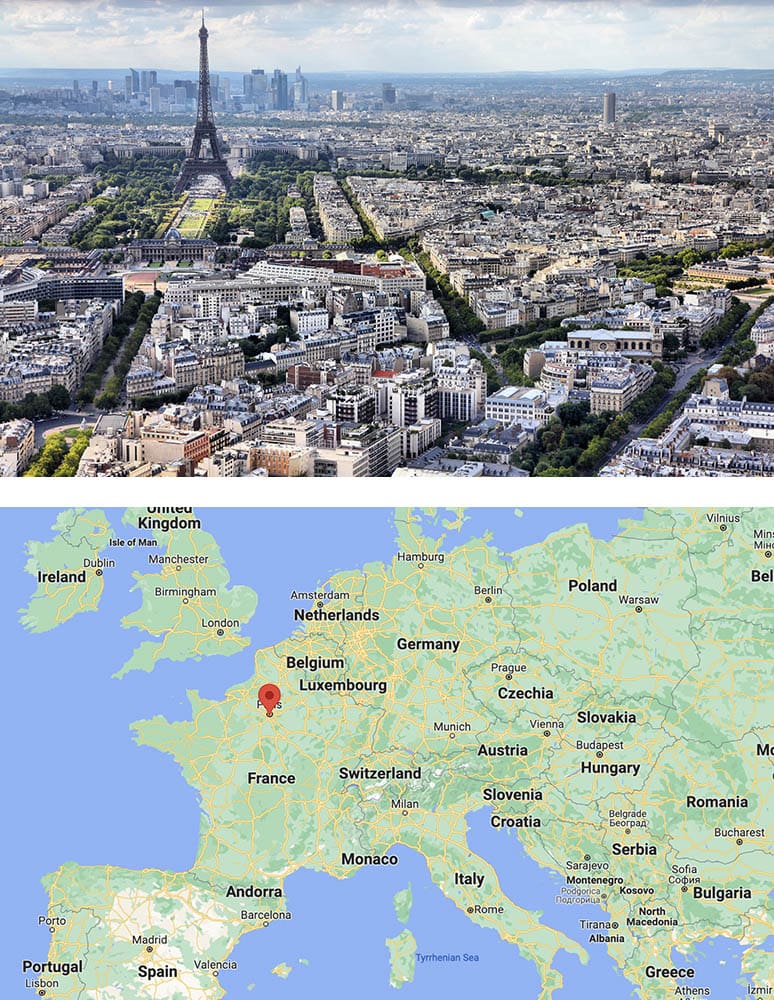
Leading the continental rankings is Paris, France, which has reclaimed its position as Europe’s most visited city, pulling ahead of London with an estimated 50 million annual visitors. France as a whole continues to maintain its status as the most visited country in the world. Paris’s enduring appeal is driven by its dense concentration of world-class cultural institutions, historical monuments, and extensive accommodation offerings, ranging from luxury hotels to vacation rentals.
City officials have noted that the efficient public transportation network, anchored by the Paris Metro, has been vital in distributing visitor volume across various districts. However, the sheer volume of tourists has intensified ongoing debates regarding urban density, short-term rentals, and affordability for long-term residents.
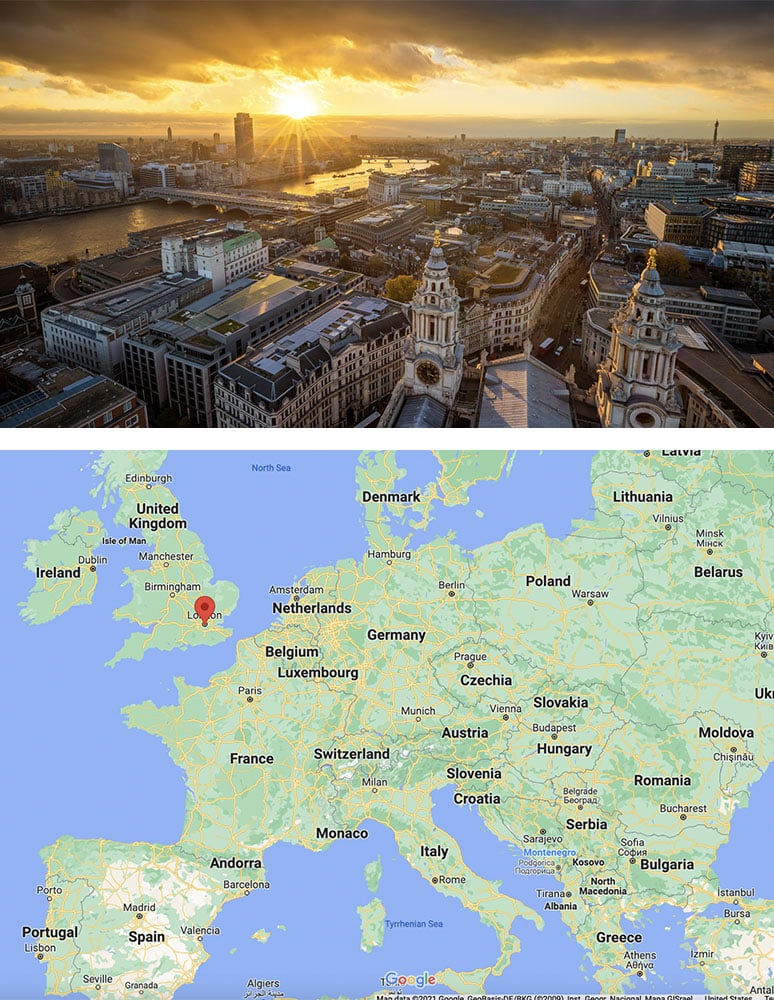
London, United Kingdom, follows closely behind with approximately 40 million annual visitors. For years, London held the top position in European urban arrivals. It remains a primary gateway for transatlantic travelers, benefiting from major international airports and the absence of a language barrier for English-speaking tourists from North America and beyond. Analysts note that London’s diverse cultural offerings, free access to many national museums, and robust transport infrastructure continue to make it an essential first stop for multi-city European itineraries.
Historical Powerhouses and Mediterranean Hotspots Dominate Rankings
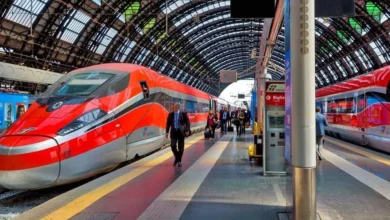
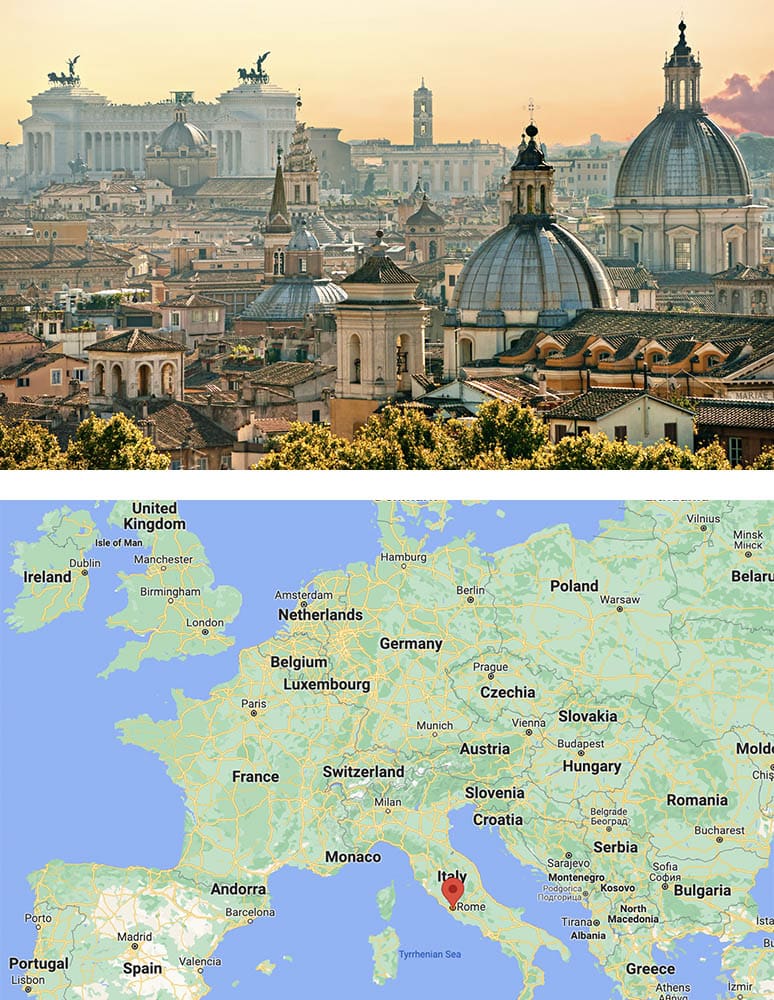
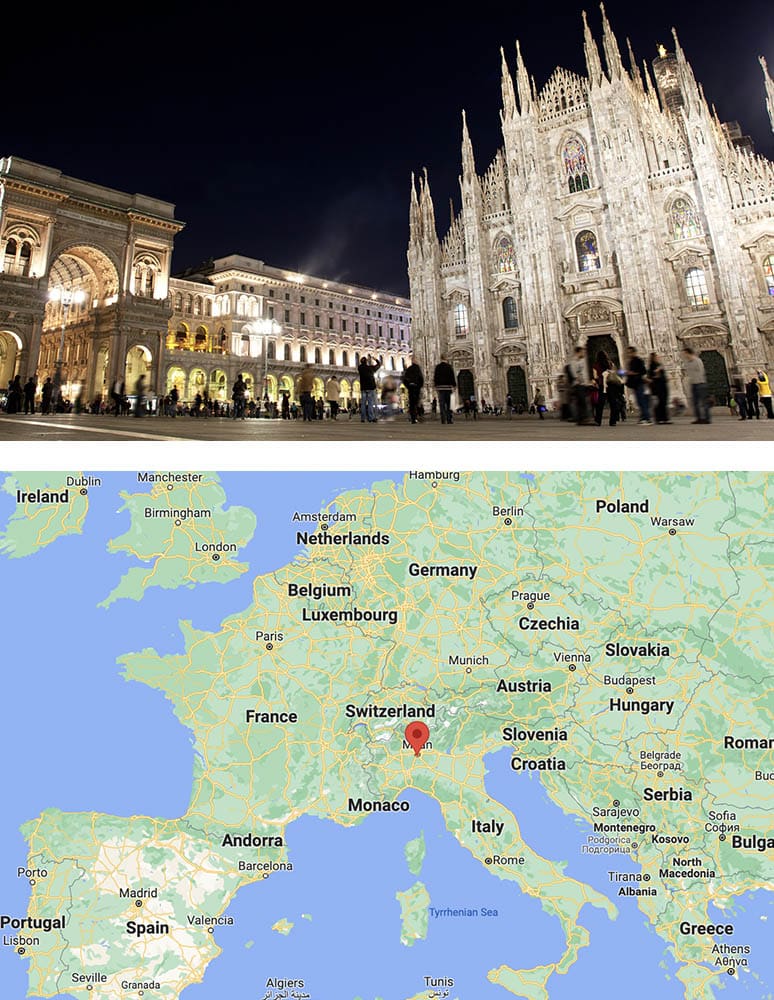
Rome, Italy, ranks third with 35 million annual visitors, reinforcing its reputation as one of the world’s preeminent historical and cultural hubs. The Italian capital serves as a critical entry point for travelers exploring the broader Mediterranean region, supported by high-speed rail networks connecting it to Florence, Milan, and Venice.
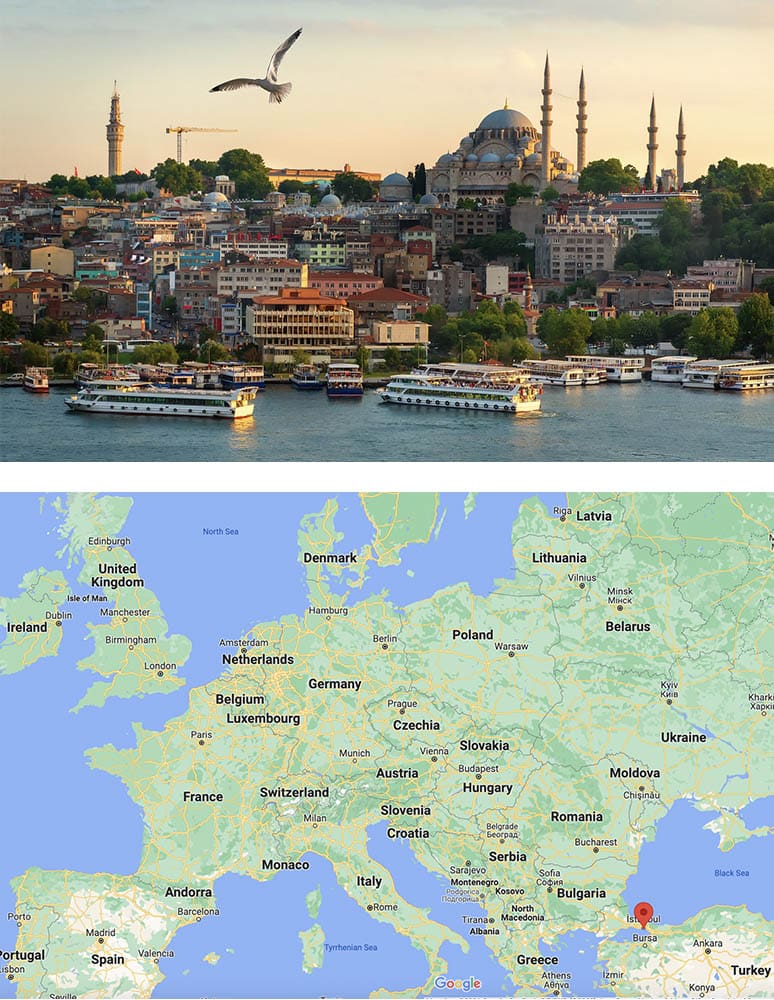
Meanwhile, Istanbul, Turkey, has experienced a remarkable resurgence, welcoming 20 million visitors annually. Following a period marked by regional political instability and security concerns, Istanbul has seen a dramatic rebound in tourism. Travelers are drawn to its unique geographic and cultural positioning as a bridge between Europe and Asia, historical architecture, and expanding aviation hub status through Istanbul Airport.
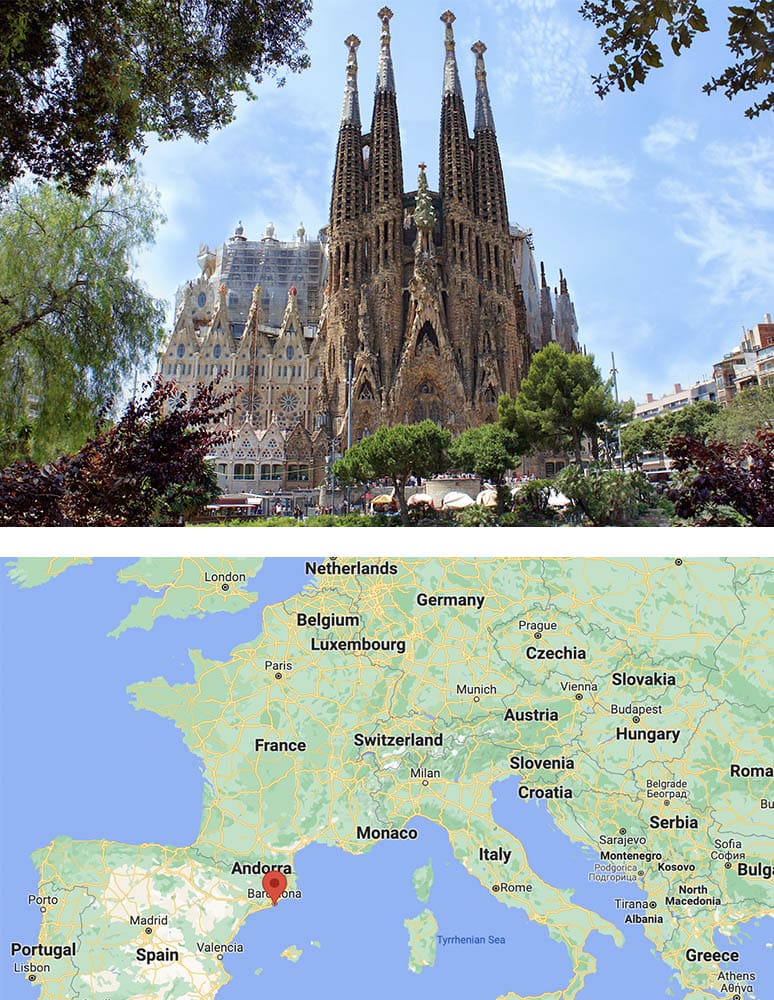
In Western and Southern Europe, classic leisure destinations continue to draw massive crowds. Barcelona, Spain, records 16 million annual visitors, celebrated for its unique modernist architecture, Mediterranean climate, and vibrant culinary landscape. However, Barcelona has also become a focal point for discussions on over-tourism, prompting local authorities to implement stricter regulations on cruise ship docks and holiday apartments.
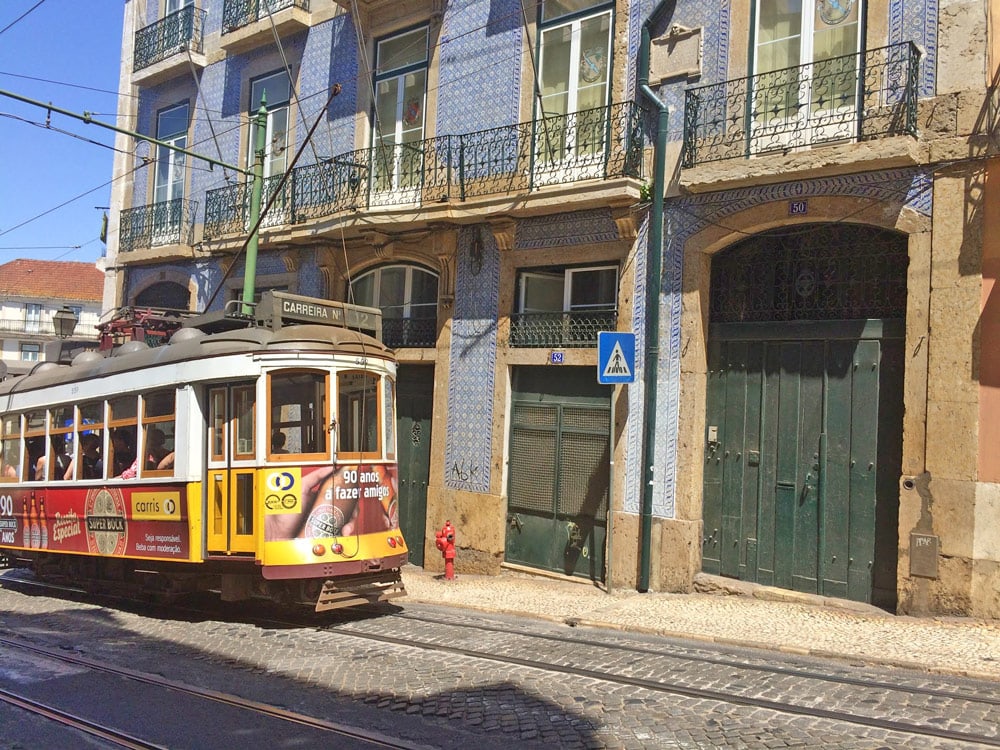
Lisbon, Portugal, has experienced a meteoric rise in popularity, attracting 14 million visitors. Offering a more cost-effective alternative to Western European capitals, Lisbon’s coastal setting, historic neighborhoods, and expanding culinary scene have made it a favorite for both budget-conscious backpackers and luxury travelers.
Central and Northern European Capitals Face Capacity Challenges
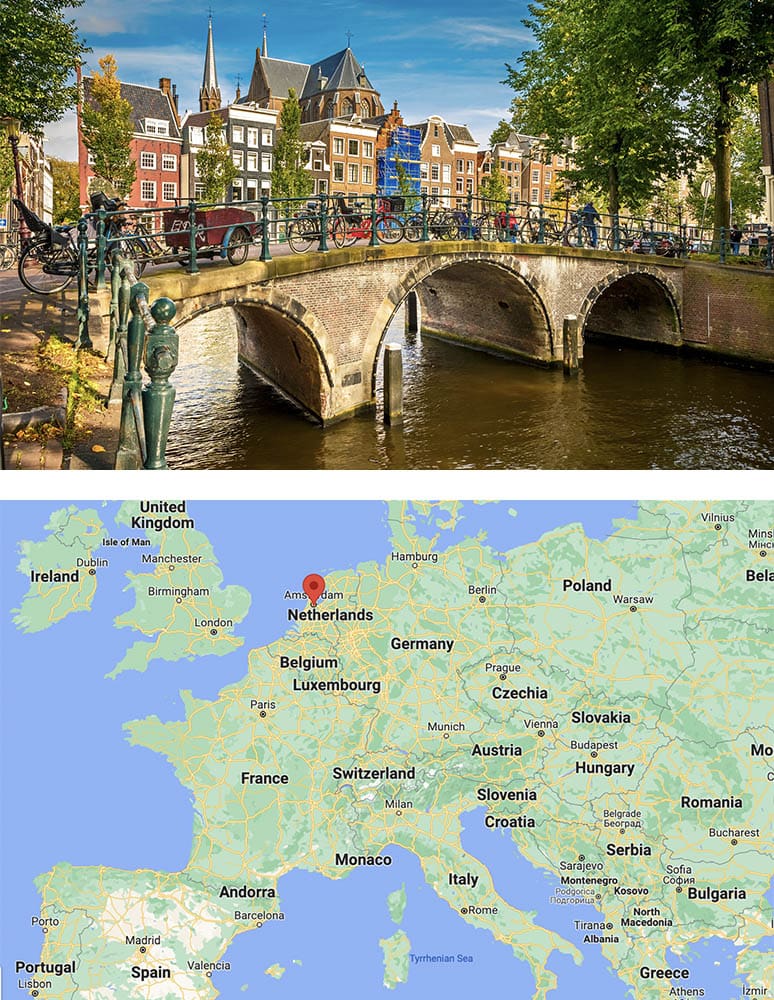
Further north, Amsterdam, Netherlands, registers 8.9 million annual visitors. Despite its relatively compact geographical footprint, the city’s iconic canal rings, historic art museums, and liberal social policies draw immense crowds. Amsterdam has been one of the most vocal advocates against over-tourism, actively discouraging nuisance tourism and encouraging visitors to explore during the off-season to alleviate pressure on local infrastructure.
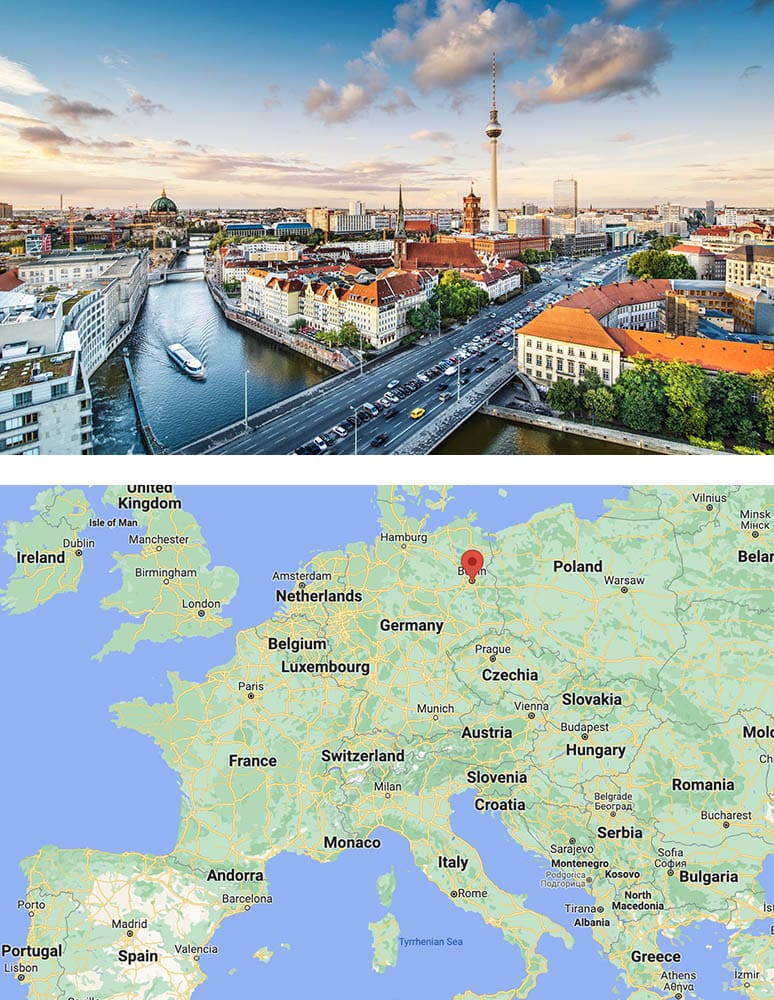
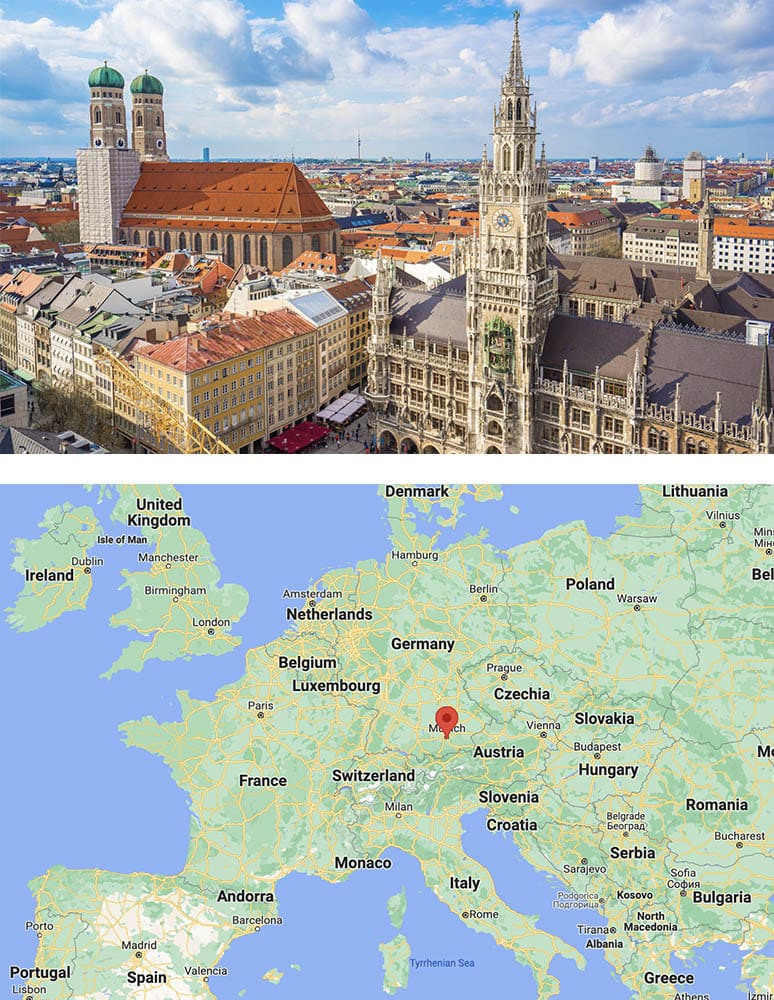
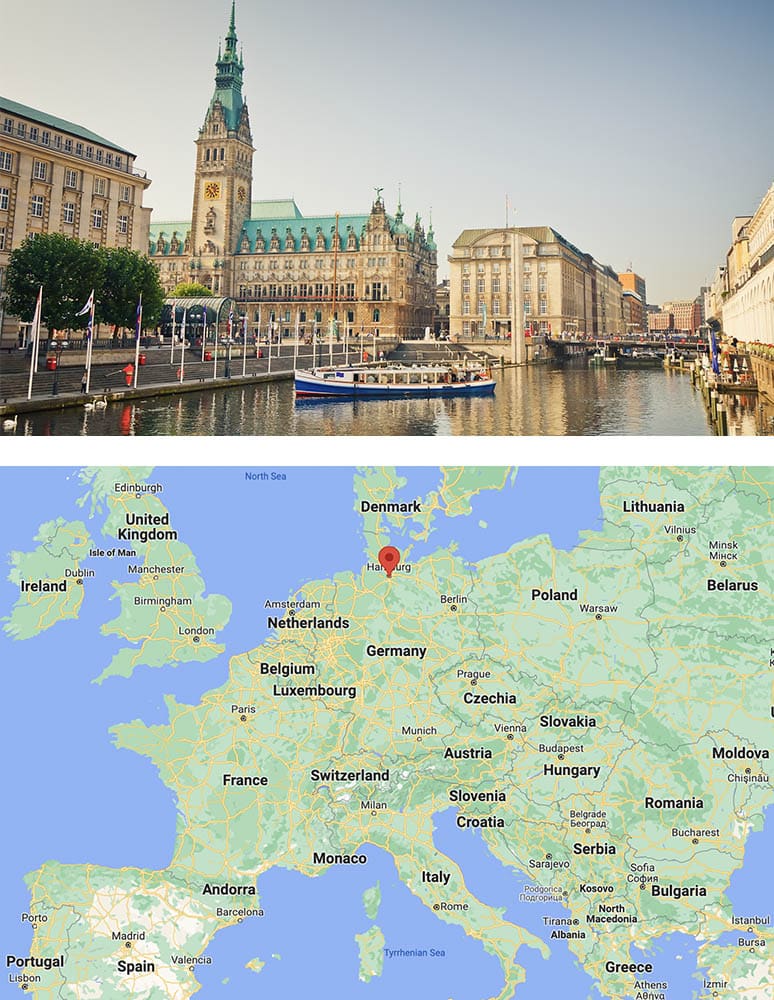
German cities feature prominently in the mid-tier rankings, led by Munich with 8.2 million visitors, Berlin with 6.3 million, and Hamburg with 4 million. Munich’s appeal is anchored by traditional Bavarian culture, museums, and the globally renowned Oktoberfest. Berlin continues to attract a younger demographic interested in contemporary arts, music, and historical sites, while maintaining a reputation as one of Western Europe’s more affordable major capitals. Hamburg, acting as Germany’s largest port city, has successfully rebranded its historic warehouse district into a modern cultural and architectural quarter.
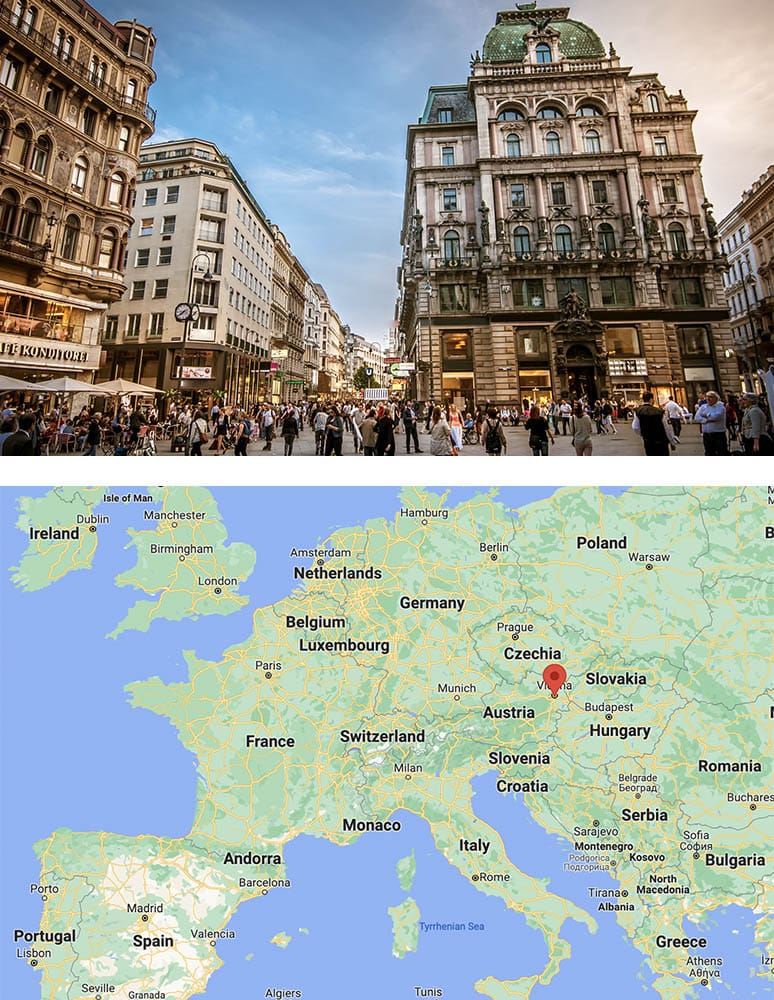
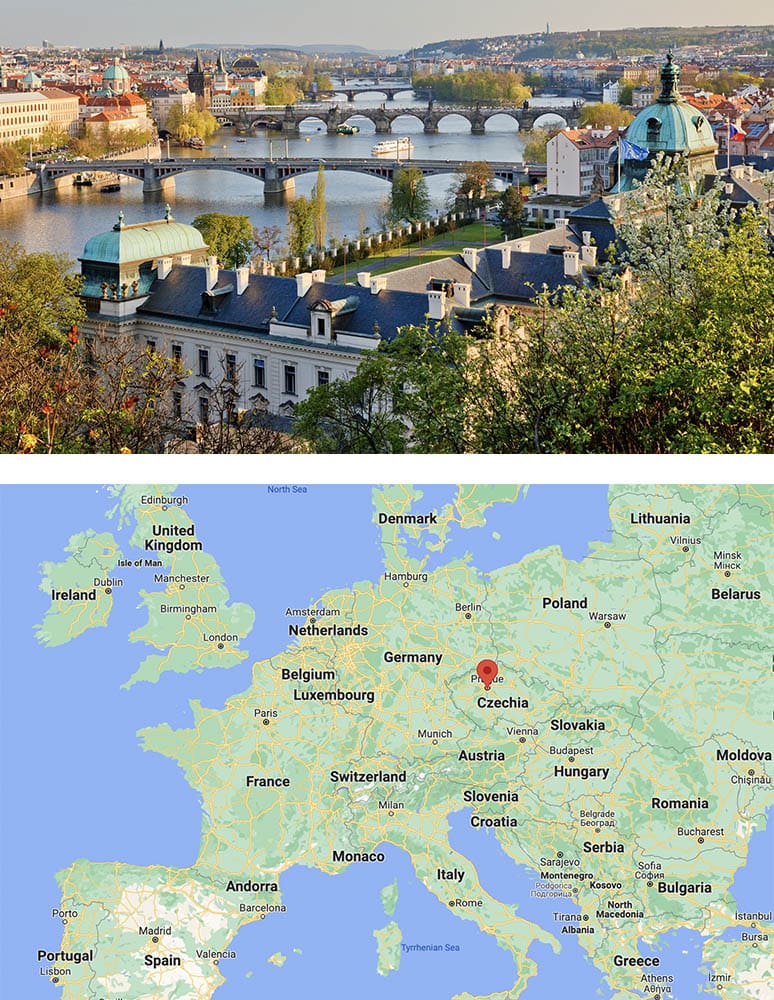
Vienna, Austria, draws 8.2 million annual visitors, frequently praised for its high quality of life, imperial architecture, and vibrant coffeehouse culture. In Central Europe, Prague, Czech Republic, records 7.5 million visitors. Known for its intact medieval architecture, Prague remains a central stop on Central European travel routes, though local authorities similarly contend with seasonal congestion in the historic center.
Emerging Destinations and Regional Hubs Gain Traction
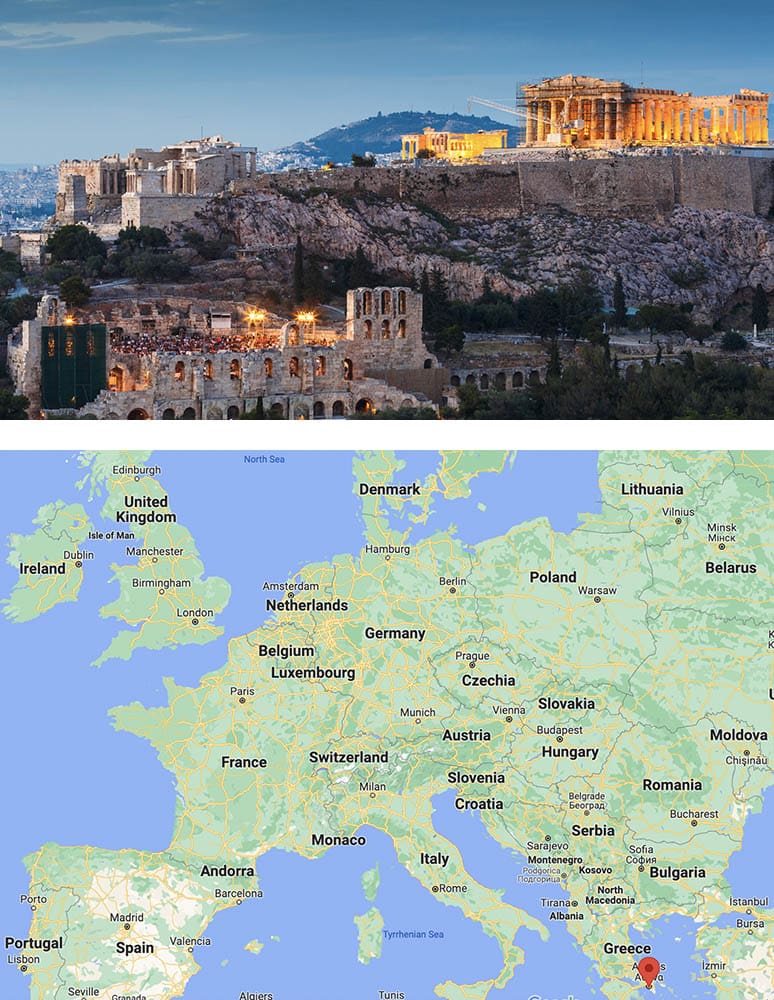
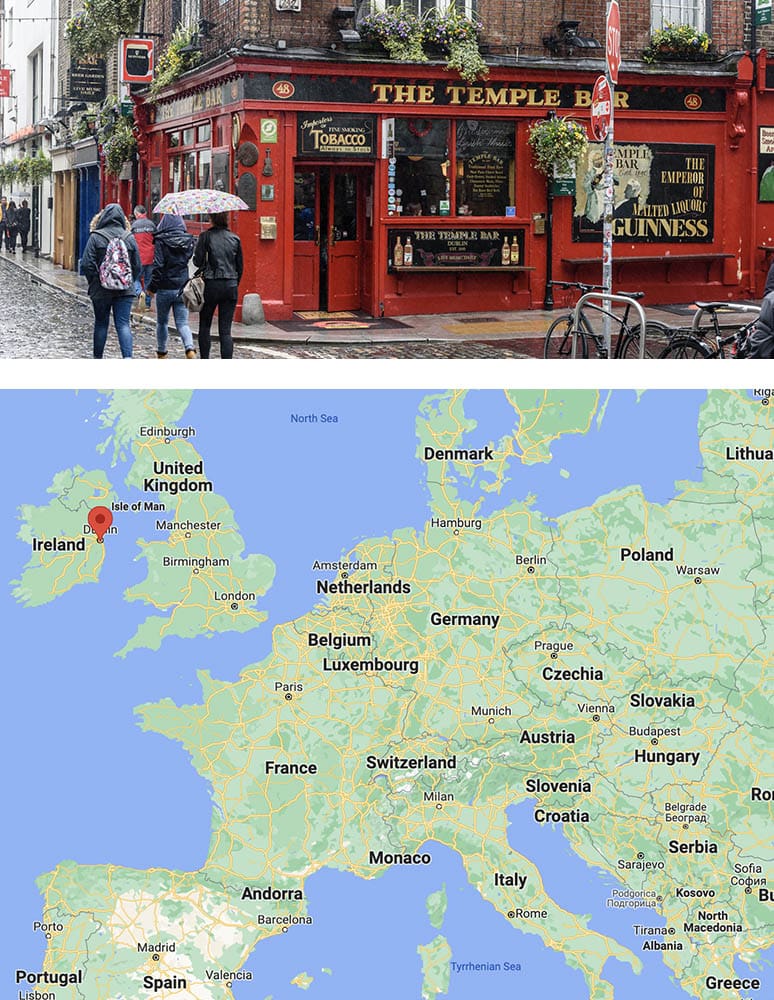
Beyond the traditional tourism heavyweights, several secondary cities are registering significant growth. Athens, Greece, records 6.5 million annual visitors, functioning both as a historical destination anchored by the Acropolis and as a transit hub for the Greek islands. Dublin, Ireland, welcomes 5.5 million visitors, capitalizing on its compact layout, literary history, and renowned pub culture, though facing rising costs for accommodation and dining.
In Poland, Kraków and Warsaw record 2.9 million and 2.8 million visitors, respectively. Kraków serves as the nation’s cultural and academic heart, while Warsaw continues to develop its tourism infrastructure following its post-war reconstruction.
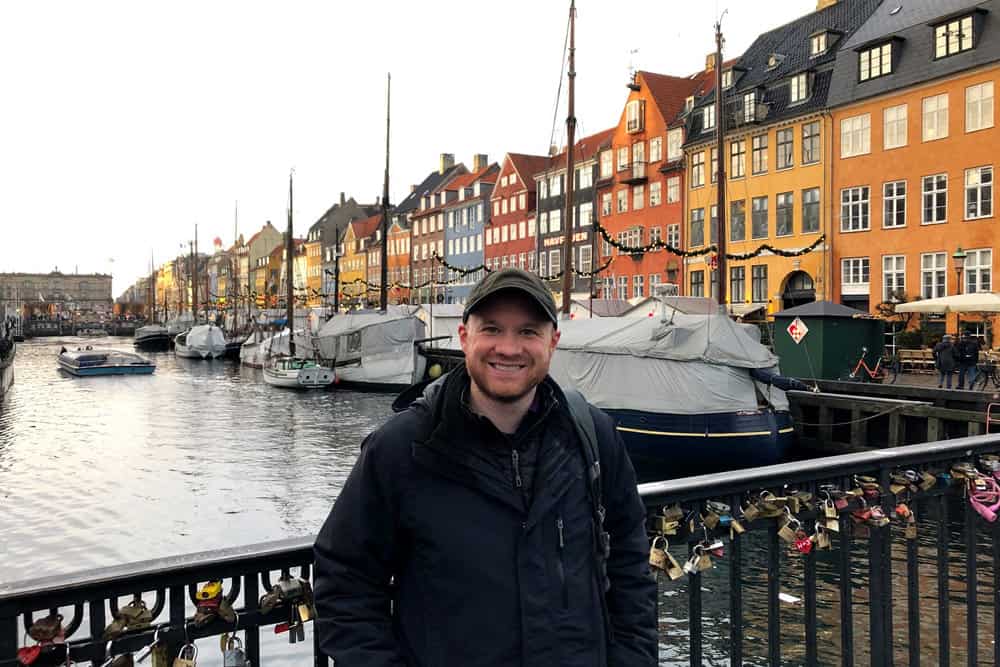
Nordic capitals, including Copenhagen, Denmark (3.2 million visitors), Stockholm, Sweden (2.7 million visitors), and Reykjavik, Iceland (2 million visitors), offer high standards of living, design-forward urban spaces, and access to natural landscapes. However, their high cost of living and remote geographic locations require careful financial planning for visitors.
Implications of Post-Pandemic Tourism Growth
The milestone of 793 million international arrivals across Europe in 2025 underscores the resilience of the travel sector but also highlights systemic challenges for municipal planners. The concentration of visitors in a handful of primary urban centers has exacerbated housing shortages, increased municipal waste management costs, and driven up the cost of living for local residents.
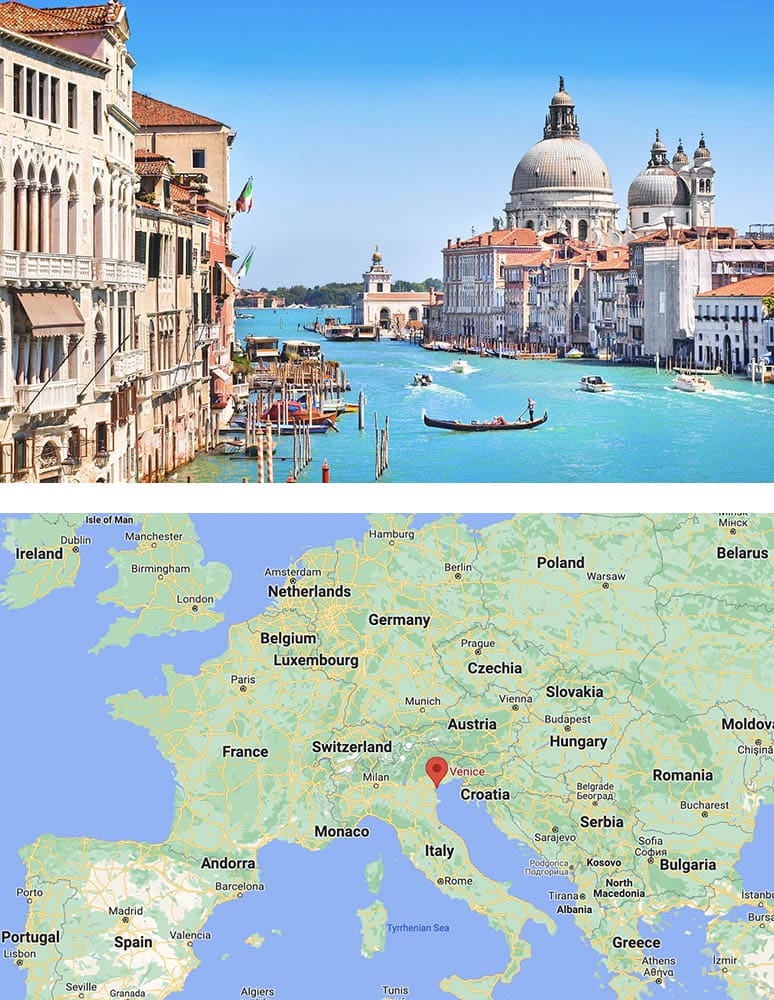
In response, regional tourism boards across the continent are shifting their strategic focus from sheer volume to sustainable tourism management. Initiatives include dispersing travelers to lesser-known secondary and tertiary cities, promoting off-season travel, introducing daily tourist entry fees in specific historic zones—such as measures tested in Venice—and regulating short-term rental platforms.

As international mobility remains a cornerstone of the global economy, European cities must navigate the delicate balance between welcoming millions of global travelers and preserving the cultural and structural integrity of their communities for future generations.