The Ultimate Guide to Connecting Across Borders: How eSIM Technology is Transforming Mobile Data for Travelers in Europe


The landscape of international travel connectivity is undergoing a profound digital transformation, driven by the rapid adoption of embedded subscriber identity module, or eSIM, technology. For decades, international travelers venturing across European borders faced a cumbersome routine of hunting down physical SIM cards upon arrival, swapping tiny plastic chips using specialized tools, and risking the loss of their original domestic carriers’ credentials. Today, the proliferation of digital SIM architecture has largely eliminated these logistical hurdles, allowing globetrotters to connect to high-speed mobile networks via simple software applications before even boarding their flights. This technological shift coincides with an era where navigating daily life in Europe—from booking digital high-speed rail tickets and accessing QR-code restaurant menus to hailing rideshare vehicles and retrieving real-time public transit schedules—is virtually impossible without reliable mobile data.

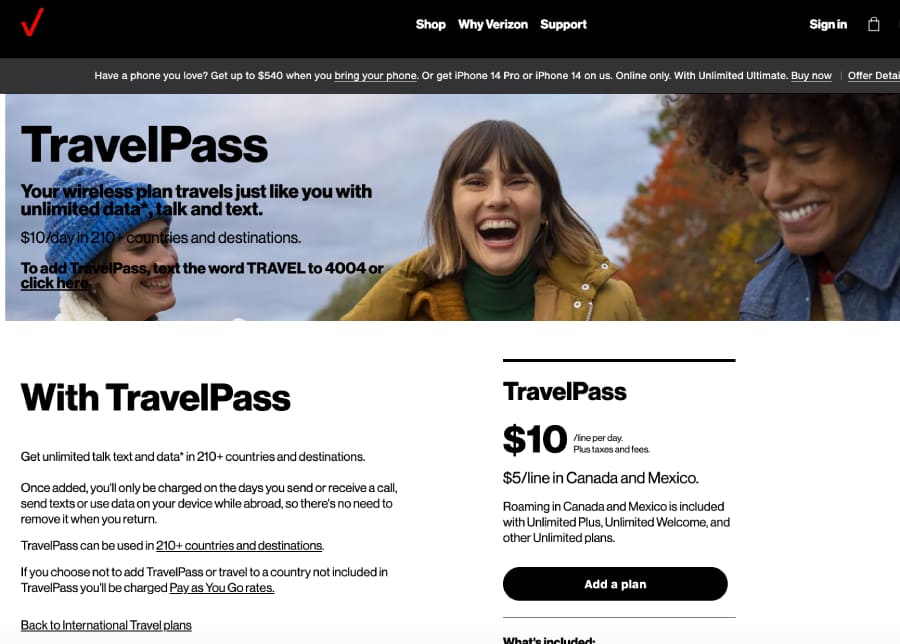
To understand the current state of European travel connectivity, one must examine the evolution of mobile roaming policies and hardware design over the past ten years. Historically, domestic telecommunications providers in North America and other non-European regions capitalized on international travel by charging exorbitant daily pass fees, such as the standard ten-dollar-per-day rates implemented by major U.S. carriers like AT&T and Verizon. Furthermore, alternative options, such as T-Mobile’s complimentary international data, frequently throttled connection speeds down to sluggish 2G levels after reaching minimal data caps, rendering essential tools like map navigation and digital translation services practically useless. Meanwhile, within the European Union itself, regulatory milestones such as the landmark abolition of intra-EU roaming charges in 2017 laid the groundwork for borderless digital consumption. Under EU rules, telecommunications providers operating within member states were mandated to allow cross-border data usage without supplemental fees, inadvertently creating an ecosystem where a prepaid data plan purchased from a French carrier could be utilized seamlessly in Italy, Germany, Spain, and beyond. Recognizing the inefficiencies of traditional carrier roaming charges, third-party digital providers and major European telecom operators began developing prepaid eSIM profiles specifically tailored to short-term visitors.

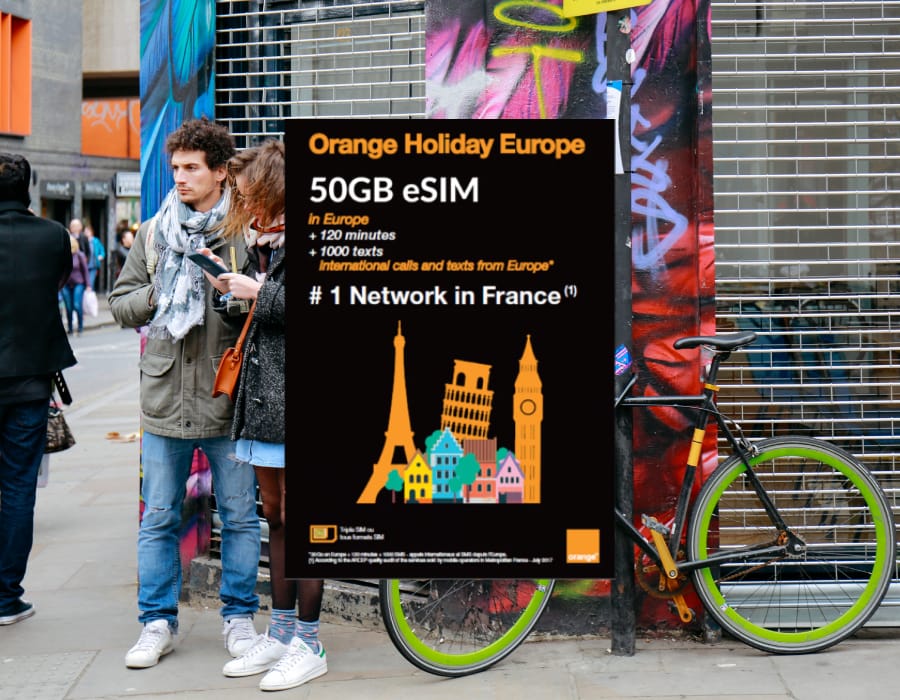
Industry analysis indicates that utilizing a prepaid third-party eSIM plan can reduce mobile data expenses by up to 80 percent compared to traditional home-carrier international add-ons. Prominent providers dominating the market include Holafly, known for offering flexible, unlimited data packages spanning anywhere from 1 to 90 days, and SimOptions, a specialized marketplace retailing official prepaid profiles from Tier-1 European telecommunications giants such as Orange, Bouygues Telecom, and O2. For instance, Orange’s flagship Holiday Europe eSIM offerings provide substantial data allowances—ranging from 30GB to 50GB over a 14-to-28-day validity window—alongside traditional voice calling minutes and SMS capabilities tied to a legitimate French phone number. Conversely, companies like Holafly cater to high-data consumers who prioritize uninterrupted connectivity without the anxiety of monitoring gigabyte consumption thresholds, though these unlimited plans typically restrict mobile hotspot tethering to prevent network abuse.
Despite the convenience of digital SIM profiles, travelers must navigate several technical nuances before transitioning away from physical cards. Modern smartphone hardware has evolved aggressively to embrace this standard; notably, manufacturing giants like Apple removed physical SIM card trays entirely from all United States models starting with the iPhone 14 generation, forcing consumers exclusively onto eSIM architecture. Android manufacturers, including Google and Samsung, have similarly integrated dual-SIM capabilities into their flagship devices released since 2020. This dual-SIM functionality yields significant practical advantages. Travelers can maintain their primary domestic physical SIM or secondary domestic eSIM active simultaneously, ensuring they continue receiving critical multi-factor authentication codes from financial institutions, security alerts, and verification texts from home while routing all cellular data through their cost-effective European travel plan.

However, industry experts advise careful adherence to logistical protocols to maximize the utility and cost-efficiency of these digital plans. Primary among these recommendations is verifying that a smartphone is carrier-unlocked prior to departure, as locked devices will reject foreign or third-party network profiles regardless of whether they are physical or digital. Additionally, consumers are cautioned against fully activating their prepaid data profiles prior to arrival at their destination. Because validity periods—typically lasting 14, 28, or 30 days—begin counting down the exact moment the eSIM connects to a cellular network, premature activation can needlessly burn valuable days of service while the traveler is still at home.
Geographical exceptions within the European continent also warrant careful planning by international visitors. While the abolition of EU roaming fees covers the 27 member states comprehensively, popular non-EU destinations such as Switzerland and the United Kingdom operate under distinct regulatory frameworks. Consequently, certain regional data plans may lack seamless coverage in Swiss territory or face emerging restrictions regarding cross-border data routing in post-Brexit Britain, requiring consumers to closely review the coverage maps associated with specific carrier profiles before purchase.

As the telecommunications sector continues to innovate—highlighted by recent operating system updates from tech giants that streamline automatic eSIM installation via direct application integration—the friction historically associated with staying connected abroad is rapidly disappearing. For the modern traveler, embracing eSIM technology represents not merely a matter of convenience, but a fundamental strategy for optimizing travel budgets while ensuring uninterrupted access to the digital infrastructure that underpins contemporary European mobility.
Related posts: