Beyond the Paella: A Comprehensive Exploration of Spain’s Regional Gastronomic Landscapes

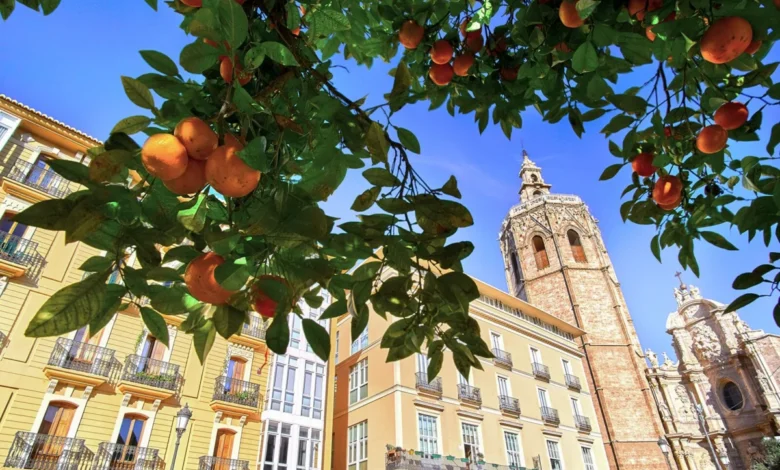
While global perceptions of Spanish cuisine are frequently distilled into the singular imagery of a seaside paella paired with chilled sangria, the reality of the nation’s culinary output is a complex tapestry woven from five thousand miles of coastline, alpine elevations exceeding 10,000 feet, and a diverse agricultural interior. This gastronomic diversity is not merely a matter of regional preference but a direct result of centuries of adaptation to extreme topographies. From the high-altitude shepherd traditions of the Picos de Europa to the volcanic viticulture of the Canary Islands, Spain’s food culture functions as a living archive of its geographical and historical evolution.
The Altitudinal Gastronomy of the Northern Ranges
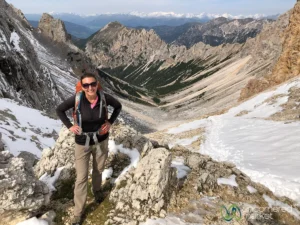
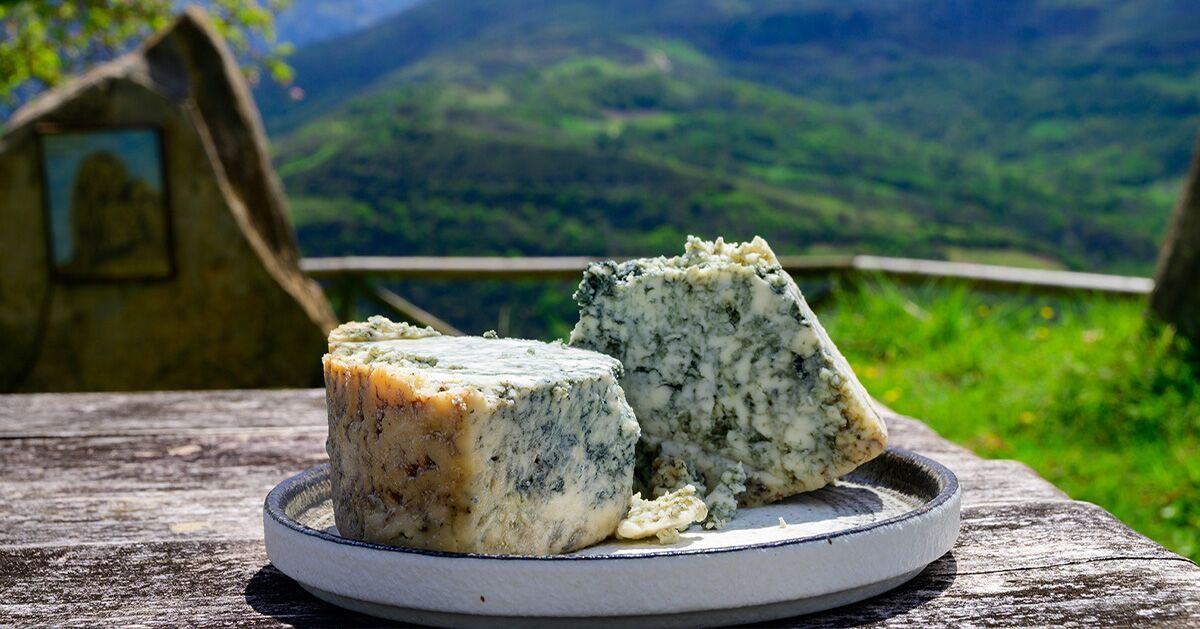
The mountain ranges of northern Spain—specifically the Picos de Europa and the Pyrenees—have fostered a culinary culture defined by isolation, climate resilience, and long-term preservation techniques. In Asturias, the rugged terrain necessitated the development of underground aging processes. The most prominent example is Cabrales, a blue cheese that attains its characteristic pungent profile through maturation in limestone caves. Data from the Regulatory Council for the Cabrales Protected Designation of Origin (PDO) indicates that the micro-climate within these karst formations is essential for the development of Penicillium molds, which provide the cheese’s signature intensity.
To the east, the Valles Pasiegos in Cantabria demonstrate how resource scarcity historically dictated local diets. The development of the sobao pasiego, a dense, butter-rich sponge cake, serves as a historical record of the region’s pastoral economy. Originally crafted from leftover bread dough, the recipe evolved into a refined product using high-fat dairy, reflecting the transition from subsistence farming to organized regional production.
Further inland, La Rioja and the Navarrese Pyrenees offer a different paradigm: the integration of monastic agriculture into modern consumption. The Sierra de la Demanda, home to the Suso and Yuso monasteries, provides the backdrop for the tradition of chuletillas al sarmiento. This method of roasting lamb over vine shoots is a byproduct of the region’s extensive viticulture, demonstrating a circular agricultural economy where pruning waste is repurposed as a primary fuel source. Similarly, the cultivation of pochas—white beans—in the Baztan Valley dates back to 18th-century monastic farming. These beans remain a staple, representing a continued reliance on heritage crop varieties that have survived the industrialization of European agriculture.
Maritime Strategies: The Saltwater Pantry
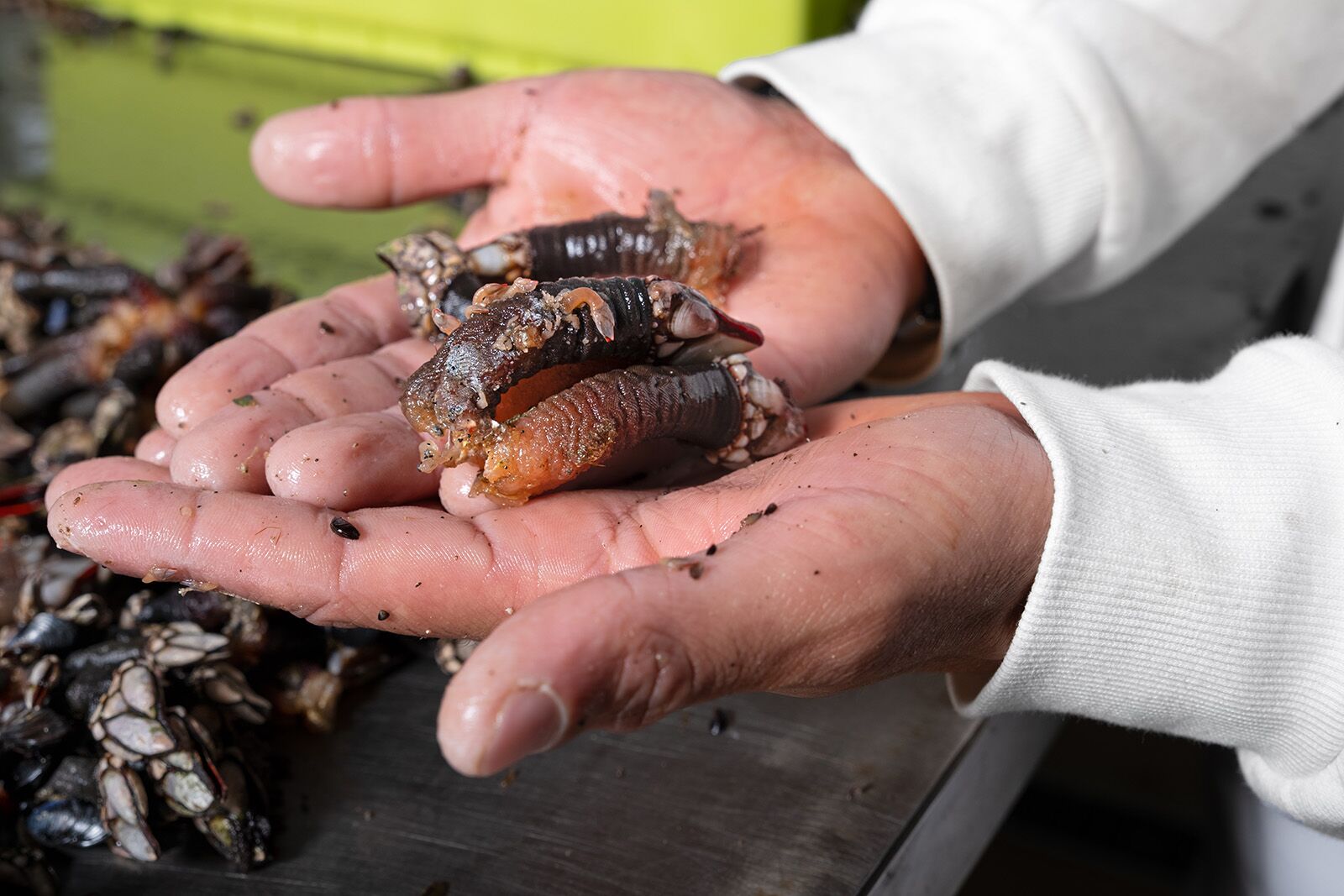
Spain’s coastal cuisine is defined by a dichotomy between the volatile Atlantic and the stable Mediterranean. The Costa da Morte in Galicia serves as a prime example of high-risk, high-reward harvesting. The extraction of percebes (goose barnacles) is a professionalized but hazardous occupation. Percebeiros operate in a narrow temporal window governed by tidal cycles, often risking physical injury on the jagged cliffs. Industry experts note that the market price of percebes is directly correlated to the volatility of the sea; higher sea states lead to limited supply and subsequently elevated prices, positioning the barnacle as a luxury commodity rather than a standard seafood staple.
In contrast, the Cantabrian coast, particularly around Donostia-San Sebastián, has institutionalized the consumption of cephalopods. Chipirones en su tinta (squid in its own ink) has evolved from a local fishing necessity into a symbol of Basque identity. This culinary persistence is supported by the region’s dense concentration of Michelin-starred establishments and traditional taverns, which maintain strict adherence to seasonal sourcing.
In the southern region of Murcia, the arroz de caldero serves as an economic and cultural artifact of the Mar Menor. Unlike the inland paella, which relies on land-based proteins, caldero is a stock-based rice dish utilizing rockfish that were historically deemed low-value by commercial markets. This dish highlights the historical ingenuity of fishing communities in maximizing the yield of a single catch. Furthermore, the almadraba technique used in the Gulf of Cádiz for bluefin tuna represents one of the oldest sustainable fishing practices in the Mediterranean. By using a network of fixed nets to intercept migrating tuna, the local industry has maintained a stable, albeit regulated, supply chain that predates modern commercial trawling.
The Flowering Interior: Orchards and Saffron Fields
Spain’s role as the "orchard of Europe" is supported by significant agricultural data. The Jerte Valley in Extremadura produces cherries that contribute substantially to the region’s export economy, with the blooming season serving as a critical indicator for the annual harvest timeline. The shift from a primarily agrarian economy to one bolstered by agritourism has seen these valleys transform into destinations for seasonal festivals, which provide essential revenue for rural municipalities.
The saffron industry in Castile-La Mancha offers a study in the persistence of labor-intensive traditions. Despite competition from cheaper global alternatives, the "red gold" of Spain remains protected by rigorous quality standards. The violet fields of the region are not merely aesthetic; they are the result of specific soil and climatic conditions that cannot be easily replicated elsewhere. The integration of this spice into dishes like paella is a testament to the historical influence of Moorish agricultural techniques, which introduced irrigation and spice cultivation to the Iberian Peninsula.
Additionally, the calçotada of Catalonia represents a communal consumption model. The calçot—a type of green onion—has its own specific harvesting and cooking cycle, typically confined to the first quarter of the year. The institutionalization of the calçotada as a social event has created a localized market that sustains family farms, preventing the land from being subsumed by large-scale commercial agribusiness.
Island Micro-Climates and Unique Biota
The archipelagos of the Canaries and the Balearics maintain distinct food identities due to their geographic isolation. In Lanzarote, the viticulture of La Geria is a triumph of agricultural engineering. By planting vines in volcanic ash, farmers have mitigated the lack of rainfall; the ash acts as a porous barrier that traps humidity, allowing for the cultivation of Malvasía grapes in an arid, rocky environment. This technique has allowed Lanzarote to maintain a wine production industry that is as much a geological feat as it is an agricultural one.
In the Canary Islands, the continued production of gofio—a toasted grain flour—reflects an unbroken chain of indigenous Guanche culture. While modern food technology has standardized many grains, the preservation of gofio as a dietary staple demonstrates a cultural resistance to the homogenization of the Spanish diet.
The Balearic Islands, particularly Mallorca, utilize pork as a primary protein, processed into sobrasada. The Fira de Matances in Campos is an official recognition of the historical importance of the pig slaughter (matanza) in rural island life. This event acts as a preservation mechanism for ancestral curing techniques, ensuring that artisanal producers can compete with mass-produced charcuterie.
Broader Implications and Future Outlook
The diversification of Spain’s food narrative is critical for the country’s future economic stability. By shifting the marketing focus from singular, iconic dishes to the nuanced realities of regional sourcing, the Spanish tourism and agricultural sectors can mitigate the risks of over-tourism and market saturation.
From an economic perspective, the promotion of PDO (Protected Designation of Origin) and PGI (Protected Geographical Indication) labels has been successful in protecting local producers from the pressures of global supply chains. These certifications ensure that the economic benefits of traditional food production remain within the communities that developed them. As climate change continues to impact agricultural yields, the reliance on heritage crops—such as those found in the Pyrenees or the volcanic soils of the islands—may prove to be a necessary strategy for food security.
The modern Spanish culinary scene is, therefore, not a static entity defined by a single menu. It is an evolving network of regional food systems, each responding to its own specific environmental constraints and historical legacies. Whether through the preservation of high-altitude cheese caves or the maintenance of traditional net-fishing techniques, the nation’s gastronomic landscape serves as a primary example of how geography, history, and culture converge to define national identity.