The idyllic Thai island of Ko Lipe, once celebrated as a remote haven for intrepid travelers, has undergone a profound transformation over the past two decades, evolving from a pristine, off-the-beaten-path destination into an increasingly overdeveloped tourist hub. This rapid expansion, driven by insatiable tourism demand, raises significant concerns about environmental sustainability, local displacement, and the long-term viability of its delicate ecosystem. A recent return visit, 19 years after an initial extended stay, starkly highlighted this dramatic shift, revealing an island now grappling with the consequences of unchecked growth, mirroring the unsustainable development patterns seen in other popular Thai destinations like Ko Phi Phi.
A Chronicle of Transformation: From Seclusion to Sprawl
In the early 2000s, Ko Lipe presented an image of rustic charm and unspoiled beauty. Travelers to the island in 2006 recall a minimalist existence: electricity available only for limited hours, basic beachfront bungalows costing as little as $2 USD, and the distinct reality of a "last boat for the season," underscoring its seasonal isolation. Activities were simple – beach relaxation, snorkeling in clear waters, enjoying local cuisine at a handful of restaurants, and communal gatherings at the island’s solitary beach bar. This unhurried pace fostered deep connections among travelers and with the local community, often leading visitors to extend their stays indefinitely, captivated by its tranquil allure. The island, located within the Tarutao National Marine Park, was then a true testament to the untouched beauty of the Andaman Sea.
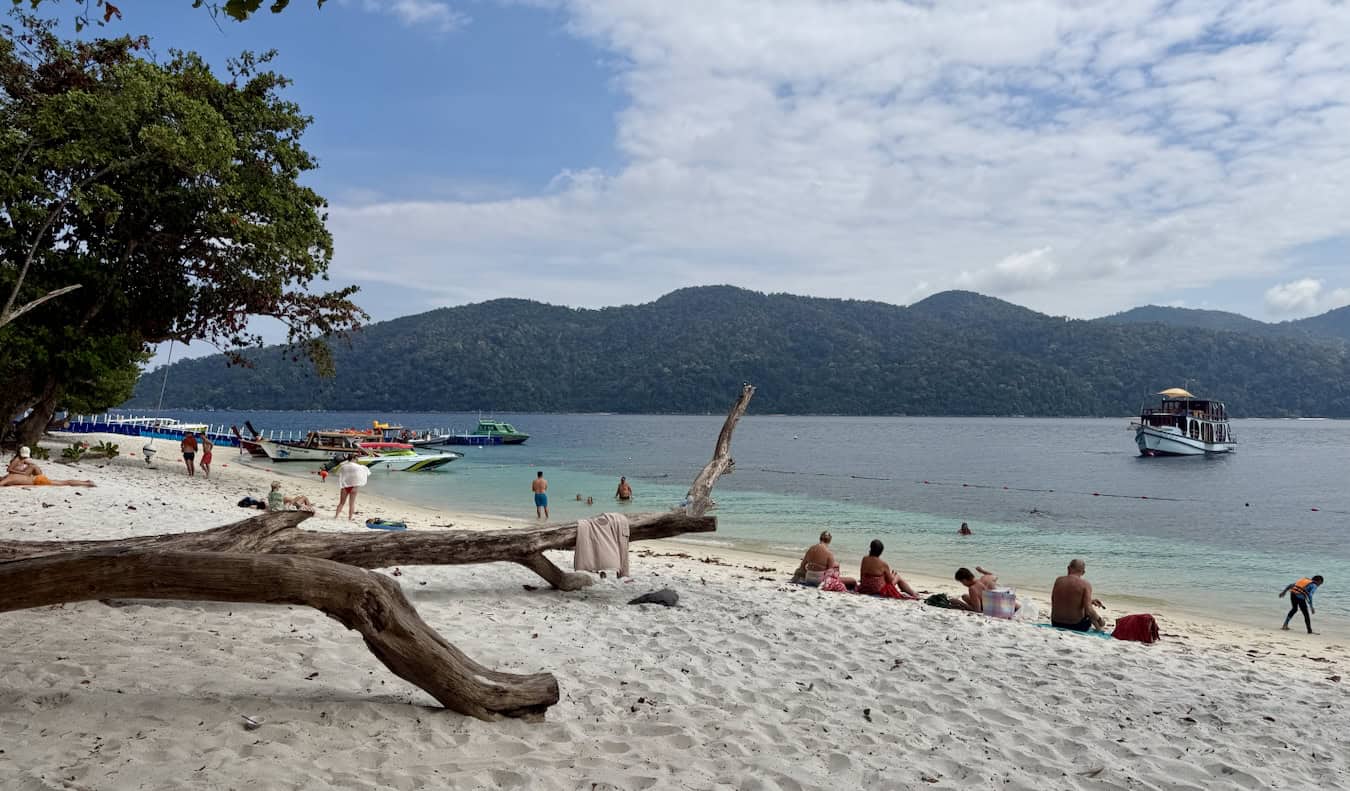
However, the period following the mid-2000s saw a gradual but accelerating influx of tourists, facilitated by improved ferry connections and increased global awareness of Thailand’s stunning islands. What began as a trickle soon became a torrent, pushing Ko Lipe onto the mainstream tourist map. This rise in popularity spurred rapid infrastructure development, converting sandy footpaths into paved roads designed for vehicles and construction trucks. The once-sparse landscape of palm trees has progressively given way to a dense network of high-end resorts, many featuring swimming pools despite the island’s critical lack of natural freshwater sources. Construction continues unabated, signaling an ongoing commitment to expand tourist capacity, often at the expense of natural habitats and local communities.
The Unfolding Crisis: Environmental and Social Costs
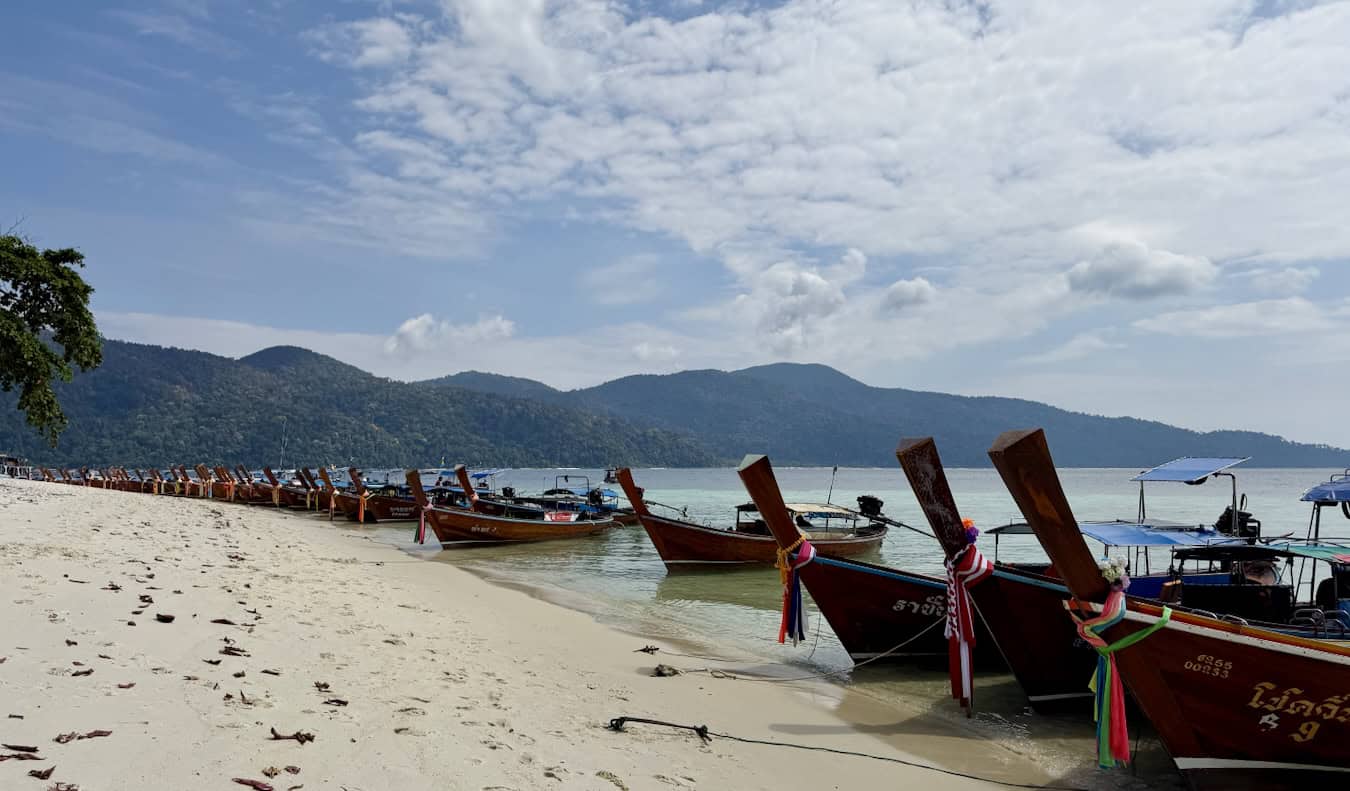
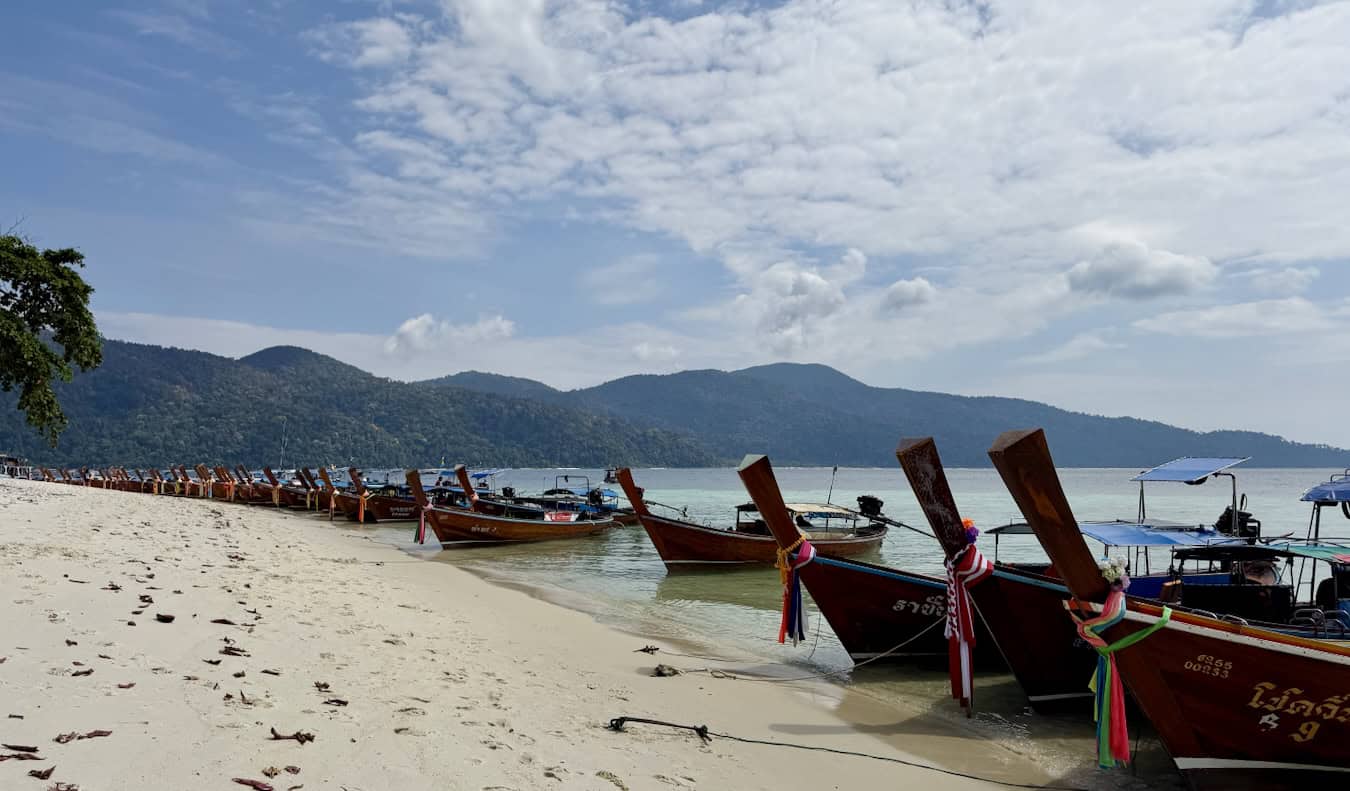
The consequences of this accelerated development are now visibly manifest across Ko Lipe. The marine environment, once its crowning glory, is severely threatened. The coral reefs surrounding the island, vital for biodiversity and coastal protection, are dying. This degradation is largely attributed to increased boat traffic, indiscriminate anchoring practices, heightened pollution from waste and sewage, and overfishing driven by the demands of a larger population. The pristine beaches, once wide expanses of white sand, are now frequently lined with an armada of longtail boats and speedboats. Their constant exhaust fumes create a visible, oily film on the water’s surface, detracting from the swimming experience and further contaminating the marine ecosystem.
Furthermore, the culinary landscape reflects this shift, with a proliferation of establishments catering to Western palates, often at the expense of authentic Thai cuisine. This commercialization not only dilutes the cultural experience but also signifies a broader trend towards mass tourism over cultural immersion.
Beyond the environmental toll, the social fabric of Ko Lipe has also been profoundly impacted. The island’s rapid boom has led to the displacement of many indigenous Moken (sea gypsy) communities and other long-term local residents. Faced with soaring land values and the aggressive purchasing power of mainland developers, many locals have been compelled to sell their ancestral lands and traditional businesses. The island’s workforce now predominantly comprises migrant laborers from the Thai mainland, who often see minimal benefit from the burgeoning tourism economy, working in low-wage positions while the profits accrue to external investors. This shift represents a significant erosion of the island’s unique cultural identity and economic self-sufficiency, turning it into another casualty of Thailand’s all-too-common model of unsustainable exploitation of limited resources.
Echoes of Ko Phi Phi: A Familiar Path to Overtourism
The trajectory of Ko Lipe bears an alarming resemblance to that of Ko Phi Phi, another iconic Thai island that famously succumbed to overtourism. After gaining global fame through films like "The Beach," Ko Phi Phi experienced an explosive, unregulated tourism boom that led to severe environmental degradation, particularly in Maya Bay. The sheer volume of visitors, boats, and inadequate waste management systems pushed the ecosystem to its breaking point, necessitating a controversial multi-year closure of Maya Bay for rehabilitation.
While Ko Lipe may not yet have reached the extreme level of environmental collapse seen in Ko Phi Phi, the indicators are concerning. Its transformation underscores a recurring pattern in Thai tourism development: rapid, often unplanned growth prioritizing short-term economic gains over long-term ecological and social sustainability. Despite its location within a national marine park, enforcement of environmental regulations appears to have been insufficient to curb the destructive impacts of development. This raises critical questions about the effectiveness of protected area management in the face of intense commercial pressures.
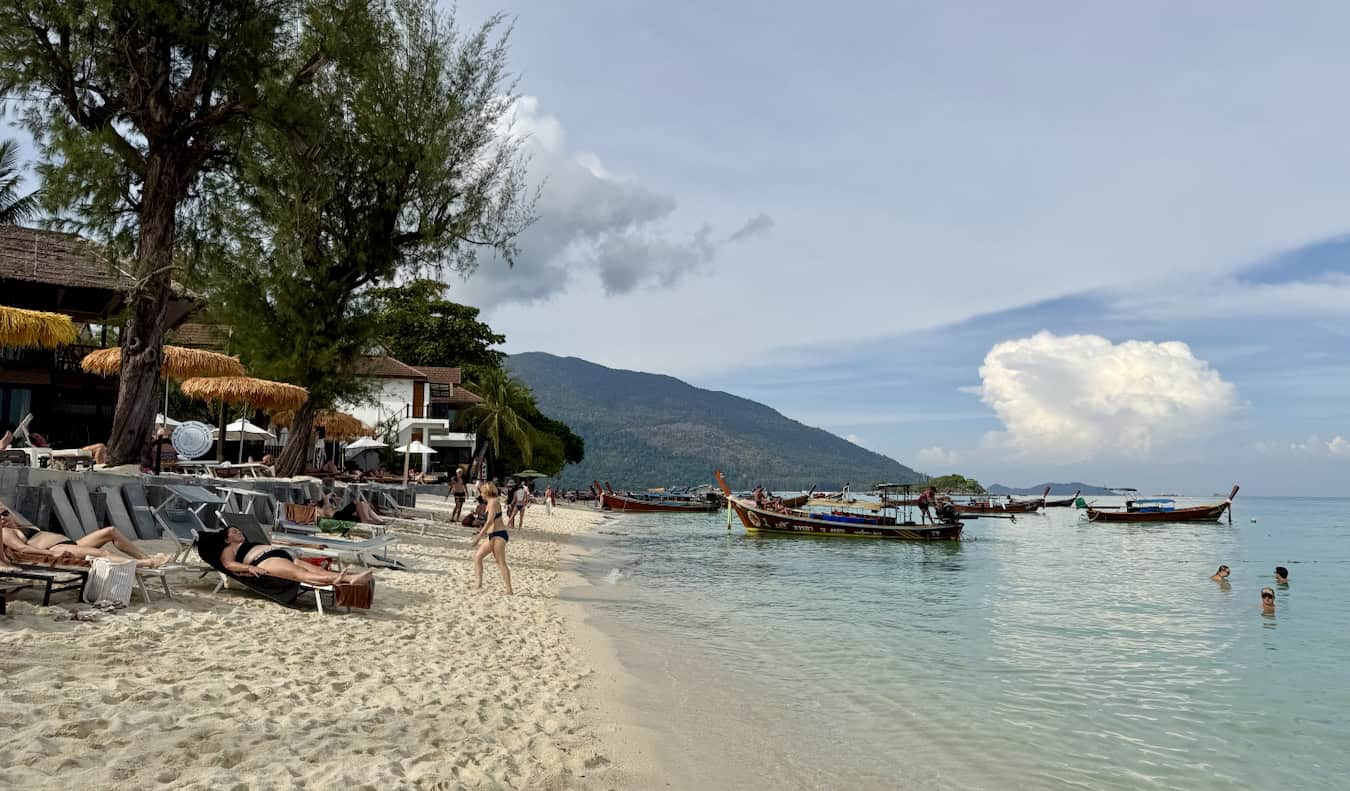
For first-time visitors, Ko Lipe’s undeniable natural beauty—its azure waters, white sands, and access to secluded islands within the national park—can still be captivating. Compared to the even more developed hubs of Phuket or Krabi, it might even appear relatively unspoiled. However, this superficial charm belies a deeper crisis, one that experienced travelers and environmental advocates increasingly recognize as unsustainable.
The Call for Conscious Travel: A Path Forward
The argument against visiting Ko Lipe, despite its aesthetic appeal, stems from a commitment to responsible travel. Continued visitation, regardless of individual intent, contributes to the demand that fuels further unsustainable development. It taxes the island’s already limited resources, exacerbates environmental degradation, and perpetuates the displacement of local communities. While acknowledging the economic aspirations of local populations, proponents of conscious travel argue that current development methods are fundamentally flawed. True sustainability would involve a balance where economic benefits are equitably distributed, and environmental impact is minimized, rather than maximized for external profit.
The tourism industry’s power to shape destinations is immense, and consumer choices play a crucial role. Historical examples demonstrate this influence: the decline of elephant riding in Thailand, for instance, was largely driven by increased consumer awareness and ethical concerns. Similarly, the rise of eco-lodges and sustainable tourism initiatives has been a direct response to consumer demand for more responsible travel options. The growing global dialogue around "overtourism" is evidence that travelers are increasingly aware of their impact.
Therefore, steering clear of destinations like Ko Lipe, which are demonstrably suffering from overdevelopment, is presented as a tangible way for travelers to exercise their influence. By choosing alternative, better-managed islands in the region—such as Ko Lanta, Ko Jum, or Ko Mook, which maintain a more sustainable balance between tourism and local life—travelers can support models that prioritize long-term ecological health and community well-being.
Policy and the Future of Sustainable Tourism in Thailand
The plight of Ko Lipe highlights a systemic challenge within Thailand’s tourism sector. While the country’s economy heavily relies on tourism, generating billions of dollars annually and employing millions, the rapid expansion has often outpaced regulatory frameworks and sustainable planning. Government agencies, including the Department of National Parks, Wildlife and Plant Conservation, face immense pressure to balance economic development with environmental protection. The case of Ko Lipe, a national park island, underscores the need for stricter enforcement of existing regulations and the urgent implementation of comprehensive sustainable tourism policies.
This would involve:

- Capacity Management: Implementing visitor quotas and stricter controls on new construction.
- Waste and Water Management: Investing in advanced, sustainable infrastructure for waste treatment, recycling, and freshwater supply.
- Environmental Protection: Enforcing marine protection laws, establishing no-anchor zones, and actively funding coral restoration projects.
- Community Empowerment: Ensuring that local communities are primary beneficiaries of tourism and have a voice in development decisions, preventing displacement.
- Diversification: Promoting a wider array of sustainable tourism experiences across the country to reduce pressure on a few popular hotspots.
Without such interventions, many more of Thailand’s precious islands risk following Ko Lipe down a path of ecological degradation and cultural erosion.
Alternative Destinations: A Responsible Choice
For travelers seeking the serene beauty of the Andaman Sea without contributing to overtourism, several alternatives offer a more balanced and authentic experience. Islands like Ko Lanta, known for its relaxed atmosphere and commitment to sustainability, provide ample opportunities for beach relaxation, diving, and cultural engagement without the intense commercialization of Ko Lipe. Ko Jum offers a glimpse into traditional island life, while Ko Mook, with its famous Emerald Cave, blends natural beauty with a slower pace. These islands, among others, demonstrate that responsible tourism can thrive, offering economic benefits to locals while preserving the natural environment and cultural integrity.
Conclusion: The Imperative of Stewardship
The transformation of Ko Lipe serves as a poignant reminder that every travel choice carries an impact. While the nostalgia for a lost paradise is understandable, the current reality of Ko Lipe demands a pragmatic and responsible response. By consciously opting for destinations that uphold principles of sustainability and community welfare, travelers can become active participants in shaping a more ethical and environmentally sound future for global tourism. It is a painful truth for those who cherished Ko Lipe’s past, but the imperative for environmental stewardship and social responsibility now outweighs the allure of revisiting a shadow of what once was. The hope remains that collective action and informed decisions by travelers, coupled with more robust governance, might eventually steer such destinations towards a more sustainable path, even if the pristine Ko Lipe of two decades ago can never be fully restored.
Related posts: