Europe’s remarkable tourism resurgence in 2025, with international arrivals projected to exceed 793 million, signals a full recovery from the global pandemic’s impact, surpassing pre-pandemic levels. This robust return to travel underscores the continent’s enduring appeal as a premier global destination, attracting millions eager to explore its diverse landscapes, rich histories, and vibrant cultures. The latest analyses, particularly a comprehensive 2024 study by Euromonitor International, alongside data compiled from individual city tourism offices and other leading industry reports, illuminate the urban centers driving this revival. These cities not only serve as pivotal starting points for multi-city European adventures but also stand as testaments to the continent’s dynamic modern life and historical grandeur.
Methodology and The Resurgent European Travel Landscape
The rankings presented reflect a detailed 2024 study by Euromonitor International, a respected authority in market research, supplemented by insights from a broader "Top 100 Cities in The World" study and specific data provided by local tourism authorities. This multifaceted approach ensures a robust and current snapshot of visitor trends. The year 2024 marked a pivotal period for European tourism, witnessing record numbers that officially confirmed the sector’s recovery from the unprecedented slump caused by the pandemic. This rebound is a testament to pent-up demand, increased confidence in international travel, and the sustained allure of Europe’s iconic destinations.
The recovery has not been uniform, with certain cities demonstrating exceptional resilience and growth, while others grapple with the implications of renewed popularity, such as managing visitor flows and ensuring sustainable tourism practices. The continent’s diverse offerings, from ancient ruins to modern metropolises, continue to draw a wide array of travelers, each seeking unique experiences.
The Continent’s Premier Urban Destinations
1. Paris, France – 50 Million Annual Visitors
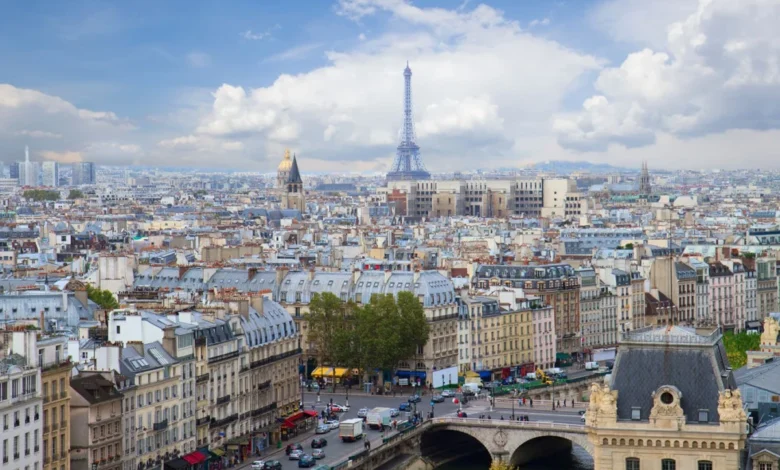
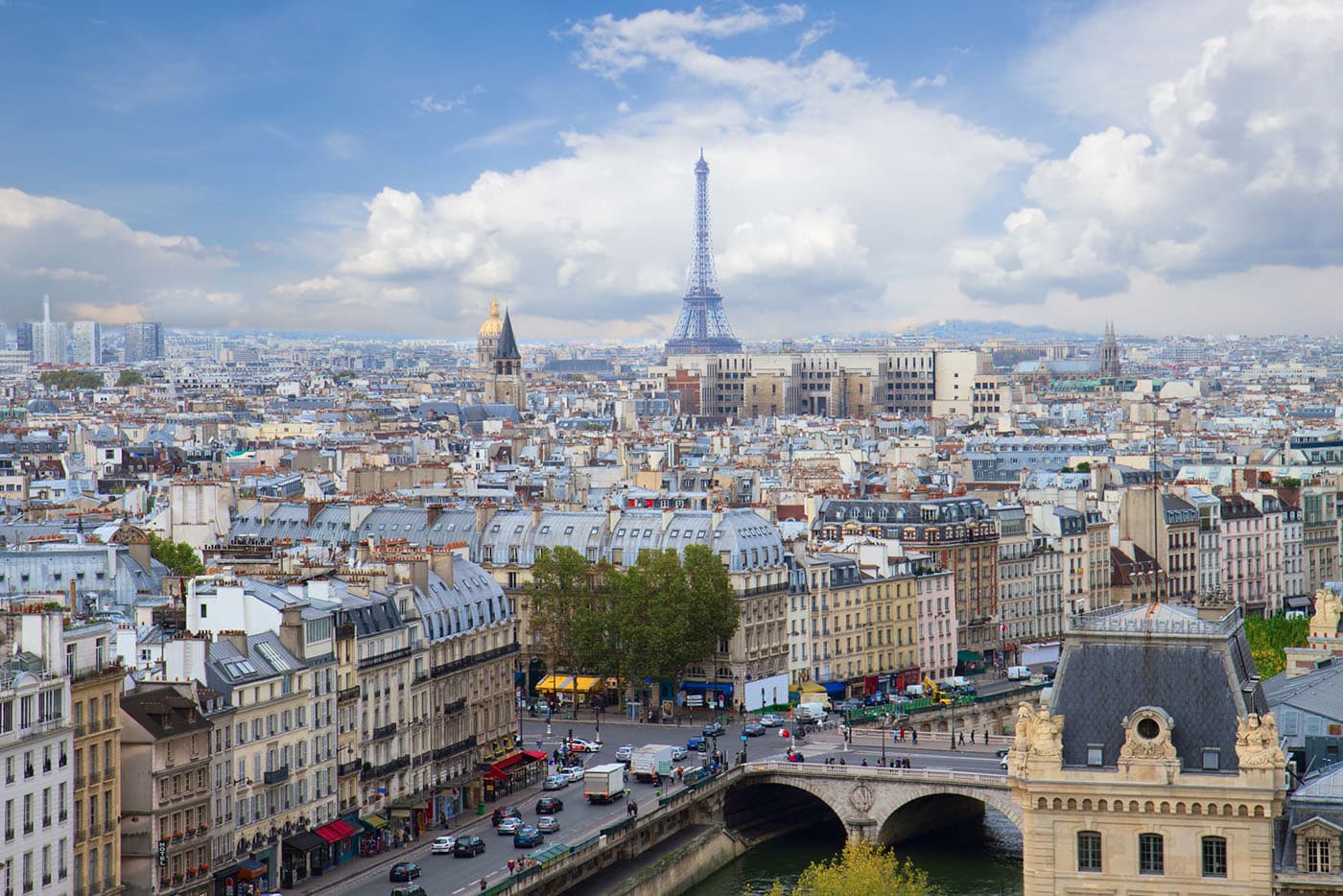
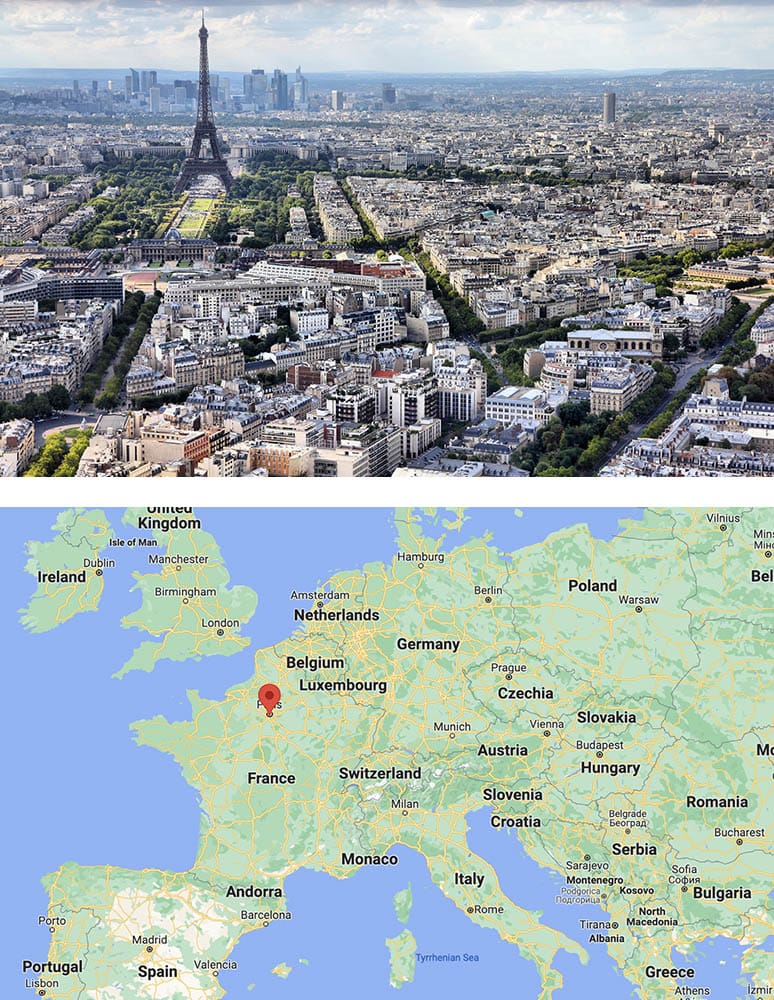
The undisputed "City of Light" has reclaimed its position as Europe’s most visited city, narrowly surpassing London in recent years. With France consistently ranking as the most visited country in Europe, Paris remains its crown jewel. The city is a veritable treasure trove of iconic landmarks, world-class museums, vibrant nightlife, and profound cultural experiences. Its efficient Metro system facilitates effortless exploration, making it ideal for first-time visitors and seasoned travelers alike. Paris also boasts an extensive array of accommodation options, from luxury hotels to budget-friendly hostels and vacation rentals, catering to its immense visitor volume. The anticipation surrounding the 2024 Olympic Games further elevated its profile, spurring infrastructure upgrades and a renewed focus on hospitality, though it also brought discussions about managing crowds and maintaining local quality of life.
2. London, United Kingdom – 40 Million Annual Visitors
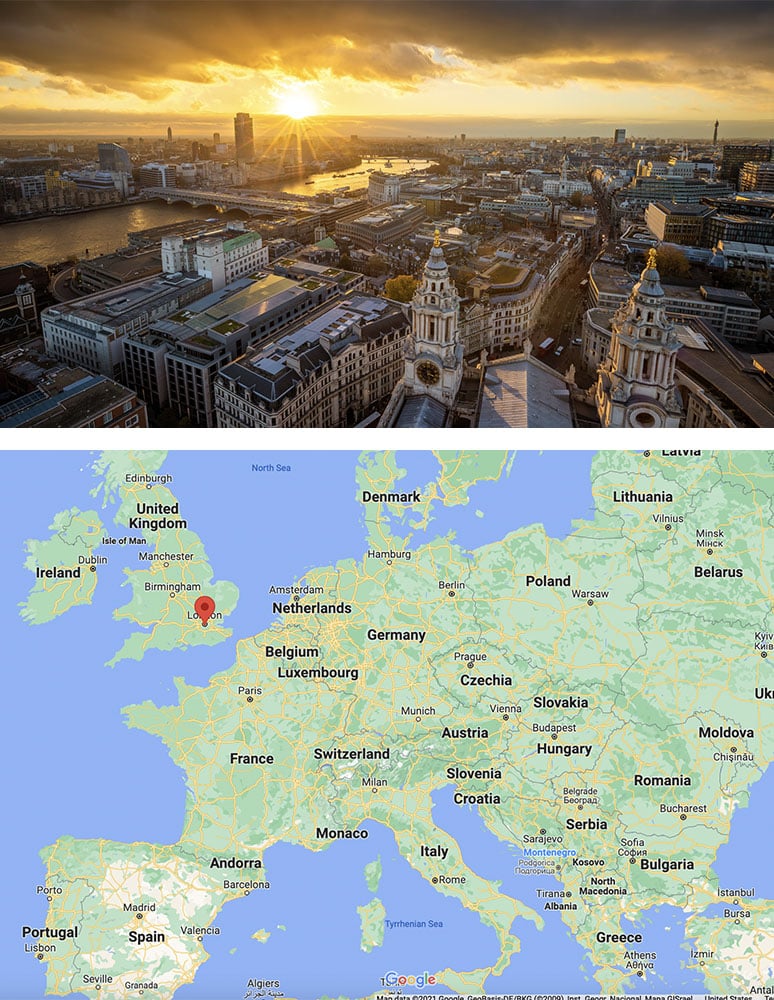
Long a dominant force in European tourism, London continues to be a magnet for international travelers, even as it gracefully ceded its top spot to Paris. As a global hub, London benefits from multiple major international airports, offering abundant and often competitively priced flights. Its status as an English-speaking destination makes it an accessible and welcoming entry point for many international visitors. London’s appeal lies in its rich historical tapestry, from royal palaces to parliamentary landmarks, coupled with a dynamic contemporary culture, diverse culinary scene, and world-class theatrical offerings. The city’s extensive public transport network ensures seamless navigation through its sprawling districts.
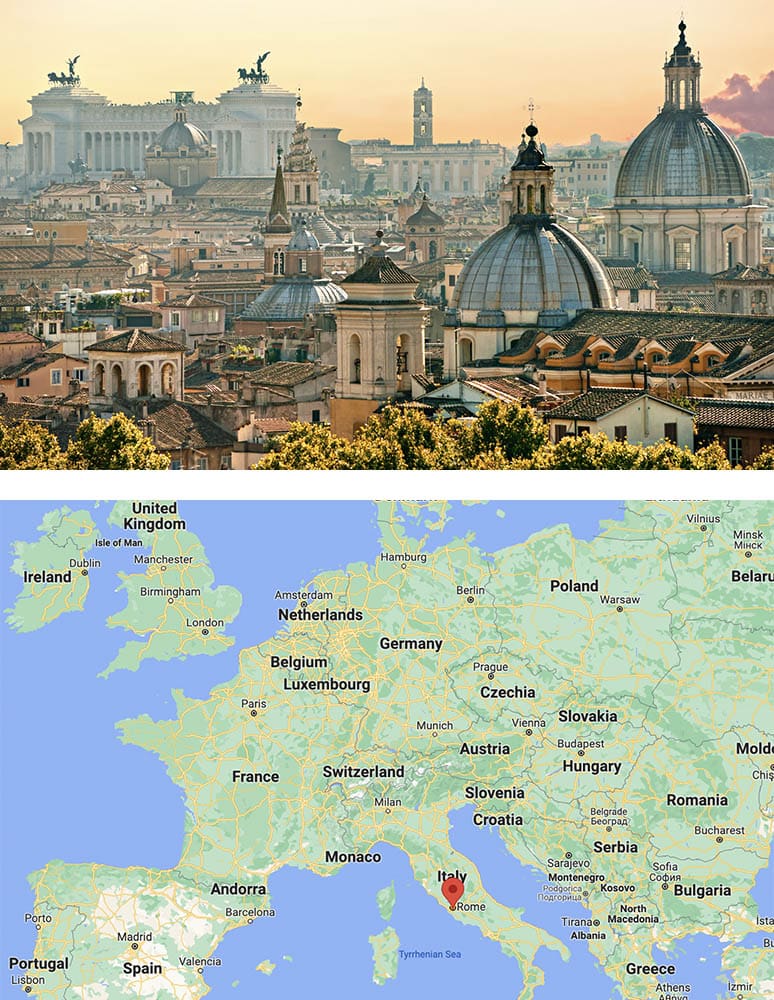
3. Rome, Italy – 35 Million Annual Visitors
The "Eternal City" consistently ranks among Europe’s most captivating destinations, widely celebrated for its unparalleled historical, educational, and cultural significance. Rome is an open-air museum, boasting an extraordinary concentration of UNESCO World Heritage Sites, from the ancient Colosseum and Roman Forum to the majestic Vatican City. Visitors can easily immerse themselves in a week or more of exploration, discovering layers of history, art, and exquisite Italian cuisine. Its strategic location and excellent rail connections also make it an ideal gateway for exploring other iconic Italian cities and regions, such as Florence and Naples.
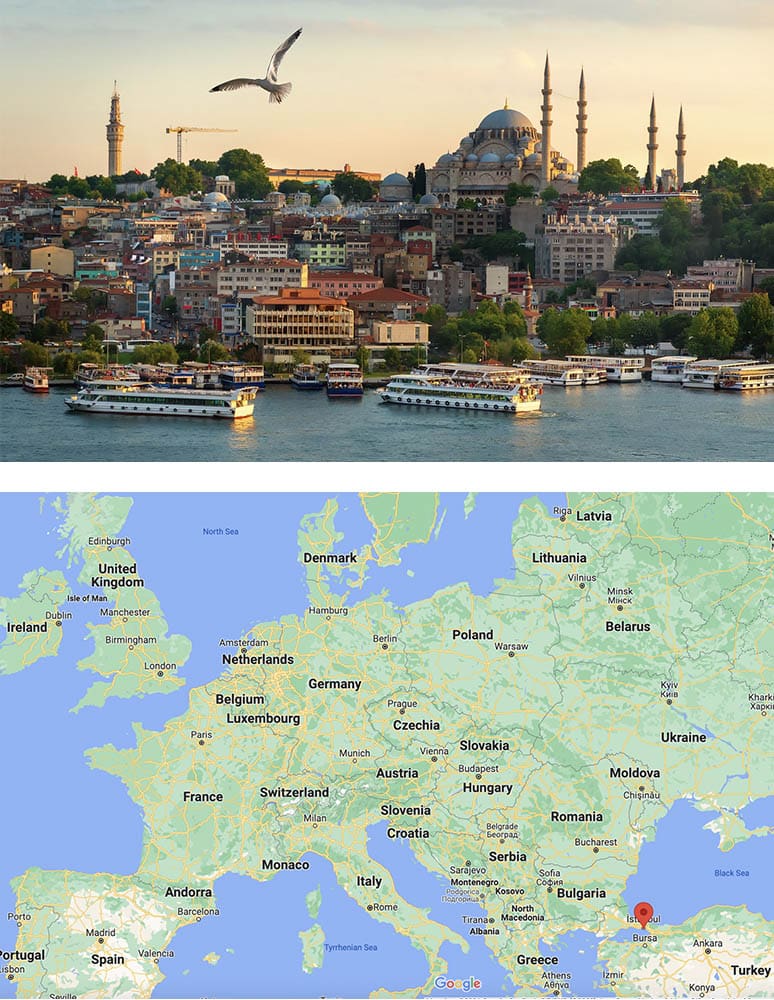
4. Istanbul, Turkey – 20 Million Annual Visitors
Istanbul, a city straddling two continents, has witnessed a remarkable resurgence in tourism after a period of political instability. Its unique "East meets West" allure, blending Byzantine and Ottoman heritage with modern Turkish dynamism, has captivated a growing number of visitors. Key attractions like the Hagia Sophia, Blue Mosque, Topkapi Palace, and the Grand Bazaar offer a profound immersion into its rich imperial past and vibrant present. The city’s strategic location and burgeoning status as a global transit hub further contribute to its escalating visitor numbers, particularly from European and Asian markets.
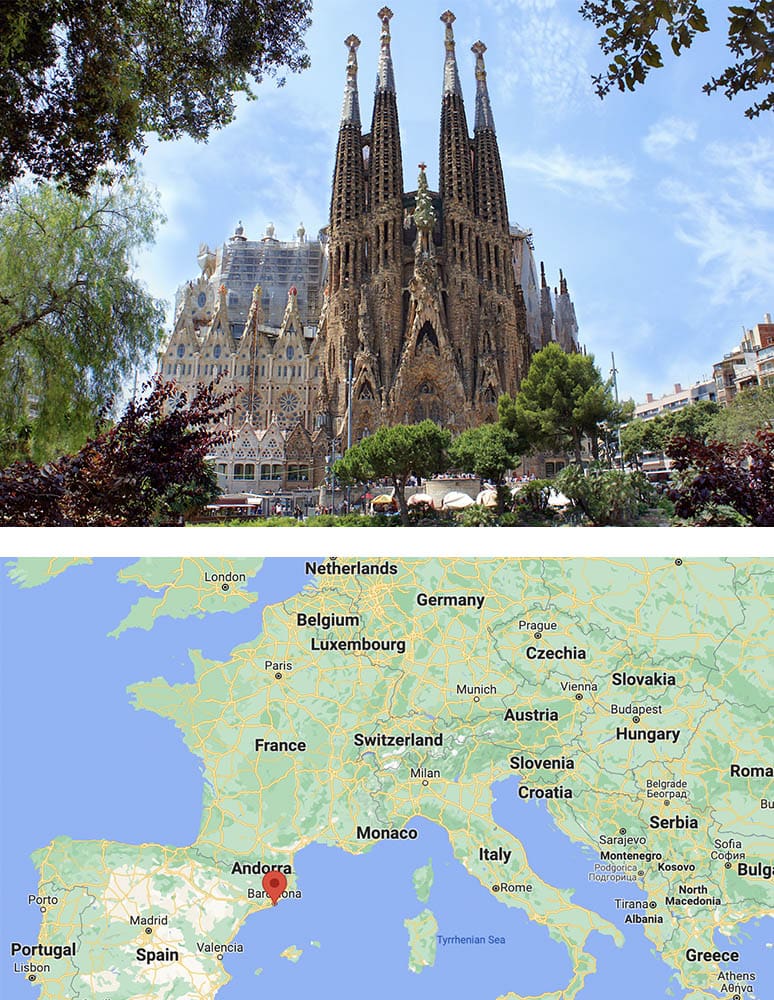
5. Barcelona, Spain – 16 Million Annual Visitors
Barcelona’s vibrant energy, distinctive Catalan culture, and stunning architectural masterpieces by Antoni Gaudí ensure its perennial popularity. The city offers an intoxicating mix of urban sophistication, Mediterranean charm, and artistic flair. From the Sagrada Familia and Park Güell to its beautiful city beaches and lively Gothic Quarter, Barcelona provides a rich tapestry of experiences. Its renowned food scene, boasting innovative cuisine and traditional tapas, combined with a reputation for some of Europe’s best nightlife, makes it a multifaceted destination. The city, however, actively seeks to balance its immense popularity with the needs of its residents, exploring initiatives to manage tourism’s impact.
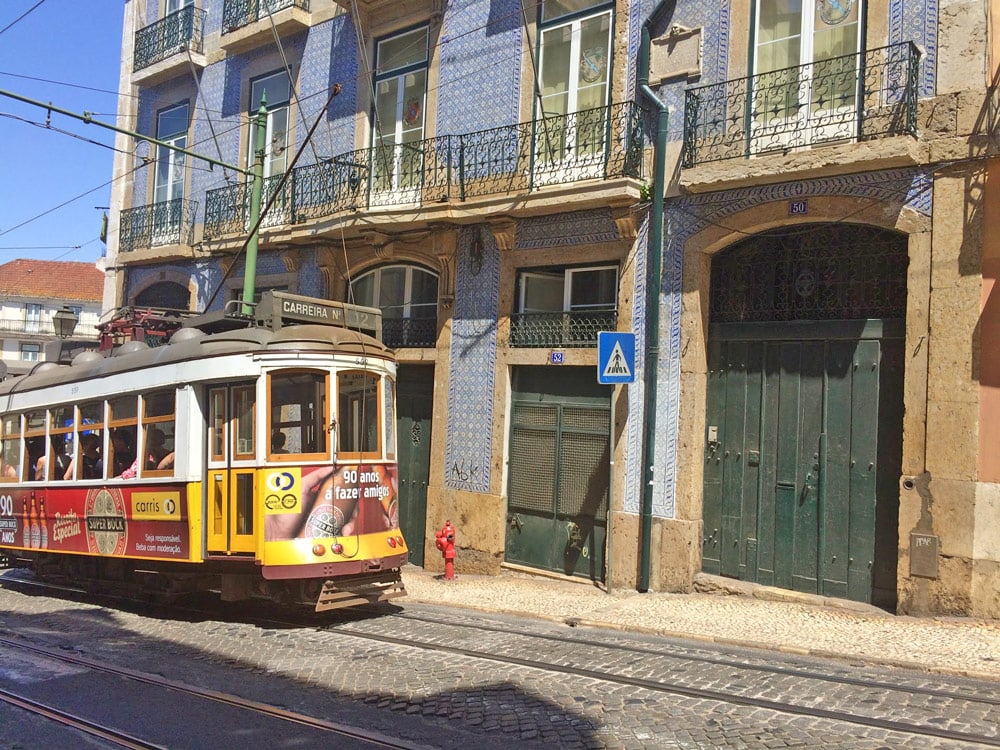
6. Lisbon, Portugal – 14 Million Annual Visitors
Portugal’s charming capital has rapidly ascended the ranks of Europe’s most visited cities, celebrated for its picturesque pastel buildings, historic tramways, soulful Fado music, and captivating coastal vibe. Lisbon offers a more relaxed and often more budget-friendly experience compared to other Western European capitals, making it particularly attractive to younger travelers and those seeking value. Its historic neighborhoods like Alfama, Bairro Alto, and Belém, along with stunning viewpoints (miradouros) and a thriving café culture, contribute to its growing appeal.
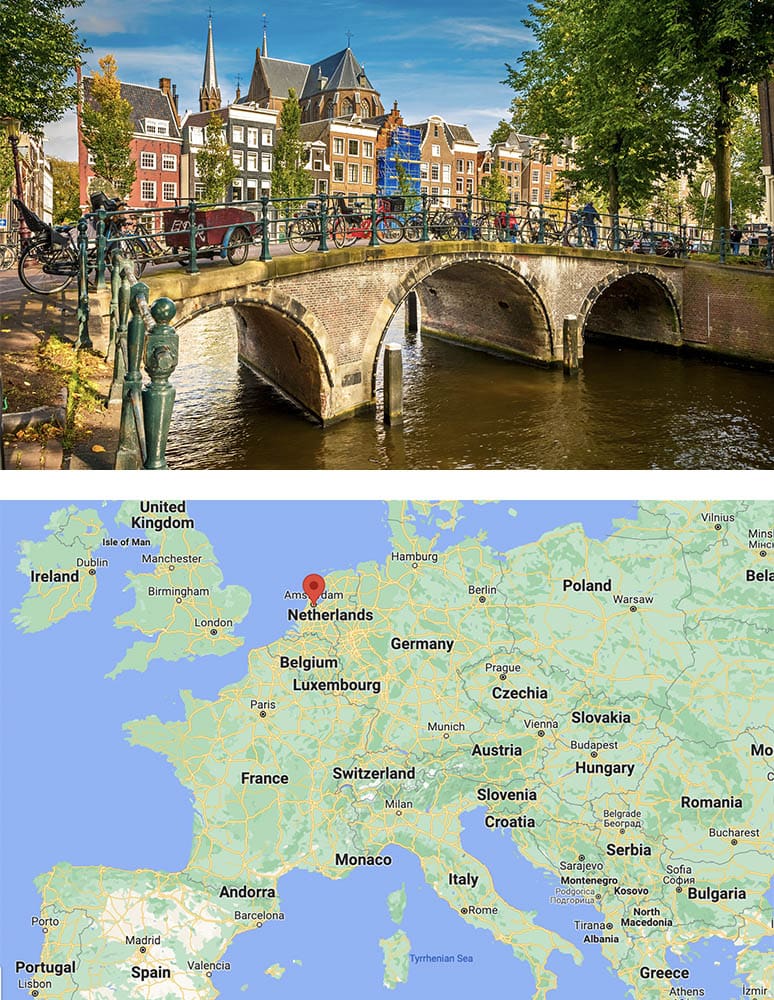
7. Amsterdam, Netherlands – 8.9 Million Annual Visitors
Despite its relatively compact size, Amsterdam remains a major European tourism hotspot, cherished for its iconic canals, charming gabled houses, world-class museums (Rijksmuseum, Van Gogh Museum, Anne Frank House), and liberal social policies. The city consistently ranks high in global livability indices. However, Amsterdam is also one of Europe’s more expensive cities, particularly regarding accommodation, and faces significant challenges with over-tourism. Authorities have implemented measures to manage visitor flows and shift the city’s image away from certain types of mass tourism, encouraging off-season visits for a more authentic experience.
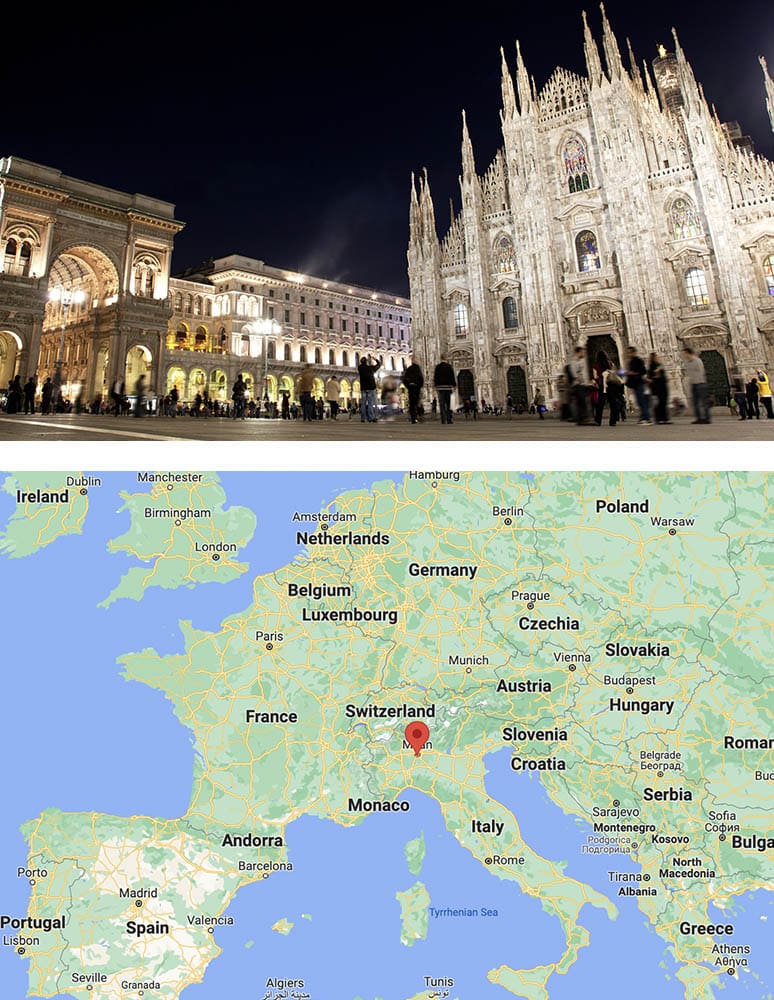
8. Milan, Italy – 8.2 Million Annual Visitors
As Italy’s fashion and finance capital, Milan exudes a sophisticated, albeit more buttoned-up, ambiance than other Italian cities. While it may not offer the ancient grandeur of Rome or the Renaissance art of Florence, Milan is a hub of contemporary design, high fashion, and economic prowess. Its impressive Duomo, the iconic Galleria Vittorio Emanuele II, and Leonardo da Vinci’s "The Last Supper" draw significant cultural interest. Milan serves as a crucial gateway to northern Italy’s lakes and Alps, appealing to travelers interested in modern Italian life and luxury experiences.
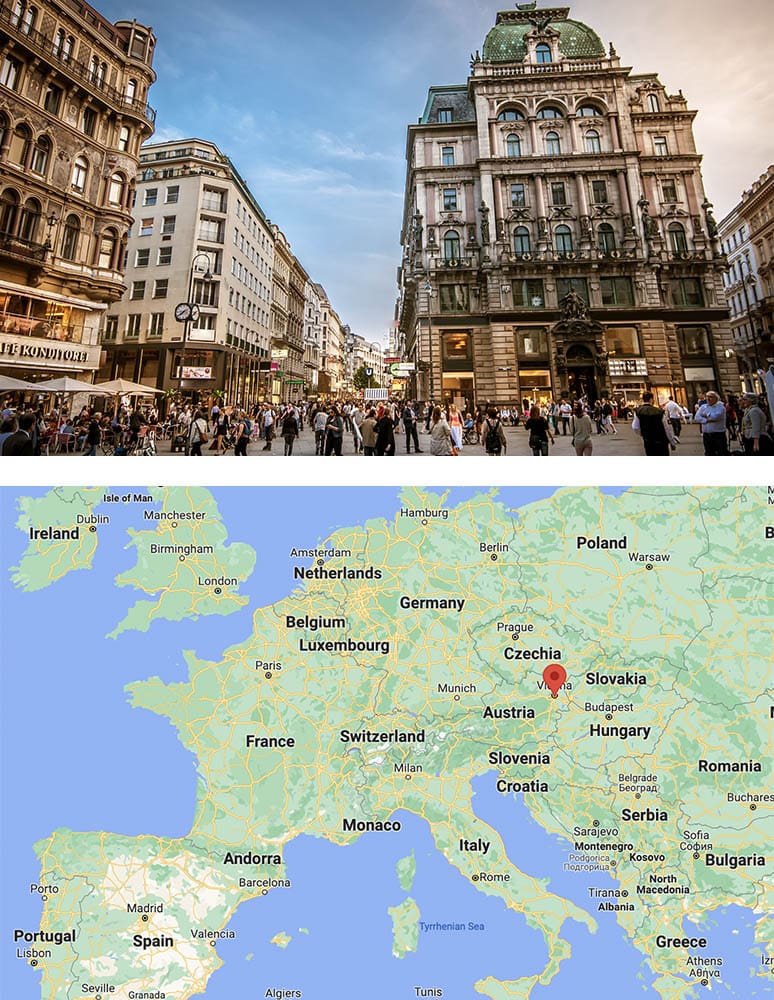
9. Vienna, Austria – 8.2 Million Annual Visitors
Vienna, frequently lauded as one of the world’s most livable cities, is a grand European capital steeped in imperial history and classical music heritage. Its breathtaking blend of Gothic, Baroque, and Art Nouveau architecture, exemplified by palaces like Schönbrunn and the Hofburg, creates an unparalleled aesthetic. The city’s vibrant coffee house culture, classical concerts, and numerous museums offer a refined cultural experience. Vienna’s commitment to preserving its historical elegance while embracing modern amenities contributes to its enduring popularity among tourists.
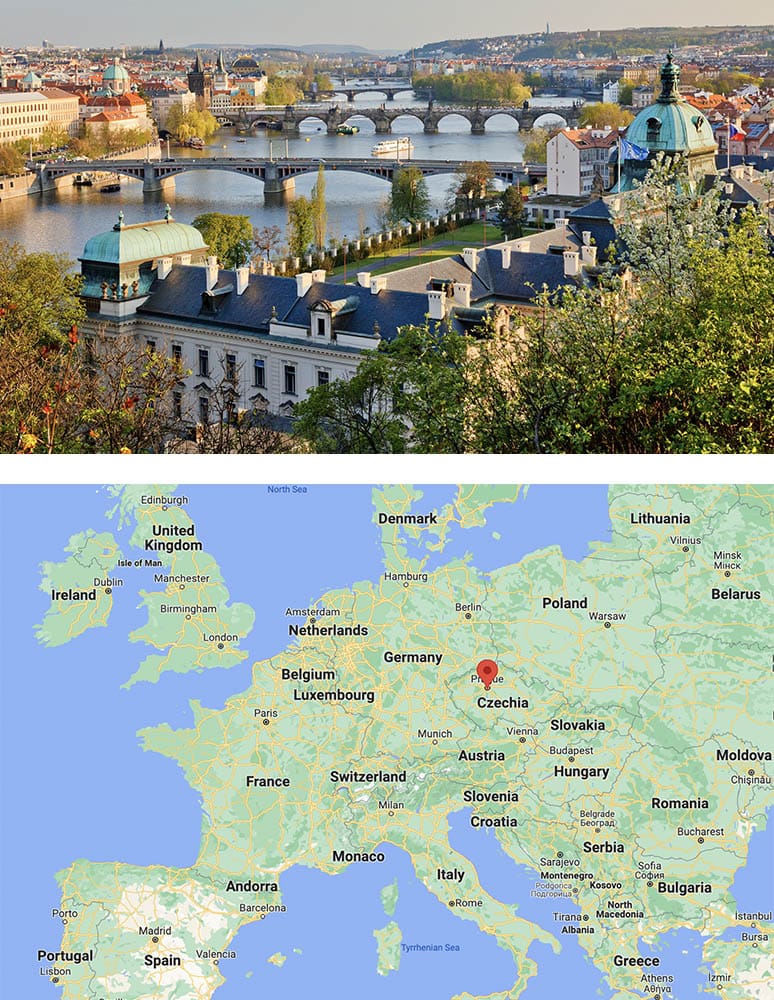
10. Prague, Czech Republic – 7.5 Million Annual Visitors
Often described as a "fairy tale city," Prague enchants visitors with its remarkably preserved medieval core, iconic Charles Bridge, Astronomical Clock, and majestic Prague Castle. While its affordability has shifted over the years, it still offers significant value compared to Western European counterparts. The city’s romantic ambiance, rich history, and lively cultural scene make it a popular destination, particularly during spring and autumn when the summer crowds thin out.
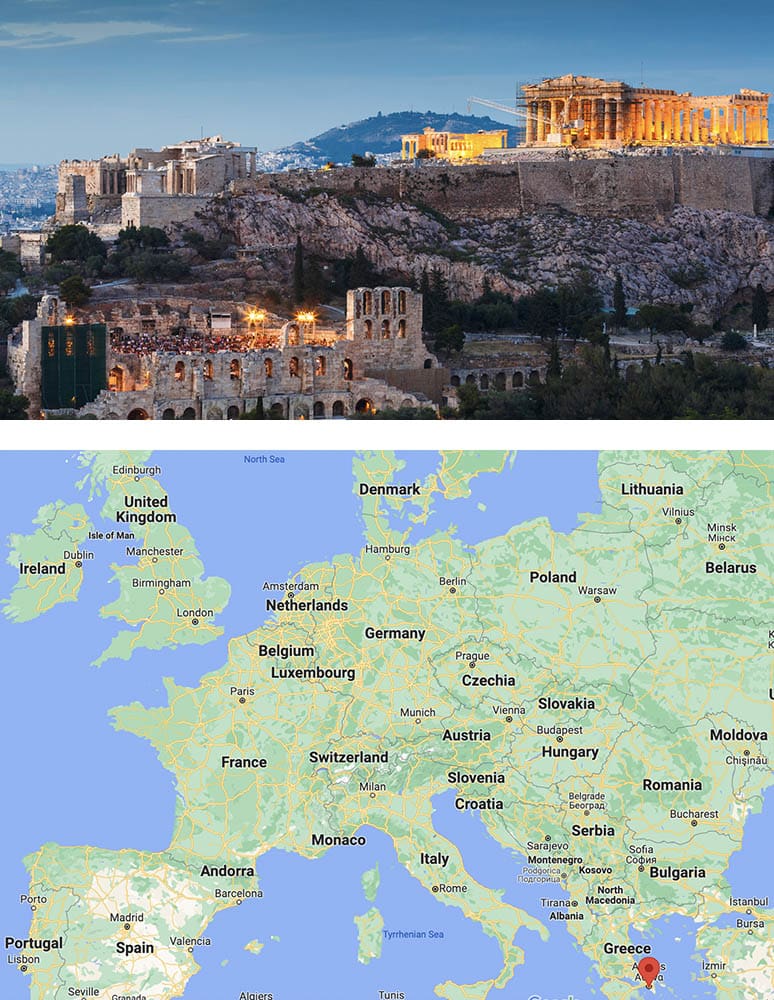
11. Athens, Greece – 6.5 Million Annual Visitors
Athens, the historical capital of Europe and the birthplace of democracy, art, science, and Western philosophy, serves as the primary gateway to Greece’s renowned islands. The Acropolis and Parthenon stand as monumental testaments to its ancient glory, drawing millions to marvel at their architectural splendor. While some perceive the broader urban landscape as gritty, the historical core around Plaka and the numerous archaeological sites offer an unparalleled journey into antiquity. The city continues to invest in enhancing its visitor experience, balancing its ancient heritage with modern urban development.
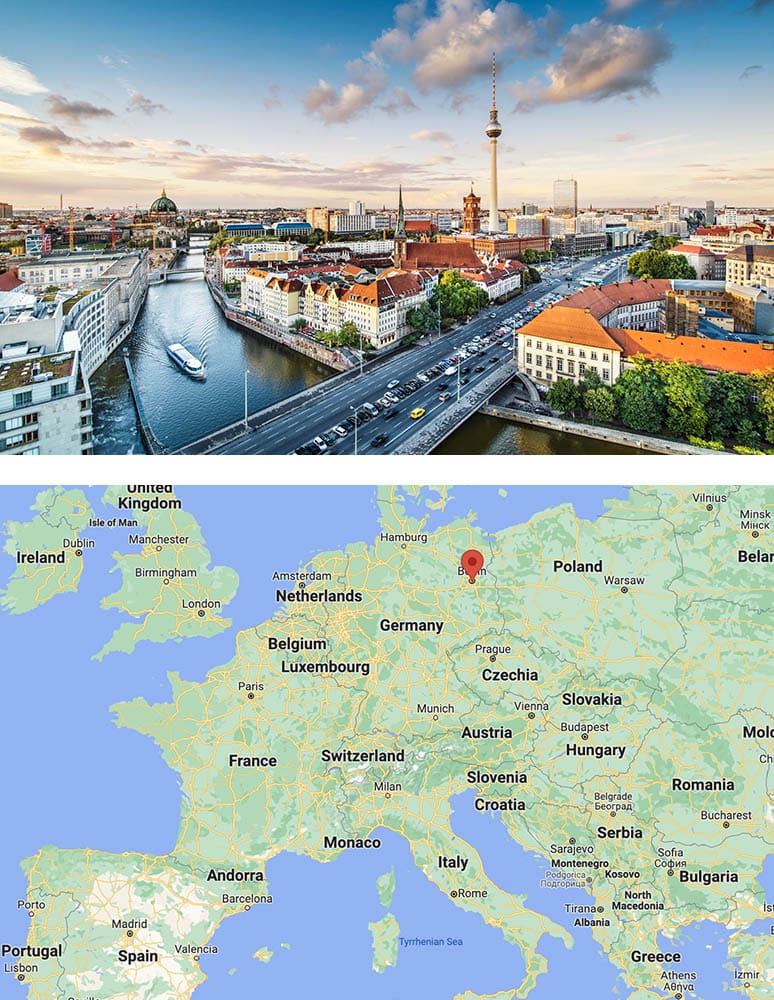
12. Berlin, Germany – 6.3 Million Annual Visitors
Once famously characterized as "poor but sexy," Berlin retains a unique blend of edgy counterculture and profound historical significance. Though no longer as inexpensive as it once was, it remains one of Europe’s more affordable major cities. Berlin’s complex history, reflected in sites like the Brandenburg Gate, Reichstag, Berlin Wall Memorial, and numerous WWII and Cold War museums, offers a compelling narrative. Simultaneously, it boasts a vibrant contemporary art scene, world-renowned clubbing culture, and diverse culinary offerings, making it a dynamic and intellectually stimulating destination.
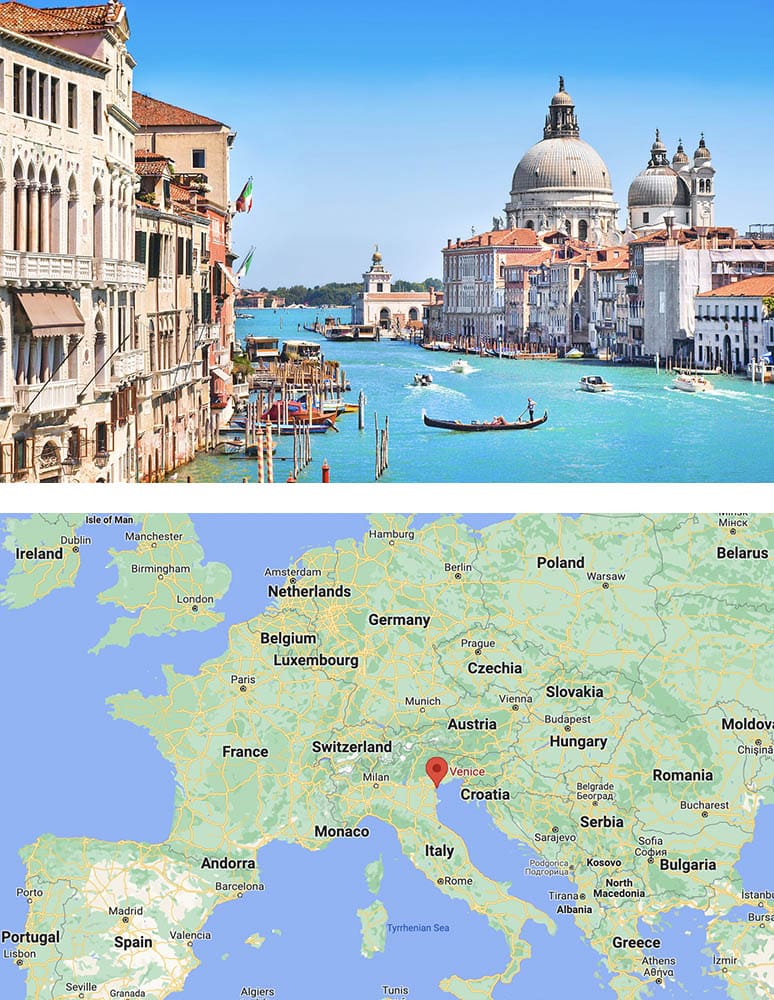
13. Venice, Italy – 5.6 Million Annual Visitors
The ethereal "Floating City" of Venice, with its intricate network of canals, gondolas, and stunning Renaissance architecture, remains a uniquely captivating destination. However, its immense beauty is shadowed by severe challenges, including the threats of rising sea levels and intense over-tourism. The city’s small size, coupled with large numbers of day-trippers (especially from cruise ships), often leads to crowded conditions. Authorities have begun implementing measures, such as a day-tripper fee, to manage visitor impact. Staying overnight offers a significantly different and more tranquil experience, allowing visitors to savor Venice’s magic after the crowds depart.
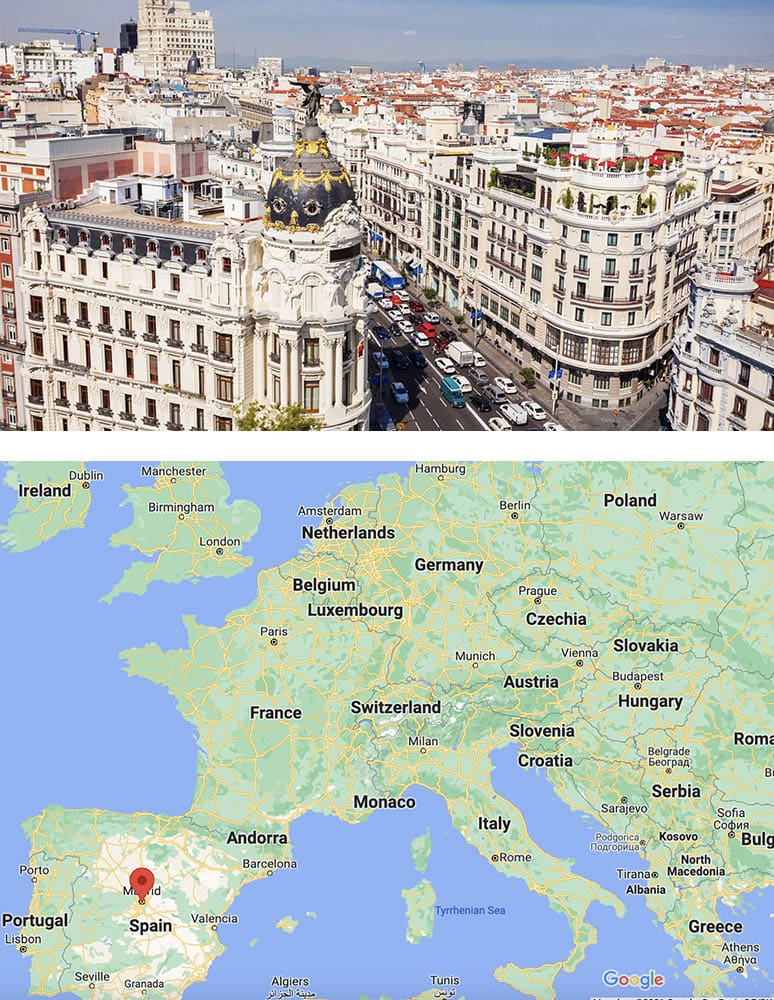
14. Madrid, Spain – 5.6 Million Annual Visitors
Spain’s vibrant capital, Madrid, offers a compelling mix of outstanding culture, world-class art (Prado, Reina Sofía), lively plazas, and renowned nightlife. While much of its architecture dates from the 20th century, giving it a more modern feel than some other European capitals, Madrid is brimming with energy and an authentic old-world charm. It’s also relatively affordable by Western European standards, making its grand boulevards, royal palaces, and spirited tapas bars accessible to a wide range of travelers.
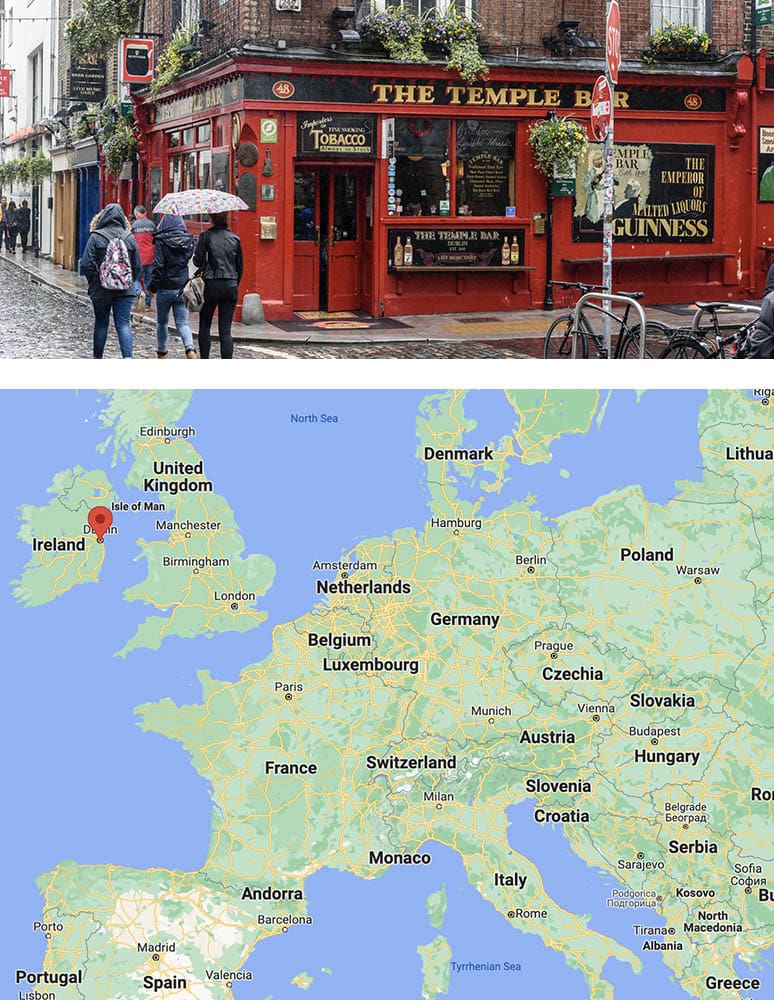
15. Dublin, Ireland – 5.5 Million Annual Visitors
Dublin, a compact yet spirited city, enchants visitors with its friendly locals, rich literary heritage, and thriving pub culture. Its sizable student population contributes to a lively and welcoming atmosphere, particularly in areas like Temple Bar. Key attractions include the Guinness Storehouse, Dublin Castle, and Trinity College with its famous Book of Kells. While easily navigable on foot, Dublin can be quite expensive, especially for food and alcoholic beverages, a common challenge for visitors to the Emerald Isle.
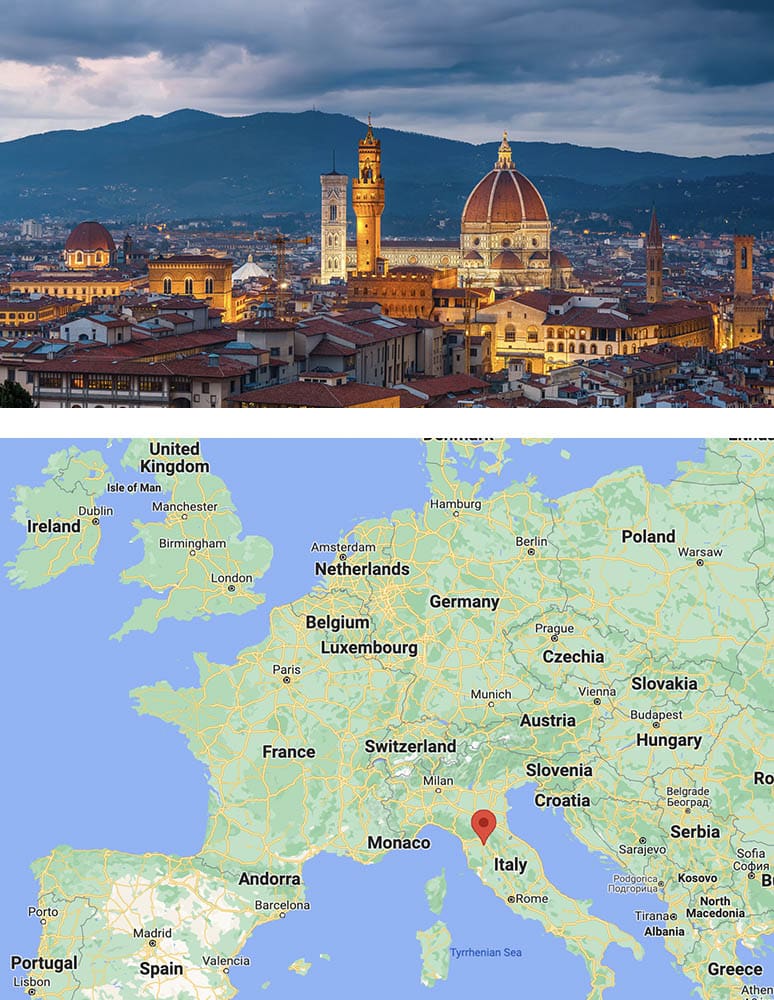
16. Florence, Italy – 5.1 Million Annual Visitors
Florence, the heart of Tuscany and the cradle of the Renaissance, is an indispensable Italian destination. Home to masterpieces like Michelangelo’s David, Botticelli’s "Birth of Venus," and Brunelleschi’s Duomo, the city is a living museum of art and architecture. Though a popular day-trip from Rome, Florence is best experienced over several days, allowing visitors to delve into its artistic treasures, savor its exquisite Tuscan cuisine, and witness the city’s transformation as evening thins the crowds.
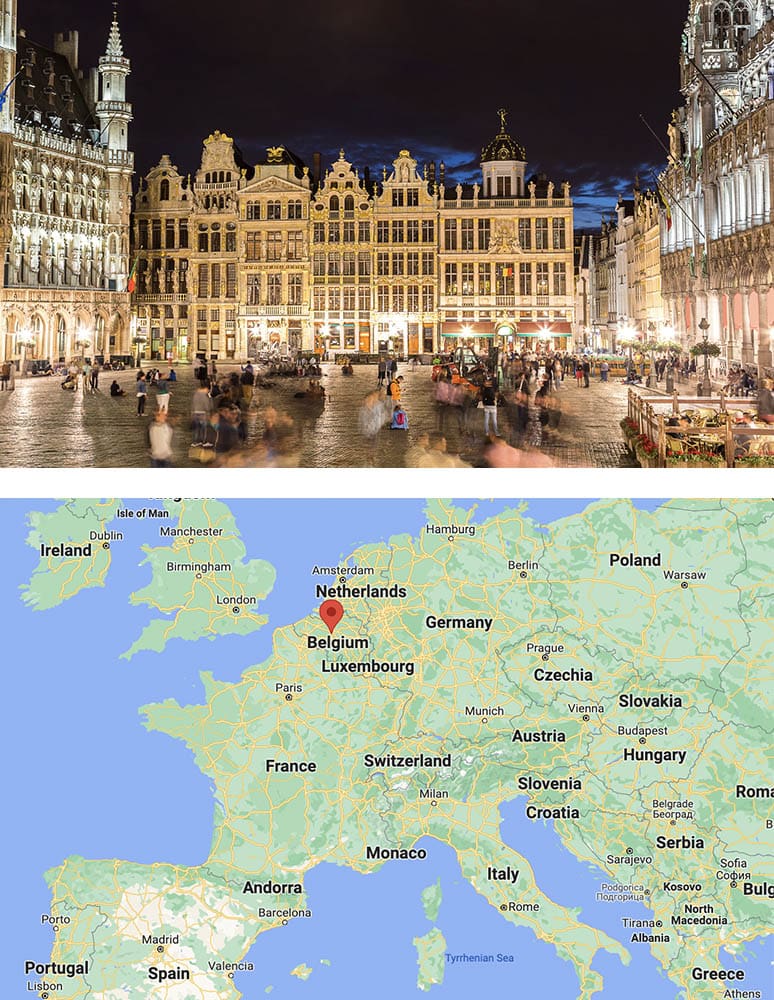
17. Brussels, Belgium – 4.3 Million Annual Visitors
As the de facto capital of the European Union, Brussels is globally recognized but often unfairly stereotyped as merely a bureaucratic hub. While it may not possess an abundance of "must-see" landmarks in the traditional sense, its magnificent Grand Place, the quirky Manneken Pis, and numerous art nouveau masterpieces offer unique charm. The city’s burgeoning creative class is slowly reshaping its image, attracting new cultural venues and a more diverse visitor base. What remains undisputed is its culinary triumvirate: world-renowned chocolates, crispy frites, and an unparalleled selection of craft beers.
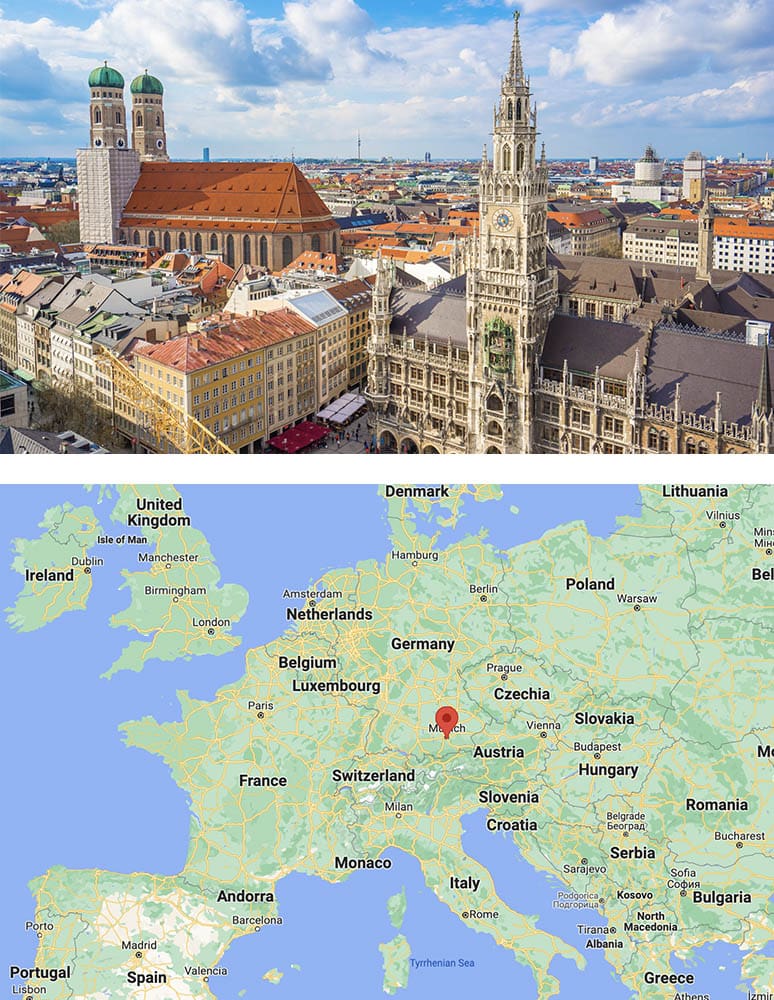
18. Munich, Germany – 4.2 Million Annual Visitors
Munich, the elegant capital of Bavaria, blends centuries-old German traditions with modern sophistication. It is famed globally for its annual Oktoberfest, drawing millions to partake in its legendary beer culture. Beyond the festivities, Munich boasts impressive classical architecture, numerous museums (including the Deutsches Museum and BMW Museum), and grand palaces. Its picturesque beer gardens and proximity to the stunning Bavarian Alps make it a versatile destination for both cultural exploration and outdoor adventures.
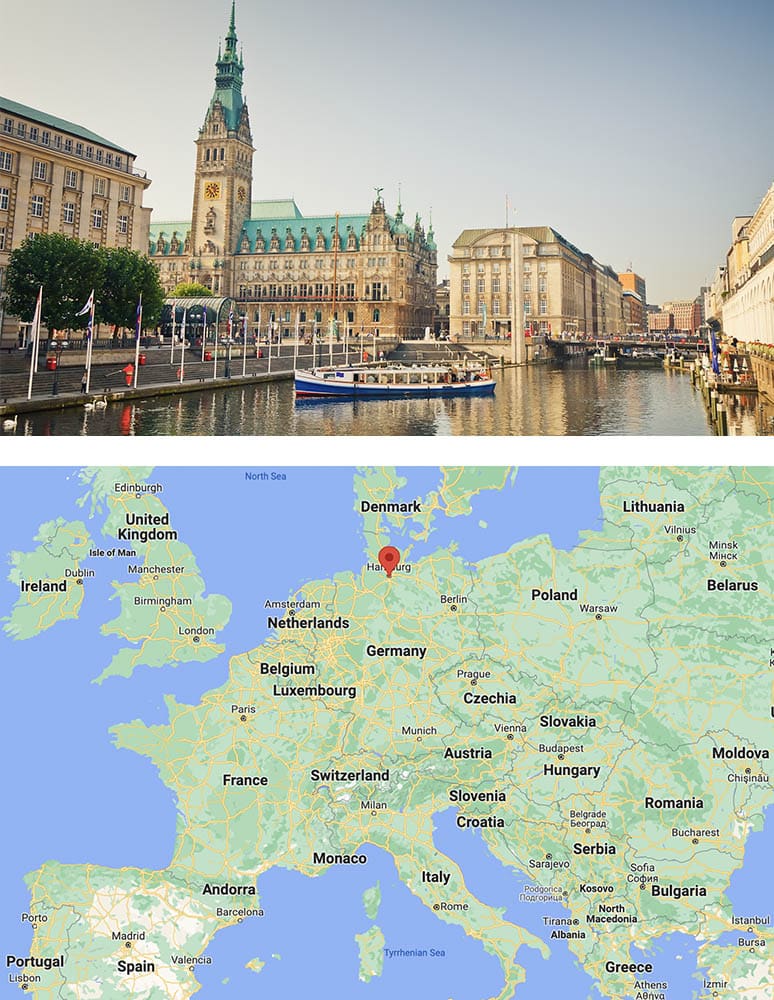
19. Hamburg, Germany – 4 Million Annual Visitors
Germany’s second-largest city, Hamburg, is a major port city that has undergone a remarkable transformation in recent years. Once known for its industrial edge, it has evolved into a hip, cultural hotspot. The Speicherstadt, a UNESCO World Heritage warehouse district, and the stunning Elbphilharmonie concert hall are testaments to its architectural ambition. With a thriving culinary scene, vibrant nightlife, and a dynamic arts community, Hamburg offers a modern urban experience that is increasingly drawing international attention.
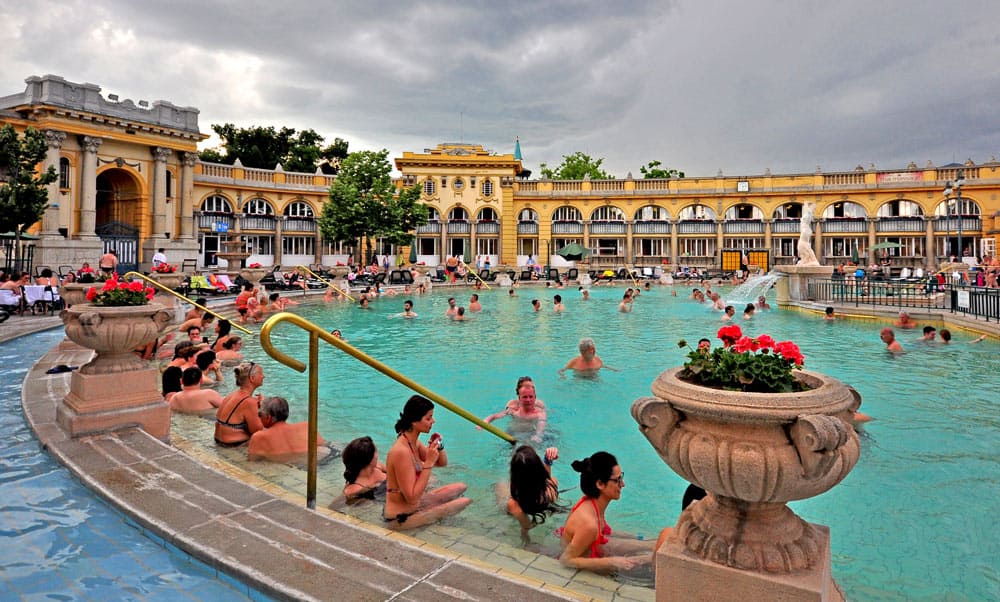
20. Budapest, Hungary – 4 Million Annual Visitors
Often dubbed the "Paris of the East," Budapest captivates with its elegant boulevards, stunning architecture, and thermal baths, all straddling the beautiful Danube River. The city offers a unique blend of historical grandeur and a vibrant, somewhat gritty, contemporary edge, a legacy of its complex 20th-century history. Its affordability compared to Western European cities, coupled with an exciting nightlife scene centered around "ruin bars," has made it a favorite among budget-conscious travelers and those seeking a lively cultural experience.
21. Tallinn, Estonia – 4 Million Annual Visitors
Tallinn offers an enchanting blend of Nordic and Russian influences, showcased in its remarkably preserved medieval Old Town, a UNESCO World Heritage site. The city’s complete walled fortifications, historic churches, and charming cobblestone streets evoke a fairy-tale atmosphere. As a popular day-trip destination, especially from Helsinki, Tallinn can experience significant crowds, particularly with the increase in cruise ship arrivals. Staying overnight allows visitors to experience the city’s quieter, more authentic charm once the day-trippers depart.
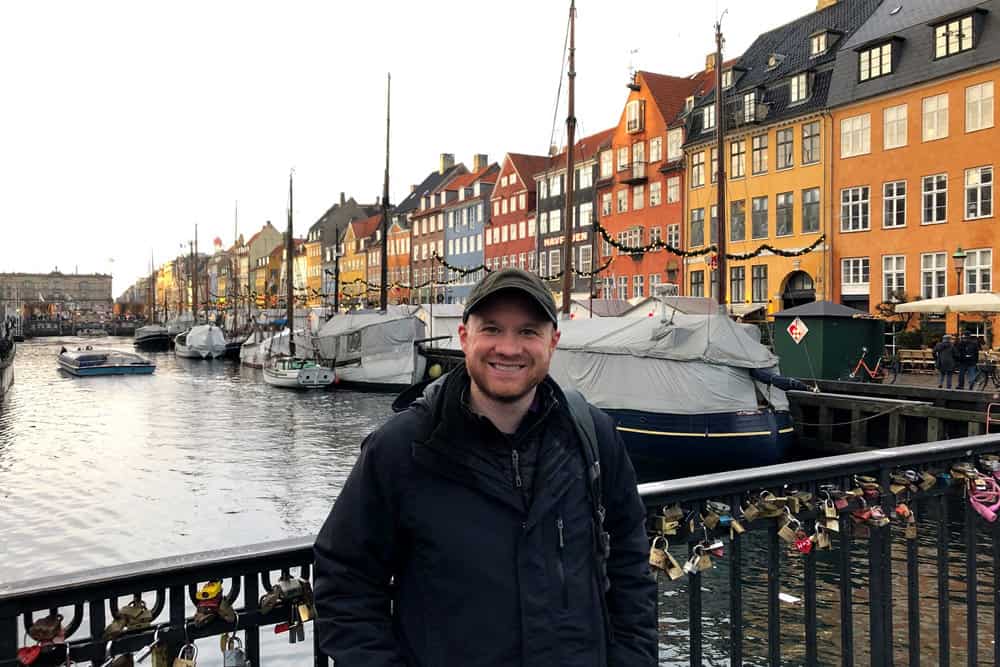
22. Copenhagen, Denmark – 3.2 Million Annual Visitors
Consistently ranked among the happiest cities globally, Copenhagen offers an exceptional quality of life and a captivating visitor experience. The Danish capital seamlessly blends beautiful historic architecture with innovative modern design, boasts a world-class food scene, and features attractions like Tivoli Gardens and the iconic Little Mermaid statue. Its strong biking culture, numerous coffee shops, lively craft beer scene, and emphasis on sustainable urban living contribute to its unique appeal, though it is one of Europe’s more expensive cities.
23. Edinburgh, Scotland – 3.1 Million Annual Visitors
Edinburgh, Scotland’s capital, is a city of dramatic beauty and youthful energy. Its medieval Old Town, dominated by the majestic Edinburgh Castle, contrasts elegantly with the Georgian New Town. The city hosts the world-renowned Edinburgh Festival and Fringe Festival every August, transforming into a global cultural stage. Known for its welcoming locals, excellent Scottish pubs, and rich history, Edinburgh provides a captivating experience, whether exploring its historic closes or enjoying its vibrant arts scene.
24. Heraklion, Greece – 3 Million Annual Visitors
Heraklion, the bustling port city and capital of Crete, serves primarily as a logistical hub for exploring Greece’s largest island. While many visitors use it as a transit point, the city itself holds significant historical treasures, most notably the Minoan Palace of Knossos, a short distance away, and the Heraklion Archaeological Museum. Though often perceived as less aesthetically pleasing than other Greek destinations, its strategic importance and historical depth warrant closer examination.
25. Kraków, Poland – 2.9 Million Annual Visitors
Kraków is celebrated as Poland’s cultural and intellectual capital, renowned for its beautifully preserved medieval Old Town, Wawel Castle, and historic Jewish Quarter (Kazimierz). The city exudes an old-world charm that contrasts with its vibrant, youthful energy, fueled by a large university student population. While offering a rich historical and cultural experience, Kraków also has a burgeoning reputation as an affordable party destination, making it appealing to a diverse demographic of travelers.
26. Warsaw, Poland – 2.8 Million Annual Visitors
Warsaw, Poland’s sprawling capital, stands as a testament to resilience, having been almost entirely rebuilt after its destruction during World War II. Its meticulously reconstructed Old Town, a UNESCO site, now mirrors its pre-war splendor. While perhaps lacking the immediate picturesque appeal of Kraków, Warsaw offers a compelling narrative of survival and rebirth, with a wealth of museums, modern architecture, and a dynamic contemporary culture that is increasingly being discovered by international visitors.
27. Frankfurt, Germany – 2.7 Million Annual Visitors
Frankfurt am Main, often perceived as Germany’s financial heart, is a largely modern city dominated by its impressive skyline and status as a major European business hub. While it may not be a top-tier tourist destination for those seeking quaint European charm, it offers a sophisticated urban experience with excellent museums, a revitalized old town (Römerberg), and a thriving culinary scene. Its central location and extensive transport links make it a convenient gateway for exploring Germany and beyond.
28. Stockholm, Sweden – 2.7 Million Annual Visitors
Stockholm, the elegant capital of Sweden, is uniquely spread across 14 islands, offering stunning waterfront views and a blend of historic charm and modern Scandinavian design. Attractions like the Vasa Museum, the Royal Palace, and the Nobel Museum provide rich cultural insights. While undeniably beautiful, Stockholm is known for being an expensive city. Its relatively remote geographical location means it requires a dedicated journey, but those who make the trip are rewarded with a city celebrated for its cleanliness, efficiency, and sophisticated urban life.
29. Nice, France – 2.6 Million Annual Visitors
Nice, the jewel of the French Riviera, has been a favored summer retreat for centuries, renowned for its vibrant Promenade des Anglais, Mediterranean climate, and artistic heritage. While the Côte d’Azur has a reputation for exclusivity, Nice offers numerous budget-friendly options, including excellent museums (Chagall, Matisse) and easy train access to charming seaside towns along the coast. Its blend of Italianate architecture, bustling markets, and stunning azure waters makes it a perennially popular destination.
30. Porto, Portugal – 2.5 Million Annual Visitors
Porto, Portugal’s second-largest city, offers a distinct charm compared to Lisbon. This "shabby chic" city is celebrated for its historic Ribeira district (a UNESCO World Heritage site), its iconic Port wine cellars across the Douro River, and its impressive bridges. Porto provides a remarkably affordable experience, attracting a new generation of travelers, chefs, and artists drawn to its authentic character, warm weather, and burgeoning cultural scene. The city’s increasing popularity highlights a growing interest in Portugal’s diverse regions.
31. Bruges, Belgium – 2.5 Million Annual Visitors
Despite its small size, the medieval "fairy tale" town of Bruges is one of Europe’s most popular destinations, drawing millions to its picturesque canals, cobblestone streets, and well-preserved Gothic architecture. Many visitors come as day-trippers, leading to crowded daytime conditions. However, staying overnight reveals a quieter, more magical Bruges, allowing for serene walks along its waterways and intimate dinners in its charming squares after the tourist buses depart. Its reputation for fine chocolate and beer further enhances its appeal.
32. Reykjavik, Iceland – 2 Million Annual Visitors
Tourism to Reykjavik has seen an explosive growth in recent years, a remarkable feat for a capital city with a population of just over 100,000. Visitors are drawn to its unique blend of vibrant city life and unparalleled access to Iceland’s dramatic natural wonders, including the Northern Lights, the Blue Lagoon, and the Golden Circle. While offering an unforgettable experience of fire and ice, Reykjavik is famously one of the most expensive cities in the world, requiring careful budget planning for travelers.
33. Seville, Spain – 2 Million Annual Visitors
Seville, Spain’s fourth-largest city and the capital of Andalusia, is a much-loved destination in Southern Europe. Renowned for its stunning Alcázar palace, the colossal Seville Cathedral (housing Columbus’s tomb and the Giralda bell tower), and its passionate flamenco culture, Seville exudes a captivating charm. This laid-back city is best explored over several days, but visitors should be mindful of its intensely hot summers, with spring and autumn offering more comfortable temperatures for exploration.
34. Lyon, France – 1.6 Million Annual Visitors
Lyon proudly holds the title of France’s gastronomic capital, a significant distinction in a country famed for its cuisine. Beyond its culinary prowess, Lyon is a vibrant hub for art, culture, winemaking, and commerce. Its Roman ruins, Renaissance Old Town, and the Croix-Rousse silk district offer a rich historical tapestry. A large university population contributes to a youthful and welcoming atmosphere, often cited by visitors as more approachable and friendly than Paris. Its strategic location at the confluence of the Rhône and Saône rivers adds to its picturesque appeal.
35. Dubrovnik, Croatia – 1.5 Million Annual Visitors
Dubrovnik, the "Pearl of the Adriatic," has witnessed an extraordinary surge in popularity in recent years, largely thanks to its stunning walled Old Town and its role as a filming location for major productions like "Game of Thrones." This increased demand has, however, brought higher prices and significant challenges with over-tourism, particularly during peak summer months. To truly appreciate its ancient beauty and breathtaking views of the Adriatic Sea, visitors are increasingly encouraged to explore Dubrovnik during the quieter shoulder seasons.
Broader Trends, Economic Impact, and Future Outlook
The robust recovery and projected growth in European tourism for 2025 carry significant economic implications. Tourism is a vital sector, contributing substantially to GDP, employment, and local economies across the continent. The influx of nearly 800 million international arrivals supports countless businesses, from hospitality and transportation to cultural institutions and local artisans. Tourism officials across Europe express cautious optimism, balancing these undeniable economic gains with the imperative of sustainable development.
However, this resurgence also highlights critical challenges. Over-tourism remains a pressing concern for several popular destinations, leading to strained infrastructure, environmental impact, and a diminished quality of life for residents. Cities like Amsterdam, Venice, and Dubrovnik are actively exploring and implementing strategies to manage visitor flows, diversify attractions, and promote more sustainable forms of tourism. These efforts include regulating short-term rentals, implementing tourist taxes, and encouraging visits to lesser-known areas or during off-peak seasons.
The future of European tourism will likely be shaped by a continued focus on sustainability, technological integration (e.g., smart city initiatives for managing tourism), and a diversification of experiences to cater to evolving traveler preferences. Major events, such as the Paris Olympics, serve as powerful catalysts for drawing attention and investment, but also underscore the need for careful planning to ensure long-term benefits without overwhelming local resources. Europe’s enduring appeal, combined with proactive management strategies, positions the continent for continued success in the global tourism landscape, albeit with a growing emphasis on responsible and inclusive growth.