Beyond Bourbon Street: The Evolution of New Orleans Cocktail Culture and Its Modern Renaissance

New Orleans has long served as the crucible of American cocktail culture, a city where the act of drinking is inextricably linked to its social, architectural, and historical identity. While global perception often reduces the city’s libation scene to the neon-lit excess of Bourbon Street, a more nuanced and historically grounded reality exists. The city is the undisputed birthplace of the Sazerac—often cited as the world’s first cocktail—as well as the Hurricane and the Ramos Gin Fizz. These drinks did not emerge in a vacuum; they were products of a unique cultural intersection involving 19th-century European influence, the scarcity of Prohibition-era supplies, and the city’s inherent propensity for communal celebration.
The Historical Foundation of the Crescent City Pour
The chronology of New Orleans drinking culture is marked by institutional milestones that have survived war, prohibition, and modernization. The Sazerac Bar, housed within the historic Roosevelt New Orleans, serves as a primary example. Its significance is not merely in the preservation of the Sazerac cocktail, but in the social history of the venue itself. The annual “Stormin’ the Sazerac” event commemorates the 1949 decision to end the bar’s men-only policy, a pivotal moment in the city’s hospitality industry that signaled a shift toward inclusivity.
Historically, the city’s cocktail innovation was driven by “cantineros” and master mixologists who treated the bar as a laboratory. The influence of Joseph Santini, who operated the original Jewel of the South in the 19th century, remains a touchstone for modern operators. Today, venues like Jewel of the South—revived in 2019 by industry veterans—bridge the gap between 1830s Creole cottage charm and modern technical precision. By utilizing techniques such as fat-washing spirits and integrating complex spice profiles, contemporary bars are effectively curating a living museum of liquid history.

The Modern Landscape: Innovation and Preservation
While tradition provides the backbone, the current New Orleans bar scene is defined by a push toward hyper-local sourcing and the elevation of niche spirits. The emergence of establishments like NightBloom in the Bywater illustrates a departure from the high-traffic French Quarter tourist model. By focusing on women-owned, minority-owned, and regional distilleries such as Exclave Spirits and River Basin Distillery, these new-wave bars are shifting the economic impact of the hospitality sector toward local producers.
Data from the New Orleans & Company tourism board indicates that culinary and cocktail-related tourism accounts for a significant portion of the city’s annual $9 billion hospitality economy. This financial reality has prompted operators to invest in elevated environments. For example, Latitude 29, led by renowned cocktail historian Jeff “Beachbum” Berry, represents a shift toward research-based mixology. Berry, whose work in uncovering “lost” tiki recipes has been cited by The New York Times, transformed the tiki aesthetic from kitsch to a scholarly endeavor. The bar’s interior, featuring hand-commissioned woodwork by neo-tiki artists, reflects a commitment to craftsmanship that mirrors the complexity of the drinks themselves.
Profiles in Mixology: The Current Top-Tier Establishments
The current roster of elite bars in New Orleans demonstrates a diverse range of operational philosophies:
- Jewel of the South: Located in a historic Creole cottage, this establishment focuses on reviving 19th-century techniques. Their signature Brandy Crusta, utilizing Remy 1738 cognac, exemplifies the meticulous preservation of heritage recipes.
- The Sazerac Bar: A bastion of Art Deco history, it continues to define the standard for the Ramos Gin Fizz. The labor-intensive nature of this drink—which requires a sustained, multi-minute shake to achieve its signature emulsion—serves as a performance piece that connects modern patrons to the pre-Prohibition era.
- NightBloom: A representative of the "new guard," this Bywater hangout prioritizes accessibility and regional collaboration. Their menu rotations, often priced between $10 and $16, reflect an effort to maintain a local, resident-friendly price point in an increasingly inflationary market.
- Manolito: By honoring the legacy of Havana’s El Floridita, Manolito brings Caribbean technique to the Bayou. The bar’s focus on the “cantinero” tradition provides a critical link between Cuban and New Orleans drinking styles, both of which share a tropical, citrus-forward heritage.
- Baroness on Baronne: This venue exemplifies the "community-first" approach. Through seasonal menus that utilize Louisiana strawberries and smoked pecans, the bar serves as a nexus for local agriculture and craft spirits.
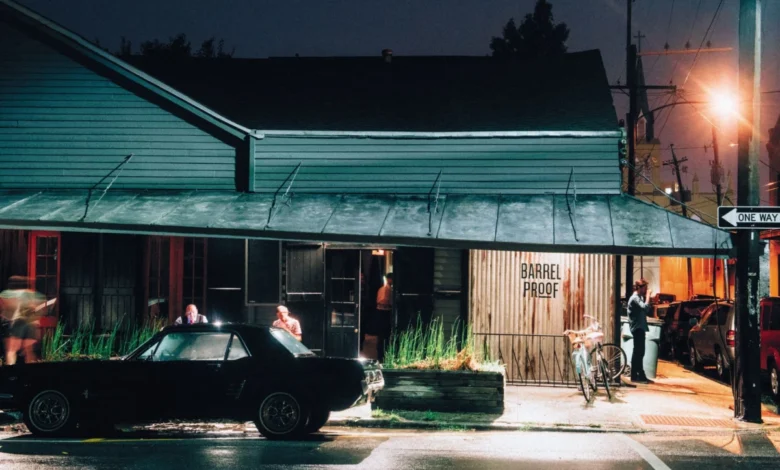
- Barrel Proof: With a library of over 500 whiskies, this bar fills a critical gap for whiskey enthusiasts. Its success indicates a growing market for specialized, spirit-focused venues that cater to connoisseurs rather than the casual tourist.
- Bartonique: Located on the periphery of the French Quarter, it offers a necessary respite from the chaos of the city center. Its focus on punches and "Temperance Drinks" (non-alcoholic) acknowledges the evolving health-conscious trends in the hospitality industry.
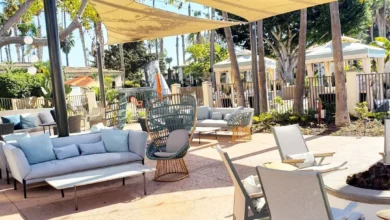
- Charles & Julia: A newcomer to the St. Charles Avenue corridor, this venue highlights the modern trend of multi-level hospitality, blending rooftop terrace social spaces with refined lobby-lounge mixology.
The Impact of Regional Sourcing
A significant, often overlooked, aspect of the contemporary New Orleans cocktail movement is the integration of regional produce. The "Miss V" cocktail at NightBloom, which incorporates house-made verdita—a blend of cilantro, mint, jalapeño, and pineapple—is representative of a wider industry trend toward using fresh, market-driven ingredients. This shift has implications for the local agricultural supply chain, as bars increasingly partner with Louisiana farmers to source herbs, citrus, and seasonal fruits.
.jpg)
Furthermore, the rise of "Temperance Drinks," or high-end non-alcoholic offerings, reflects a broader national shift in drinking habits. Establishments like Bartonique are proving that the complexity of a cocktail can be achieved without the use of alcohol, utilizing techniques such as house-made shrubs, celery bitters, and herbal infusions to provide a satisfying experience for all patrons. This inclusivity is critical for the long-term sustainability of the New Orleans bar scene, ensuring it remains viable as consumer preferences move away from high-ABV reliance.
Future Projections and Industry Synthesis
The trajectory of New Orleans’ cocktail scene is one of refined evolution. While the "party-all-the-time" persona will likely remain a key driver for tourism, the industry is clearly moving toward a model of historical preservation coupled with sustainable, local innovation. Industry leaders, including the teams behind Jewel of the South and Latitude 29, have set a standard for what is possible when rigorous research is applied to hospitality.
From a macroeconomic perspective, the continued success of these bars depends on their ability to balance the demands of a high-volume tourist base with the loyalty of the local community. The "neighborhood bar" model, exemplified by establishments like Barrel Proof and NightBloom, serves as a buffer against the volatility of the tourism market. As these venues continue to prioritize unique, locally-sourced, and historically-informed offerings, they solidify New Orleans’ reputation not just as a city of indulgence, but as a global capital of craft mixology.
The integration of food and drink—such as the pairing of Wagyu beef tongue with complex cocktails at Jewel of the South—suggests that the future of the city’s nightlife lies in the "holistic hospitality" approach. By treating the bar as a place for dining, socializing, and learning, New Orleans is successfully insulating its cultural heritage from the homogenization that often plagues other major metropolitan nightlife districts. As the city moves further into the 2020s, its cocktail culture remains a testament to the idea that tradition is not static, but a dynamic, evolving dialogue between the past and the present.