Rauhassa: Rethinking the Helsinki Museum Experience Through a Slower, More Intentional Itinerary

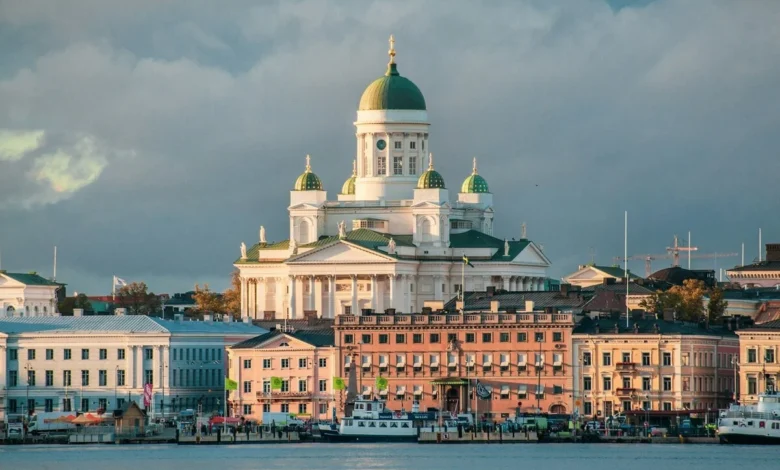
The traditional approach to urban cultural tourism often encourages a hurried checklist mentality, prompting visitors to cram as many exhibitions as possible into a single afternoon. In the Finnish capital, however, cultural analysts, local guides, and tourism boards are increasingly advocating for a counter-movement rooted in the concept of rauhassa—a Finnish term translating roughly to "in peace" or "without rushing." Rather than treating world-class cultural institutions as mere checkboxes to be ticked off before lunch, travelers are discovering that a curated, deliberate exploration of Helsinki’s museum landscape yields a far richer understanding of the city’s artistic and historical identity.
The Pitfalls of Cultural Fatigue and the Case for Curation
Urban tourism studies consistently show that cognitive overload sets in after roughly two hours of intensive gallery viewing. When visitors attempt to navigate four or five distinct collections in a single afternoon, museum fatigue takes hold. By mid-afternoon, distinctions between individual artists, historical periods, and architectural movements begin to blur, leaving travelers exhausted and unable to retain meaningful impressions.
In contrast, selecting two or three institutions with intentionality allows for genuine engagement. This slower cadence transforms a standard sightseeing trip into an immersive cultural experience, leaving ample cognitive space to absorb the nuances of Nordic art and contemporary design. Rather than measuring a vacation by the sheer volume of ticket stubs collected, cultural strategists argue that the true measure of a successful museum day lies in the depth of connection made with the exhibits.
Morning Phase: Grounding the Journey at the Ateneum
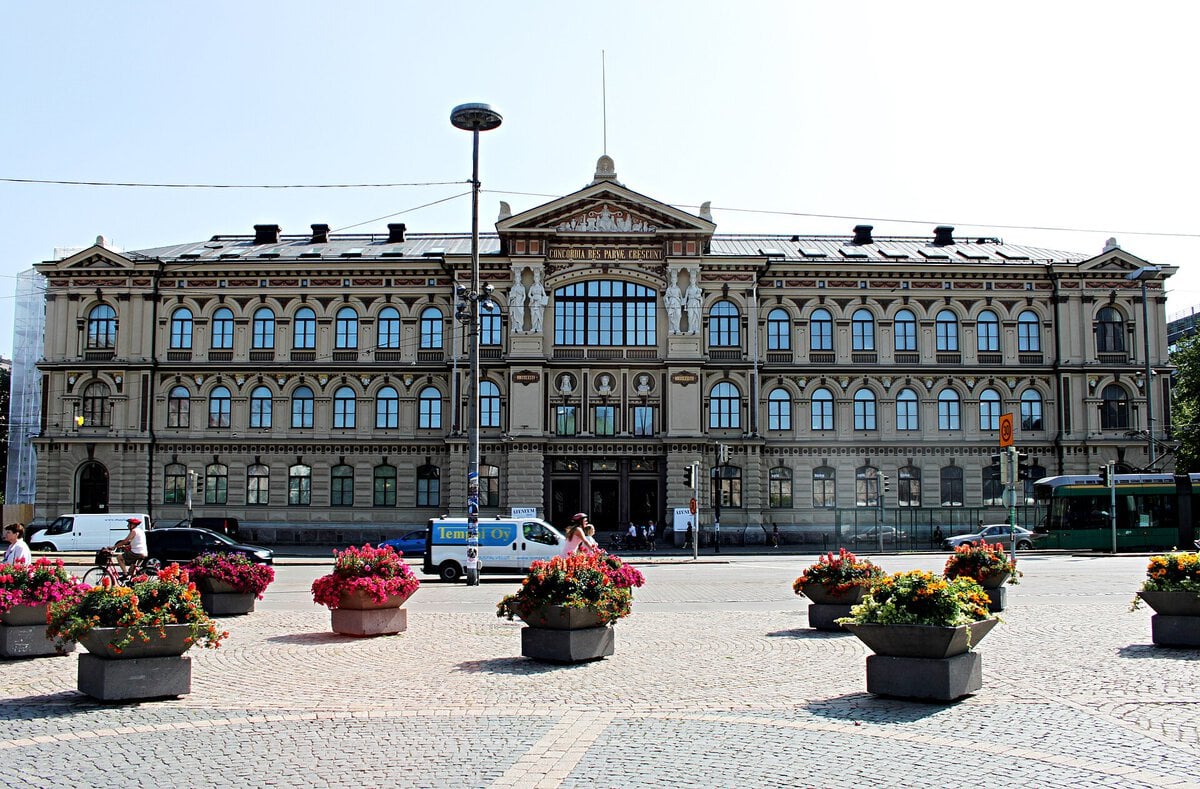
The logical starting point for an intentional Helsinki museum itinerary is the Ateneum, a cornerstone of the Finnish National Gallery situated prominently beside Helsinki Central Station. Opened in the late 19th century, the Ateneum building itself stands as an architectural landmark of the Finnish Renaissance Revival, designed by architect Theodor Höijer.
Stepping off the bustling downtown streets—where tram bells and commuter foot traffic set a frantic urban pace—visitors enter an environment designed for quiet contemplation. The morning hours offer optimal conditions for viewing the museum’s extensive permanent collection, which charts the evolution of Finnish art from the 1850s to the modern era. Here, masterpieces by canonical Finnish artists such as Akseli Gallen-Kallela, Albert Edelfelt, and Helene Schjerfbeck hang alongside significant international holdings.
Rather than skimming through rooms to reach a final destination, visitors are encouraged to spend extended time with individual works. For those seeking deeper context without hiring a formal tour guide, brief interactions with gallery staff at the information desk often reveal overlooked highlights of current rotating exhibitions.
Practical Details: Standard admission to the Ateneum is €23 at the ticket office or €21 when booked online, with discounted tickets available for €13. Admission is entirely free for visitors under the age of 18 and holders of the national Museum Card. Operating hours typically run from Tuesday through Sunday, with extended evening hours on Wednesdays and Thursdays.
Midday Transition: Crossing the City to Kiasma
A common misconception among first-time visitors is that major cultural hubs in European capitals require extensive logistical planning and time-consuming transit to navigate. In Helsinki, however, the geographical proximity of key institutions redefines urban exploration.
Kiasma, the Museum of Contemporary Art, is located a mere 500 meters from the Ateneum. This short walk across the heart of the city serves as a vital psychological and physical bridge between contrasting artistic eras. The urban landscape itself becomes an integrated component of the itinerary, eliminating the friction of public transit transfers.
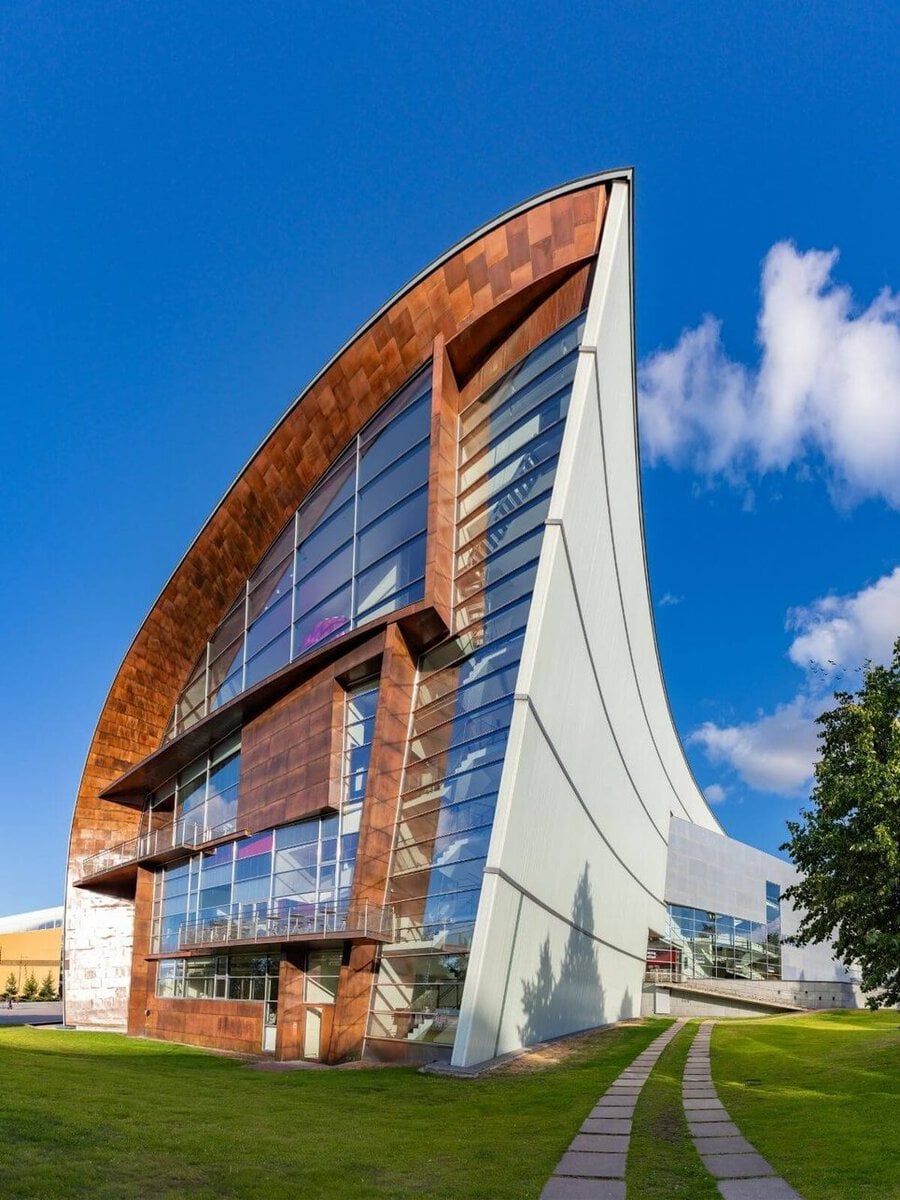
Upon arriving at Kiasma, visitors encounter a stark architectural and thematic shift. Designed by American architect Steven Holl and opened in 1998, the building’s sweeping, fluid curves and dramatic use of natural light contrast sharply with the rigid 19th-century symmetry of the Ateneum. Chronologically and conceptually, the transition moves the viewer from the foundational works that shaped Finland’s national visual identity to contemporary pieces that interrogate modern sociopolitical and environmental issues.
Pricing and Access: Kiasma shares a parallel pricing structure with the Ateneum, featuring standard entry at €23 at the door (€21 online) and reduced rates for eligible demographics. To democratize access, Kiasma offers free public admission on the first Friday of every month, though cultural analysts note that this designation predictably results in peak attendance figures.
Afternoon Pause and the Third Cultural Stop
To maintain the principles of rauhassa, cultural itineraries should deliberately incorporate a midday break. Rather than rushing immediately from Kiasma to a third museum on aching feet, visitors are advised to pause for coffee and a light meal at a museum café or local establishment. Helsinki’s café culture emphasizes quality and relaxation, providing an essential psychological reset.
Following a proper break, the afternoon allows for a carefully chosen third destination. Two prominent institutions frequently contend for this final slot:
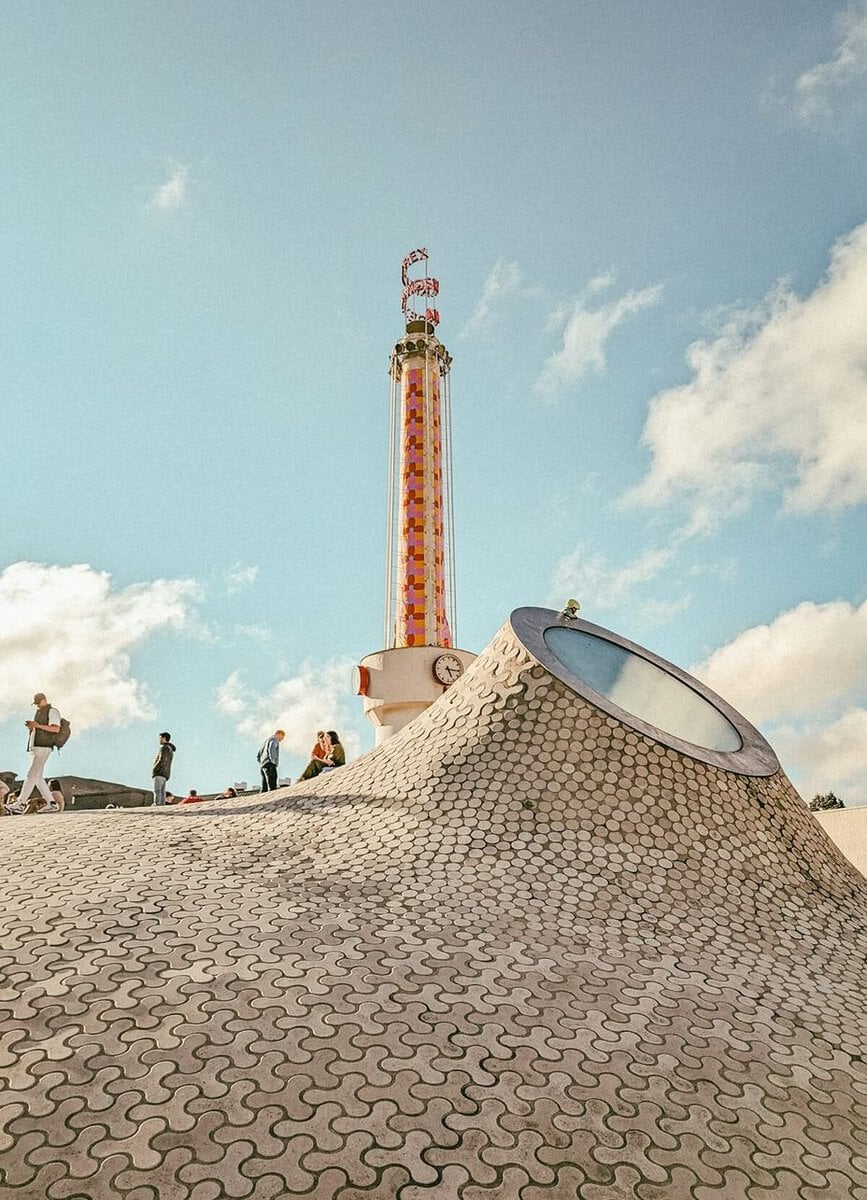
- Amos Rex: Located underground beneath the historic Lasipalatsi square, Amos Rex is renowned for its subterranean, dome-skylighted exhibition spaces that host cutting-edge experimental art and immersive digital installations.
- The Design Museum (Designmuseo) / Museum of Finnish Architecture: Situated in the historic Punavuori district, these neighboring institutions explore the profound global impact of Finnish industrial design, fashion, and architectural theory.
Attempting to visit both options, or appending a fourth museum to the schedule, violates the core philosophy of intentional travel. Selecting just one ensures that the final exhibition receives the same analytical attention as the morning session.
Economic Analysis: Evaluating Pass Systems and Ticketing
A critical element of planning a multi-museum day in Helsinki involves navigating the financial structures of Finland’s cultural sector. Travelers frequently weigh the utility of the nationwide Museum Card (Museokortti) against the multi-attraction Helsinki Card.
- The Museum Card: This nationwide, annual pass provides unlimited admission to over 300 museums across Finland for 12 months. Tourism economists note that while the card represents exceptional value for residents or extended travelers exploring multiple regions, its financial viability for a short, single-day trip focused on two or three specific venues requires careful calculation. If projected individual ticket costs remain below the flat rate of the card, purchasing standard admission remains more economical.
- The Helsinki Card: Offered in 24-, 48-, and 72-hour increments, this city pass bundles museum entries with sightseeing tours and, depending on the tier selected, public transportation benefits. Industry evaluations suggest that the Helsinki Card pays dividends only when the user actively capitalizes on its multi-modal offerings—combining transport, boat tours, and multiple partner museums within the active window.
Practical Recommendations for Travelers
Executing a successful slow-travel museum day in Helsinki requires attention to regional climate factors and logistics. Because Helsinki weather is subject to rapid atmospheric shifts—including cold winds, rain, or sudden drops in temperature—visitors should prioritize layering clothing. The itinerary involves frequent transitions between climate-controlled indoor galleries and outdoor walking routes; breathable layers ensure comfort throughout the day.
Furthermore, while advance ticket booking is generally not mandatory for self-paced, single-day itineraries, verifying operating hours directly through institutional websites is recommended to account for seasonal schedule adjustments or private exhibition installations.
Ultimately, by rejecting the pressure to accumulate cultural sights indiscriminately, travelers to Helsinki can align their journeys with local rhythms. Embracing rauhassa transforms a hectic sightseeing obligation into a deeply resonant engagement with Finnish art, architecture, and urban life.
Related posts: