Melaka, Malaysia – A culinary cornerstone of Southeast Asian street food, Hainanese Chicken Rice, finds an exceptional and revered expression in the historic city of Melaka. Among the many culinary institutions that dot this UNESCO World Heritage site, Kedai Kopi Chung Wah stands out as a beacon for locals and tourists alike, consistently topping recommendations for its distinctive rendition of this beloved dish, particularly its signature rice balls. This family-run establishment has cultivated a legacy built on the meticulous preparation of traditional recipes, offering a gastronomic experience that is unequivocally worth the journey.
The allure of Melaka extends far beyond its contemporary appeal; its historical significance as a trading hub dates back to the mid-15th century, drawing visitors from across Asia and Europe. The city’s strategic location along the Strait of Malacca facilitated the arrival of maritime traders, most notably from China, who left an indelible mark on the local cuisine. While Hainanese chicken rice itself originates from the Chinese province of Hainan, its adaptation and evolution within the Malaysian context, particularly in Melaka, showcases a fascinating fusion of culinary traditions. It is important to note that while chicken rice is an import from Hainan, Melaka and Malaysia are rich tapestries of diverse food cultures, including the unique Peranakan and Nyonya influences, which offer further culinary explorations for discerning palates.
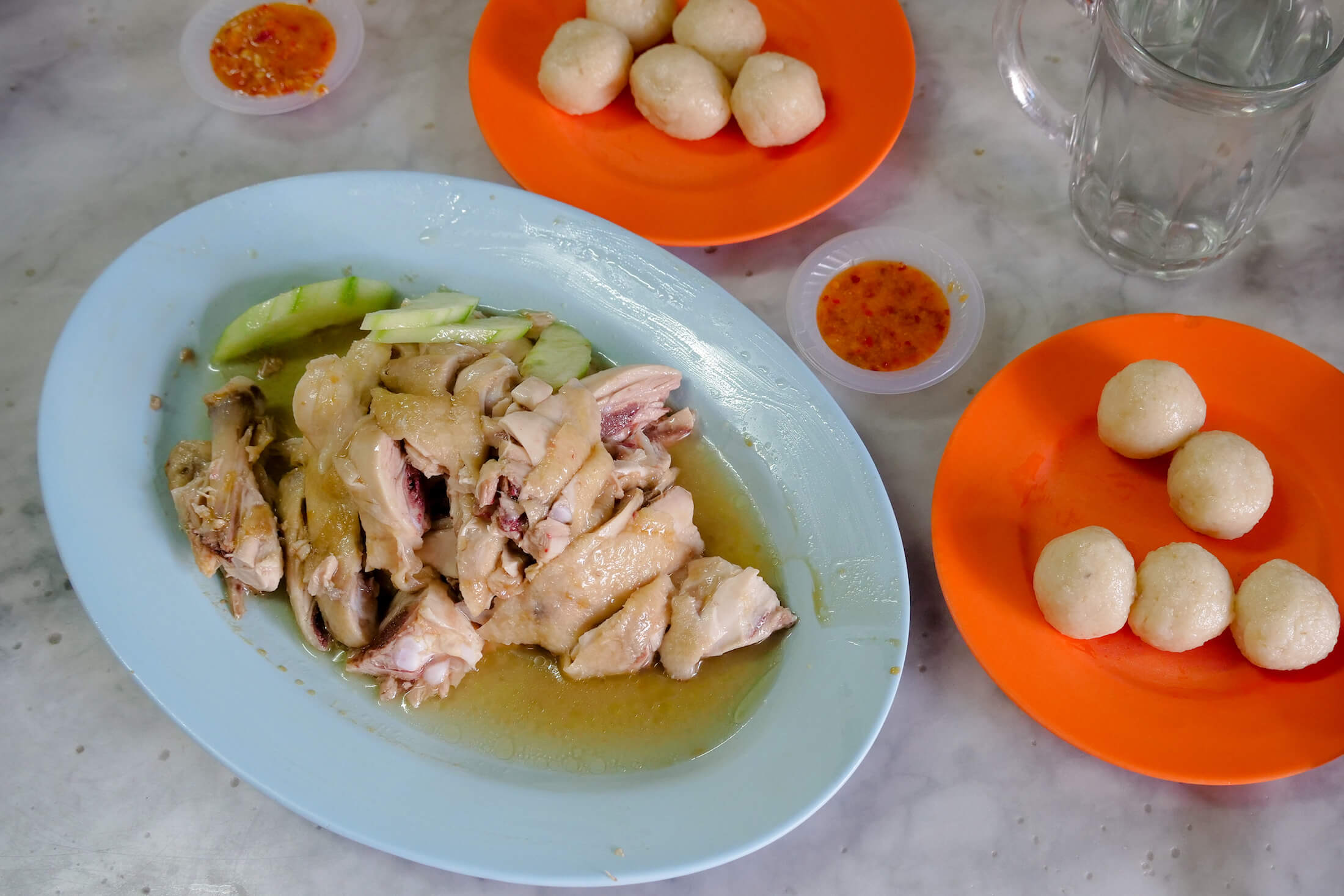
The Art of the Hainanese Rice Ball
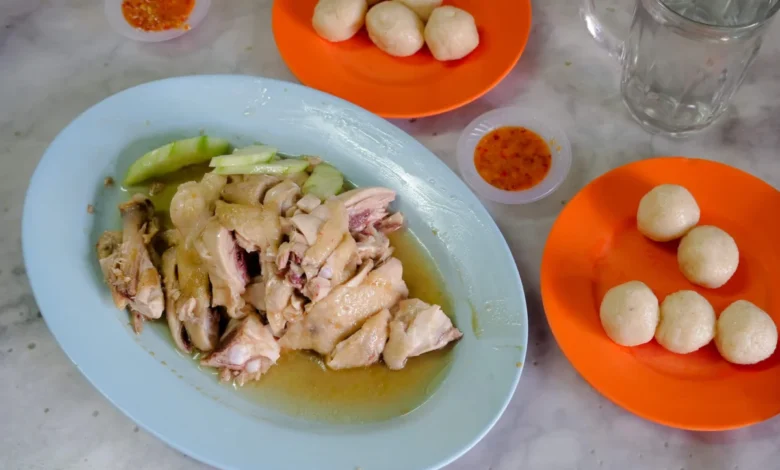
At Kedai Kopi Chung Wah, the preparation of rice transcends the ordinary, resulting in small, perfectly formed spheres known as rice balls. This method of serving rice is a departure from typical presentations, highlighting the dedication to detail that defines the establishment’s culinary philosophy. The texture of these rice balls is remarkably firm, allowing them to retain their shape even when handled with a degree of casualness, such as being rolled onto a plate by a server. The visual presentation, while seemingly simple, belies the complexity of its creation. The rice itself, though white, possesses a distinct hue, and its grains are so tightly bound that it might be mistaken for glutinous or sticky rice by an uninitiated diner. This unique texture and cohesive structure are the result of a specific cooking and molding process, a testament to the culinary heritage being preserved.
The establishment’s operational model is as efficient as its culinary output is precise. The ordering process is straightforward, directly correlating the number of diners to the quantity of rice balls. The selection of chicken is equally uncomplicated, offering choices between half or whole birds. The speed of service is notable; patrons may find themselves being seated by a server who is simultaneously delivering their food, a testament to the restaurant’s popularity, often evidenced by the queues that form outside. This popularity underscores Kedai Kopi Chung Wah’s status as a highly sought-after dining destination, though its brisk service suggests it is more suited for a focused culinary experience rather than an extended leisurely meal.
A Legacy of Culinary Tradition
The seemingly simple presentation of Hainanese chicken rice masks a profound depth of preparation. This iconic Southeast Asian dish, celebrated for its subtle yet complex flavors, demands a significant investment of time and effort in its creation. The adage "it’s the little things that count" is particularly relevant here, as each step in the preparation process is crucial and cannot be omitted. The Melaka-born Chinese-Malay family behind Kedai Kopi Chung Wah is deeply committed to upholding their ancestral culinary traditions, ensuring that each plate of chicken rice and accompanying rice balls reflects generations of refinement.

The meticulousness extends to every component of the dish. The chicken, prepared with a process that likely involves poaching to achieve its tender texture and then possibly a light smoking or flavoring, is served steaming hot. The skin is noted for its exceptionally soft quality, imbued with the subtle flavors of garlic and smoke, enhancing the overall taste profile.
The Symphony of Flavors: Sauce and Rice
While the chicken itself is a well-executed component, it is the accompanying sauce that truly elevates the dish to extraordinary heights. This sauce, described as vinegar-based and generously infused with garlic, offers a delightful interplay of slightly spicy and tangy notes, embodying a distinctively local flavor profile. This masterful pairing transforms a good chicken dish into a truly great one. The unique synergy of familiar Chinese culinary roots with a distinctly Malay-inspired sauce is particularly striking, showcasing a successful and delicious cultural culinary fusion. The author’s expressed desire to learn the secrets behind this exceptional dipping sauce further emphasizes its remarkable appeal.
The star attraction, however, remains the Hainanese rice balls. Their appearance and flavor are described as unique, and their aroma is captivating. The initial smoky scent evokes the slightly caramelized, crisp edges found at the bottom of a rice cooker pan – a texture that is highly prized and contributes to the delightful mouthfeel of the rice balls. This textural element, combined with the inherent fragrance of the rice, makes it a perfect accompaniment to the chicken. Furthermore, the portability and self-contained nature of the rice balls suggest their historical origins as a convenient meal for picnics and outdoor excursions, a practical innovation born from the desire to enjoy a flavorful meal while away from home, a concept that resonates even today for travelers and outdoor enthusiasts. Research indicates that these rice balls were indeed first conceived by Hainanese families seeking a portable and satisfying meal for picnics in the hills, a testament to their ingenuity and the enduring appeal of shared food experiences.

The Café Experience and Location
The establishment’s name, Kedai Kopi Chung Wah, translates to "Chung Wah Coffee Shop," hinting at its dual role as a dining establishment and a place to enjoy beverages. While iced coffee is a popular accompaniment to meals, traditional Chinese tea also features prominently, reflecting the cultural heritage of its proprietors. The restaurant’s consistent popularity means that patrons should anticipate a wait, especially during peak hours. Arriving early, ideally shortly after its 9 a.m. opening, is recommended to mitigate potential queues.
Strategically located on a corner facing Jonker Street, Melaka’s renowned thoroughfare, Kedai Kopi Chung Wah is easily accessible. Its position across a picturesque, flower-adorned bridge further enhances its charm. Despite its potential for queues, the unique and delicious offering of chicken rice balls makes the visit and the wait undeniably worthwhile. Practical considerations for visitors include navigating parking in the vicinity, as road markings can sometimes be ambiguous.
Broader Implications and Culinary Tourism
The enduring popularity of Kedai Kopi Chung Wah and its signature Hainanese Chicken Rice Balls highlights the powerful role of culinary heritage in driving tourism. Melaka, with its rich historical tapestry, finds a significant draw in its vibrant food scene. Restaurants like Chung Wah not only preserve traditional recipes but also contribute to the economic vitality of the region by attracting visitors eager to experience authentic local flavors. The dish’s inherent portability and satisfying nature also speak to a broader trend in food culture, where meals are increasingly designed for diverse consumption occasions, from quick lunches to leisurely picnics.

The experience offered at Kedai Kopi Chung Wah is a microcosm of the broader appeal of Southeast Asian street food and casual dining. It demonstrates how simple, time-honored recipes, executed with precision and passion, can achieve iconic status and draw global attention. The restaurant’s success is a testament to the power of tradition, quality ingredients, and a deep understanding of flavor, all of which contribute to making it a must-visit destination for any food enthusiast exploring Melaka.
The restaurant’s operating hours are typically from 9 a.m. to 3 p.m. on weekdays and extend to 4 p.m. on weekends. Based on recent dining experiences, a full meal for a party of individuals can be remarkably affordable, with prices around 28 Malaysian Ringgit (approximately US$6.77), further enhancing its value proposition for travelers.
For those seeking culinary adventures beyond Melaka, the northern Malaysian states of Kelantan and Terengganu offer a distinct array of local cuisines, including the famously pungent fermented durian dish, Tempoyak. This region presents an equally compelling, albeit different, gastronomic landscape for exploration.

Restaurant: Kedai Kopi Chung Wah
Location: [Google Maps Link Placeholder]
Operating Hours: Weekdays: 9:00 AM – 3:00 PM; Weekends: 9:00 AM – 4:00 PM
Estimated Cost: Approximately 28 RM (US$6.77) for a complete meal.