Discovering the Majesty of Fiordland through the Three Day Great Walks Experience from Te Anau

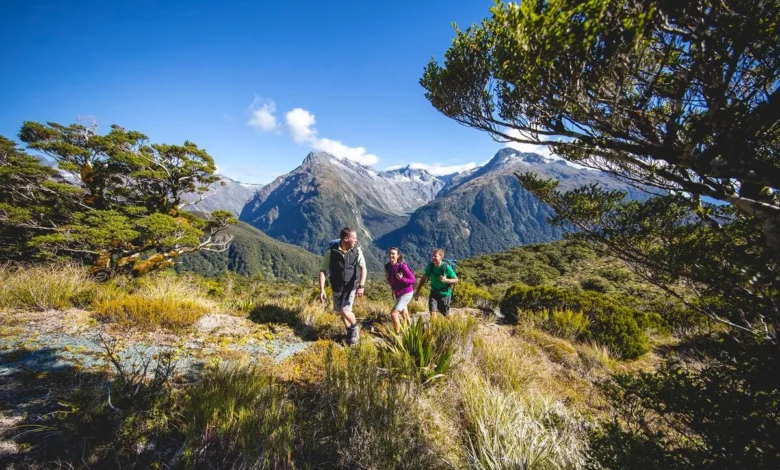
Fiordland National Park, a cornerstone of New Zealand’s Te Wahipounamu World Heritage Area, remains one of the most formidable and pristine wilderness regions on the planet. Spanning over 1.2 million hectares, the park is defined by its dramatic glacial carvings, towering granite peaks, and ancient rainforests. For many international and domestic travelers, the primary challenge of exploring this vast terrain is the logistical complexity of the "Great Walks"—a network of premier tracks managed by the Department of Conservation (DOC). Traditionally, these tracks require multi-day commitments, hut bookings made months in advance, and heavy pack-carrying. However, a specialized three-day guided itinerary based out of Te Anau has emerged as a significant alternative, allowing hikers to experience the highlights of the Kepler, Milford, and Routeburn Tracks while returning to the comfort of local township amenities each evening.
The Strategic Shift to Te Anau as a Tourism Hub
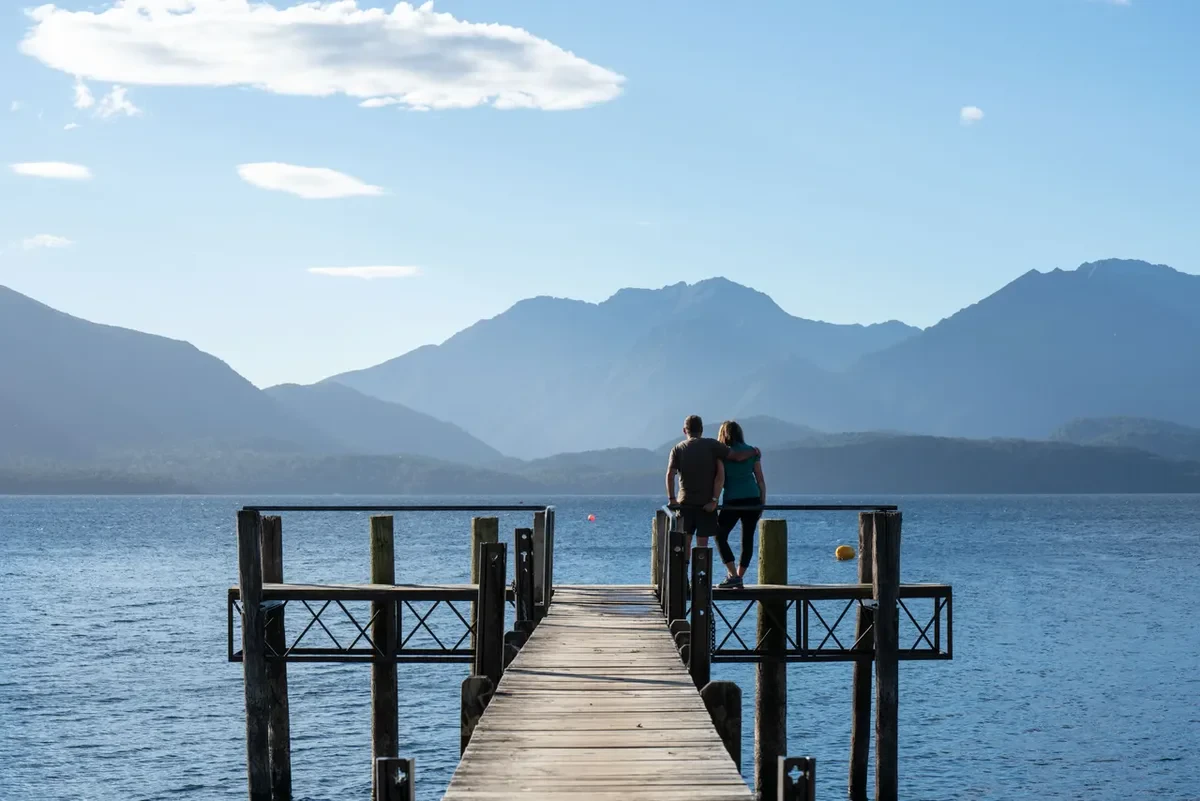
While Queenstown has long served as the primary gateway for South Island tourism, industry analysts and regional development agencies, such as Great South, have increasingly emphasized Te Anau as the logical base for Fiordland-centric adventures. Positioned directly on the shores of Lake Te Anau, the town serves as the geographical "front door" to the park. The transition from Queenstown-based tourism to Te Anau-based stays represents a shift toward more sustainable, localized economic models.
By utilizing Te Anau as a base, travelers significantly reduce transit times to trailheads. For example, the journey to the Milford Road or the Kepler Track entrance is reduced by hours compared to a Queenstown departure. This proximity allows for a "rhythm of the landscape" approach, where the day’s activities are dictated by light and weather conditions rather than the constraints of a four-hour trans-alpine commute. Furthermore, local authorities note that staying in Te Anau ensures tourism revenue remains within the Southland community, supporting small-scale operators and conservation initiatives specific to the Fiordland ecosystem.
Chronology of the Three-Day Great Walks Experience
The structured three-day package is designed to provide a comprehensive cross-section of Fiordland’s diverse microclimates, from lake-level beech forests to high-alpine tarns.
Day One: The Kepler Track and Alpine Interpretation
The first stage of the itinerary focuses on the Kepler Track, a 60-kilometer circular loop that was specifically designed to showcase the best features of Fiordland. Participants are offered two primary modes of access: a scenic helicopter flight to Luxmore Hut or a jet boat transit across Lake Te Anau to Brod Bay.
The heli-hike option, priced at approximately NZ$795, provides immediate access to the alpine zone at 1,085 meters above sea level. This allows for a focus on the limestone bluffs and the fragile alpine herb fields surrounding Mt Luxmore. The subsequent 8-kilometer descent through mountain beech forest requires a medium-to-high level of fitness, as the vertical drop is significant. This day serves as a critical introduction to the park’s geology and the distinctive vertical stratification of its flora.
Day Two: The Milford Track and Fiordland’s Rainforest
The second day moves to the Milford Track, often described as "the finest walk in the world." In this condensed format, the experience combines a guided half-day walk with a cruise on Milford Sound (Piopiotahi).
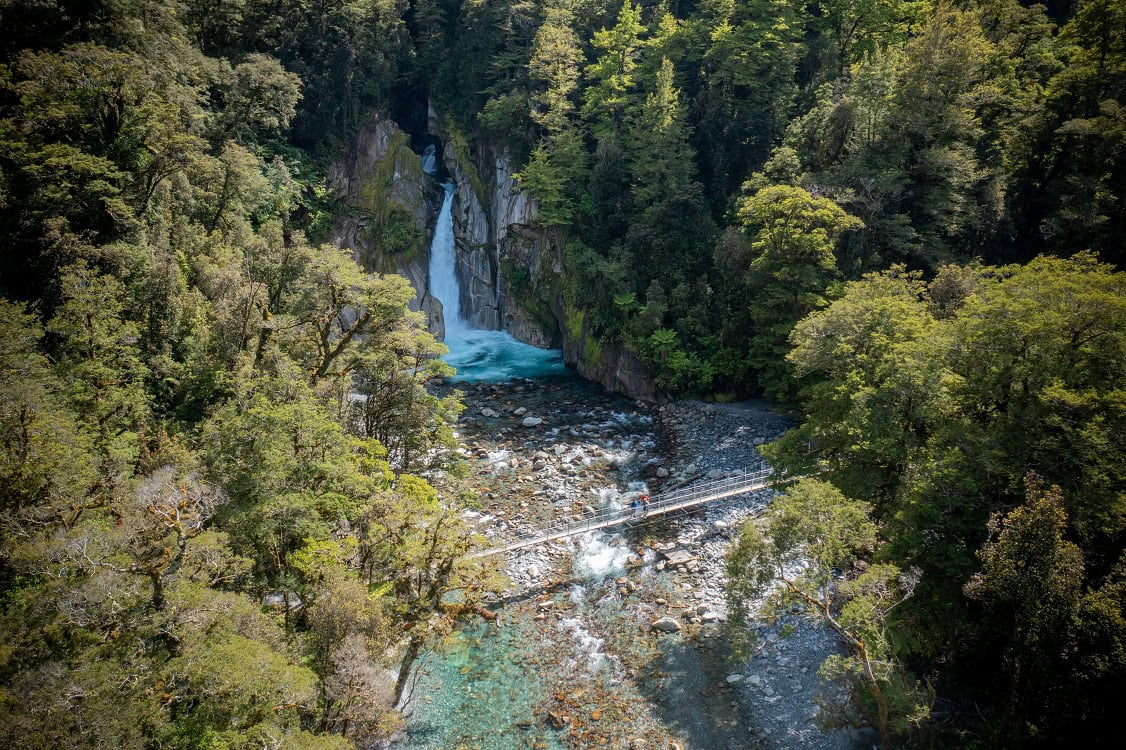
Departing early from Te Anau, the route follows the Milford Road—a feat of civil engineering that includes the historic Homer Tunnel. The walking portion focuses on the lush rainforest of the Arthur Valley, characterized by dense mosses, ferns, and the constant presence of water. Statistics from the National Institute of Water and Atmospheric Research (NIWA) indicate that Fiordland receives between 6,000mm and 8,000mm of rainfall annually. This high precipitation is vital to the day’s interpretation, as the guide highlights the intricate symbiotic relationships within the temperate rainforest. The day concludes with a two-hour cruise to the Tasman Sea, providing a sea-level perspective of the iconic Mitre Peak and Stirling Falls.
Day Three: The Routeburn Track and the Main Divide
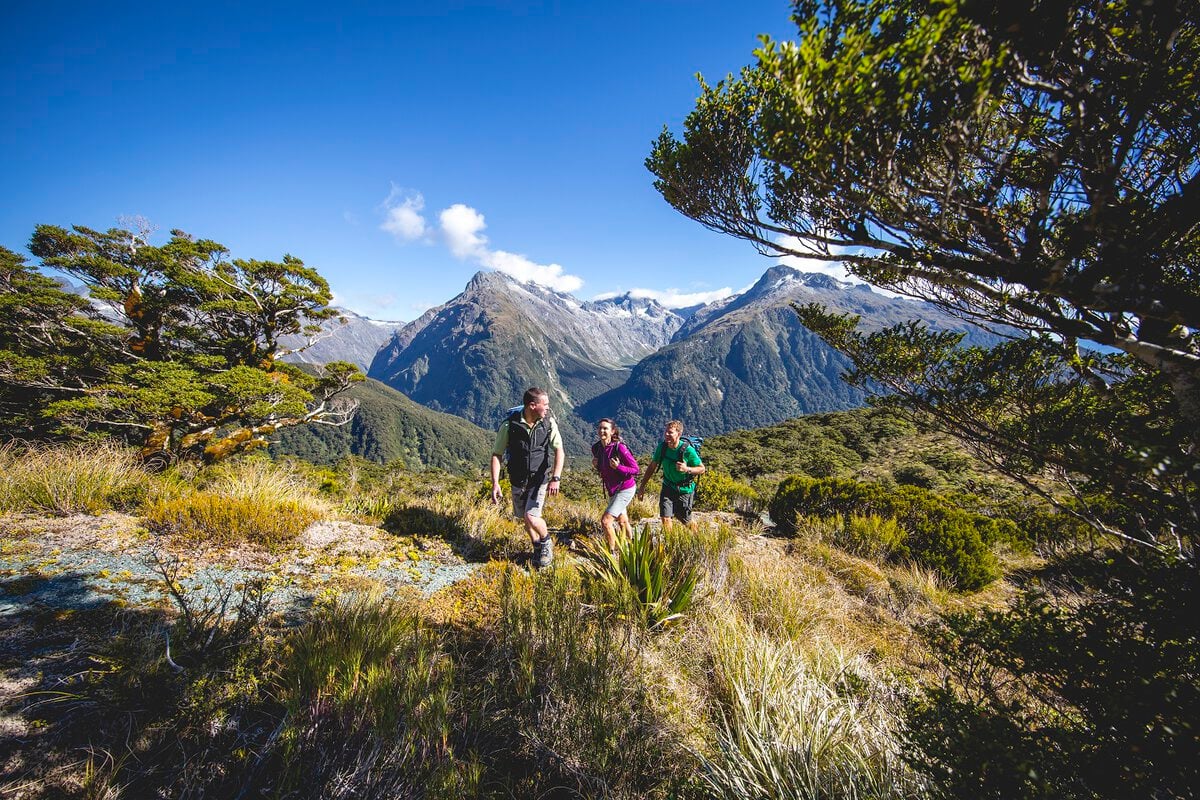
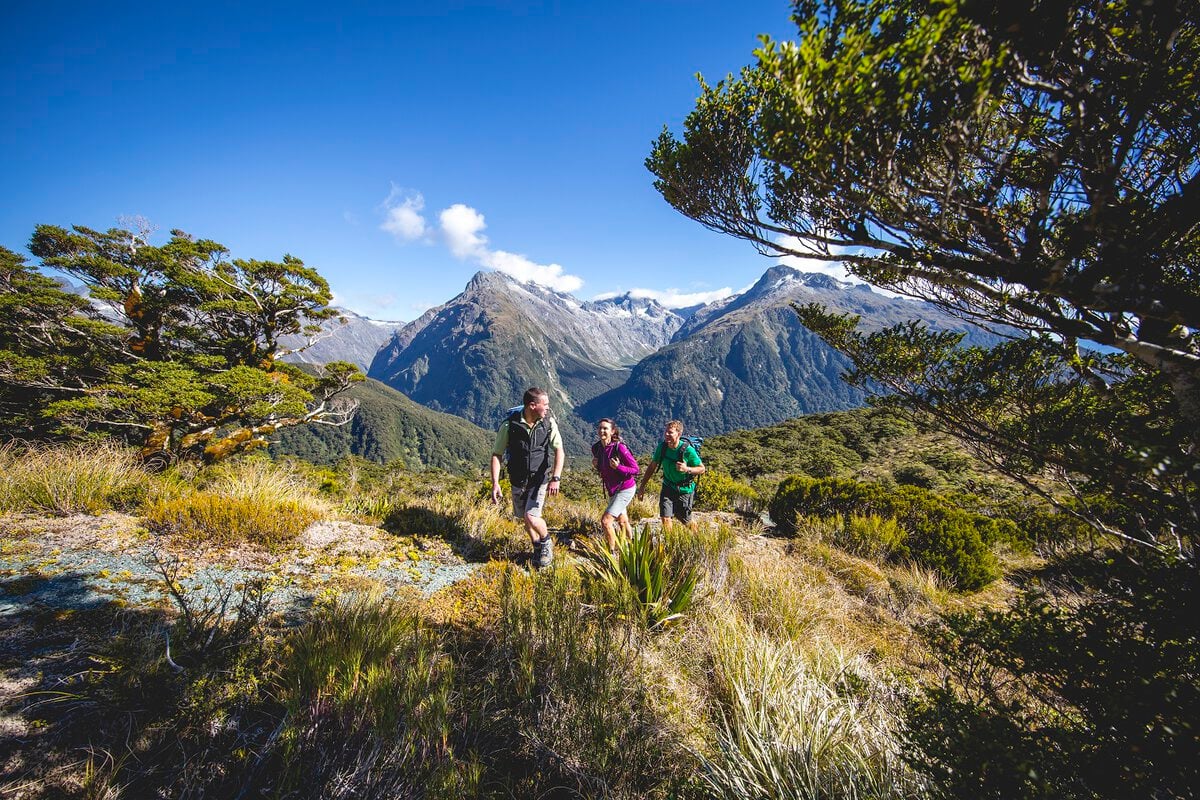
The final day explores the Routeburn Track, which traverses the Southern Alps between Fiordland and Mount Aspiring National Parks. The guided walk typically focuses on the ascent from The Divide to Key Summit.
This 8-kilometer return journey involves a steady 400-meter climb through silver beech forest. The climax of the trip is the emergence above the treeline into an alpine wetland. Key Summit offers a 360-degree panorama of the Hollyford, Eglinton, and Upper Gledhill valleys. This location is significant for its "triple continental divide," where water flows into three different coastal outlets. For many hikers, this day represents the physical peak of the experience, offering expansive views of the Darren Mountains that are otherwise inaccessible without multi-day trekking.
The Role of Manaakitanga and Local Expertise
A central component of this guided model is the integration of manaakitanga—the Māori concept of hospitality, care, and the building of relationships. Guided by local operators like Trips & Tramps, the experience is framed not merely as a service, but as a welcoming into the ancestral and natural history of the region.
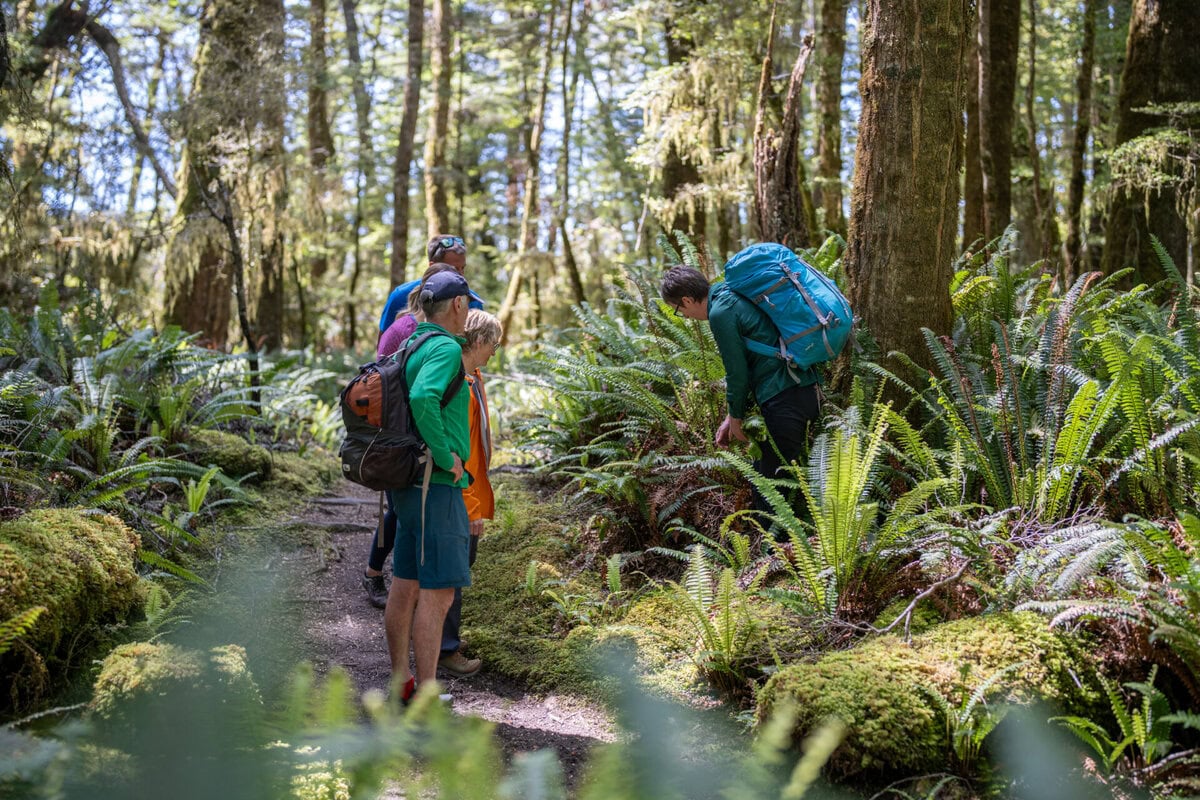
Guides such as Olivia Norris, whose family has operated in the region for generations, provide a level of interpretation that transcends standard trail maps. This includes the identification of endemic bird species such as the Kea (the world’s only alpine parrot), the South Island Robin (Toutouwai), and the Bellbird (Korimako). The presence of a guide also serves as a critical safety measure. Fiordland’s weather is notoriously volatile; professional oversight ensures that groups are equipped for sudden temperature drops or flash flooding, which are common even in the summer months.
Supporting Data and Environmental Context
The Great Walks system is a significant contributor to New Zealand’s tourism economy. According to DOC data, the Great Walks see tens of thousands of visitors annually, with the Milford Track frequently reaching 100% capacity within minutes of the booking system opening.
| Feature | Kepler Track | Milford Track | Routeburn Track |
|---|---|---|---|
| Total Track Length | 60 km | 53.5 km | 32 km |
| Itinerary Portion | 8 km (Heli-Hike) | 11 km (Rainforest) | 8 km (Key Summit) |
| Peak Elevation | 1,470 m | 1,154 m | 1,255 m |
| Key Attraction | Alpine Ridges | Waterfalls/Rainforest | Panoramic Vistas |
The environmental impact of these walks is managed through strict "Leave No Trace" principles. By utilizing a guided day-trip model, the pressure on backcountry hut infrastructure is reduced. This "hub-and-spoke" tourism model allows for higher visitor numbers with a lower environmental footprint per person, as waste management and energy consumption are centralized in the Te Anau township rather than in the sensitive alpine interior.
Logistics, Preparedness, and Safety Analysis
The three-day package is operational from November through April, coinciding with the Southern Hemisphere’s late spring, summer, and early autumn. This window provides the safest window for alpine transit, though snow is possible on the high passes even in January.
Physical Requirements
While the itinerary is marketed as accessible, it remains an "active" experience. The Department of Conservation categorizes these tracks as "Intermediate," meaning they are well-formed but may involve steep grades and uneven surfaces. The Routeburn ascent and the Kepler descent, in particular, require a baseline of cardiovascular fitness.
Essential Equipment
Journalistic analysis of safety incidents in Fiordland highlights that "inadequate clothing" is a primary factor in search and rescue operations. Professional guides mandate a multi-layer system:
- Base Layer: Merino wool or synthetic (not cotton).
- Insulation: Fleece or down.
- Outer Shell: High-specification waterproof jacket (Gore-Tex or similar).
- Footwear: Sturdy boots with ankle support and deep-lugged soles for grip on wet schist and granite.
Broader Implications for Sustainable Tourism
The success of the Te Anau-based Great Walks package reflects a broader trend in global travel toward "slow tourism" and "micro-adventures." Rather than attempting to "conquer" a single track over four days, travelers are increasingly seeking curated experiences that offer variety and educational depth.
From a policy perspective, this model supports the New Zealand Government’s "Tourism 2025 & Beyond" strategy, which focuses on regional dispersal and seasonal smoothing. By encouraging stays in Te Anau during the shoulder months of March and April, the industry reduces the "over-tourism" spikes seen in Queenstown while providing stable year-round employment for local guides and hospitality workers.
The experience also serves as a gateway. Tourism operators report that a significant percentage of day-hikers return in subsequent years to attempt the full multi-day tramps. By removing the initial barriers of gear, logistics, and backcountry navigation, the three-day Te Anau package acts as a critical entry point for environmental advocacy, fostering a deeper public appreciation for the preservation of the Fiordland wilderness.
In conclusion, the three-day Great Walks experience from Te Anau represents a sophisticated evolution of the New Zealand trekking product. It balances the demand for high-end wilderness experiences with the practicalities of modern travel, all while anchored in the cultural and environmental realities of one of the world’s last great wild places. Through the lens of professional guiding and local hospitality, Fiordland becomes not just a destination to be seen, but a landscape to be understood.