Unveiling Croatia’s Coastal Charms: A Comprehensive Guide to the Zagreb to Dubrovnik Journey

Croatia, a nation celebrated for its stunning Adriatic coastline, rich history, and vibrant culture, offers a travel experience that transcends mere sightseeing. The journey from its inland capital, Zagreb, to the iconic southern city of Dubrovnik, often perceived as a straightforward transit, is in reality a mosaic of diverse landscapes, historical epochs, and cultural encounters waiting to be meticulously explored. As observed by seasoned local experts, including Sarah-Jane, who has navigated Croatia’s evolving landscape since 2000 and resided there since 2013, the true essence of this route lies not in its speed, but in the depth of its experience. While numerous tours may whisk travelers through its highlights, a more deliberate pace reveals a journey capable of leaving an indelible mark.
Zagreb: The Continental Gateway to Croatian Culture

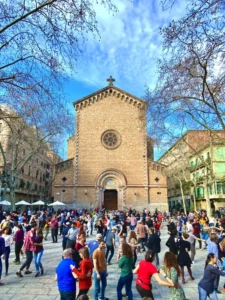
Often underestimated as a mere transit point, Zagreb serves as an ideal introduction to Croatia, offering a distinct counterpoint to the country’s famed coastal fervor. Unlike the bustling seaside towns, the capital city invites a slower immersion, characterized by leisurely strolls through its historic Upper Town (Gornji Grad) and the elegant boulevards of the Lower Town (Donji Grad). Zagreb’s charm lies in its unhurried atmosphere, where the pervasive café culture encourages visitors to pause and absorb the local rhythm without the pressure of large crowds or intense summer heat often found along the coast.
Historically, Zagreb’s strategic location at the crossroads of Central Europe and the Adriatic has shaped its identity as a political, economic, and cultural hub. Its origins can be traced back to the 11th century with the establishment of a diocese, evolving into a thriving medieval city. The architecture reflects centuries of Austro-Hungarian influence, evident in its grand public buildings, parks, and squares. Key landmarks include St. Mark’s Church with its distinctive tiled roof, the Zagreb Cathedral, and a plethora of museums such as the Mimara Museum and the unique Museum of Broken Relationships, offering insights into both national heritage and contemporary human experience. The city’s burgeoning gastronomic scene, exemplified by establishments like Pod Zidom Bistro, which prioritizes seasonal ingredients, further enhances its appeal as a sophisticated urban retreat. Evening venues like Noir 43 provide a glimpse into Zagreb’s authentic local nightlife, away from overt tourist traps. Zagreb’s role as the primary international air hub and a growing MICE (Meetings, Incentives, Conferences, and Exhibitions) destination underscores its increasing importance in Croatia’s overall tourism strategy, diversifying the national appeal beyond its coastal assets.
Opatija: Imperial Elegance on the Kvarner Gulf

Transitioning from continental Zagreb, the journey often leads to Opatija, a resort town on the Kvarner Gulf that stands apart with its unique historical character. Opatija’s allure stems from its 19th-century legacy as a fashionable spa resort for the Austro-Hungarian elite. This heritage is palpable in its magnificent Belle Époque villas, meticulously manicured gardens, and the iconic Lungomare coastal promenade that stretches for 12 kilometers. The atmosphere here is one of refined tranquility, a deliberate slowdown from the more energetic pace found further south.
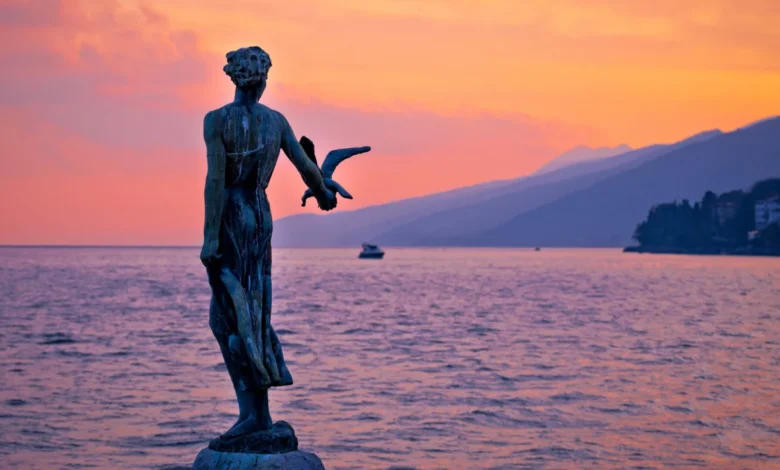
Opatija’s historical significance as the cradle of Croatian tourism imbues it with a distinctive elegance. The town’s first hotel, the Hotel Kvarner, opened in 1884, signaling the beginning of its transformation into an exclusive health and wellness destination. Today, visitors are drawn to its serene ambiance, making it an ideal location for relaxation rather than a hurried itinerary of sights. The "Maiden with the Seagull" statue, a symbol of Opatija, gazes out over the sea, embodying the town’s timeless appeal. Dining at a reputable establishment like Roko, known for its consistent quality, or enjoying a sundowner at the Hemingway Bar by the water, allows travelers to fully embrace Opatija’s sophisticated yet unpretentious charm. The region’s tourism boards actively promote Opatija as a year-round destination, leveraging its mild climate and wellness offerings to attract a diverse demographic, particularly those seeking cultural enrichment alongside coastal beauty.
Rab: An Island Sanctuary of Medieval Towers and Sandy Beaches

Venturing further south, the island of Rab presents a delightful deviation from the typical coastal route, often surprising travelers with its distinctive character. Rab’s old town, a captivating cluster of four bell towers rising above narrow, cobbled streets, is remarkably well-preserved and exudes a relaxed medieval charm. What truly sets Rab apart, however, is its unusual abundance of sandy beaches, a rarity in a country predominantly known for its pebbly or rocky shores. This feature makes Rab an exceptionally family-friendly destination, offering soft sands and shallow waters that are ideal for children.
Historically known as Arba by the Romans, Rab boasts a rich past, with its town walls and ancient architecture telling tales of various rulers and maritime prowess. The four prominent bell towers, belonging to the churches of St. Mary the Great, St. John the Evangelist, St. Andrew the Apostle, and St. Justine, collectively form a striking skyline. The island’s manageable size and laid-back pace encourage unhurried exploration, allowing visitors to immerse themselves in local life without feeling overwhelmed. Evenings on Rab are typically characterized by a gentle warmth and ease, perfect for enjoying a sunset drink at Banova Vila, known for its breathtaking views, or savoring refined local cuisine at establishments like Šanpjer. Rab’s unique blend of historical architecture and natural beach assets contributes significantly to the diversity of Croatia’s island tourism, offering an alternative to the more rugged, party-centric islands.
Zadar: Where Ancient History Meets Modern Artistry

Continuing down the Adriatic coast, Zadar emerges as a captivating city that often surpasses visitor expectations. Smaller and less intensely crowded than its southern counterparts, Split and Dubrovnik, Zadar possesses an accessible, livable atmosphere that blends millennia of history with innovative contemporary attractions. Its compact old town is a treasure trove of Roman ruins, including the remnants of a Roman Forum, juxtaposed with medieval churches like the iconic circular Church of St. Donatus.
Zadar’s modern identity is powerfully expressed through its unique waterfront installations: the Sea Organ and the Sun Salutation. These acclaimed public art pieces, far from being mere gimmicks, offer immersive sensory experiences. The Sea Organ, an architectural sound art object, harnesses the power of the sea to create haunting melodies, while the Sun Salutation, a vast circular installation of photovoltaic cells, absorbs solar energy during the day to create a mesmerizing light show at night. These attractions draw crowds at dusk, transforming the waterfront into a communal space where history, nature, and art converge. Zadar’s enduring appeal lies in this harmonious balance, providing intellectual stimulation without overwhelming sensory input. The city’s status as a university town also contributes to its youthful energy and vibrant cultural scene. Pinelo Tapas Bar offers a relaxed, social dining experience perfect for its casual vibe, while The Garden Lounge provides an idyllic setting for daytime cocktails by the sea. Zadar’s success in integrating ancient heritage with contemporary innovation serves as a model for sustainable urban tourism.
Krka National Park & Šibenik: Natural Wonders and Medieval Fortresses

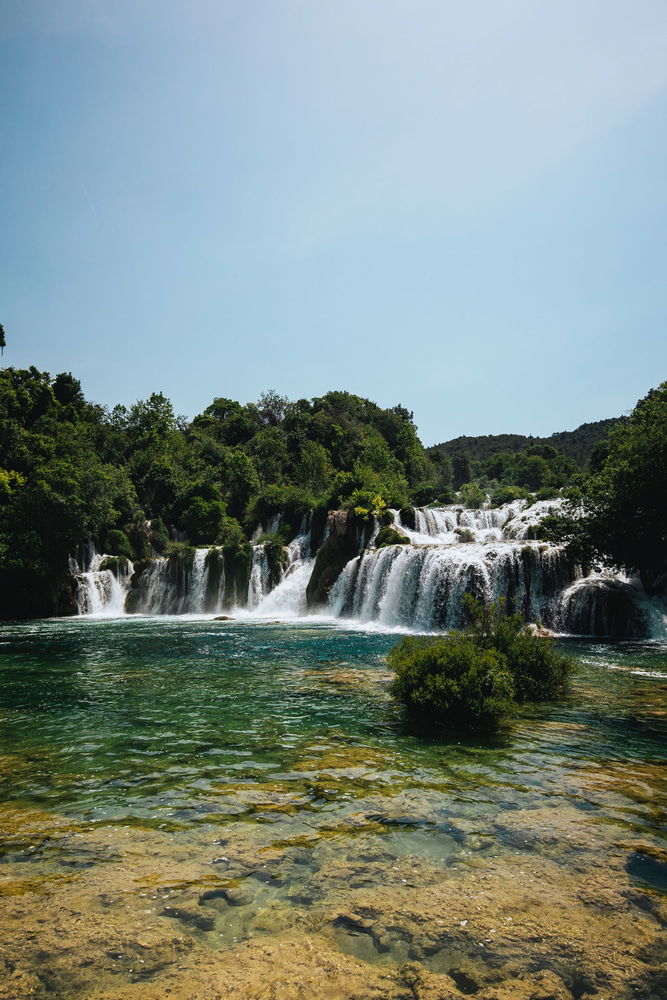
A short inland detour from the coast reveals Krka National Park, one of Croatia’s most accessible natural wonders. Unlike some more remote parks, Krka offers an easy and rewarding encounter with Croatia’s diverse ecosystem, centered around its spectacular waterfalls and lush river landscapes. The park’s well-maintained wooden walkways guide visitors through verdant terrain, offering close-up views of the cascading travertine barriers, most famously Skradinski Buk, and the serene lakes formed by the Krka River. Its manageable size makes it an ideal excursion for families, allowing for significant exploration without exhaustion, a crucial consideration on longer journeys.
Adjacent to Krka lies Šibenik, a historic city that often surprises travelers with its authentic local character and impressive architectural heritage. Unlike the more heavily trafficked coastal cities, Šibenik retains a genuine local feel, with its labyrinthine stone streets leading to hidden squares and panoramic viewpoints. The city’s crowning glory is the Cathedral of St. James, a UNESCO World Heritage site renowned for its unique construction entirely from stone, using interlocking techniques without mortar. Šibenik’s fortifications, including St. Michael’s and Barone fortresses, offer breathtaking views of the city, the surrounding archipelago, and the Krka River estuary. For a memorable culinary experience, Pelegrini, a Michelin-starred restaurant, offers a sophisticated contrast to the more casual dining options, elevating the gastronomic journey. Vintage Bar provides a more relaxed, locally-favored spot for evening drinks. Šibenik’s strategic location and historical depth, combined with the natural beauty of Krka, positions it as a vital cultural and eco-tourism destination, promoting responsible visitor management to preserve its unique attributes.
Korčula: The "Little Dubrovnik" with Island Serenity

Further south, the island of Korčula offers a captivating blend of history, culture, and natural beauty, often affectionately dubbed "Little Dubrovnik" due to its impressive medieval walled town. However, Korčula distinguishes itself with a more tranquil atmosphere and a less intense level of tourism, making it, for many, a more intimate and enjoyable experience than its grander counterpart. The island’s main town, Korčula Town, is a compact marvel of stone streets, defensive towers, and stunning sea views at virtually every turn.
Korčula’s history is steeped in maritime trade and Venetian influence, with local legend even claiming it as the birthplace of Marco Polo. The town’s layout, designed in a herringbone pattern to provide natural ventilation and protection from winds, is a testament to medieval urban planning. Beyond its architectural beauty, Korčula is also celebrated for its indigenous white wine varieties, Grk and Pošip, making wine tasting a popular activity. The Moreska sword dance, a traditional medieval knight’s game, adds a unique cultural dimension. Evenings on Korčula are particularly enchanting, as the crowds thin out and the golden hour casts a soft glow over the ancient stones. The island offers a perfect balance of vibrant atmosphere and peaceful ease. Massimo Cocktail Bar, uniquely situated atop a tower with stunning views, provides a memorable pre-dinner drink experience. For an elevated dining occasion, LD Restaurant offers a refined culinary journey, reflecting the island’s growing reputation for fine dining. Korčula exemplifies sustainable island tourism, balancing visitor numbers with the preservation of its cultural heritage and natural resources.
Dubrovnik: The Pearl of the Adriatic, A Timeless Icon
The grand finale of this Croatian odyssey is Dubrovnik, the "Pearl of the Adriatic," a city whose beauty and historical significance are globally recognized. A UNESCO World Heritage site, Dubrovnik lives up to its immense hype, especially when experienced from its iconic city walls or during the serene early morning hours before the influx of daily visitors. The Old Town, a meticulously preserved medieval fortress city, is genuinely awe-inspiring, with its gleaming limestone streets, baroque buildings, and ancient monasteries.
Dubrovnik’s history as an independent maritime republic, rivaling Venice, is evident in its formidable fortifications and elegant architecture. Its resilience, having survived earthquakes, sieges, and the ravages of the 1990s war, speaks volumes about its enduring spirit. The city’s global fame has been further amplified by its role as a filming location for popular series like "Game of Thrones," drawing an unprecedented number of visitors. While the sheer volume of tourists, particularly from cruise ships, presents challenges related to overcrowding and infrastructure strain, the city’s inherent beauty and dramatic setting – the juxtaposition of ancient stone, azure sea, and rugged cliffs – remain undeniably special. Buža Bar, precariously perched on cliffs outside the city walls, offers a quintessential Dubrovnik experience with unparalleled sea views. For a consistently good and relaxed dining option just beyond the bustling Old Town, Sesame provides an excellent choice. Dubrovnik’s authorities are actively engaged in managing tourism flows, implementing strategies to mitigate overtourism and ensure the long-term sustainability of this irreplaceable cultural treasure.
Optimizing the Journey: Beyond the Road and Towards Experiential Travel

While the Zagreb to Dubrovnik route can be navigated by road, the journey itself, especially with multiple island stops, often involves intricate logistics of ferries, transfers, and accommodations, particularly during the peak summer season. This coordination can detract from the relaxed immersion that defines the ideal Croatian travel experience.
A growing number of travelers are discovering the advantages of exploring this coastline via small-ship cruises or boutique catamarans. These smaller vessels offer a distinct advantage over larger cruise ships, providing intimate access to charming old towns, many of which are situated directly on the water. The benefits are manifold: travelers unpack once, eliminating the daily hassle of hotel check-ins and check-outs; they bypass the complexities of ferry schedules and road traffic; and, crucially, they experience the Croatian coastline from its most captivating perspective – the sea itself. This mode of travel transforms the journey into an integral part of the destination, offering panoramic views and a unique sense of arrival that road travel simply cannot replicate.
This shift towards sea-based exploration aligns with a broader trend in tourism towards experiential travel, where the journey itself is as valued as the destinations. It allows visitors to truly connect with Croatia’s maritime heritage, its countless islands, and its breathtaking coastal scenery without the logistical friction. Whether embarking on a meticulously planned road trip or opting for the seamless elegance of a small-ship cruise, the Zagreb to Dubrovnik route, when approached with an appreciation for its inherent diversity and depth, offers an unparalleled opportunity to experience the multifaceted beauty and soul of Croatia, solidifying its reputation as a premier global travel destination.