Discovering the Hidden Trails of Cyprus: A Mediterranean Island Redefined as a Premier Hiking Destination

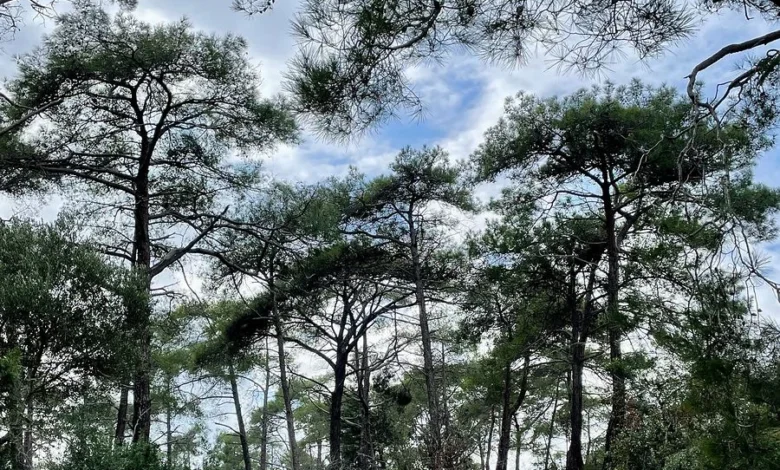
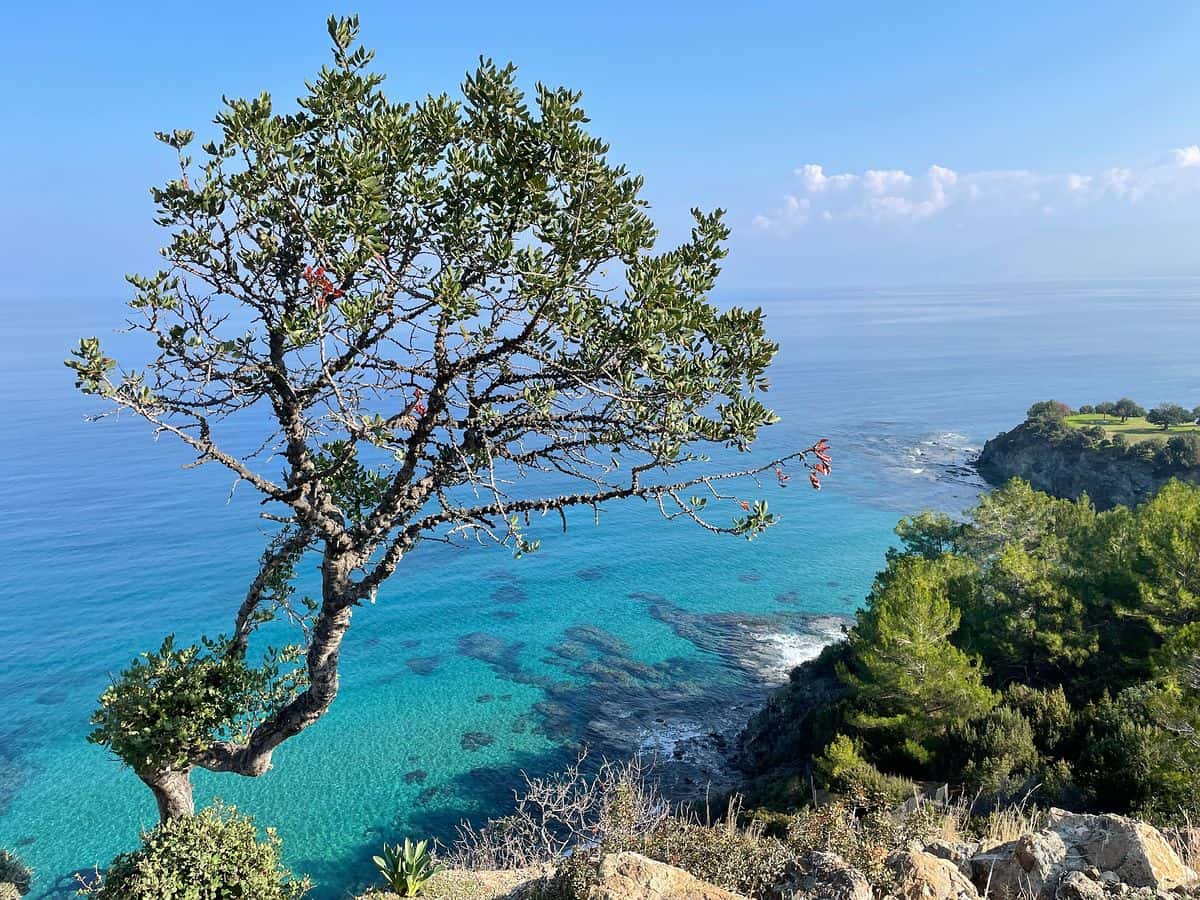
When international travelers envision a Mediterranean vacation, the Republic of Cyprus is most frequently associated with sun-drenched coastal resorts, sandy beaches, and thousands of years of classical antiquity. However, recent tourism data and deep-dive exploratory travel itineraries indicate a significant shift in how visitors engage with the island’s varied topography. Far beyond the conventional sun-and-sand paradigm, Cyprus possesses a remarkably diverse ecological landscape—spanning rugged coastal cliffs, dramatic river gorges, and the towering, pine-forested peaks of the Troodos Mountains—positioning the island as a surprisingly robust year-round destination for outdoor enthusiasts and long-distance hikers.
Geographical Diversity and the Evolution of Cypriot Tourism
Situated at the crossroads of Europe, the Middle East, and Africa, Cyprus is the third-largest island in the Mediterranean Sea. Despite its relatively compact land area of approximately 9,251 square kilometers, the island boasts extreme microclimates and geological formations that developed over millions of years, largely cataloged within its protected national forest parks.
Historically, tourism policy on the southern coast focused heavily on coastal infrastructure, mass-market resort development, and cultural heritage tourism centered around ancient archaeological sites such as the Tombs of the Kings in Paphos or the mosaic-rich ruins of Kourion. In recent years, however, the Cyprus Deputy Ministry of Tourism has actively promoted alternative forms of travel, notably agrotourism, cycling, and trail-based hiking. This diversification strategy aims to mitigate the environmental pressures of seasonal coastal overcrowding while dispersing economic benefits to rural mountain communities, such as those situated within the Troodos range.
Chronology of an Immersive Hiking Expedition
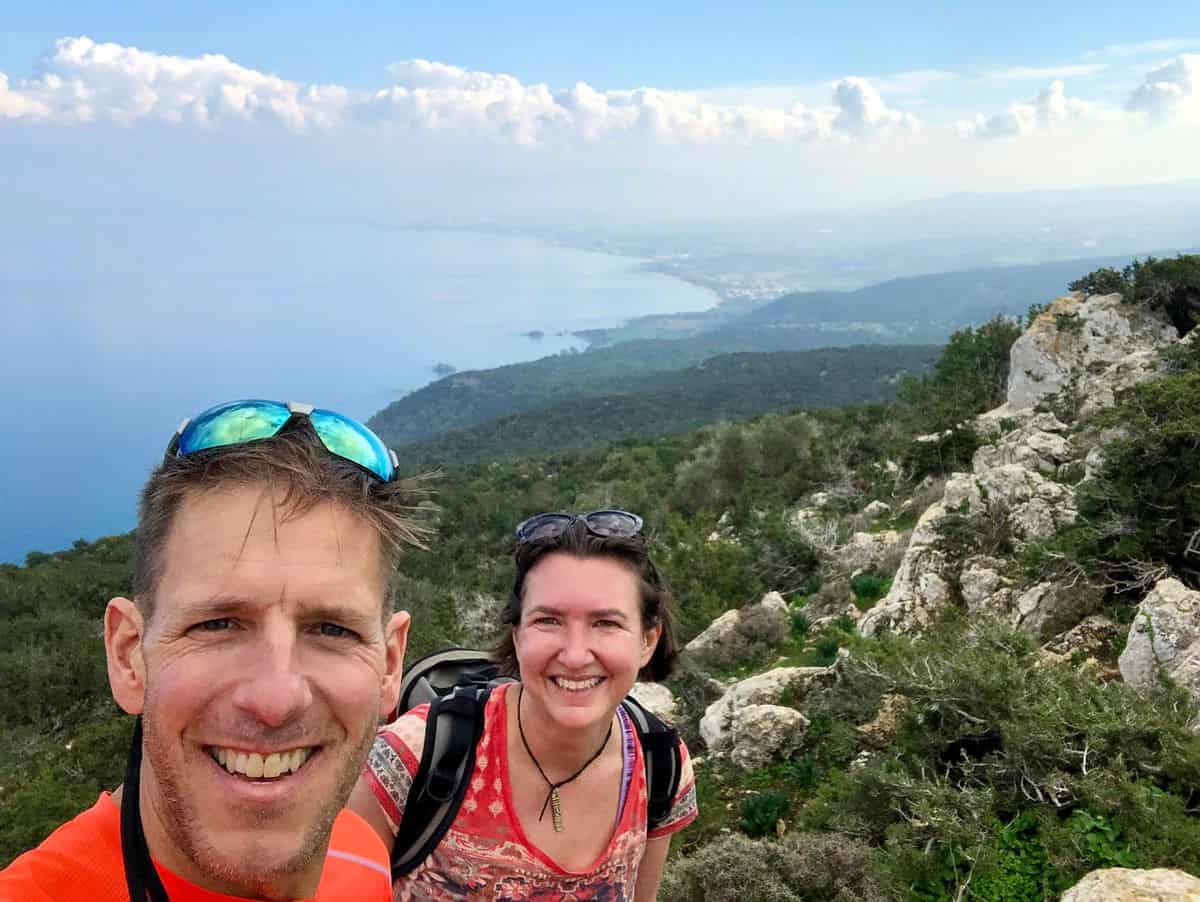
To evaluate the feasibility and depth of an active, trail-centric holiday in Cyprus, travel researchers and outdoor journalists Audrey Scott and Daniel Noll undertook a comprehensive seven-day exploratory expedition during the low season, spanning late December to early January. Rather than relying on a static resort base, the itinerary utilized four strategically selected day hikes as foundational structural anchors, supplemented by cultural explorations in the capital city of Nicosia and rural transit across the republic.
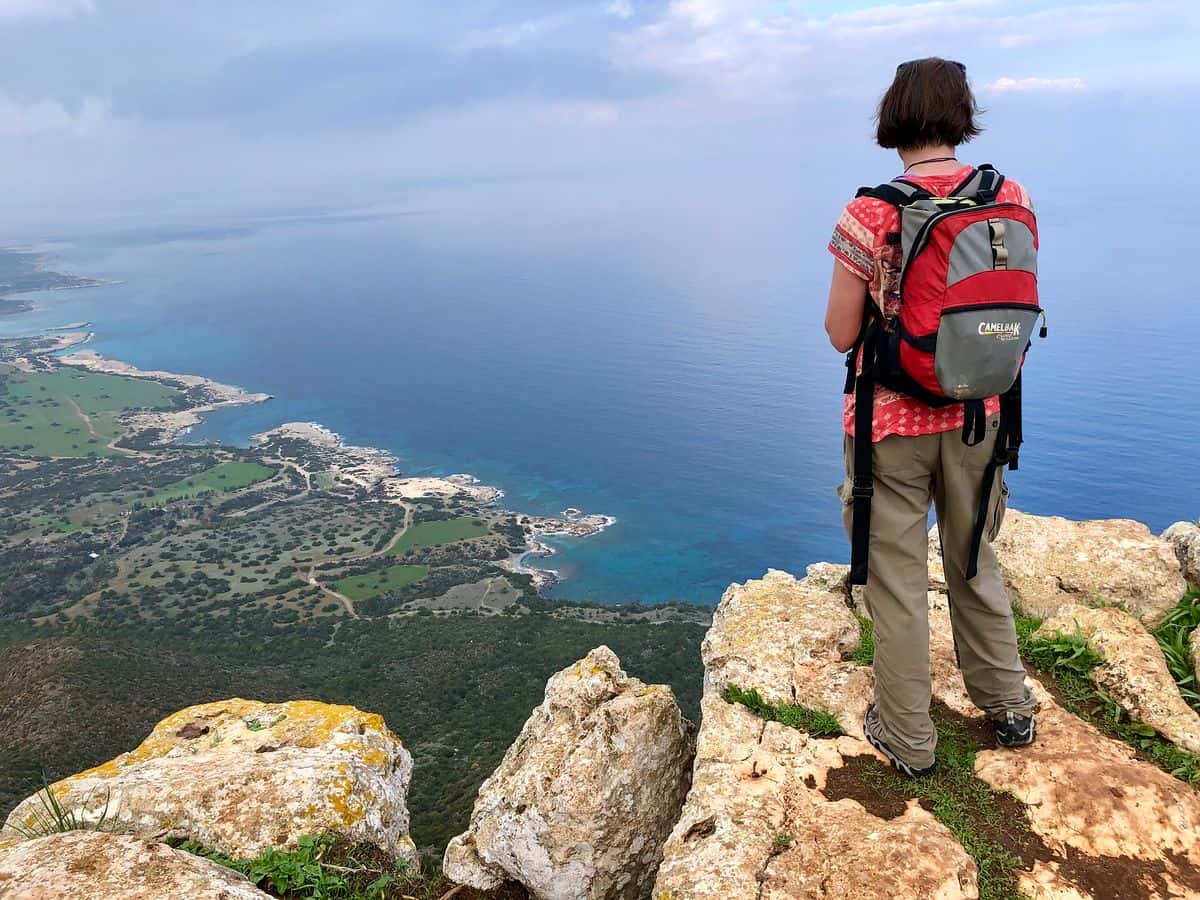
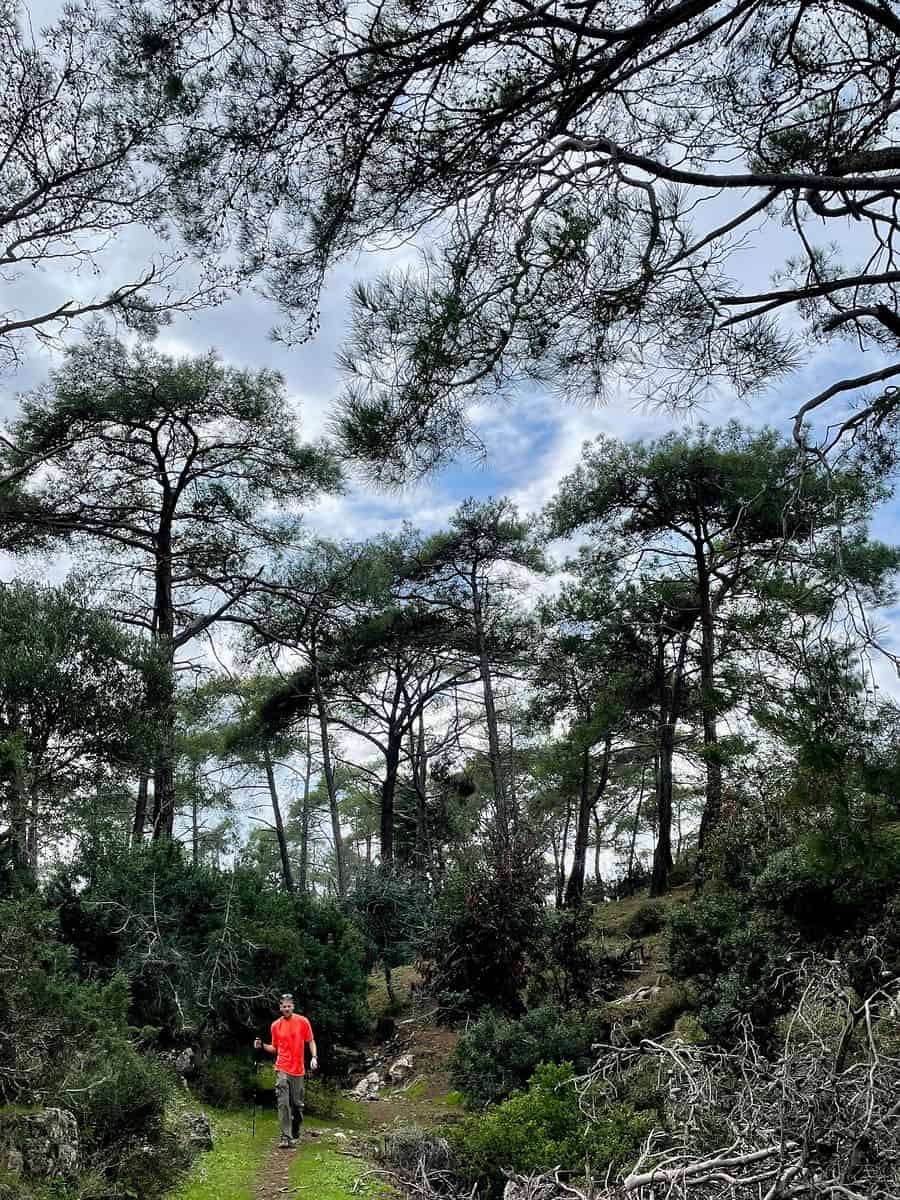
The expedition commenced in the island’s northwestern region, anchoring near the Akamas Peninsula to tackle the extended Aphrodite Loop trail. Traversing this terrain in a clockwise direction during early morning hours allowed for optimal lighting and mild temperatures along the coastal fringe before ascending toward the Moutti tis Sotiras overlook. The route incorporated segments of the adjacent Adonis trail, extending the journey through dense pine, cypress, and native juniper canopies.
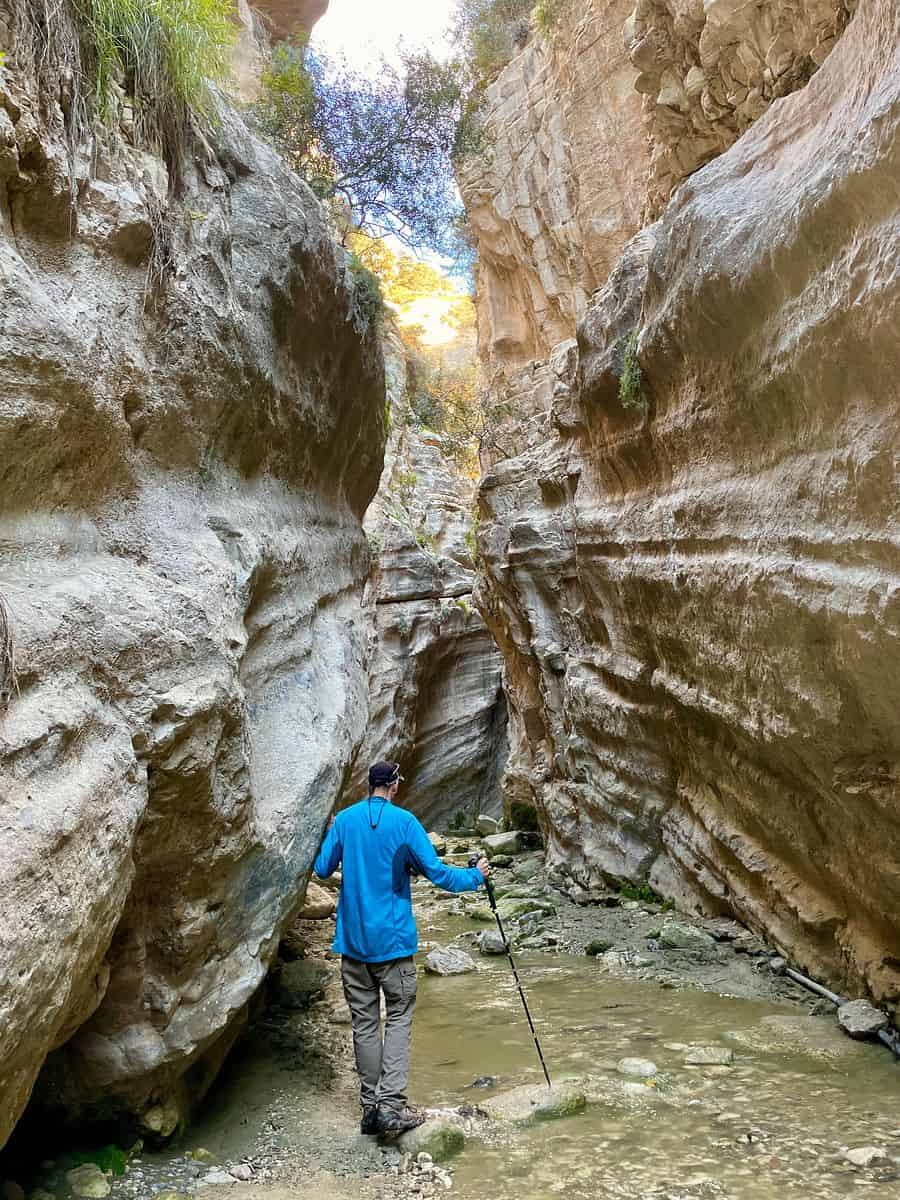
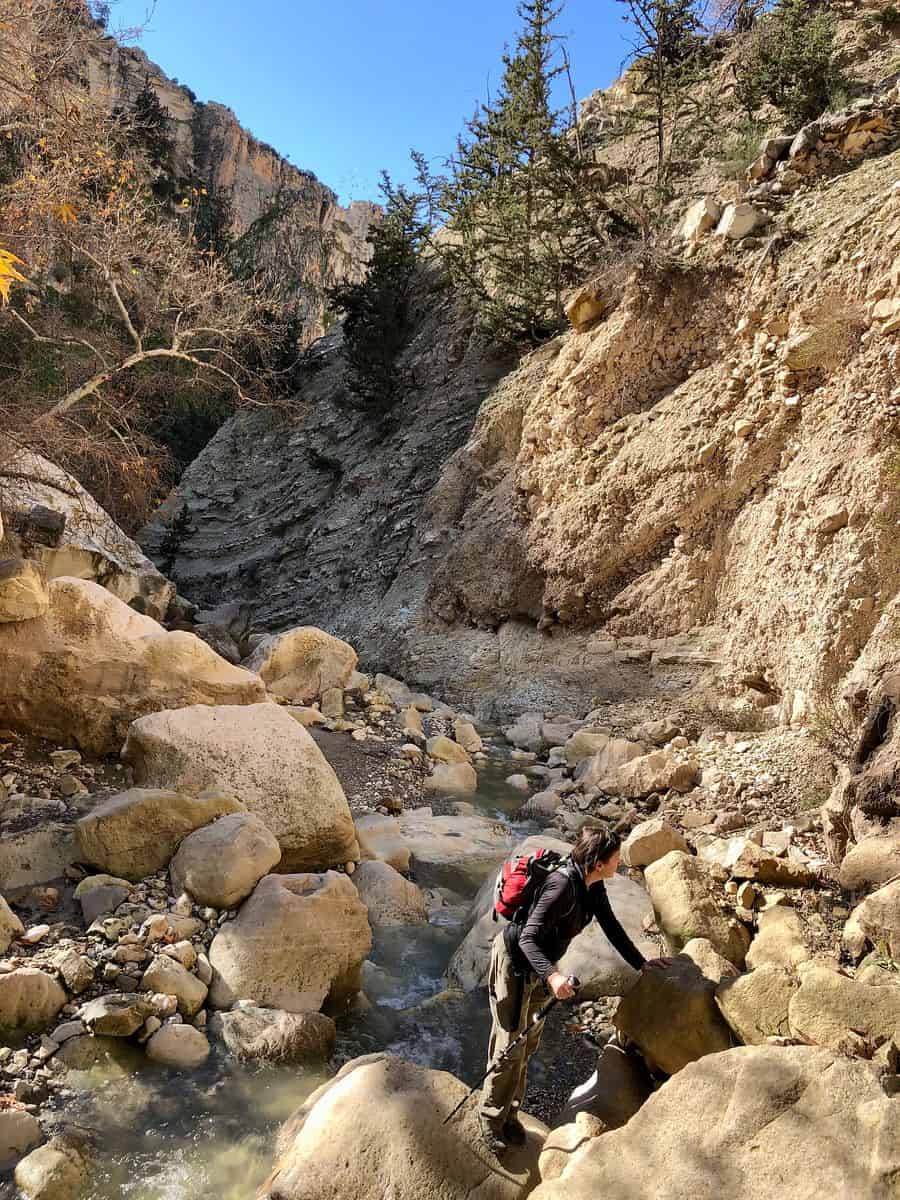
Following the coastal exploration, the itinerary shifted southward toward the rugged terrain of the Avakas Gorge. Unlike casual visitors who typically traverse only the initial entry kilometer of the limestone canyon, the expedition navigated the full length of the gorge, negotiating complex bouldering challenges and seasonal water flows. The return leg bypassed the hazardous canyon floor by routing along the upper rim via the Peyia State Forest, illustrating a safer, geologically diverse alternative for endurance hikers.
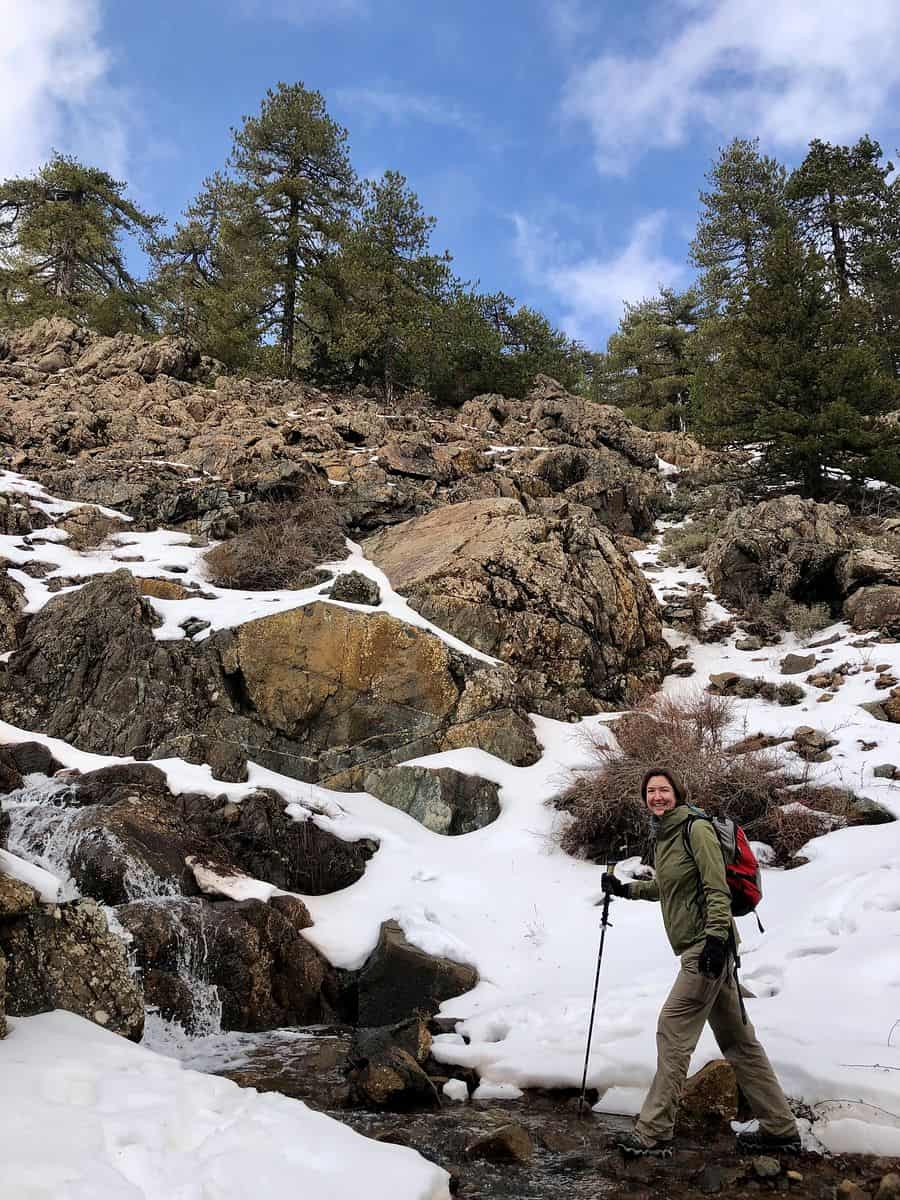
The third phase of the itinerary transitioned inland to the high-altitude interior of the Troodos Mountains, where Mount Olympus reaches an apex of nearly 2,000 meters. Hiking the Atalante Trail in early January presented sub-alpine conditions, characterized by several inches of accumulated snow pack and sub-zero wind chills. This phase underscored the island’s unique meteorological phenomenon: the ability to experience alpine winter conditions within a brief two-hour drive of sub-tropical Mediterranean coastlines.
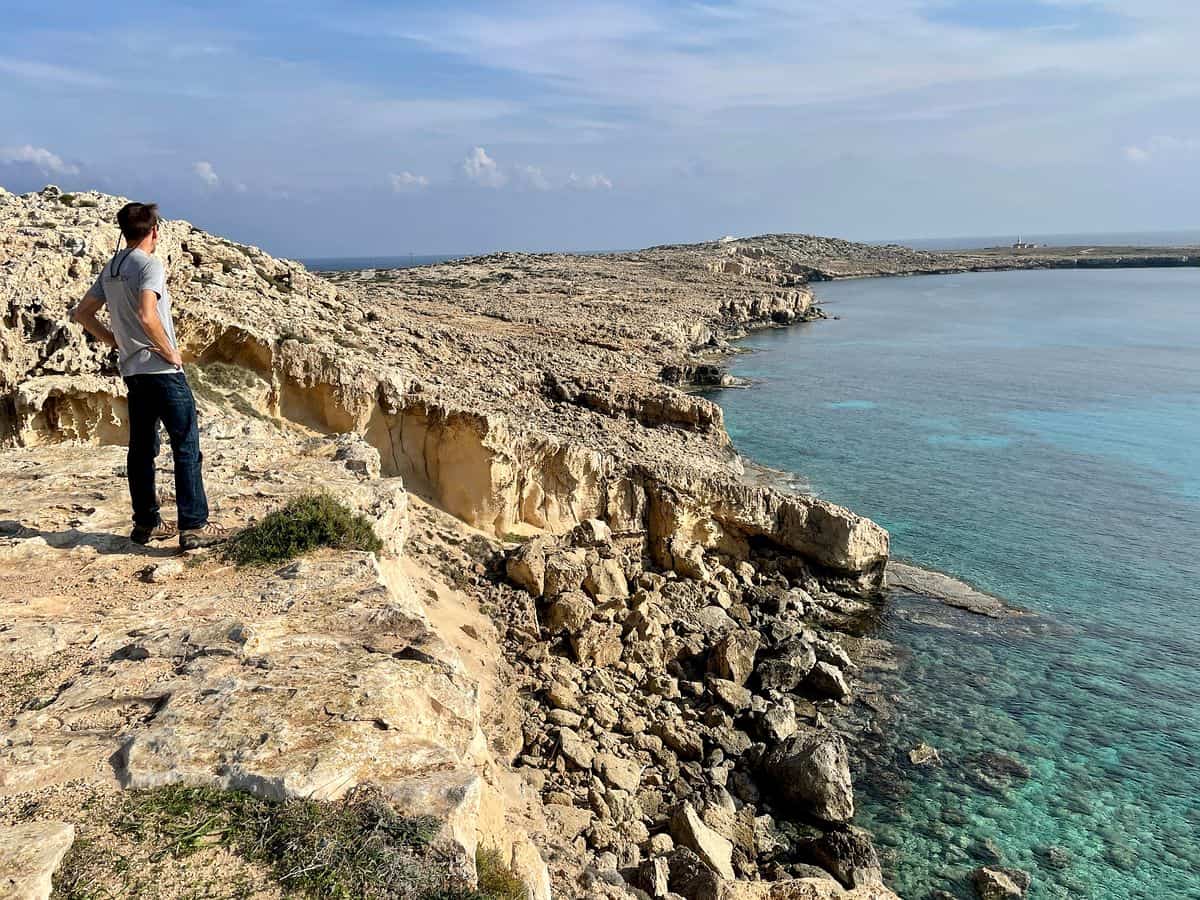
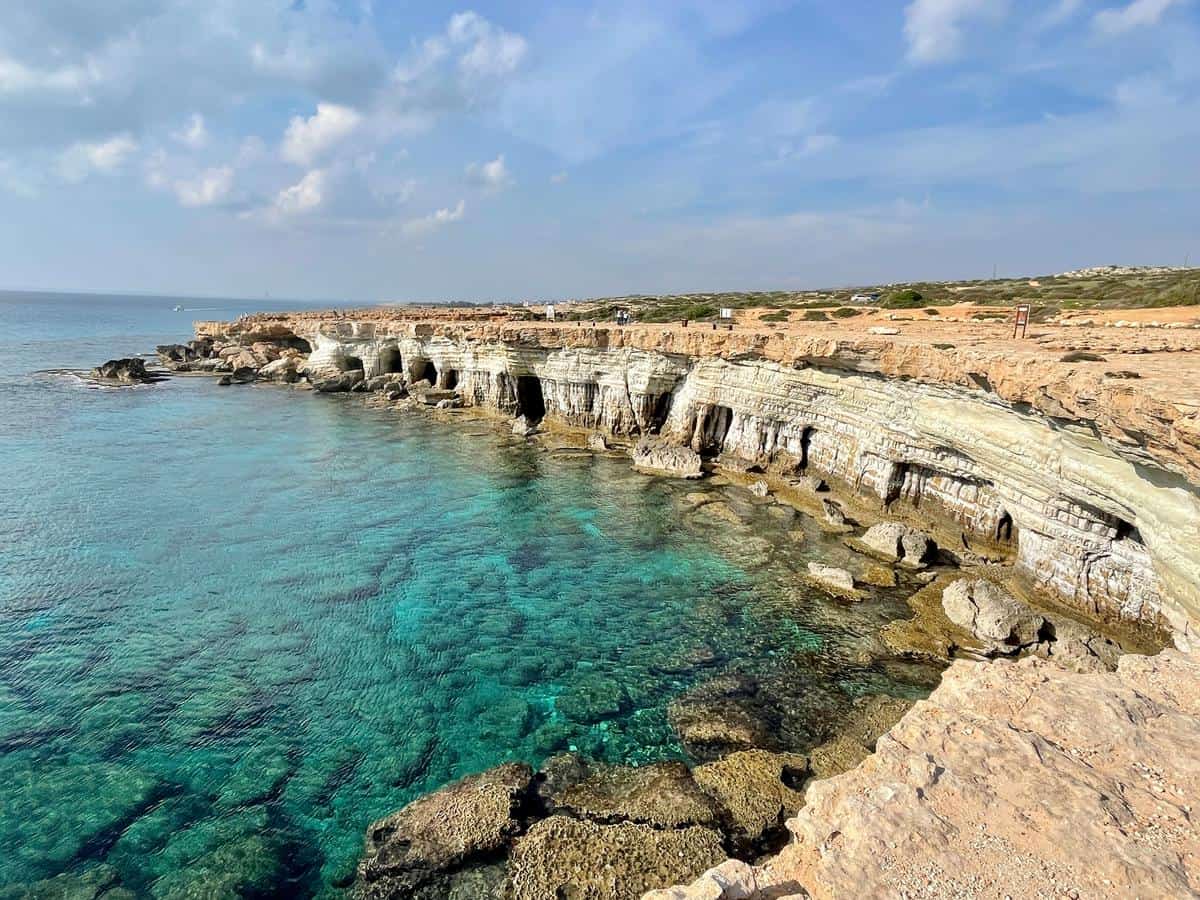
The final major trail deployment focused on the eastern coastline within the Cape Greco National Forest Park. Spanning the distance from the wind-carved sandstone sea caves near Ayia Napa to the white sands of Konnos Beach, this multi-ecosystem route combined arid coastal shelf walking with visits to historical landmarks, including the cliffside Ayioi Anargyroi Chapel.

Logistical Framework: Transportation, Seasonality, and Safety
Successful navigation of the Cypriot trail network requires careful logistical planning, particularly regarding transportation and seasonal weather volatility.

Independent analysis of the island’s infrastructure demonstrates that renting a vehicle is the most efficient method for accessing remote trailheads. With a well-maintained road network and short inter-city driving times—typically ranging from 45 minutes to two hours between major hubs like Paphos, Limassol, Larnaca, and Nicosia—automotive transit provides the necessary flexibility to adapt to rapid weather shifts. Furthermore, driving in Cyprus is conducted on the left-hand side of the road, a legacy of British colonial administration that requires a brief adjustment period for continental European and North American motorists. While public bus networks operated by regional providers such as Cyprus byBus service certain trailheads, schedules are often limited, necessitating multimodal connections.
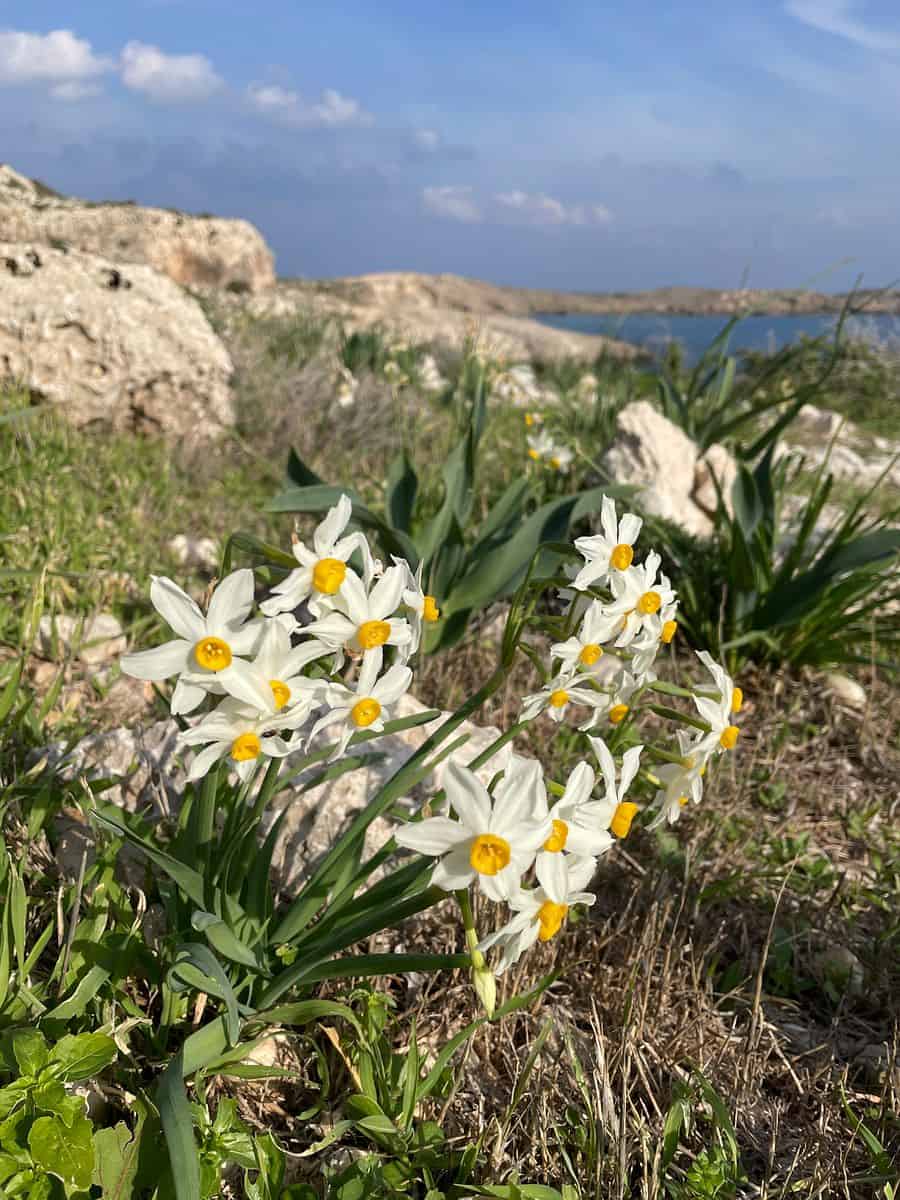
Meteorological data confirms that timing is critical for outdoor activities in Cyprus. While summer temperatures regularly exceed 35°C (95°F) across the central plains and coastal zones—creating severe risks of heat exhaustion and dehydration—the winter and spring shoulder seasons offer ideal conditions. Winter daytime temperatures along the coast frequently hover between 18°C and 22°C (64°F–72°F), though mountain ranges experience freezing temperatures and heavy precipitation, including snowfall. Local conservation groups and park authorities recommend spring (March through May) as the optimal window for botanical observation, as endemic wildflowers bloom across the protected reserves before the arid summer sets in.

Safety protocols on Cypriot trails emphasize ecological preservation and emergency preparedness. Because many interior routes, such as the Avakas Gorge, lack continuous physical markers beyond initial entry points, digital navigation tools—including offline topographic applications and GPX track downloads—are strongly advised by search and rescue coordinators. Hikers are similarly cautioned to carry specialized gear, including trekking poles and multi-layered cold-weather apparel for high-altitude ascents.
Economic and Environmental Implications
The strategic pivot toward adventure and trail tourism carries profound implications for the Cypriot economy and environmental conservation frameworks. By encouraging shoulder-season travel, the island reduces its economic vulnerability to the traditional summer tourism peak. Rural communities in the Troodos Mountains and the Akamas periphery report increased patronage of local guesthouses, tavernas, and wineries, supporting sustainable micro-economies.

Concurrently, environmental advocacy organizations emphasize the necessity of strict trail etiquette. Fragile endemic flora, such as the Cyprus cedar (Cedrus brevifolia) and various native orchids, face potential degradation from unchecked foot traffic. Consequently, national park management plans increasingly emphasize Leave No Trace principles, restricting motorized vehicles within sensitive ecological zones and maintaining clearly designated boundaries to protect nesting habitats for native fauna, including the endangered Cyprus mouflon.
Ultimately, the integration of hiking into the broader tapestry of Cypriot tourism challenges outdated perceptions of the island. By synthesizing deep classical history, culinary traditions, and rugged topography into a cohesive outdoor destination, Cyprus offers a multidimensional Mediterranean experience that extends far beyond the shoreline.