The Gold Coast, a sprawling metropolitan region in Southeast Queensland, has solidified its position as one of Australia’s premier tourism hubs, attracting millions of domestic and international visitors annually. Situated approximately 80 kilometers south of Brisbane, the region is defined by its 57 kilometers of coastline, extensive high-rise development, and a rapidly evolving hinterland. Recent data indicates that the tourism industry in the Gold Coast contributes billions to the Queensland economy, with the region serving as a focal point for both leisure travel and significant social events, such as the surge in destination weddings that draw global visitors.

Regulatory Requirements and Entry Protocols
International arrivals must adhere to strict immigration policies before departing their home countries. A critical component of planning a visit to Australia is the procurement of a valid travel authority. Unlike some jurisdictions that offer visa-free entry, Australia mandates that all foreign nationals—including those from visa-waiver countries—secure an Electronic Travel Authority (ETA) or a similar visa subclass prior to boarding. Failure to secure these documents often results in denied boarding at the point of origin. Travelers are advised to complete these applications weeks in advance to mitigate the risk of administrative delays. While platforms such as iVisa have streamlined the application process, maintaining an approval rate exceeding 99%, the final authority remains with the Australian Department of Home Affairs. Accuracy in documentation, particularly regarding passport data, is paramount, as discrepancies can lead to significant processing setbacks.

Regional Infrastructure and Urban Geography
The Gold Coast is not a singular city but a series of interconnected beachside suburbs, each offering distinct socioeconomic and tourism profiles. Broadbeach has emerged as a primary base for travelers seeking a balance between accessibility and residential tranquility. Unlike the high-density, high-energy atmosphere of Surfers Paradise—which serves as the region’s commercial and nightlife epicenter—Broadbeach offers a more moderated urban experience.

Strategic urban planning in the region has focused on integrating public transit with leisure zones. The G:link light rail system, which connects the northern suburbs to Broadbeach, has drastically reduced traffic congestion and improved accessibility for tourists navigating between major points of interest. This transit-oriented development has encouraged the growth of boutique dining, retail, and wellness sectors, shifting the region’s reputation from a seasonal party destination to a year-round hub for lifestyle tourism.

Environmental and Recreational Assets
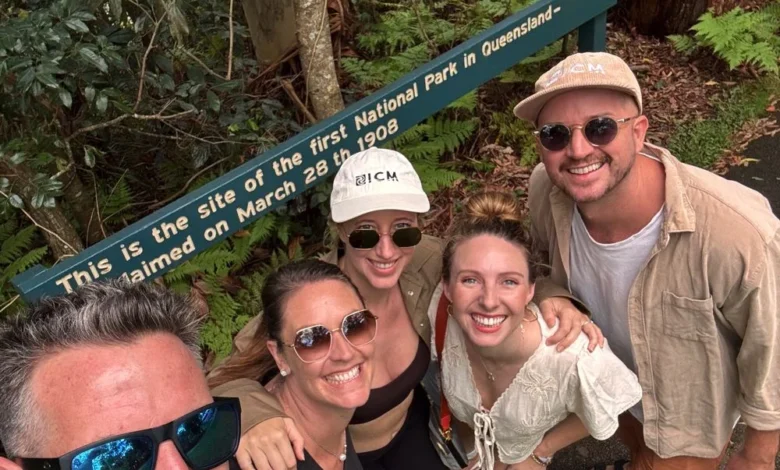
Beyond the shoreline, the Gold Coast’s geography facilitates a diverse range of activities. The hinterland, dominated by the World Heritage-listed Gondwana Rainforests, provides a significant contrast to the coastal strip. Tamborine Mountain, for instance, serves as a critical environmental asset, housing the Witches Falls section of the Tamborine National Park. Established in 1908, this site holds the distinction of being Queensland’s first national park, representing a long-standing commitment to conservation amidst growing urban sprawl.

The regional economy benefits significantly from the diversification of these attractions. The integration of the "surf culture" in locations like Coolangatta and Snapper Rocks—renowned globally for their high-quality breaks—with the agricultural and viticultural output of the valleys, such as Currumbin, creates a multi-layered tourism product. The presence of professional surf events, such as those historically associated with world-champion surfers like Mick Fanning, elevates the region’s international profile, drawing sports enthusiasts who contribute to high seasonal occupancy rates.

Socio-Economic Impact of Tourism Trends
The shift toward "wellness tourism" is a notable development in the Gold Coast’s recent economic history. The rise of sophisticated bathhouses and holistic health retreats in the Tallebudgera and Currumbin valleys reflects a broader global trend toward high-end, experience-based travel. This sector capitalizes on the region’s natural climate and outdoor lifestyle, providing an economic buffer during off-peak seasons.

Furthermore, the "wedding tourism" market remains a robust contributor to the local economy. The Gold Coast’s infrastructure—ranging from luxury high-rise accommodations to secluded hinterland estates—allows it to cater to diverse wedding demographics. This influx of visitors for social events often results in extended stays, as attendees frequently combine ceremonial obligations with broader regional exploration. Economic analysts note that these travelers have a higher average daily expenditure compared to traditional vacationers, benefiting local hospitality and service providers.

Strategic Itinerary Planning and Logistics
For the professional traveler or the long-term visitor, efficient navigation of the Gold Coast requires a multi-modal approach. While the central coastal strip is well-served by public transport, the hinterland remains largely inaccessible without a private vehicle. The expansion of the rental car market in the region reflects this necessity, as the most significant ecological and cultural sites—such as the Currumbin Valley’s local produce markets or the various lookouts in the Tamborine range—are best accessed via the regional road network.

A recommended duration for a comprehensive visit is 10 to 12 days. This timeframe allows for a structured approach:

- Days 1–3: Coastal orientation, focusing on the Surfers Paradise to Broadbeach corridor.
- Days 4–6: Southern exploration, including the surf culture of Coolangatta and the environmental features of the Tallebudgera Creek area.
- Days 7–9: Hinterland and mountain excursions, including viticulture at local wineries and rainforest trekking.
- Days 10–12: Leisure and community engagement, allowing for repeat visits to preferred localities.
Future Implications for Regional Development
The long-term sustainability of the Gold Coast as a primary tourism destination rests on the balance between urban development and environmental stewardship. The increasing pressure on natural sites like Burleigh Head National Park necessitates ongoing investment in infrastructure that minimizes the human footprint. Local government initiatives are currently focused on preserving the "green lungs" of the region while maintaining the high standard of service expected by international visitors.

As the Gold Coast continues to mature as a global destination, the emphasis is shifting away from mass-market volume toward high-value, sustainable tourism. The integration of digital visa processing, improved public transit, and a commitment to the preservation of both the marine and mountain environments suggests a stable outlook for the region’s economic future. For the visitor, this means a more sophisticated and diverse travel experience, provided that the necessary administrative and logistical preparations are made in advance. The region stands as a testament to how traditional beach-based tourism can successfully diversify into an multifaceted, year-round destination through strategic regional planning and the exploitation of natural geographical advantages.