The landscape of travel content creation has undergone a profound structural shift over the past decade, forcing industry veterans to reevaluate their professional trajectories in the wake of the COVID-19 pandemic. For many long-form travel writers and digital creators, the relentless demands of the modern influencer economy have yielded widespread burnout, prompting a strategic pivot toward specialized, hands-on experiential sectors. A primary example of this evolution is the career redirection of seasoned travel journalist and photographer Liz Carlson, known globally through her platform Young Adventuress, who has formally transitioned from digital content creation to a full-time expedition guide and specialized polar travel consultant in partnership with Adventure Canada.
This career evolution highlights a broader trend within the adventure travel industry: a movement away from superficial digital promotion toward immersive, conservation-focused expedition work. Carlson, who now spends approximately half of each year operating at sea across Antarctica and the Arctic, has officially integrated her extensive field experience into a consultancy model. By aligning directly with established operators like Adventure Canada, industry professionals are leveraging their on-the-ground expertise to facilitate high-latitude journeys, transforming passive digital audiences into active stewards of the polar environment.
The Logistics of Extreme Environments: Navigating the High North
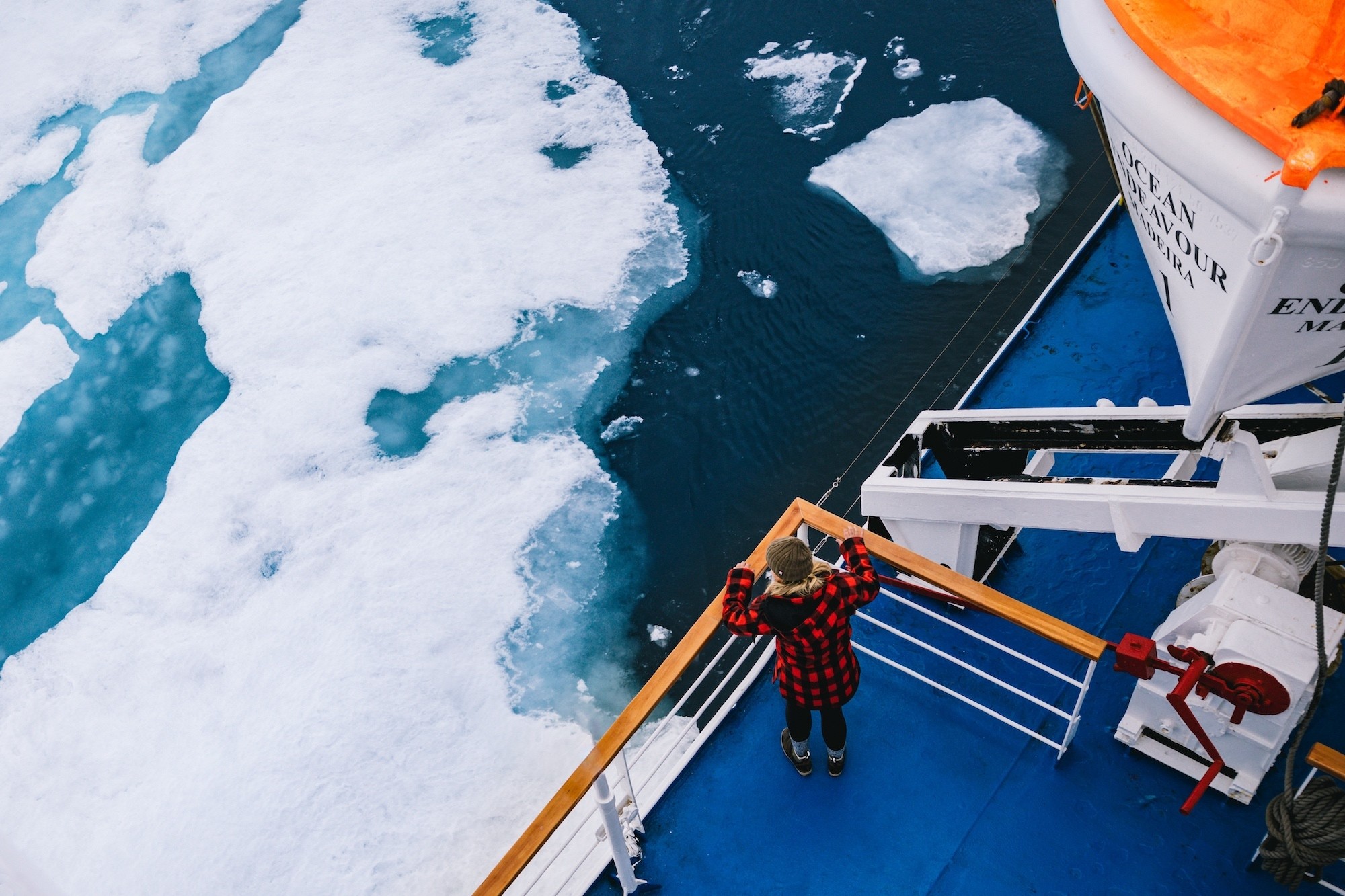
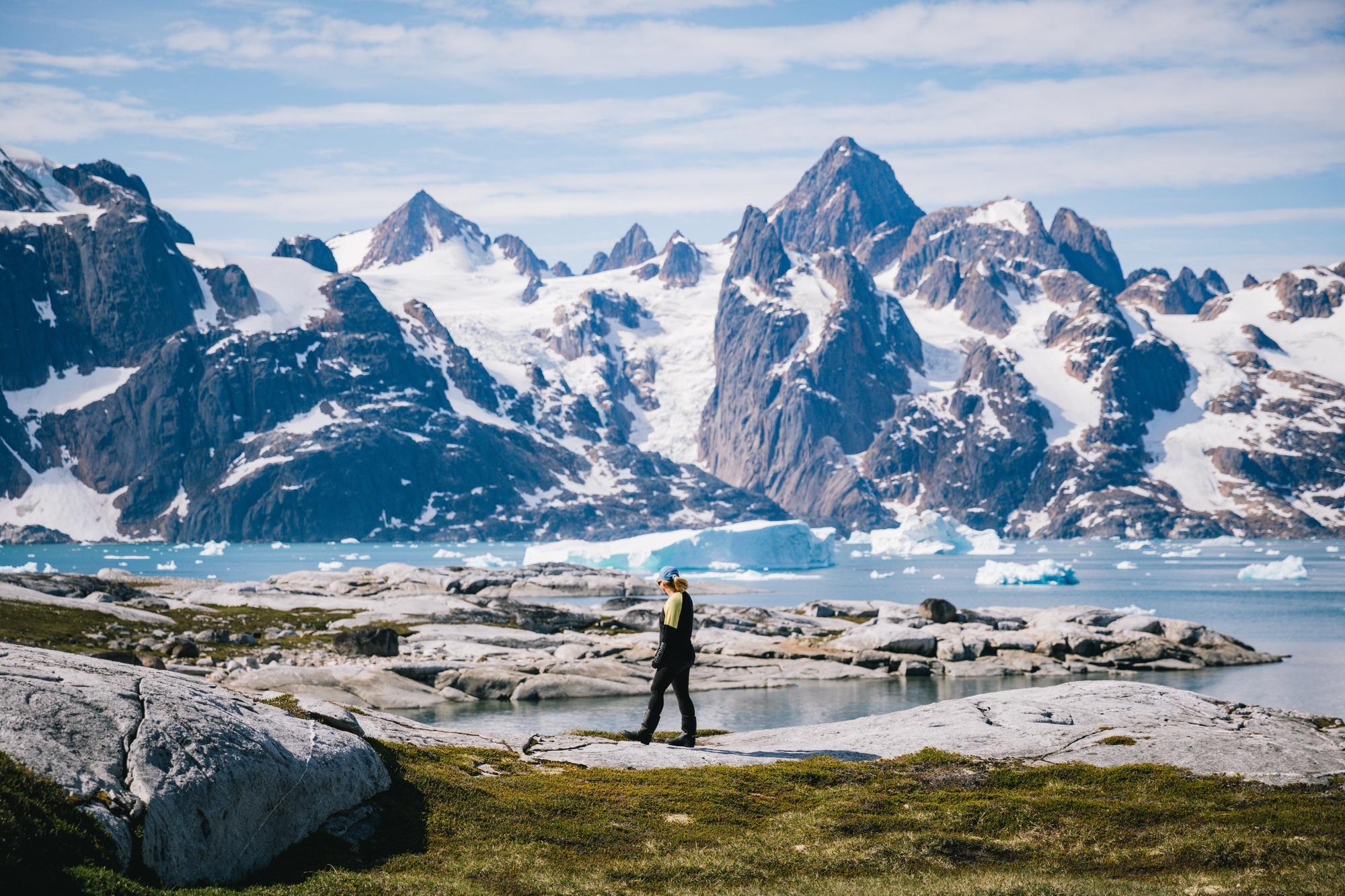
The Arctic remains one of the most geographically isolated and logistically challenging regions on Earth. For the vast majority of the calendar year, impenetrable sea ice locks away the northernmost latitudes, restricting human access almost entirely. It is only during a brief, tightly constrained window in the boreal summer—typically spanning from June through September—that rising temperatures cause sufficient ice melt to permit maritime navigation.
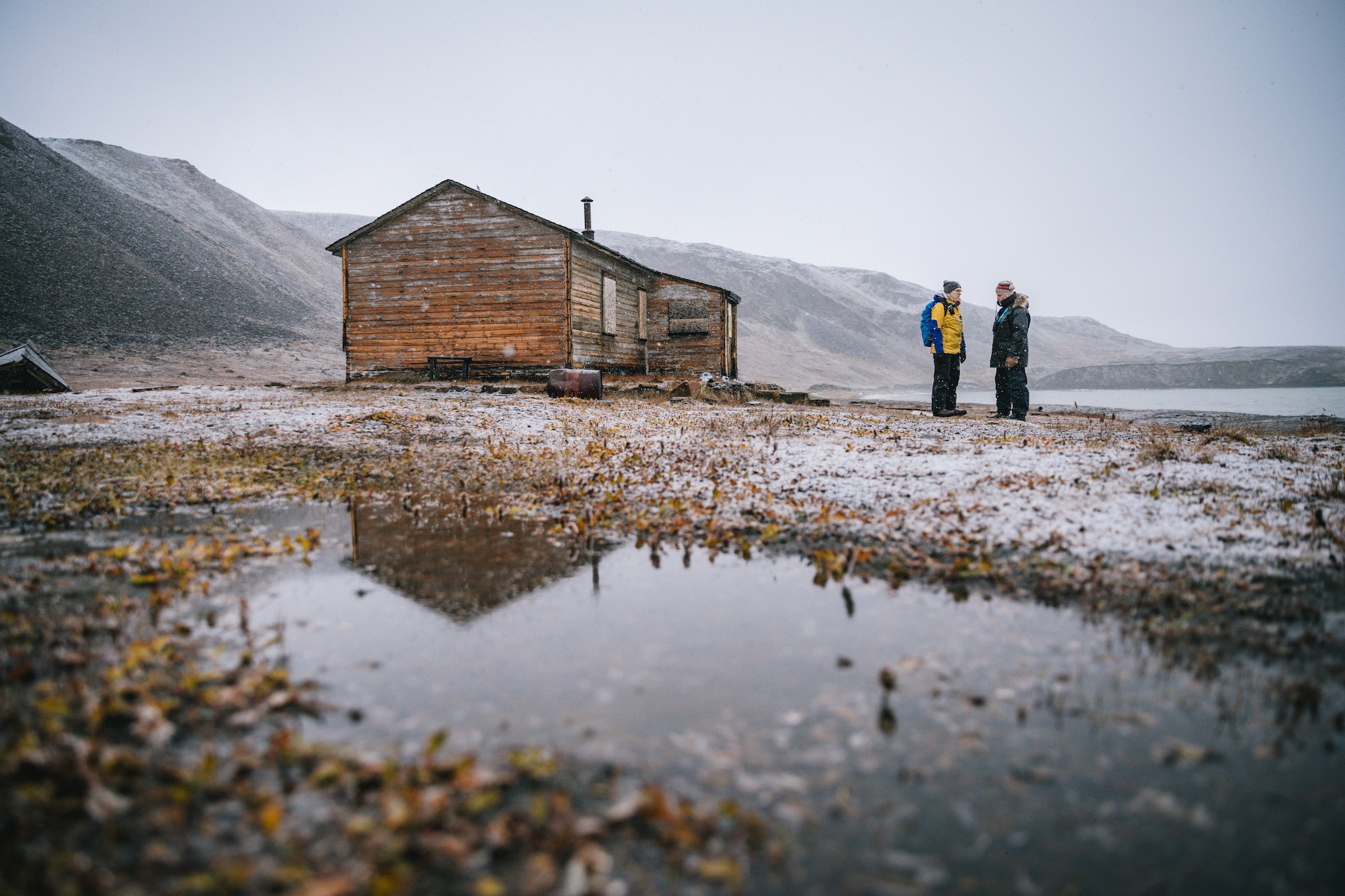
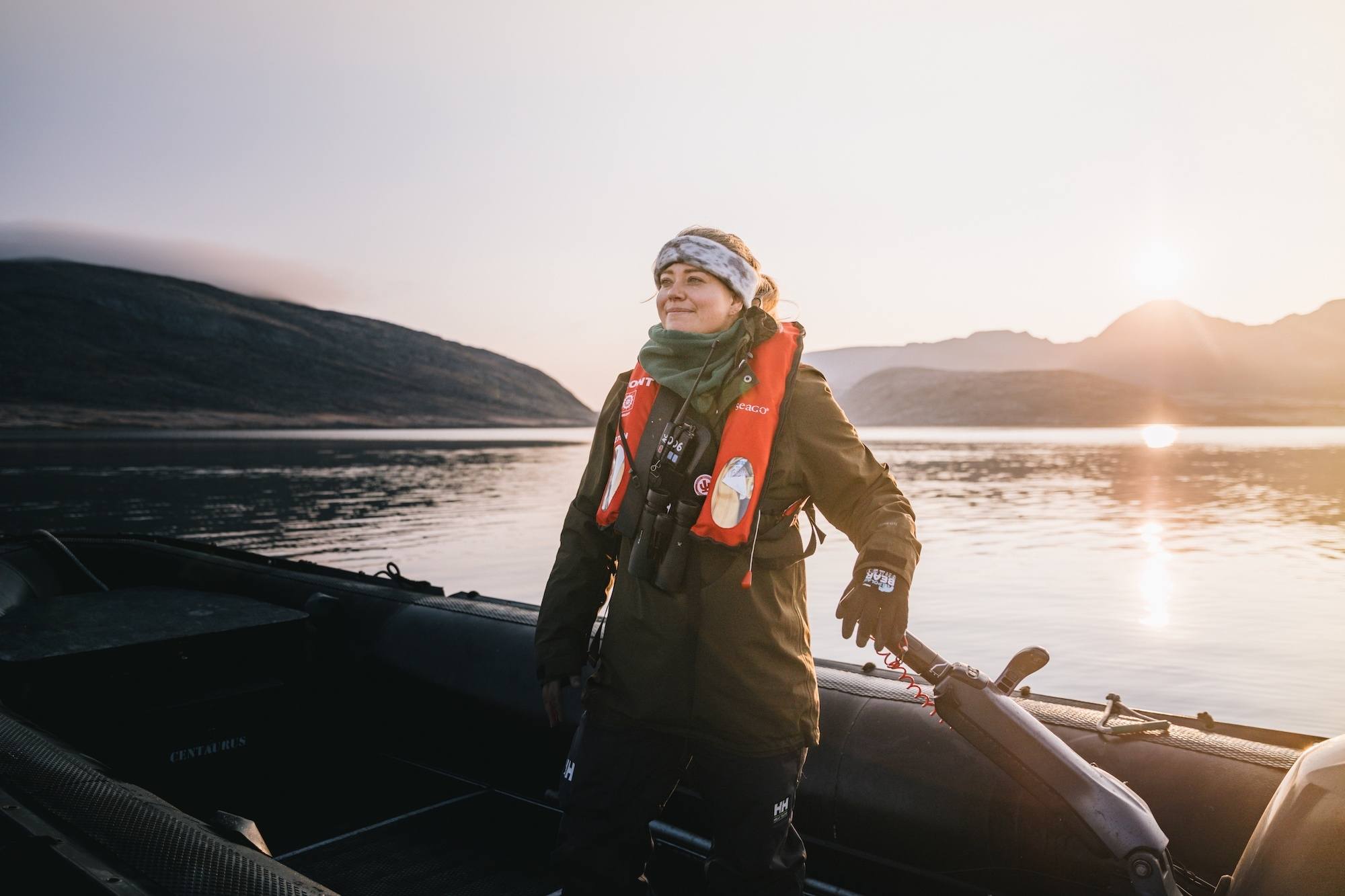
Even during these peak summer months, transportation is heavily dependent on specialized infrastructure. Expedition vessels serve as the primary and most efficient mode of transit for travelers, navigating past colossal icebergs and through historic passages such as those explored during the Franklin Expedition on Beechey Island. Secondary mobility within the region relies heavily on specialized small-craft operations—such as Zodiac boat deployments—alongside localized air travel and snowmobiles during colder transitional months.

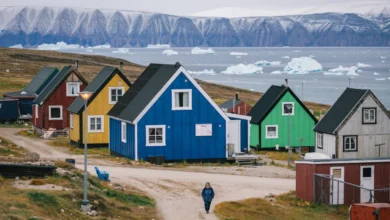
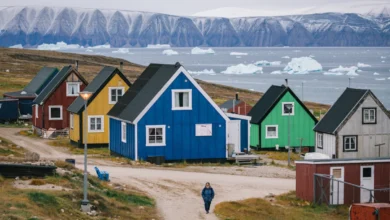
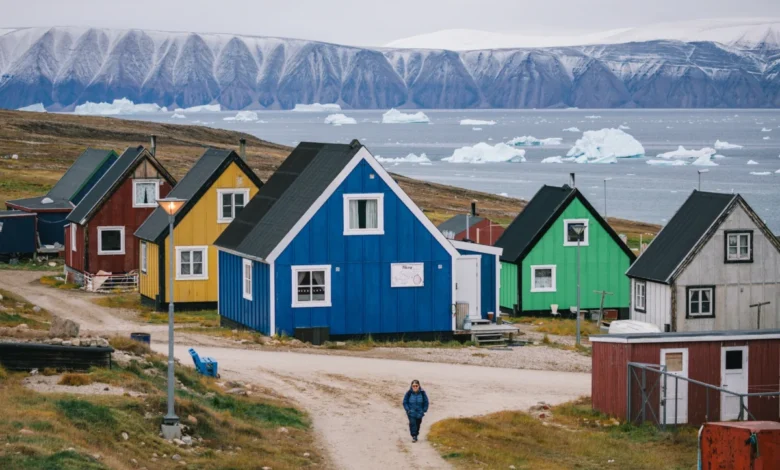
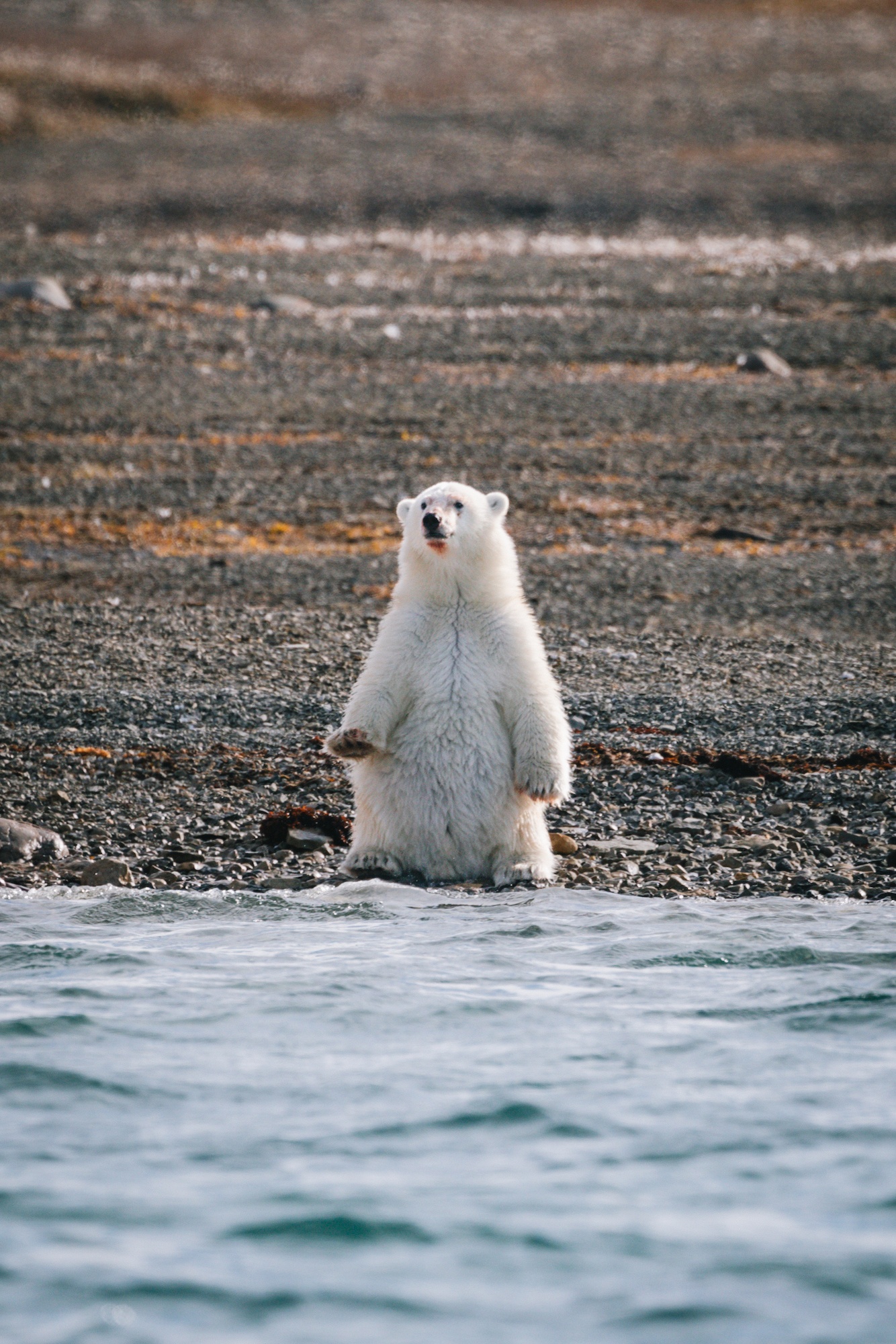
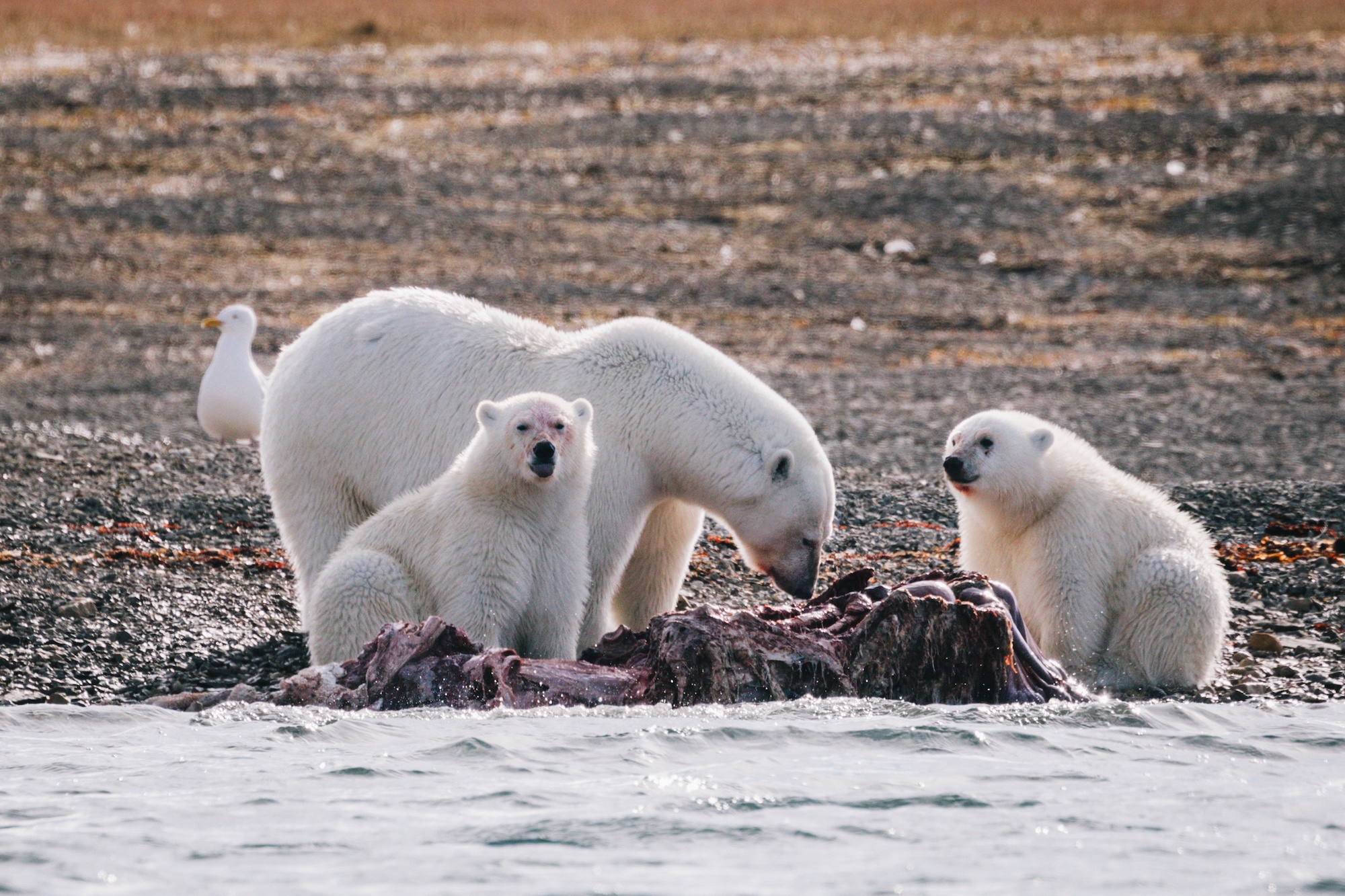
This extreme isolation has historically kept Arctic tourism exclusive, preserving its wild and unpredictable character. Travelers venturing into these remote waters routinely encounter diverse marine and terrestrial wildlife, including pods of whales, migratory seabirds, and polar bears navigating the diminishing sea ice. Furthermore, these expeditions frequently incorporate visits to remote Indigenous communities, particularly in northern Canada and Greenland, where cultural exchanges form a core component of the itinerary.
Post-Pandemic Burnout and the Shift in the Creator Economy
The decision to transition away from traditional travel blogging and influencer marketing reflects a deeper psychological and professional reckoning within the digital media landscape. In the years following the global disruptions of the COVID-19 pandemic, many content creators who spent years building independent platforms reported increasing disillusionment with the digital grind. The constant pressure to produce high-volume content, coupled with algorithmic shifts and an increasingly saturated market, created an unsustainable environment for creative work.
For Carlson, the repetitive cycle of online competition ultimately lacked the interpersonal fulfillment found in collaborative, community-driven environments. This realization catalyzed a permanent shift toward expedition guiding—a field defined by rigorous physical labor, teamwork, and shared hardship. Unlike the solitary nature of digital publishing, working aboard an expedition vessel fosters a tight-knit community among crew members and passengers alike, mirroring the camaraderie of seasonal field camps.
Industry data consistently underscores high retention rates within specialized expedition companies, driven largely by passenger loyalty. Operators like Adventure Canada, a family-owned enterprise founded by three siblings alongside their father, uncle, and long-time colleague, report that approximately half of their passenger manifest consists of returning travelers. This high rate of repeat clientele indicates a specialized market driven by deep personal connections to the destinations and the personnel facilitating the journeys.
Formalizing Field Expertise into Specialized Travel Consulting
Rather than abandoning her established platform entirely, Carlson has chosen to integrate her digital footprint with hands-on commercial services. In a model mirroring that of a specialized travel advisor, she has begun partnering directly with prospective travelers to curate bespoke polar itineraries. When clients book high-latitude voyages via her referral network, the arrangement generates a commission, formalizing a consultative advisory role she has informally practiced for years.
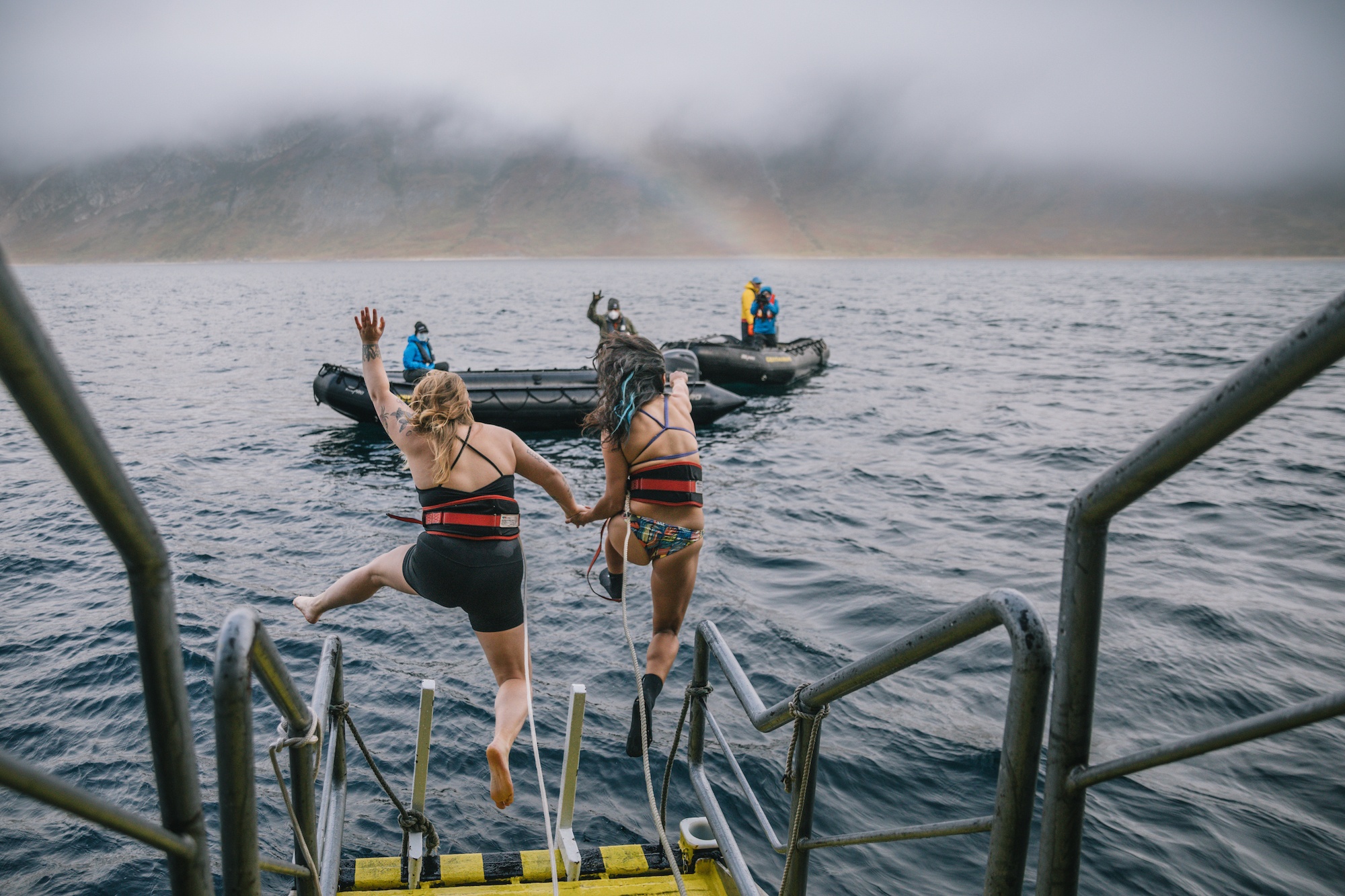
This strategic diversification offers dual benefits: it provides a sustainable revenue stream decoupled from the volatility of ad-driven influencer monetization, and it allows her to remain actively engaged in the polar regions she documents. Crucially, Carlson maintains an active role as an expedition guide on many of these voyages, bridging the gap between digital advocacy and frontline experiential tourism.
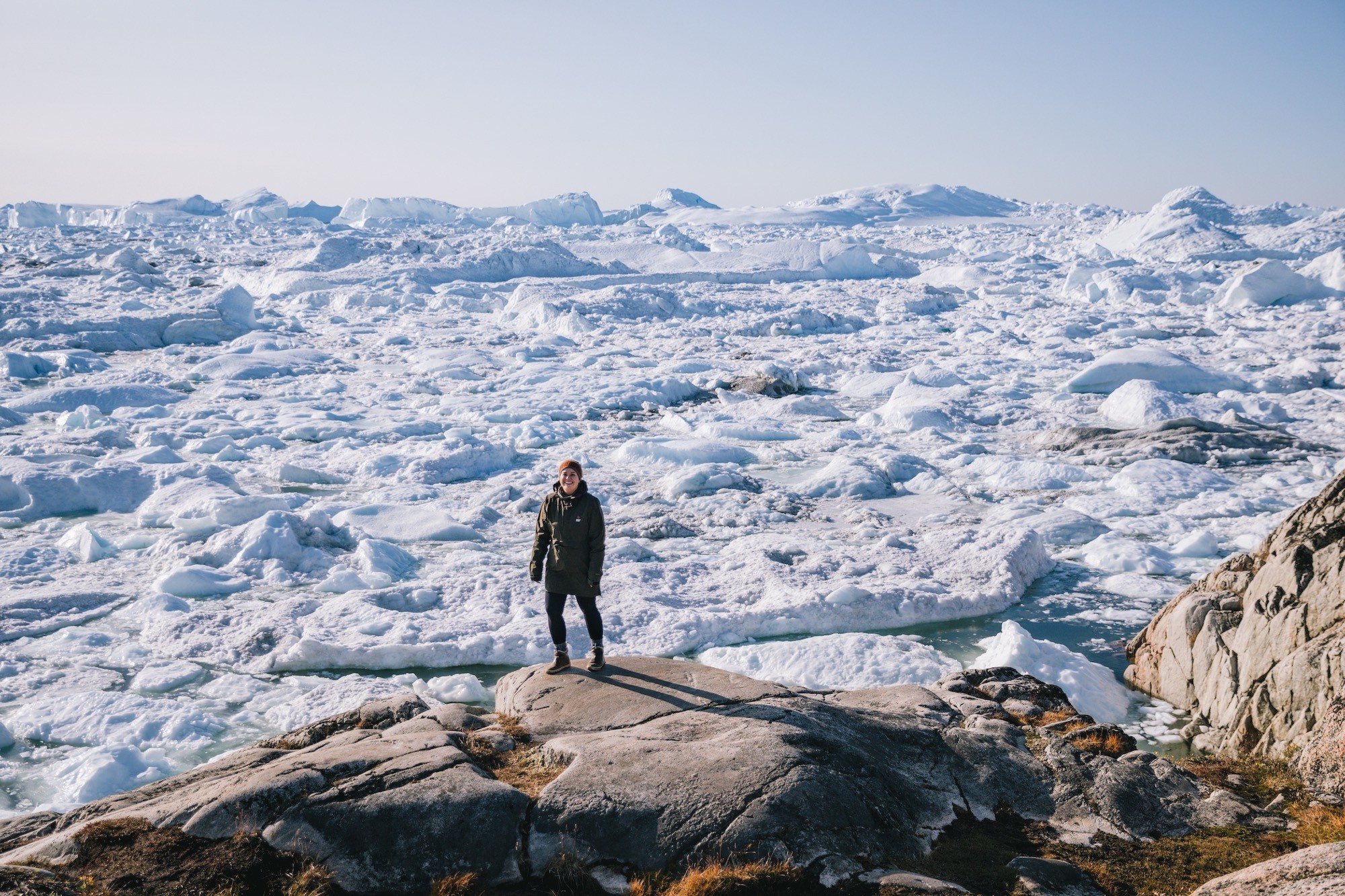
This professional pivot addresses a growing consumer demand for authentic, expert-led travel planning. As polar tourism experiences a resurgence, travelers increasingly seek guidance from individuals with direct, prolonged field experience rather than generalized booking agencies. By vetting itineraries through firsthand knowledge of Arctic and Antarctic ecosystems, specialized consultants help mitigate the risks associated with high-latitude travel while ensuring adherence to strict environmental protocols.
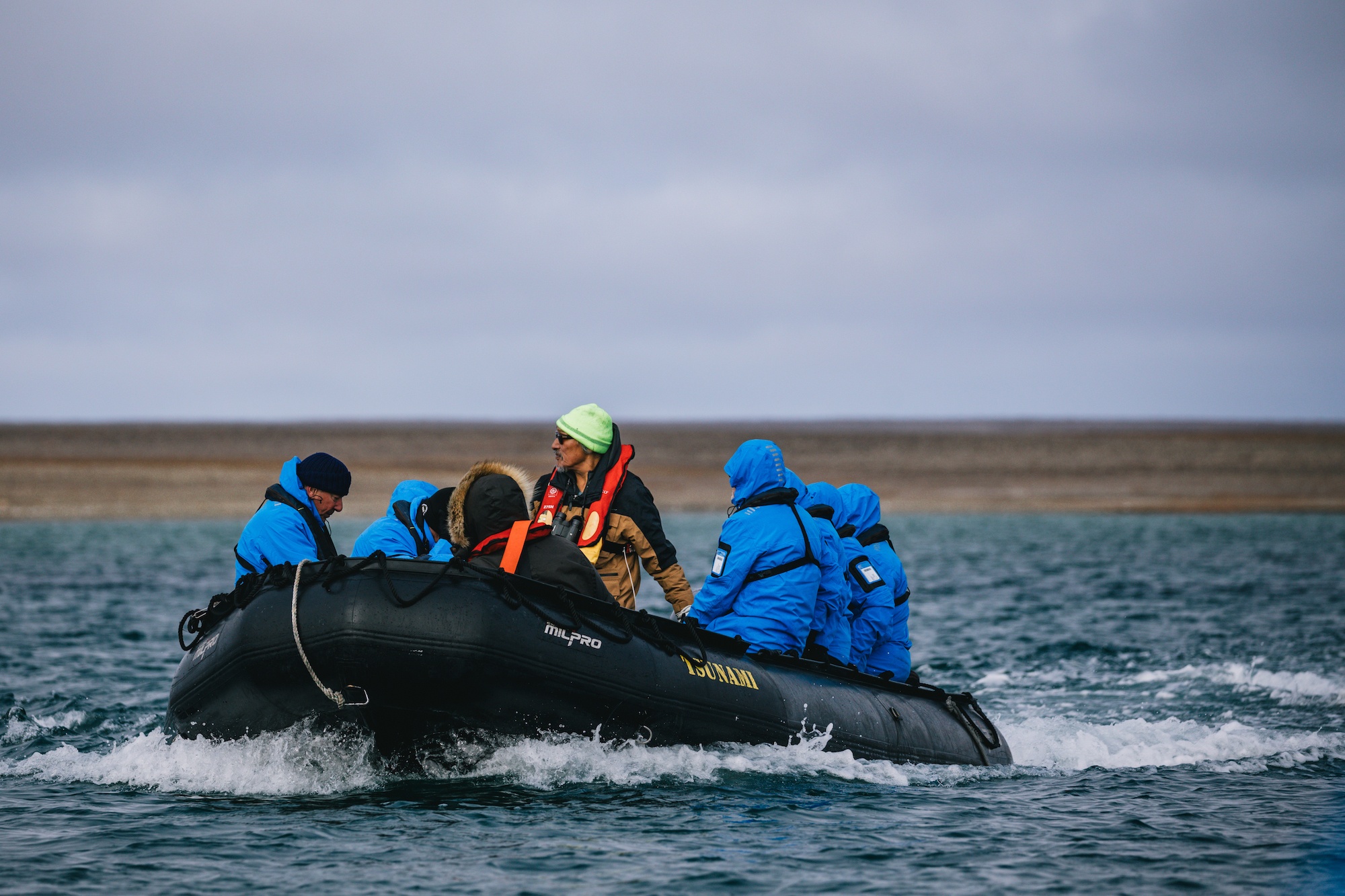
Conservation Imperatives and the Rise of the Polar Ambassador
Beyond the commercial and lifestyle implications of this career transition, industry experts emphasize the critical conservation role played by visitors to the polar regions. The Arctic is warming at a rate significantly faster than the global average, resulting in accelerated glacial retreat and profound disruptions to marine and terrestrial ecosystems. Sea ice habitats, essential for the survival of apex predators like polar bears and marine mammals, are shrinking annually.
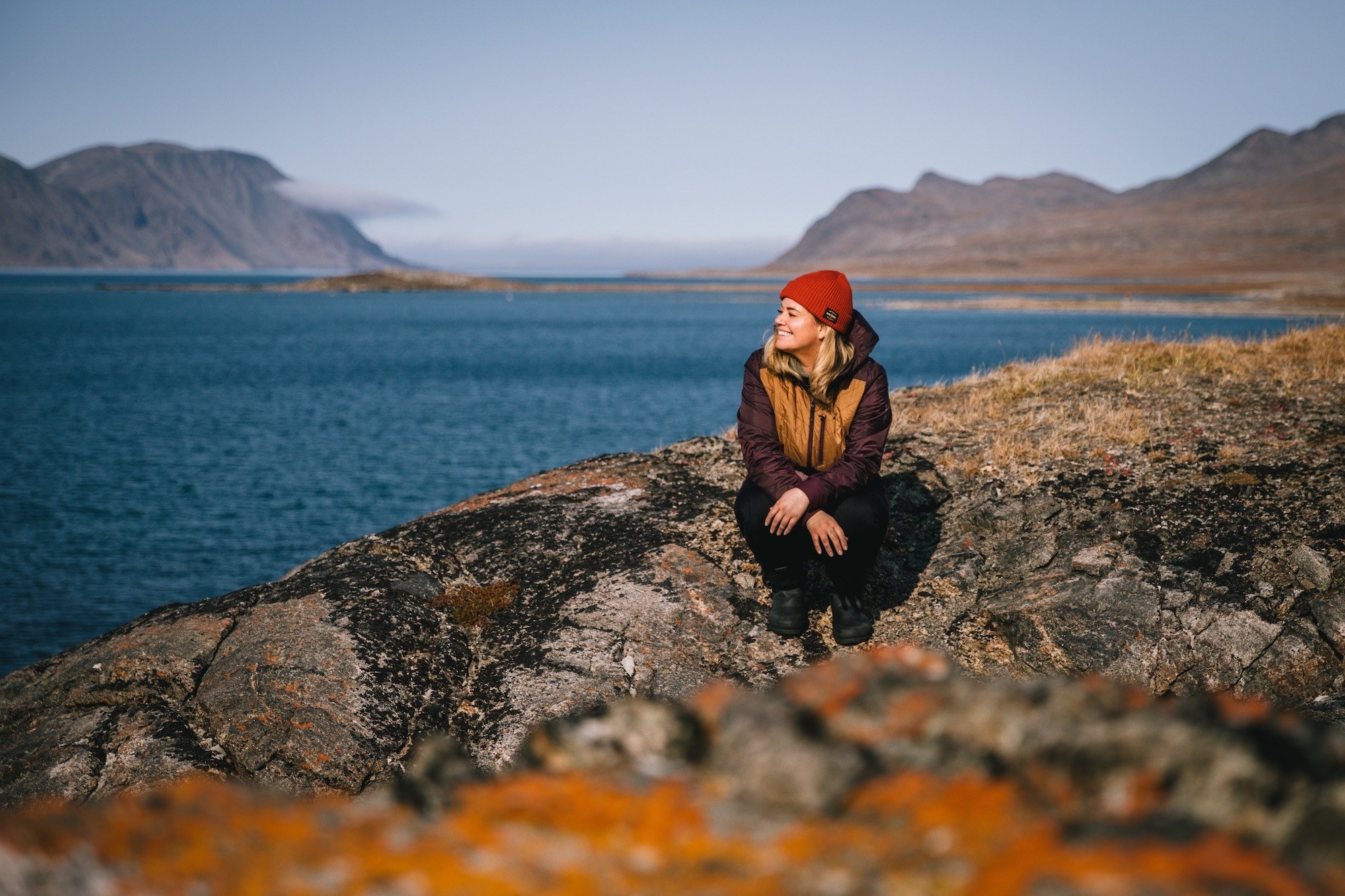
Environmental scientists and expedition operators argue that immersive travel serves as a powerful catalyst for environmental advocacy. When travelers witness the fragility of the polar environment firsthand—observing shifting ice packs, interacting with northern communities, and experiencing the raw scale of the wilderness—they frequently transition into lifelong advocates for climate action and polar preservation.
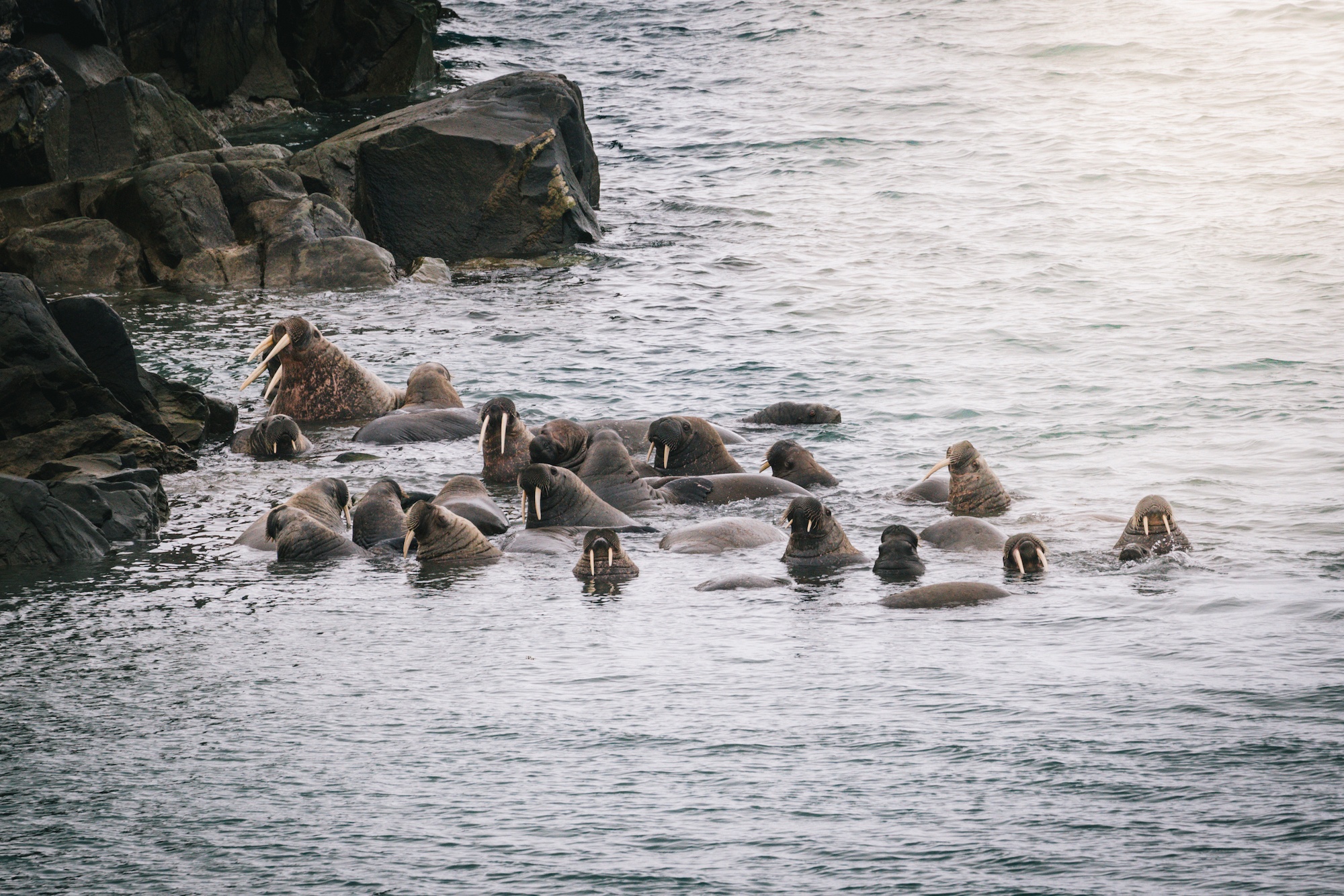
Carlson echoes this sentiment, asserting that personal exposure to these extreme landscapes fosters a sense of stewardship that digital media alone struggles to convey. By channeling her audience toward responsible, educational expeditions, the initiative aims to cultivate a new generation of informed travelers equipped to advocate for the protection of fragile polar ecosystems at a time when global climate policy requires heightened public awareness and engagement.