Navigating Barcelona Coastline: A Comprehensive Guide to Urban Beaches for Family Travel

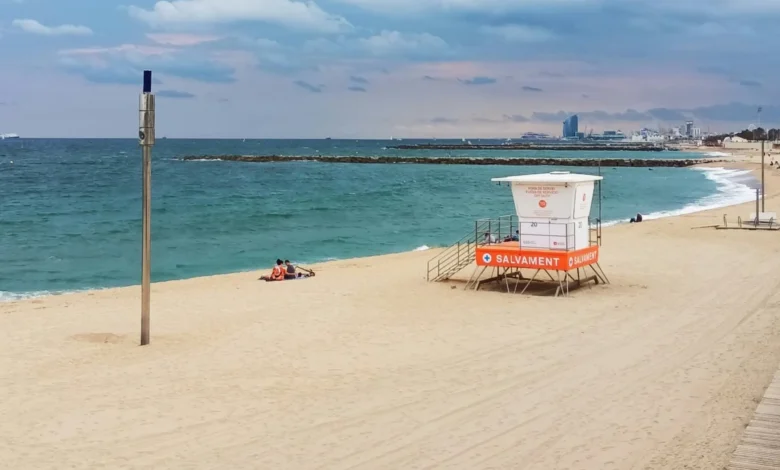
Barcelona offers a rare urban duality, allowing visitors to spend their mornings exploring modernist architecture or historic medieval quarters before relaxing on the Mediterranean shore by lunchtime. Stretching approximately three miles along the city’s eastern edge, Barcelona’s beachfront represents a masterclass in urban coastal integration. These vibrant, highly accessible urban beaches are engineered to accommodate millions of residents and tourists annually. However, navigating this coastline requires strategic planning, particularly for families traveling with children, strollers, or visitors with accessibility needs.
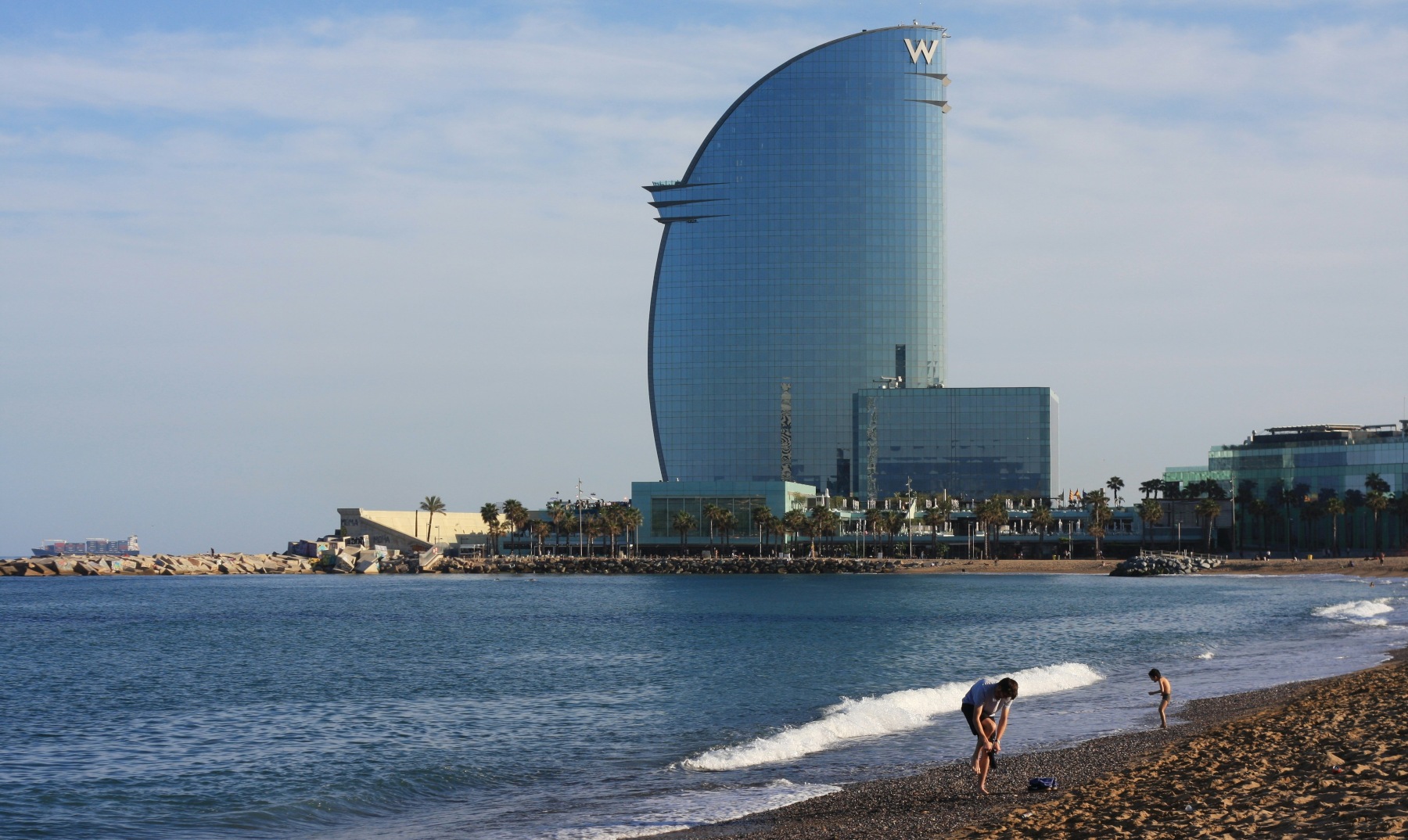
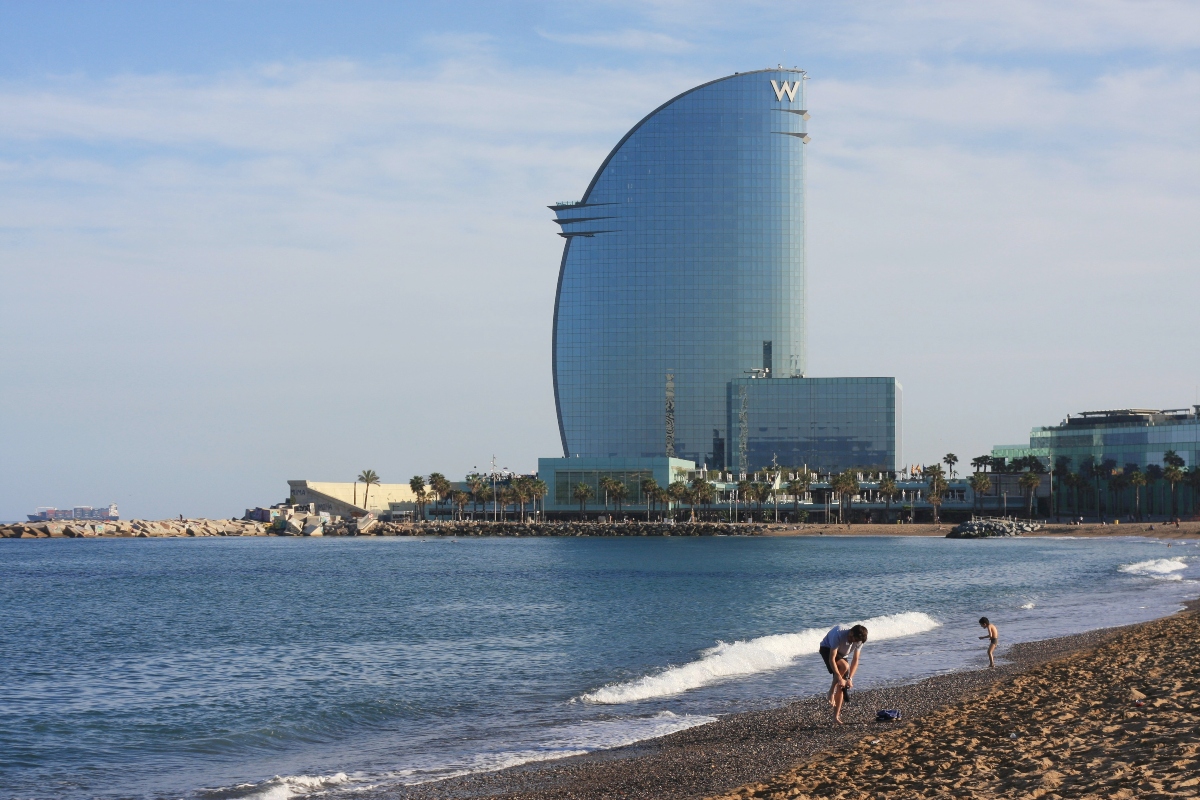
The city’s shoreline is organized systematically from southwest to northeast, beginning near the iconic W Barcelona hotel—architecturally designed to resemble a billowing ship’s sail—and extending northward toward the Fòrum district. Each distinct zone along this continuum features specialized characteristics, varying crowd densities, and tailored municipal services designed to balance leisure, safety, and urban infrastructure.
Historical Context and Coastal Evolution
The modern accessibility of Barcelona’s coastline is the result of a deliberate, multi-decade urban planning transformation. Prior to the late 20th century, the city’s waterfront was dominated by heavy industry, railway yards, and maritime commerce, cutting residents off from the sea. The turning point arrived with the 1992 Summer Olympic Games. The hosting of the Olympics served as a catalyst for sweeping urban renewal, prompting municipal authorities to remove obsolete industrial infrastructure, clean up the marine environment, and artificially import millions of cubic meters of sand to construct a continuous public beach system.
This historical revitalization transformed the waterfront from a neglected industrial zone into a premier civic asset. Subsequent municipal investments have continuously upgraded the coastline, integrating bike paths, green spaces, sports facilities, and advanced accessibility infrastructure. Today, Barcelona’s urban beaches generate significant economic activity, anchoring the city’s status as a top-tier global destination for both cultural tourism and seaside recreation.
Comprehensive Beach-by-Beach Analysis
Understanding the specific micro-environments of Barcelona’s primary beaches allows travelers to align their itineraries with their family’s needs. The city maintains uniform baseline services across all locations during the official bathing season, including lifeguards, public restrooms, outdoor showers, accessible entry points, and seasonal café concessions. Restrooms situated within authorized beach cafés are legally and customarily available to the public without requiring a commercial purchase.
Sant Sebastià: Historic Charm and Gradual Access
Positioned directly adjacent to the W Barcelona hotel, Sant Sebastià is one of the city’s oldest and most historic coastal sectors. Its proximity to the maritime district makes it an optimal choice for families seeking to combine a brief seaside excursion with dining options in the immediate neighborhood.
From a topological perspective, Sant Sebastià appeals to families because of its generous width and relatively gradual slope into the water under calm meteorological conditions. Nevertheless, maritime safety protocols dictate continuous monitoring, as sea states in the Mediterranean can shift rapidly. Furthermore, the northern section of this zone hosts dedicated paddleboard rental operators, catering to older children and teenagers seeking structured aquatic recreation.
Barceloneta and Somorrostro: Central Energy and High Density
Moving northeast from Sant Sebastià leads into Barceloneta and Somorrostro, terminating near Port Olímpic and the twin modernist towers of Hotel Arts and Torre Mapfre. This central sector is globally recognized as the definitive epicenter of Barcelona beach culture.
While the area pulses with high energy, municipal tourism data and local family travel advisories indicate it is rarely the optimal choice for visitors traveling with small children. The demographic profile skews younger and intensely social, and peak summer occupancy rates can create congestion. For families eager to experience the historic atmosphere of Barceloneta, municipal authorities and local experts recommend visiting during early morning hours—typically before 11:00 AM—to avoid maximum thermal loads and high crowd density.
Nova Icária: The Premier Family Destination
Located just north of Port Olímpic, Nova Icária is widely regarded by urban planners and family travel specialists as the optimal coastal zone for visitors with young children. This beach successfully maintains a more subdued, manageable atmosphere compared to its southern neighbors while retaining a central location.
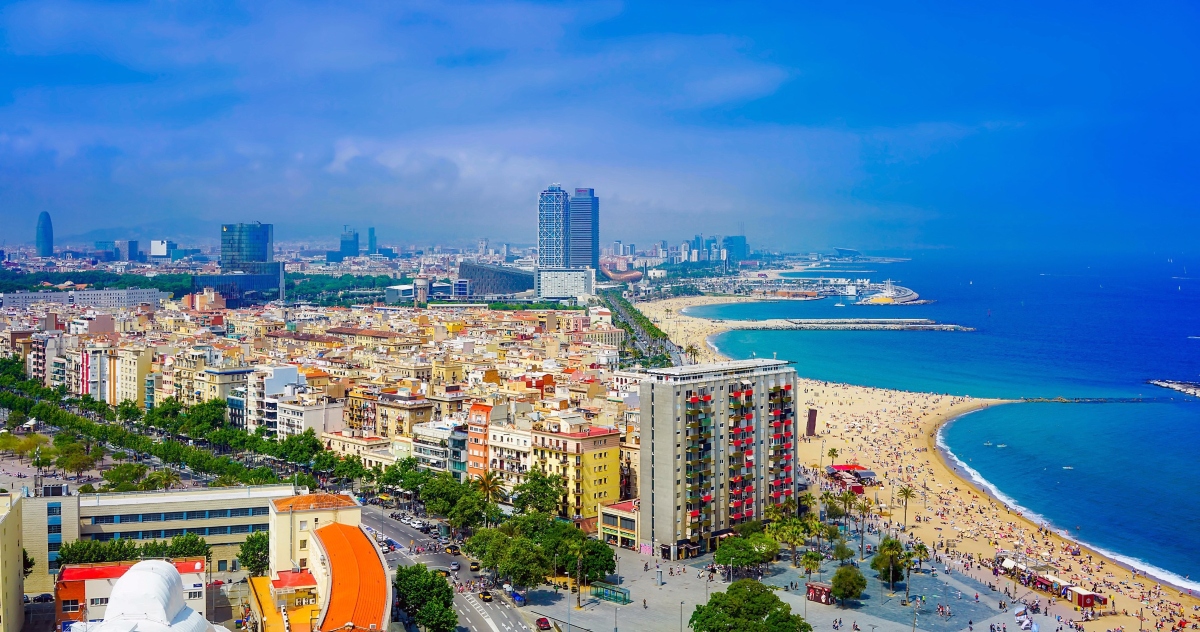
Nova Icária features a wide expanse of fine sand and a protected, stable marine environment. Crucially, the municipal government has prioritized this sector for advanced accessibility initiatives. Families utilizing strollers, as well as travelers with reduced mobility, benefit from extensive wooden boardwalk networks that extend close to the shoreline, complemented by specialized municipal assistance programs during the swimming season.
Bogatell: Space, Athletics, and Local Ambiance
Further up the coastline lies Bogatell, a spacious beach favored by local residents and active urban populations. Spanning a broader footprint than Barceloneta, Bogatell accommodates a diverse array of recreational activities, including beach volleyball courts, running clubs, and frequent utilization of the adjacent maritime cycling and walking promenade.
For families prioritizing personal space and a slightly more relaxed local culture over high-energy nightlife proximity, Bogatell represents a reliable alternative. The zone is fully serviced with seasonal concessions, lifeguards, and comprehensive sanitation facilities.
Mar Bella: Youth Culture and Inclusive Zoning
Positioned near the eastern edge of the primary beach grid, Mar Bella offers an open, athletic atmosphere tailored to adolescents and teenagers. The proximity of the Mar Bella skate park allows active families to seamlessly combine skateboarding or coastal sports with swimming and dining.
Travelers must note that Mar Bella officially incorporates designated naturist and LGBTQ+-inclusive zones as part of Barcelona’s broader commitment to public inclusivity. While this environment is entirely mainstream within European municipal frameworks, families should note its cultural profile when selecting a destination that matches their personal comfort parameters.
Infrastructure, Sunbeds, and Shade Management
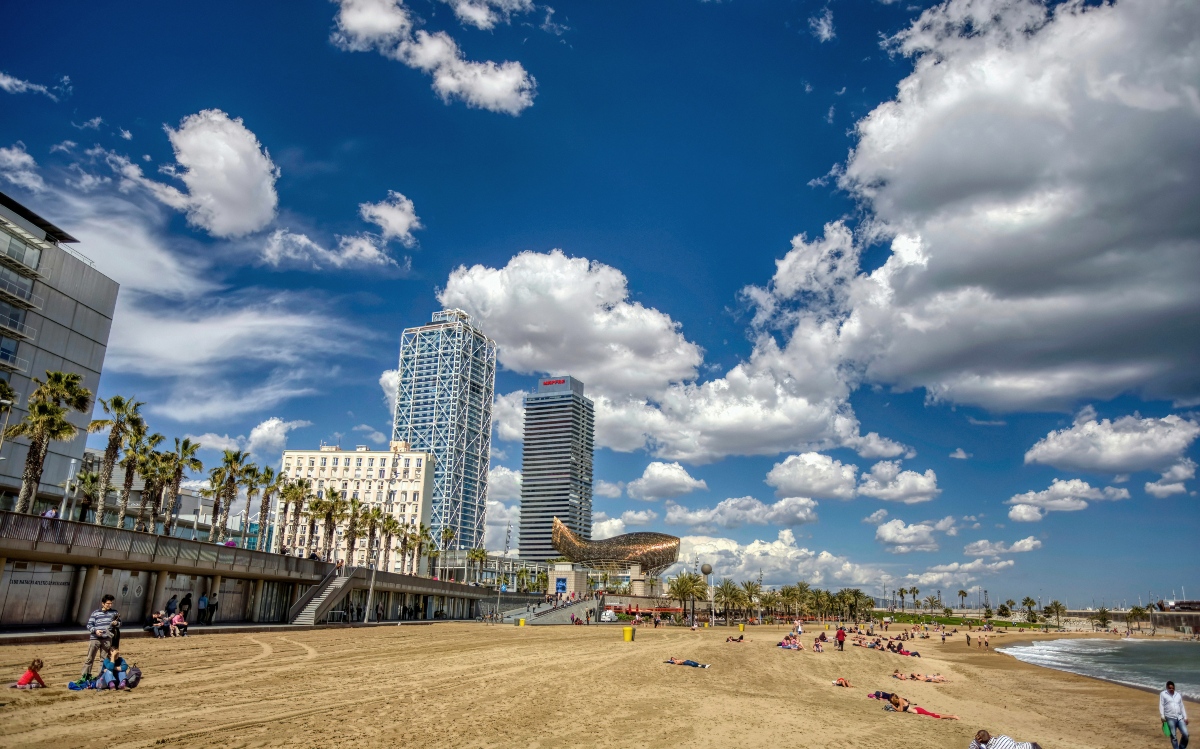
A critical logistical challenge for visitors on Barcelona’s urban beaches is the near-total absence of natural shade. Meteorological data indicates high UV indexes throughout the Mediterranean summer, making sun protection a primary operational concern.
During the official bathing season—typically stretching from late May to mid-September—authorized beach concessions operate sunbed and umbrella rental stations. Industry pricing structures generally position a basic setup of two loungers and a parasol starting around 30 euros per day, varying by location and peak demand cycles. Because these operations function on a strict first-come, first-served basis without reservation systems, planners advise arriving during off-peak morning hours to secure adequate shelter.
Accessibility and Assisted Bathing Services
Barcelona has invested heavily in municipal accessibility infrastructure, earning recognition from urban inclusion advocates. Selected beaches, most notably Nova Icária and Bogatell, feature specialized adaptation programs during the peak summer window.
These services extend far beyond basic wheelchair ramps, incorporating:
- Adapted changing rooms and specialized restrooms
- Shaded relaxation zones reserved for individuals with mobility challenges
- Amphibious floating chairs designed to safely transport users into the sea
- Trained municipal staff providing physical assistance for entering and exiting the water
Because these assisted bathing resources operate under limited daily capacities and seasonal schedules, travel advisors recommend verifying operational status and coordinating reservations through municipal channels prior to arrival.
Safety Protocols, Marine Hazards, and Security
Lifeguard coverage is maintained across designated municipal beaches during the swimming season, generally operating from late morning through early evening hours. Swimming zones are clearly demarcated by yellow buoys to separate human swimmers from motorized watercraft, jet skis, and marine traffic.
Adherence to the standardized Catalan coastal flag system is mandatory for all beachgoers:
- Green Flag: Safe swimming conditions; normal marine parameters.
- Yellow Flag: Exercise caution; indicates potential hazards such as shifting currents, elevated wave heights, biological presence (such as jellyfish), or temporary water quality fluctuations. Visitors are instructed to consult lifeguards before entering the water.
- Red Flag: Swimming strictly prohibited due to severe environmental or safety hazards.
In addition to hydrodynamic safety, urban security remains a paramount consideration. Because Barcelona’s beaches are integrated directly into the metropolitan fabric, petty theft targeting unattended beach belongings is a documented urban risk. Law enforcement agencies and travel risk analysts consistently advise visitors to secure passports and high-value electronics in hotel safes—relying instead on digital identification copies on mobile devices—and to maintain continuous physical oversight of personal bags while on the sand.
Broader Impact and Economic Implications
The ongoing management and refinement of Barcelona’s urban coastline carry significant economic and social implications for the municipal government. Balancing the demands of international tourism, residential recreation, ecological preservation, and commercial concession management requires continuous policy adjustment.
Economically, the beaches serve as a primary driver of the city’s hospitality and service sectors, generating millions of euros in seasonal revenue for local restaurants, equipment renters, and hospitality providers. Socially, municipal initiatives aimed at universal accessibility and environmental cleanliness ensure that the coastline remains an egalitarian public space accessible to all demographics. As climate change increases Mediterranean temperatures and tourist volumes continue to rise, Barcelona’s ongoing coastal management strategies will serve as an essential benchmark for coastal cities worldwide seeking to harmonize urban density with sustainable public recreation.