Unearthing Culinary History: The Enduring Legacy and Global Appeal of Melaka’s Kedai Kopi Chung Wah and Hainanese Chicken Rice Balls

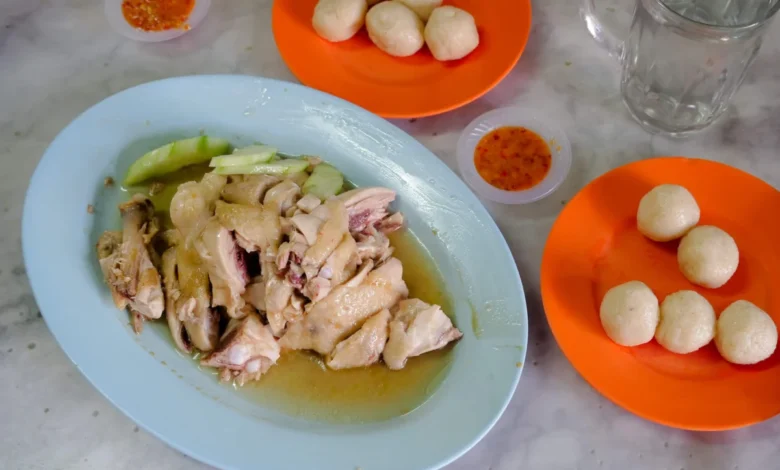
The historic coastal city of Melaka, Malaysia, has long served as a melting pot of cultures, acting as a vital maritime crossroads since the mid-15th century. Amid its rich architectural tapestry and diverse heritage, the city’s culinary landscape remains one of its most enduring draws. Among the myriad traditional dishes that populate the region, Hainanese chicken rice stands out as a staple of Southeast Asian street food. Specifically, the rendition served at the family-owned establishment Kedai Kopi Chung Wah has garnered international acclaim, drawing food enthusiasts from across the globe to sample its signature culinary innovation: hand-formed chicken rice balls.
Historical Context and Cultural Migration
The roots of Hainanese chicken rice trace back to the island province of Hainan in southern China, where locals prepared a dish known as Wenchang chicken, served with seasoned rice. As waves of Chinese emigration swept across Southeast Asia during the 19th and early 20th centuries, immigrants brought their culinary traditions with them, adapting them to local ingredients and regional palates.
While Hainanese chicken rice is found ubiquitously throughout Singapore, Malaysia, and Thailand, Melaka’s iteration introduced a distinct structural variation: rolling the seasoned rice into tightly packed spherical portions. Historical accounts indicate that these rice balls were originally invented out of practicality. Early Hainanese laborers and travelers required a portable, enduring meal that could be easily transported on hikes or to remote agricultural fields without spoiling or losing its cohesion. By compressing the warm, chicken-broth-infused rice into dense spheres, diners could enjoy a cohesive meal on the go. Over generations, this functional adaptation transformed into a cherished regional delicacy, deeply embedded in the cultural identity of the Chinese-Malay community in Melaka.
Anatomy of a Melaka Institution

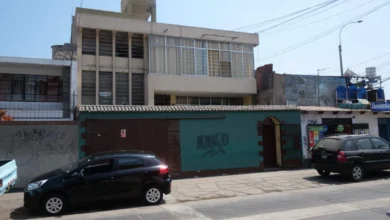
Situated strategically at the foot of the bridge leading to Jonker Street—Melaka’s premier pedestrian thoroughfare—Kedai Kopi Chung Wah operates as a traditional kopitiam (coffee shop). Despite its unassuming exterior and the perpetual queues that form before its 9:00 AM opening time, the restaurant maintains a high volume of turnover, reflecting the fast-paced nature of urban food tourism.
The operational model of Kedai Kopi Chung Wah is notably streamlined. Upon arrival, patrons indicate the size of their party, which directly dictates the quantity of rice balls served. Diners then select their portion of poached chicken, ordered by the half or whole bird. This efficient system ensures that meals are dispatched to tables almost instantaneously, accommodating the constant influx of local patrons and international tourists.
Culinary Analysis of the Dish

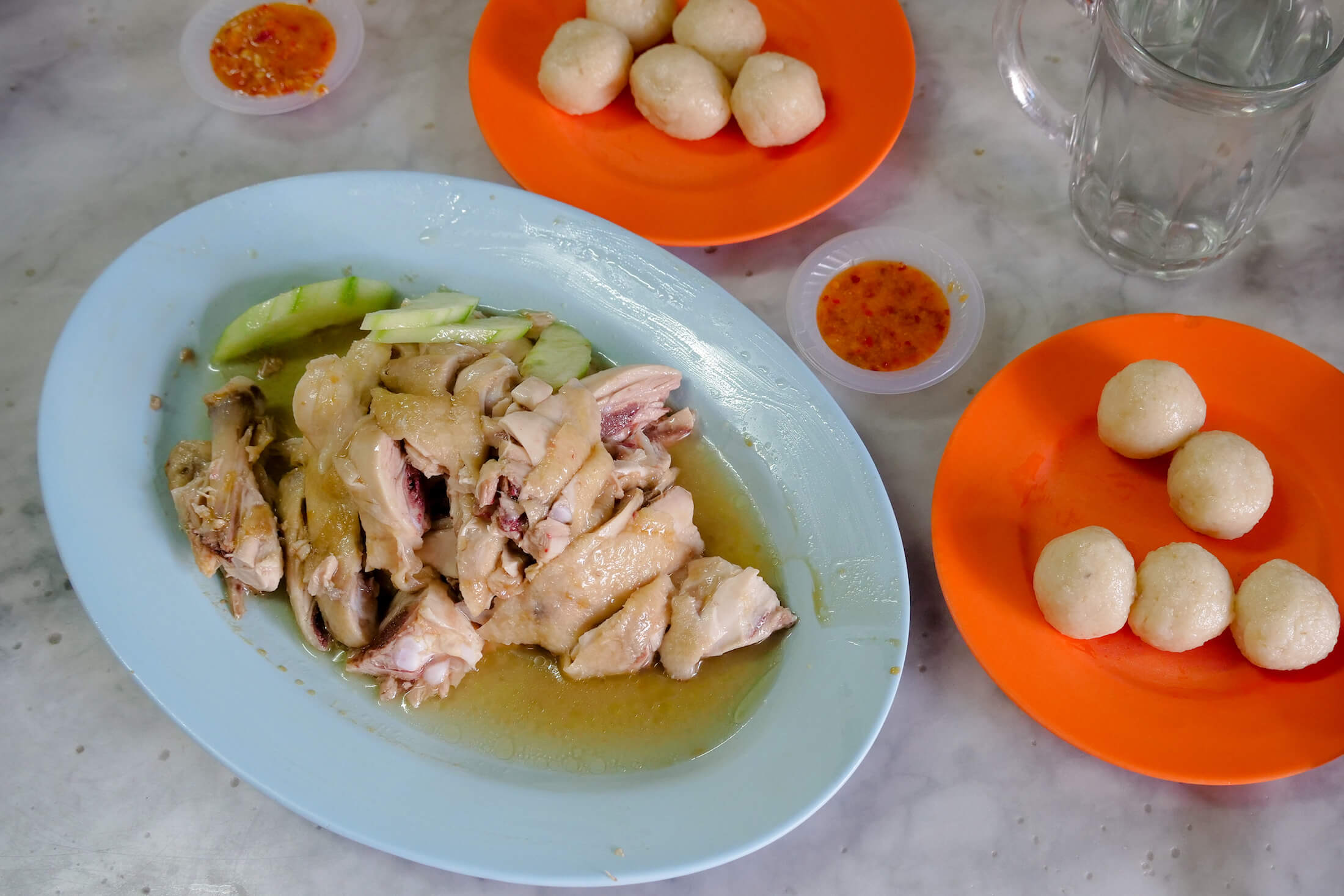
The preparation of traditional Hainanese chicken rice requires meticulous attention to detail, proving that seemingly simple dishes often demand complex culinary techniques. At Kedai Kopi Chung Wah, the process begins with the poultry. The chicken is typically poached to retain moisture, resulting in tender meat encased in a delicately soft, gelatinous skin infused with subtle aromatics such as garlic and ginger.
Accompanying the protein is the signature dipping sauce, which bridges the gap between Chinese culinary techniques and Malay flavor profiles. Diverging from the standard ginger-scented chili sauce found elsewhere, Chung Wah’s preparation leans heavily on a vinegar base, punctuated by robust garlic notes and a measured level of spice. Food critics and culinary historians note that this tangy, acidic profile cuts through the richness of the poultry, elevating the dish from a simple comfort food to a complex sensory experience.
The centerpiece of the dining experience, however, remains the rice. Unlike the loose, separated grains typical of standard chicken rice, Chung Wah’s rice balls are dense, firm, and uniformly shaped. Prepared by cooking white rice in concentrated chicken stock, rendered fat, and aromatics—frequently utilizing the crispy, scorched bottom layer of the cooking vessel to impart a distinct smoky flavor—the rice is compressed by hand while piping hot. The resulting starch gelatinization binds the grains together, creating a texture that first-time visitors frequently mistake for glutinous rice.

Broader Economic and Tourism Implications
The enduring popularity of establishments like Kedai Kopi Chung Wah highlights the economic and cultural significance of gastronomic tourism in Melaka. As a designated UNESCO World Heritage site, Melaka relies heavily on its historical assets to attract millions of visitors annually. Traditional eateries serve as vital anchors for the local economy, driving foot traffic to historic districts such as Jonker Street and fostering the preservation of intangible cultural heritage.
Tourism boards and culinary researchers frequently cite these legacy businesses as essential components of Malaysia’s broader cultural diplomacy. By maintaining ancestral recipes through successive generations, families like those operating Chung Wah safeguard immigrant histories while contributing to the nation’s contemporary culinary identity.

Visitor Information and Practical Considerations
For travelers planning a visit to Kedai Kopi Chung Wah, logistical preparation is advised. Located at the corner of Jonker Street across from Melaka’s flower-lined pedestrian bridge, the establishment operates daily from 9:00 AM until 3:00 PM on weekdays, and until 4:00 PM on weekends. Due to limited seating and high demand, arriving shortly before opening is recommended to minimize wait times. Pricing remains exceptionally accessible; a standard meal consisting of a half-chicken and accompanying rice balls typically costs approximately 28 Malaysian Ringgit (approx. $6.77 USD), underscoring the enduring affordability of authentic street-level heritage cuisine.
As regional tourism continues to evolve in the post-pandemic era, establishments such as Kedai Kopi Chung Wah demonstrate that culinary traditions rooted in history, precision, and community resilience will remain enduring pillars of the global travel experience.