Monthly Travel and Cultural Review: June 2026 Recap and Global Itinerary Insights

The summer travel season officially commenced in June 2026, highlighted by a dynamic two-week transatlantic journey from Prague to the United States. This period featured significant cultural exchanges, urban infrastructure observations, and localized economic impacts driven by concurrent major international sporting events. As global tourism rebounds to pre-pandemic levels, travel analysts note an increasing trend toward experiential tourism, urban pedestrianism, and localized cultural immersion, all of which characterized the month’s activities across Boston, New York, Maine, and Prague.
Chronology and Key Travel Milestones
The month began with a departure from Central Europe to the United States, focusing on regional engagements across Boston, Massachusetts, and New York City.
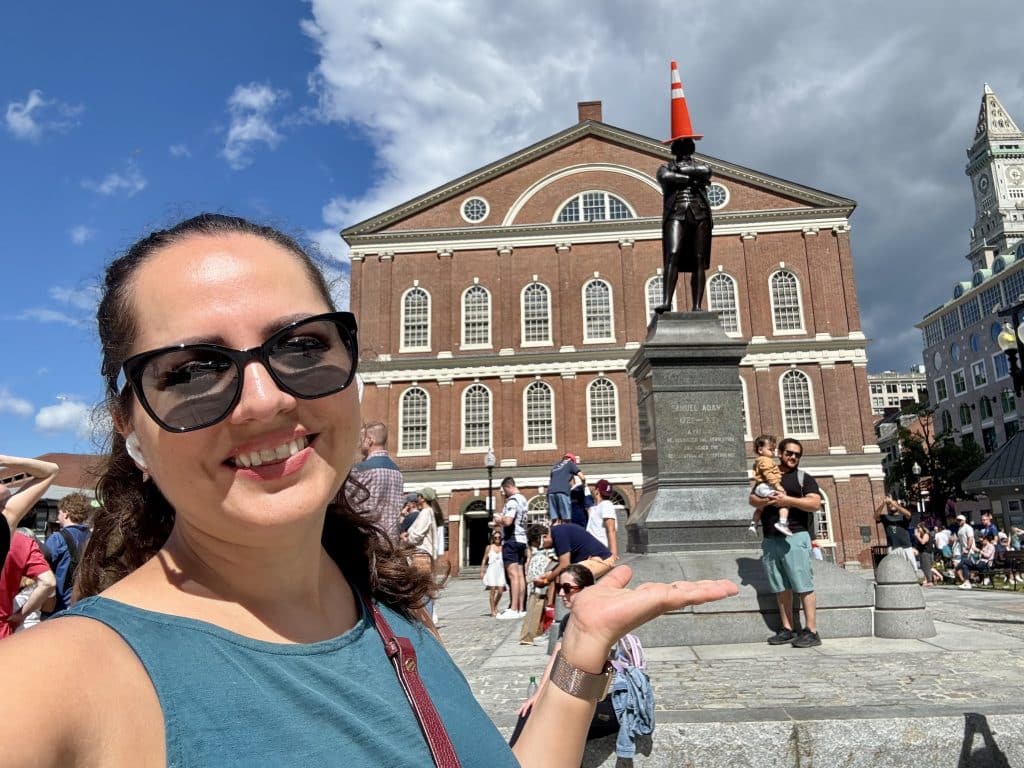
In early June, Boston experienced an influx of international visitors coinciding with the ongoing World Cup matches. Notably, the city played host to the "Tartan Army"—a prominent contingent of Scottish football supporters known for traditional kilts, public bagpipe performances, and localized economic contributions through hospitality and beverage consumption. Their presence extended northward into Portland, Maine, creating notable cross-cultural interactions within regional establishments.
Simultaneously, urban exploration initiatives were undertaken in major metropolitan centers. In Boston, the complete traversal of the Emerald Necklace—a continuous chain of parks and green spaces spanning approximately seven miles from Franklin Park to Boston Common—was accomplished in a four-hour window amid high humidity and elevated seasonal temperatures.

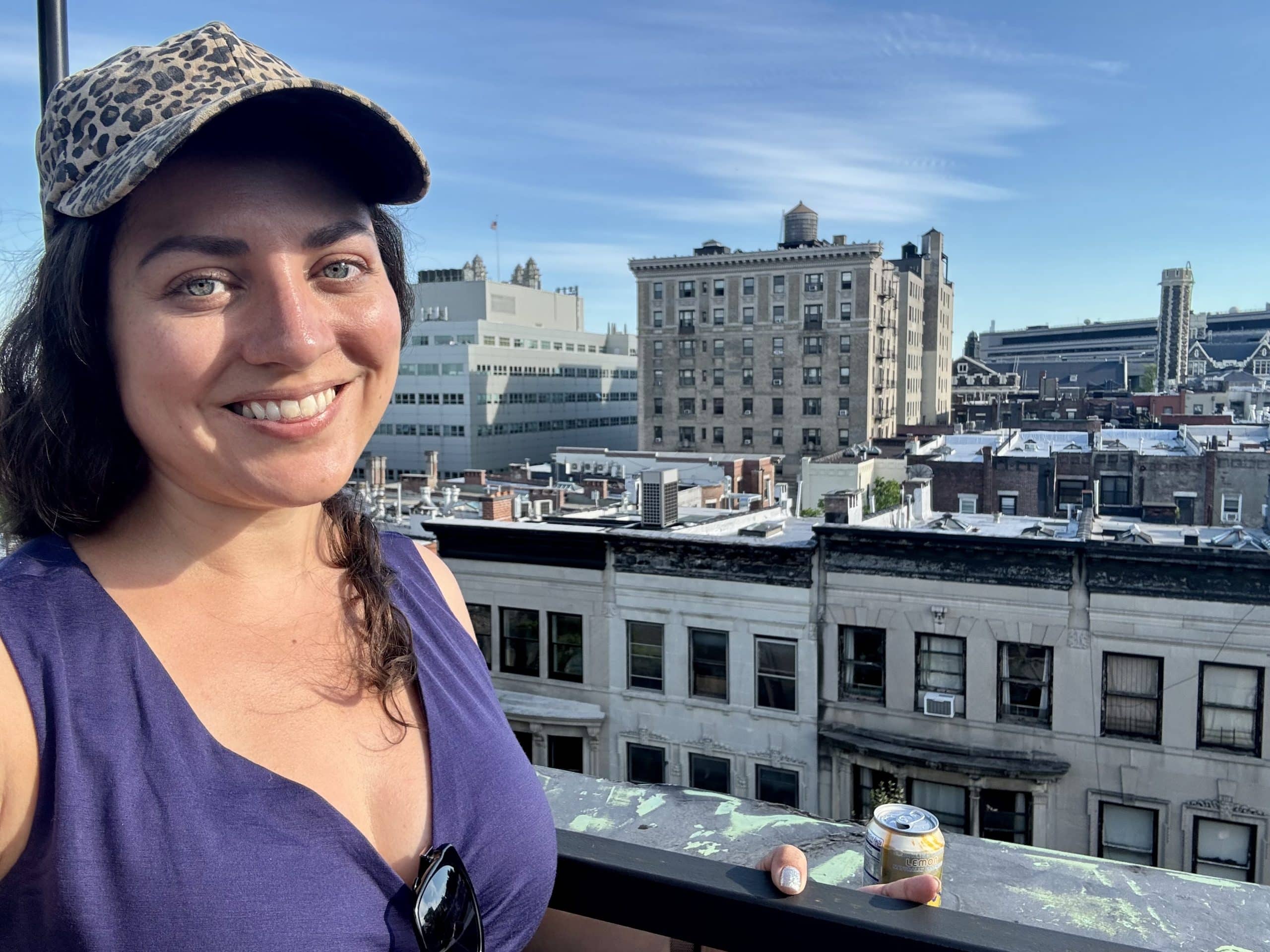
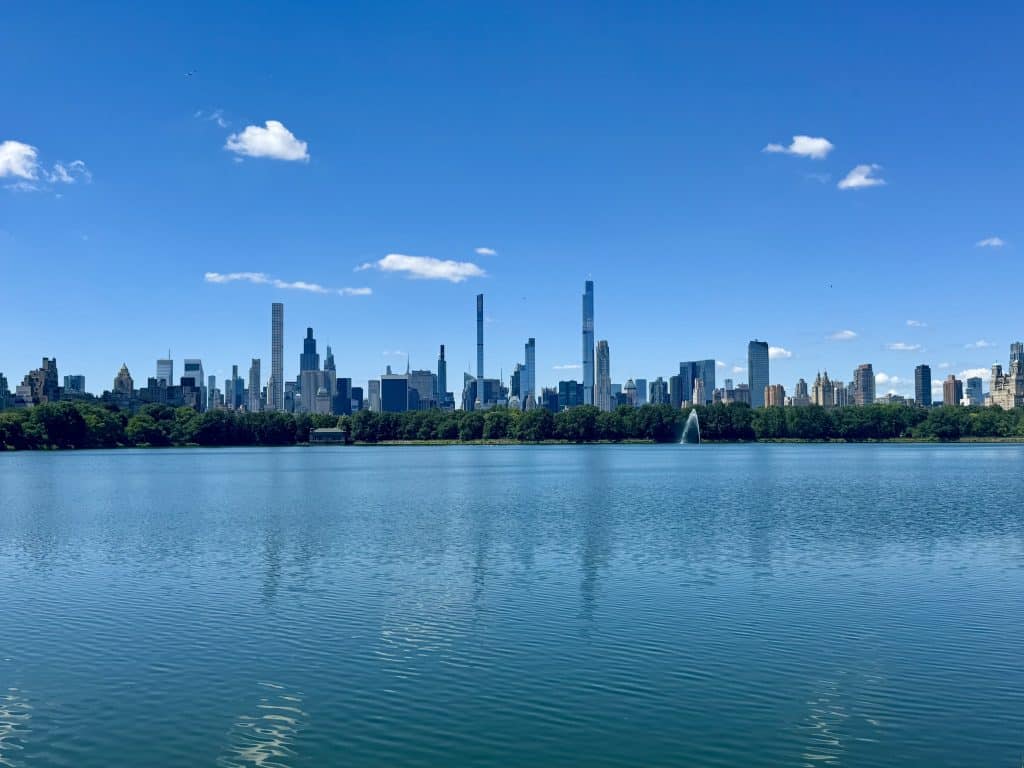
In New York City, travel activities shifted to Upper Manhattan, featuring a residential stay in Harlem. A principal logistical milestone included the utilization of the George Washington Bridge bus station at 178th and Broadway. Transportation experts have long cited this terminal as a strategic infrastructure asset for regional transit, significantly reducing cross-town gridlock for travelers arriving from New England destinations by bypassing Midtown Manhattan entirely. Furthermore, a 13.76-mile pedestrian transit across the entirety of Broadway in Manhattan was completed, documenting neighborhood transitions across multiple municipal districts.
Cultural Engagements and Media Consumption
Cultural participation throughout the month extended across various mediums, including digital phenomena, literature, and long-term artistic evaluations.
In Boston, public engagement included attendance at a promotional event for the internet-recognized feline figure, "Baby Corn." Concurrently, media consumption habits focused on sustained critical reviews of long-form journalistic and artistic works. Notable literature reviewed included Madeline Cash’s contemporary novel Lost Lambs, which explores domestic and societal dynamics within a modern familial framework.
In the realm of audio engineering and musicology, a systematic review of the Rolling Stone 500 Greatest Albums of All Time list reached critical milestones, encompassing records ranked between numbers 50 and 13. Critical reappraisals highlighted foundational recordings such as The Beatles’ self-titled White Album, noting its complex collaborative tensions preceding the band’s final studio sessions. Re-evaluations of historical funk, disco, and hip-hop milestones—including Michael Jackson’s Off the Wall and Kendrick Lamar’s To Pimp a Butterfly—emphasized their enduring sociological and musicological influence. Conversely, cultural critiques were directed at older hip-hop releases, such as the Notorious B.I.G.’s Ready to Die, noting shifting standards regarding lyrical maturity and thematic presentation in modern media analysis.
Infrastructure Challenges and Environmental Pressures

The month was defined meteorologically by an intense, prolonged heat wave across Western and Central Europe, resulting in record-high temperatures that strained urban infrastructure and residential habitability.
In Prague, residential thermal management systems faced significant operational hurdles. Due to structural preservation regulations governing historical architecture—specifically apartments featuring exceptionally high ceilings and expansive floor plans—standard portable air conditioning units frequently proved inadequate for complete climate regulation. Consequently, temporary relocation to commercial hospitality infrastructure, such as the Hilton Atrium Prague, became necessary to ensure adequate thermal relief for both human residents and domestic animals, reflecting a growing urban demand for pet-inclusive hospitality services during extreme weather events.
Public transit systems also experienced operational anomalies linked to thermal stress and procedural oversights. An incident involving an unattended tram service in Prague resulted in a passenger being temporarily secured within a non-operational vehicle during high ambient temperatures. Urban transit safety protocols mandate thorough sweeps of rolling stock prior to depot retirement; the failure of these protocols highlights ongoing concerns regarding passenger safety standards during extreme meteorological events.
Additionally, regional climate conditions prompted the rescheduling or cancellation of major entertainment events, including a scheduled arena performance by recording artist Ricky Martin, underscoring the broader economic and logistical disruptions extreme heat waves impose on the live entertainment sector.
Economic and Demographic Implications
The convergence of high-density international tourism, unseasonal meteorological events, and structural urban challenges in June 2026 offers critical data points for municipal planners and the tourism industry.
The economic windfall generated by sports tourism—exemplified by international supporters in New England—demonstrates the immediate financial resilience of hospitality sectors in secondary and tertiary tourist hubs. However, the simultaneous strain on municipal infrastructure, ranging from public transit reliability to urban microclimates, emphasizes the urgent need for climate-resilient urban planning.
As global temperatures rise, metropolitan regions throughout Europe and North America must accelerate investments in adaptive infrastructure, encompassing public cooling centers, enhanced transit safety monitoring, and energy-efficient building retrofits. These measures will be vital in sustaining both resident well-being and the multi-billion-dollar global tourism economy in subsequent travel cycles.